Oc

Lorem ipsum dolor sit amet, consectetur
adipiscing elit. Etiam posuere varius
magna, ut accumsan quam pretium
vel. Duis ornare

Latest News
Follow Us
GO UP

Teacher Resources

A curated set of external resources to help you teach ocean literacy with confidence and clarity.
Year Level
Subject
Topic
Resource Type
State

248 Results Found

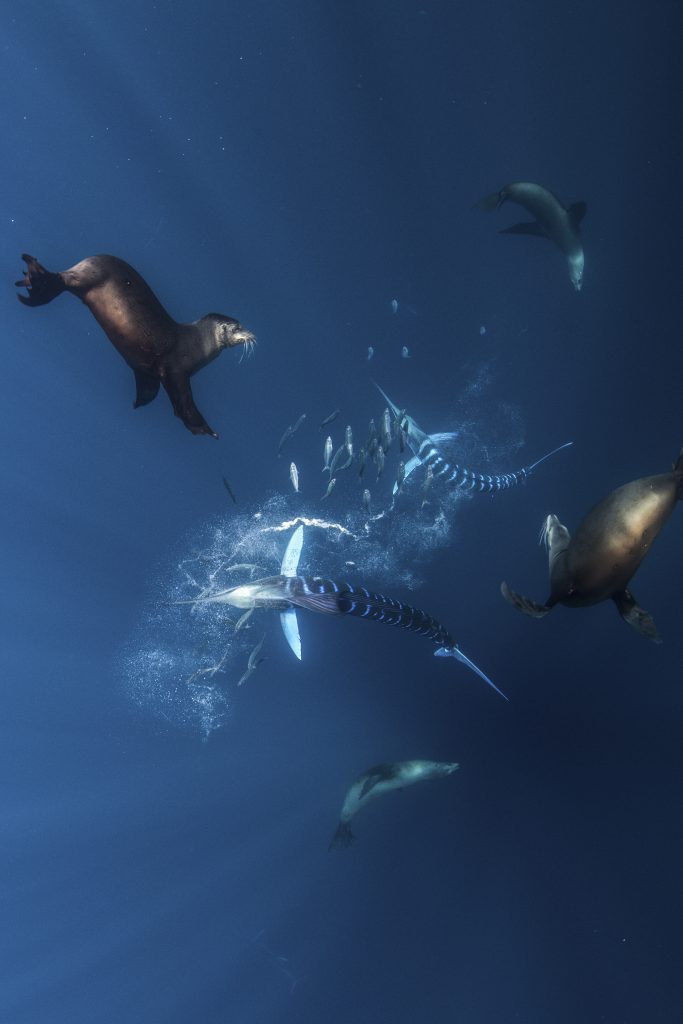
Marine Food Webs and Overfishing

Explore how food webs work in the marine environment, the consequences of overfishing on ocean life, and how sustainable fishing protects marine ecosystems.
Year Level7-8
Resource TypeLesson PlanUnit Plan
OrganisationMarine Stewardship Council

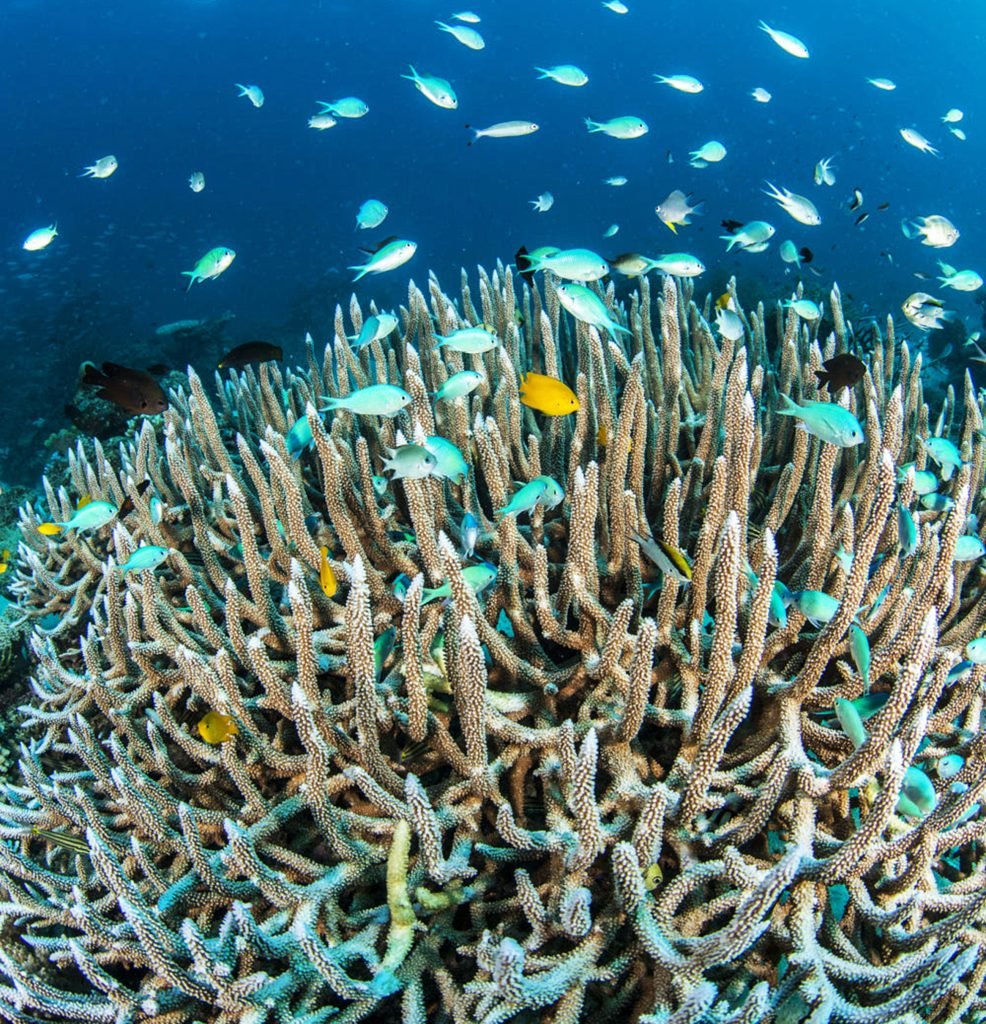
Marine Habitats and Overfishing

Explore what life looks like underwater, learn about different marine habitats, and discover how fish species have adapted to unique marine environments.
Year Level5-6
Resource TypeLesson PlanUnit Plan
OrganisationMarine Stewardship Council

Marine Life

Learn about the wide variety of marine species in Australia, including invertebrates, pelagic fish, reef fish, crustaceans, jellyfish, sharks, and more
Year LevelPrimarySecondary
Resource TypeOnline Resource
OrganisationMarineWise

Marine Systems – connections and change

CoralWatch has developed various lessons for Unit 3, Marine Science (2019), General Senior Syllabus.  This comprehensive collection of lessons and supporting materials focused on understanding coral reef ecosystems, threats to coral health, and techniques for monitoring reef condition. It includes classroom and field-based activities as well as data interpretation worksheets that help students practise real scientific methods. The resource is intended to help build both scientific literacy and environmental stewardship, showing young learners how reefs are studied and what actions can support their conservation.
Year Level11-12
Resource TypeLesson PlanUnit PlanWorksheet
OrganisationCoralWatch

Marine Teachers Association of New South Wales

If you're a Marine Teacher in NSW, come join MTANSW! The Marine Teachers Association of NSW (MTANSW) is a professional organisation dedicated to supporting marine education through curriculum development, teacher mentoring, and resource creation. It advocates for marine educators with education authorities, collaborates with government and industry partners, and provides tools to help teachers educate students on water safety and marine topics.

Meet Barani – A Sydney Story on Water, Land and Sky Country

This excursion engages students in exploring Indigenous maritime knowledge and perspectives through storytelling, cultural learning, and hands-on activities that highlight Aboriginal and Torres Strait Islander connections to sea Country.
Year LevelPrimary
Resource TypeEducational Provider
OrganisationAustralian National Maritime Museum

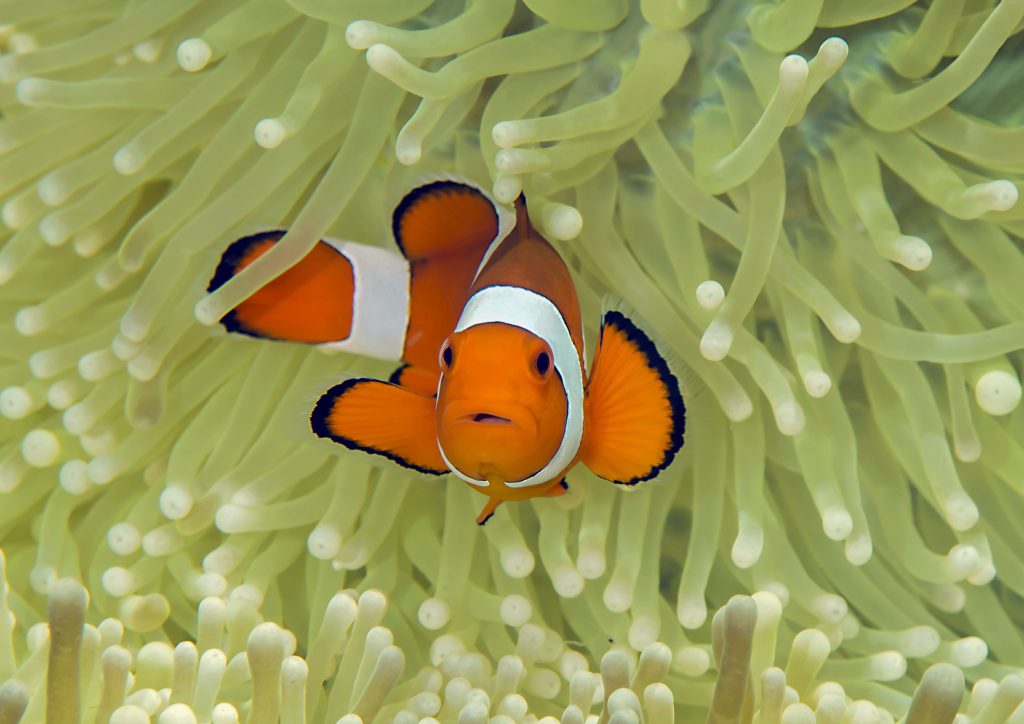
Meet Our SEA LIFE Creatures

Match sea creatures to features, describing characteristics and using simple texts to communicate understanding through observation and discussion.
Year Level1-2
Resource TypeWorksheet
OrganisationSEA LIFE

My Habitat Snapshot

Create a marine animal habitat profile, exploring features, diet and environments while linking ideas of diversity, identity and belonging.
Year Level1-2
Resource TypeActivity Book
OrganisationSEA LIFE

My Sea Friends

Explore marine animals through sensory play, storytelling and art, building understanding of habitats and communication.
Year LevelPreschoolEarly Learning
Resource TypeActivity Book
OrganisationSEA LIFE

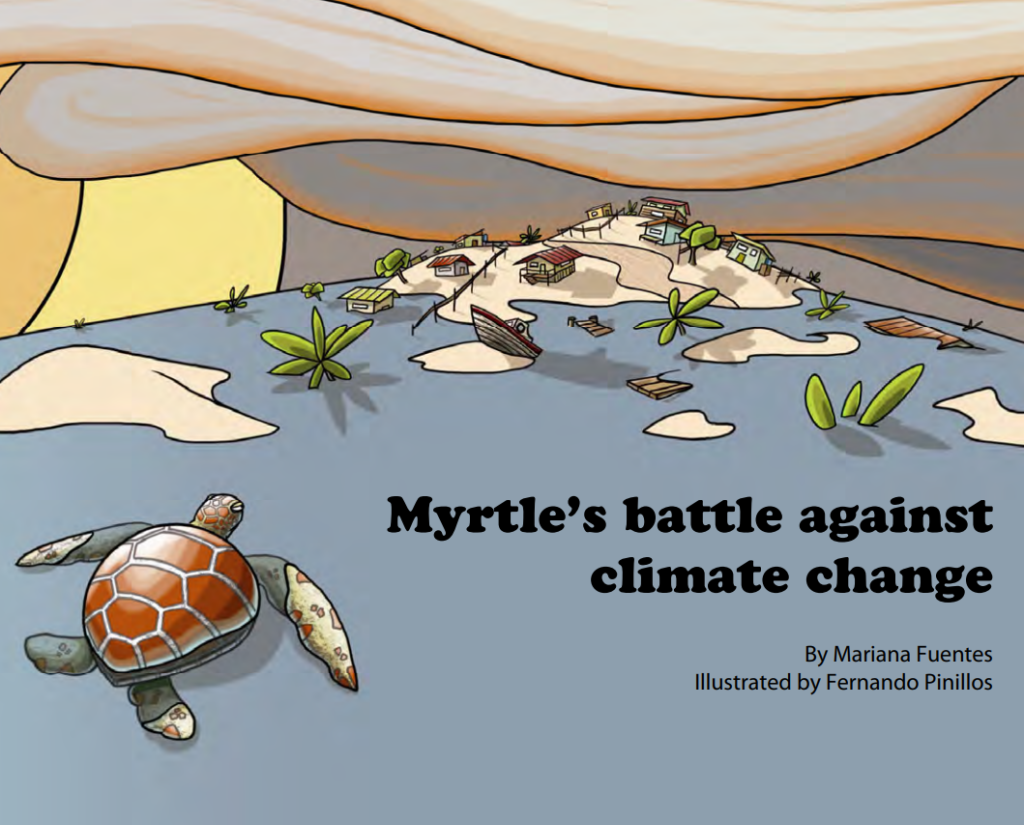
Myrtle’s battle against climate change

This educational story based on real research about sea turtles and the impacts of climate change in the northern Great Barrier Reef. It follows a satellite-tagged turtle named Myrtle to show how changing ocean conditions, especially warming seas and habitat loss, affect turtle survival and highlight the importance of protecting marine ecosystems.
Year LevelPrimary
Resource TypeStory Book
OrganisationMariana Fuente

Narragunnawali – Caring for Country

Caring for Country – the land, seas, and skies on which we live and learn – is everyone’s responsibility. It’s important to recognise that there are many ways to take on and share this responsibility, with actions that may seem small but hold significant meaning. This resource explores the contributions of Aboriginal and Torres Strait Islander peoples and cultures to environmental management practices, including aquaculture.
Year LevelSecondary
Resource TypeLesson Plan
OrganisationReconciliation Australia

Natural Water Cycle

This interactive resource engages students in exploring the natural water cycle, including evaporation, condensation, precipitation, and runoff, through an engaging, scroll-based visual model that demonstrates how water continuously moves through Earth’s systems.
Year LevelPrimary
Resource TypeGame
OrganisationSouth East Water