Oc

Lorem ipsum dolor sit amet, consectetur
adipiscing elit. Etiam posuere varius
magna, ut accumsan quam pretium
vel. Duis ornare

Latest News
Follow Us
GO UP

Teacher Resources

A curated set of external resources to help you teach ocean literacy with confidence and clarity.
Year Level
Subject
Topic
Resource Type
State

248 Results Found

Seagrass Educators Handbook

The teaching guide provides educators with background information, lesson ideas, and practical activities to help students learn about seagrass ecosystems, their ecological importance, and the methods used to monitor and protect them through citizen science.
Year LevelPrimarySecondary
Resource TypeTeachers' Guide
OrganisationSeagrass-Watch

Seagrass-Watch

This website is a teaching and learning resource that helps students and teachers understand seagrass ecosystems and why they are important. It provides educational materials such as videos, activity books, posters, and teacher guides that explain seagrass biology, its role in supporting marine life, and the threats it faces from human impacts and climate change.
Year LevelPrimarySecondary
Resource TypeVideoInfographicTeachers' GuideActivity Book
OrganisationSeagrass-Watch
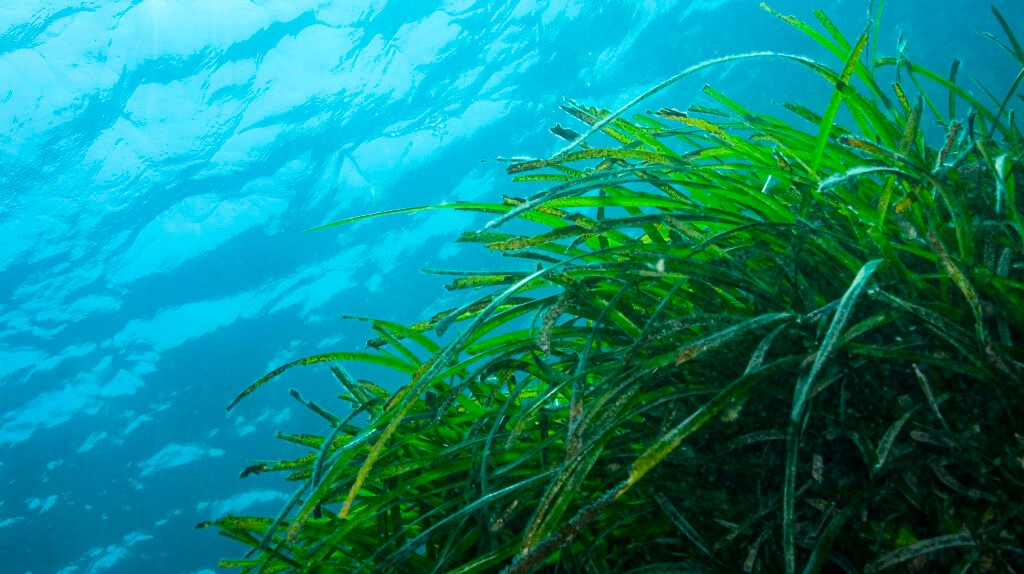
Seagrass-Watch Activity Book

This resource is designed to engage students in learning about seagrass ecosystems through hands-on activities, games, and field-based investigations. It helps learners understand the importance of seagrass habitats, the species that depend on them, and how citizen science can be used to monitor and protect coastal environments.
Year LevelSecondary
Resource TypeActivity Book
OrganisationSeagrass-Watch
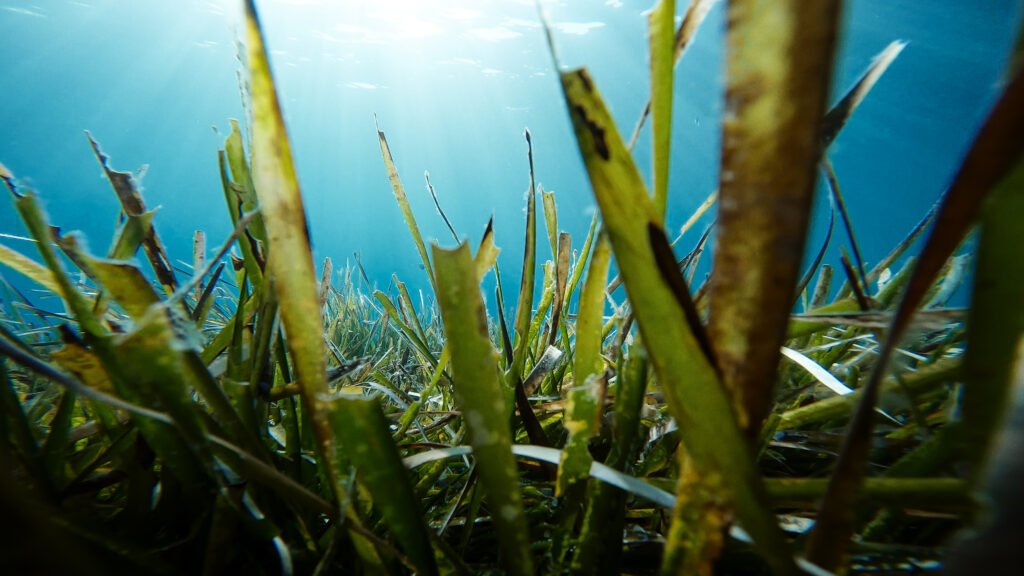
Seagrass-Watch Junior Activity Book

This activity book is a student-friendly resource that uses simple activities and games to teach younger learners about seagrass ecosystems, the animals that live in them, and why these habitats need to be protected.
Year LevelPrimary
Resource TypeActivity Book
OrganisationSeagrass-Watch
Seal the Loop: Exploring Marine Conservation

This unit engages students in inquiry-based activities on marine conservation, exploring pollution’s causes and effects, conducting waste decomposition experiments, and collaborating on conservation ideas to foster critical thinking, problem-solving skills, and a deeper appreciation of ocean ecosystems.
Year Level1-23-45-6
Resource TypeUnit PlanLesson Plan
OrganisationCool.org

Seal the Loop: Marine Action

This English unit educates students on marine conservation and biodiversity through activities on understanding food webs, investigating the impact of waste on the marine environment, and exploring different perspectives on the value of marine biodiversity.
Year Level7-89-10
Resource TypeLesson PlanUnit Plan
OrganisationCool.org

Sensational Seas

Seven engaging, sea-inspired activities designed to spark children’s curiosity and support hands-on, child-centred learning about the ocean.
Year LevelEarly Learning
Resource TypeLesson PlanUnit Plan
OrganisationCool.org

Shark Cull Debate

Behind the News - What seems like a spike in shark attacks has some people worried about going for a swim in the sea. It's prompted politicians and experts to get together and discuss solutions.
Year Level5-67-8
Resource TypeLesson PlanVideo
OrganisationBehind the News

Shark Harbour

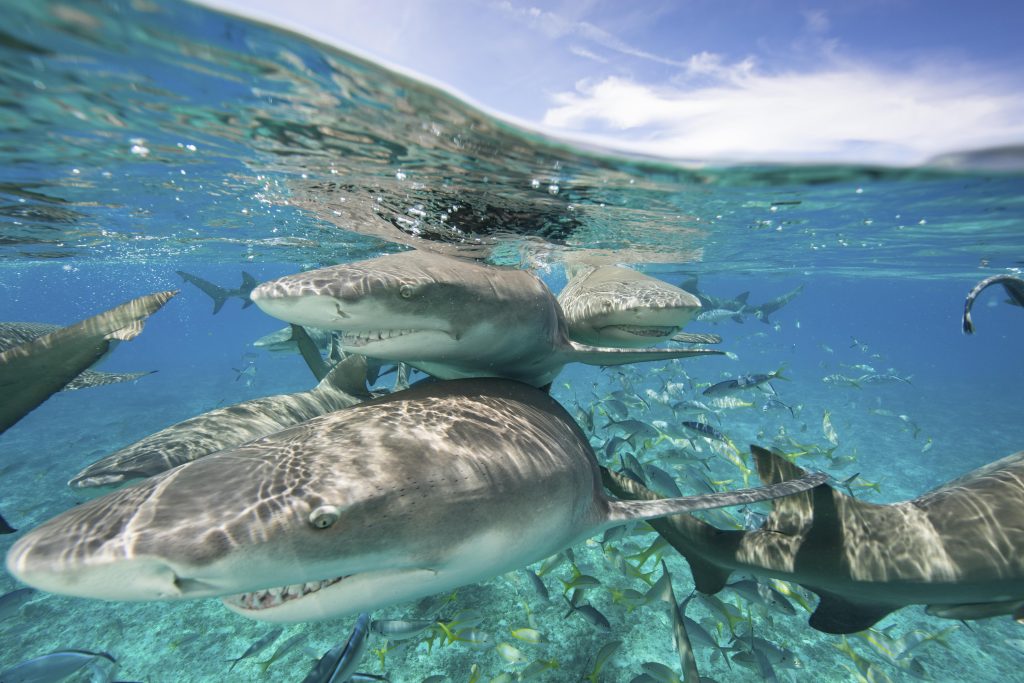
The National Geographic documentary Shark Harbour follows marine biologists in Sydney Harbour as they study shark attacks to better understand and coexist with these predators.
Year LevelSecondary
OrganisationUltramarine Films

Shark Nets

Behind the News looks at the role shark nets play near some popular swimming spots however, scientists and conservationists are calling for them to be banned. We find out why shark nets are controversial and what other methods governments are looking into to keep sharks away from swimmers.
Year Level5-6
Resource TypeVideoLesson Plan
OrganisationBehind the News

Sharks and Rays of Port Phillip Bay Incursion

This incursion introduces students to the diverse fauna of Port Phillip Bay (and southern Australia), with a particular focus on chondrichthyans (cartilaginous fish). Students will explore the habitats, life cycles, functional morphology (anatomy), and evolutionary adaptations of these fascinating species. The program also covers the geological history of Port Phillip Bay and the impact of human activities on shark and ray populations.
Resource TypeEducational Provider
OrganisationPort Phillip Bay EcoCentre

Sharks in the Marine Ecosystem

Learners will identify producers, consumers and decomposers in the food chain, and understand the importance of sharks in the marine ecosystem.
Year Level3-4
Resource TypeLesson PlanWorksheet
OrganisationMarine Stewardship Council