Oc

Lorem ipsum dolor sit amet, consectetur
adipiscing elit. Etiam posuere varius
magna, ut accumsan quam pretium
vel. Duis ornare

Latest News
Follow Us
GO UP

Teacher Resources

A curated set of external resources to help you teach ocean literacy with confidence and clarity.
Year Level
Subject
Topic
Resource Type
State

231 Results Found

‘Lets Protect’ Poster

Create a persuasive poster using emotive language, rhetorical questions and other devices to promote ocean conservation, developing communication and audience awaresness.
Year Level3-4
Resource TypeWorksheet
OrganisationSEA LIFE

‘That’s Not My Shark’ Play Cards

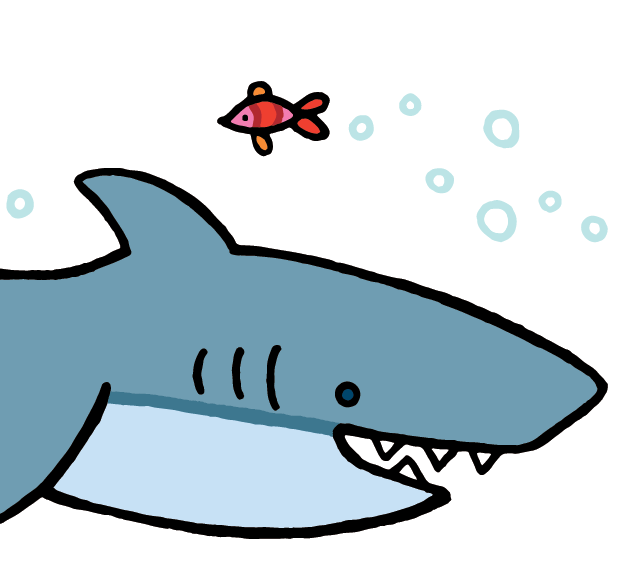
Make a splash and spark curiosity about sharks and sea creatures with under-the-sea sensory and craft activities for home or adaptable to any Early Years or Stage one setting.
Year LevelPreschoolEarly Learning
Resource TypeGameTeachers' Guide
OrganisationSEA LIFE

2040: Creating a Sustainable Future

This unit of lessons is designed to engage students with the documentary film 2040 and inspire them to take action towards creating a sustainable future.
Year Level7-89-10
Resource TypeUnit Plan
OrganisationCool.org

2040: Understanding CO2 and Its Implications

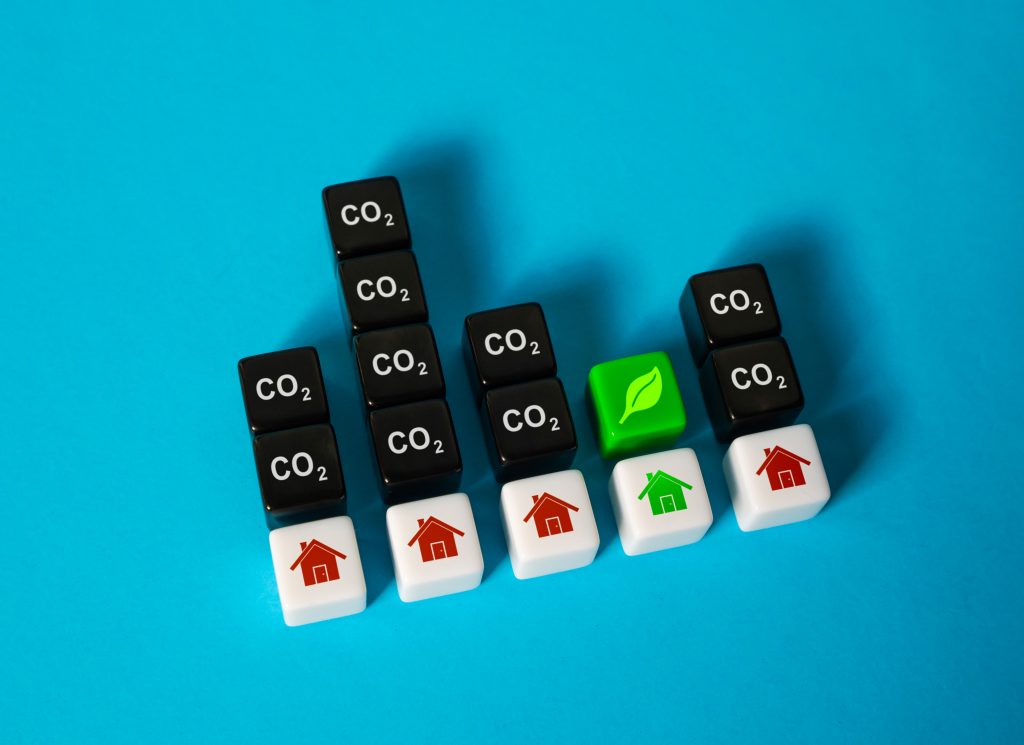
Mathematics. This unit introduces climate change through mathematics, guiding students in analysing CO₂ data, calculating emissions, comparing global carbon footprints, and creating an action plan to reduce household carbon output.
Year Level5-6
Resource TypeLesson PlanUnit PlanWorksheet
OrganisationCool.org

A Day at the Shore

This educational online beach safety game for diverse communities introduces children to important beach safety messages through a simple narrative. It is designed to help young readers understand common beach hazards and safe behaviours in a fun and engaging way. The resource supports early learning by combining storytelling with clear safety guidance.
Year LevelPrimary
Resource TypeGame
OrganisationSurf Life Saving New South Wales

A guide for curriculum development First Nations Australians’ Science

This resource offers educators guidelines and practical examples for incorporating First Nations Australians’ science into STEM education while respecting cultural knowledge protocols. It includes multiple case studies, such as one examining the Eurocentric concept of seasons alongside First Nations seasonal calendars, highlighting their geographical diversity and differences from the traditional European four-season model.
Year LevelSecondary

A Porpoiseful Problem – A real-life marine STEM problem-solving session

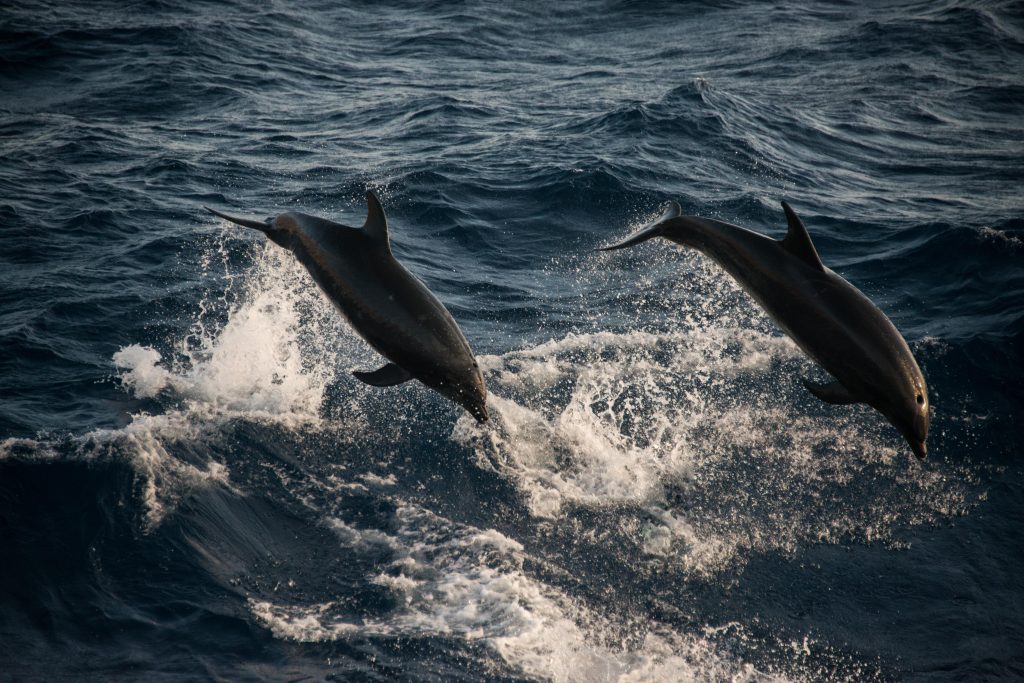
External provider Cetacean Science Connections, uses design-based thinking to get students to investigate and attempt to solve how we can ‘count’ the number of dolphins that reside in Port Phillip Bay.  A real-life marine STEM problem that wildlife managers face when trying to determine how best to conserve our wildlife.
Year LevelPrimarySecondary
Resource TypeEducational Provider
OrganisationCetacean Science Connections

A threatened species of seagrass: Posidonia australis

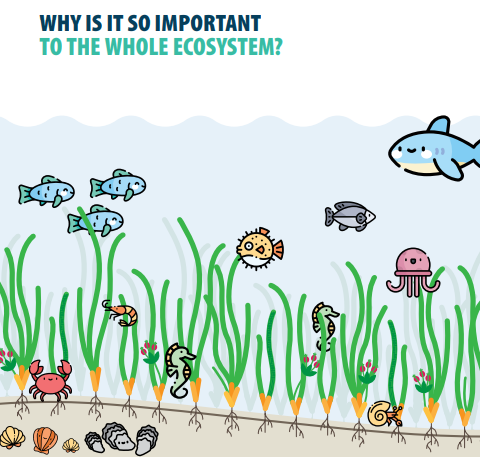
The booklet considers the ecosystem as a whole to highlight the ways Posidonia australis benefits a range of other plants, animals and the wider environment. It also examines the ways Posidonia australis benefits humans, and what people can do to help protect this species.
Year Level5-6
Resource TypeActivity BookTeachers' Guide
OrganisationNSW Department of Primary Industries

A Trip Around the World

Explore and describe global habitats, comparing conditions and how environments meeting living things' needs through discussion and vocabulary-based activities.
Year Level3-4
Resource TypeWorksheet
OrganisationSEA LIFE

Acidic Oceans Experiment

The "Acidic Oceans" activity demonstrates how ocean acidification, caused by increased carbon dioxide, affects sea creatures like crabs and clams, using a simple home experiment to simulate the impact of acidic conditions on shells.
Year Level5-67-89-10
Resource TypeExperiment
OrganisationQuestacon

Animal Adaptions Unit

This Australian Museum resource helps primary students explore how animal adaptations and classification support survival through hands-on activities, virtual exhibitions, research tasks, and curriculum-linked learning experiences.
Year Level3-45-6
Resource TypeTeachers' Guide
OrganisationAustralian Museum
Animals in Danger: Overfishing

Explore ecosystems, human impact and sustainability, analysing data and perspectives to explain environmental change.
Year Level7-8
Resource TypeActivity Book
OrganisationSEA LIFE