Oc

Lorem ipsum dolor sit amet, consectetur
adipiscing elit. Etiam posuere varius
magna, ut accumsan quam pretium
vel. Duis ornare

Latest News
Follow Us
GO UP

Teacher Resources

A curated set of external resources to help you teach ocean literacy with confidence and clarity.
Year Level
Subject
Topic
Resource Type
State

280 Results Found

I wonder what lives here?

Students will become Earthwatch Explorers by using their senses to explore sections of their school using science equipment and techniques.
Year LevelFoundation1-2
Resource TypeLesson PlanUnit Plan
OrganisationEarthwatch

Identifying Threats to our Oceans

Investigate ocean threats (e.g. pollution, overfishing), discussing human impacts and causes, and recording ideas to build environmental awareness.
Year Level3-4
Resource TypeWorksheet
OrganisationSEA LIFE

Illawarra Environmental Education Centre

Offers curriculum-linked outdoor excursions for primary and secondary students, including Marine Studies and environmental fieldwork. Programs explore sustainability and caring for Country, with resources and activities to support learning before and after each visit.
Year LevelPrimarySecondary
Resource TypeEducational Provider
OrganisationEducation NSW

Impacts of climate change on the Great Barrier Reef

Students investigate the impacts of climate change on coral reef ecosystems, including coral bleaching, reef biodiversity, and conservation strategies through curriculum-linked activities and case studies.
Year LevelSecondary
Resource TypeTeachers' Guide
OrganisationAustralian Museum

Indigenous weather knowledge

This resource explains how Aboriginal and Torres Strait Islander peoples use Indigenous seasonal calendars and environmental knowledge based on long term observation of plants, animals, and weather patterns to understand and interpret Australia’s climate and seasonal change.
Year LevelPrimarySecondary
Resource TypeOnline Resource
OrganisationThe Bureau of Meteorology

Influences on the water cycle

This lesson incorporates a range of practical activities that allow students to explore how the water cycle operates at different scales and across diverse environments, and how it is shaped by factors such as location, temperature, and topography.
Year Level7-8
Resource TypeExperimentWorksheet
OrganisationMurray-Darling Basin Authority

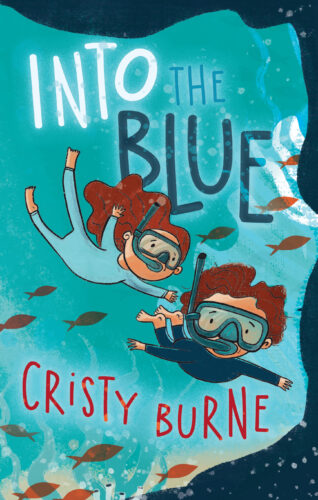
Into the Blue

Teacher resource linked to Into the Blue by Cristy Burne.  A fun snorkelling trip turns serious when Blair loses his brother’s camera, facing guilt and fear until heartfelt talks with family help him navigate his mistake, making this story ideal for creative writing, science, art, and humanities discussions.
Year Level3-45-6
Resource TypeLesson PlanBook
OrganisationCristy Burne
Introduction to Ocean Acidification

This resource introduces students to the concept of ocean acidification caused by increasing atmospheric carbon dioxide, providing an experiment and design challenge to help students explore its effects on marine ecosystems and understand the chemistry behind this environmental issue.
Year Level9-10
Resource TypeLesson PlanWorksheet
OrganisationQueensland Museum

Investigating Ocean Acidification

This resource guides students through an experiment to explore how ocean acidification, caused by increased carbon dioxide levels, affects marine organisms with calcium carbonate shells, such as oysters and clams, encouraging scientific investigation and analysis
Year Level9-10
Resource TypeLesson PlanWorksheetExperiment
OrganisationQueensland Museum

Investigating Ocean Acidification: Student Investigations

This investigation allows students to explore the impact of carbon dioxide on marine life, focusing on how acidification affects organisms with calcium carbonate shells and guiding students through experiments to test the effects of acid on these shells.
Year Level9-10
Resource TypeExperiment
OrganisationQueensland Museum

Irukandji Shark & Ray Encounters – Port Stephens

Interactive, hands-on school excursions for students where they learn about sharks, rays, fish and marine ecosystems through up-close animal encounters. Their programs explore marine science, ocean conservation, sustainability and the importance of protecting marine environments, with activities tailored to different age groups.
Year LevelEarly LearningPrimarySecondary
Resource TypeEducational Provider
OrganisationIrukandji Shark & Ray Encounters

Jervis Bay Marine Park Education Kit

The NSW Marine Parks Education Kit contains four modules that cover the topics of marine parks and conservation, rocky shores, estuaries and cultural heritage. These modules have been designed to fit the NSW Department of Education and Training’s primary school curriculum, and can be used to complement current teaching programs.
Year LevelPrimary
Resource TypeActivity BookUnit PlanWorksheetTeachers' Guide
OrganisationNSW Marine Estate