
Food: Different by Design
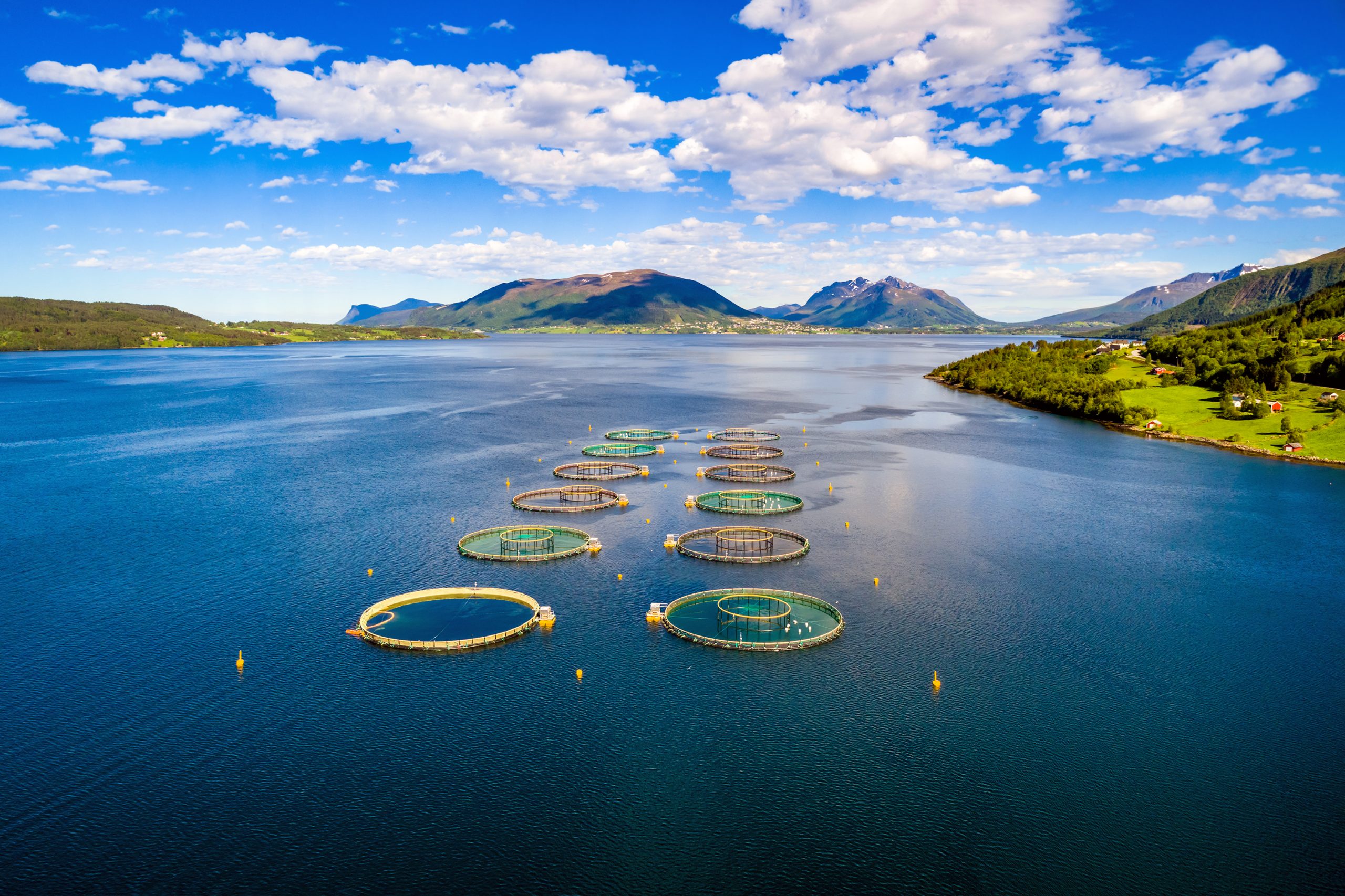
Learners will discover some of the innovations being made in aquaculture and wild fishing to help reduce pollution and entanglements with marine wildlife.
Marine Habitats and Overfishing
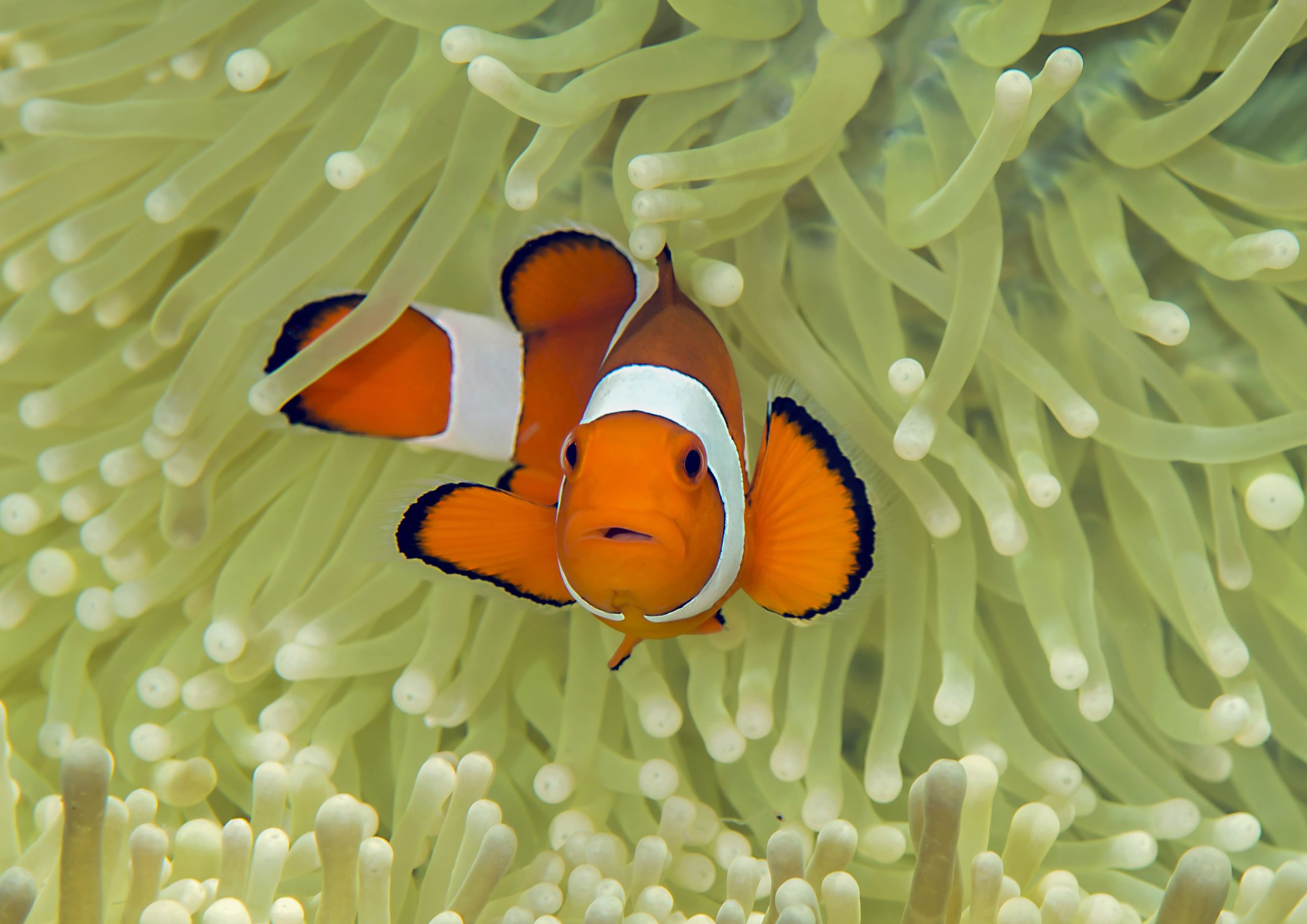
Explore what life looks like underwater, learn about different marine habitats, and discover how fish species have adapted to unique marine environments.
Thank you, Fishers
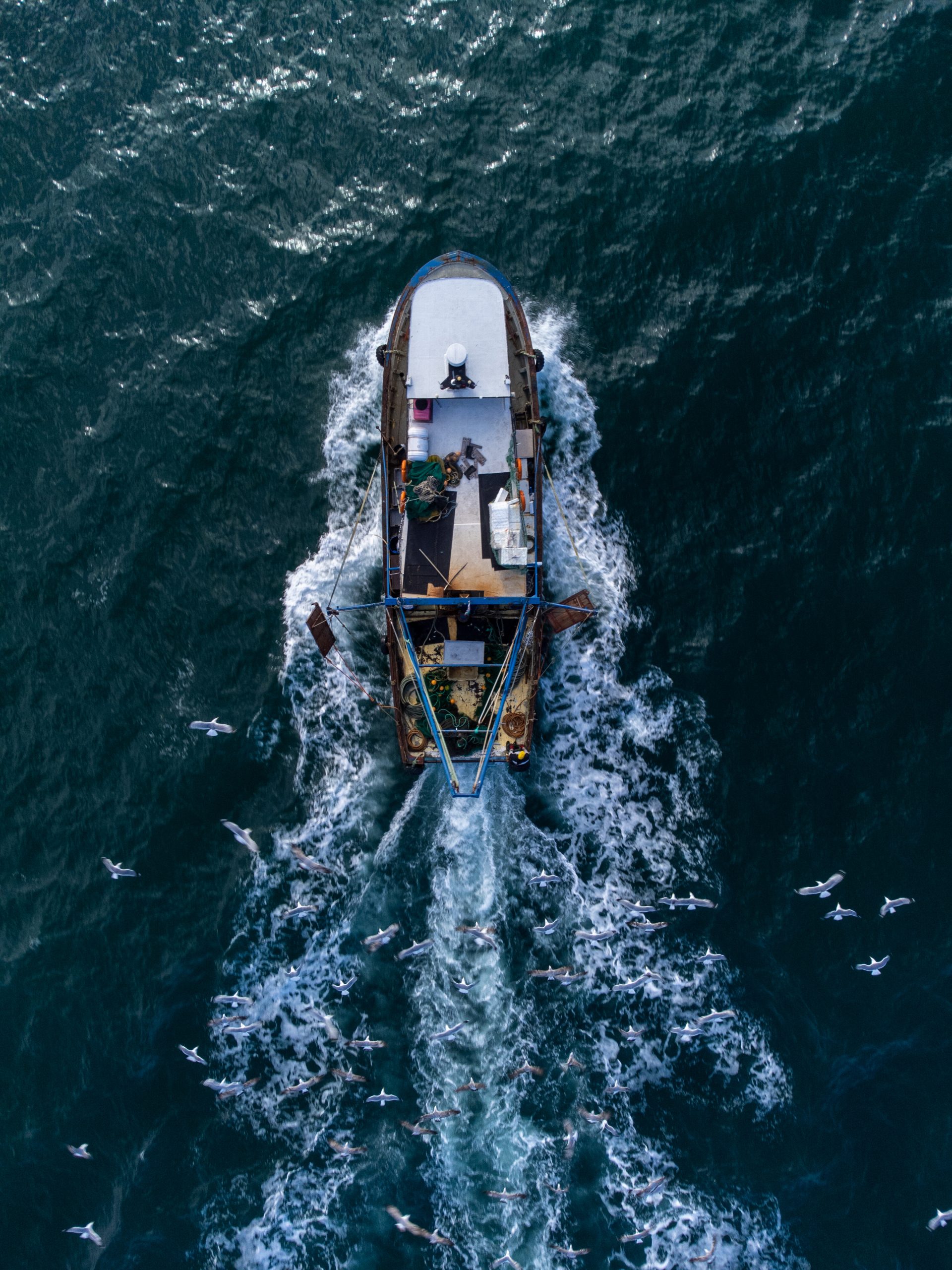
Learn about fisheries in Australia that are working to safeguard future generations of both people and fish. A set of slides is provided, and an accompanying Kahoot! quiz.
Australians Together
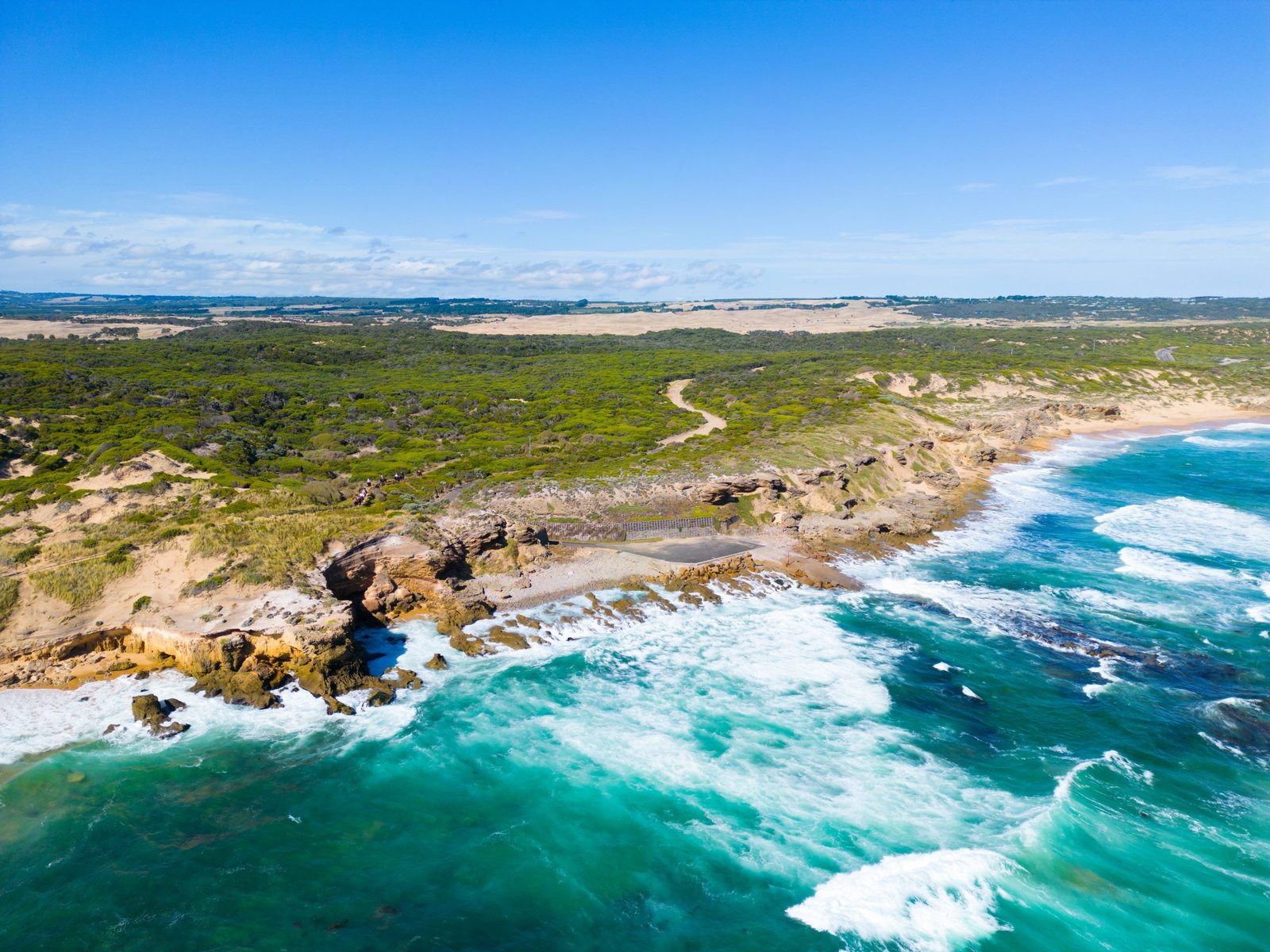
Bring First Nations stories, cultures and histories into your classroom with free curriculum resources. Topics include, connection to country, erosion and weathering, sustainability, and water management and more.

Blue The Film: Persuasion and Environmental Activism
In this Year 9 English unit, students explore persuasive language and environmental activism through documentary clips, analysing rhetorical devices in speeches, examining language and visuals in news media, and creating their own campaigns.
Seal the Loop: Marine Action
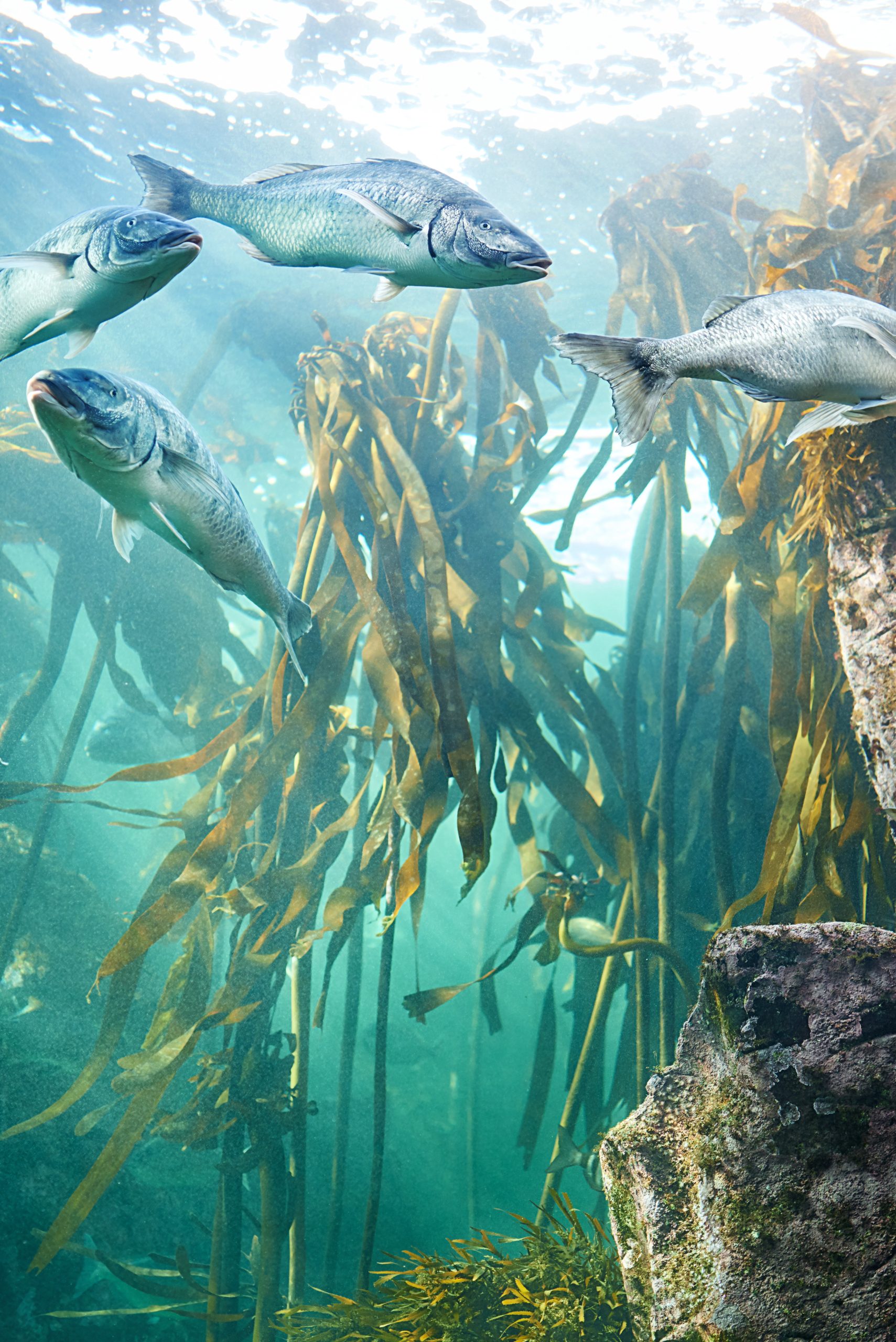
This English unit educates students on marine conservation and biodiversity through activities on understanding food webs, investigating the impact of waste on the marine environment, and exploring different perspectives on the value of marine biodiversity.
2040: Understanding CO2 and Its Implications
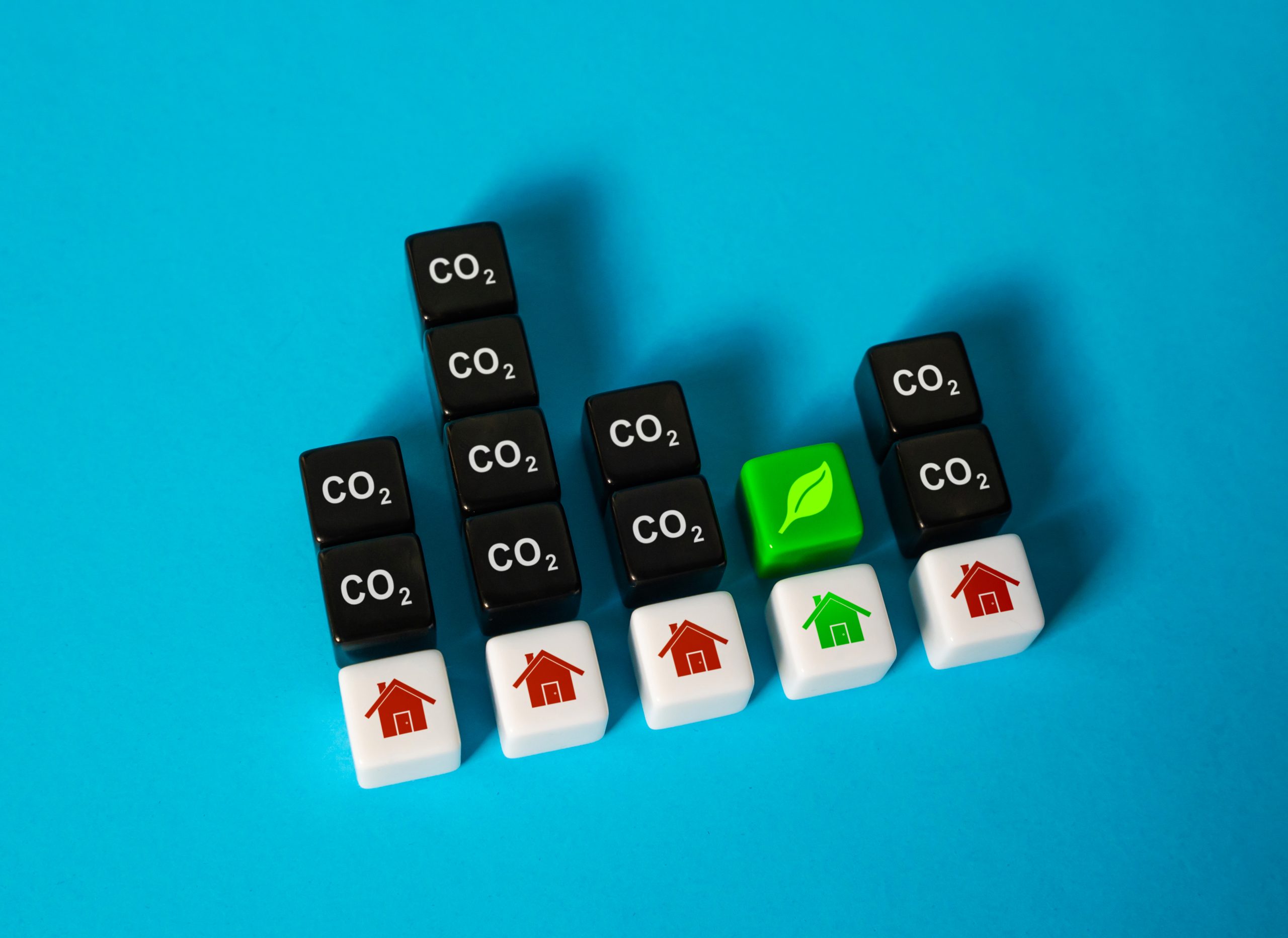
Mathematics. This unit introduces climate change through mathematics, guiding students in analysing CO₂ data, calculating emissions, comparing global carbon footprints, and creating an action plan to reduce household carbon output.
Blue The Film: Action for Change
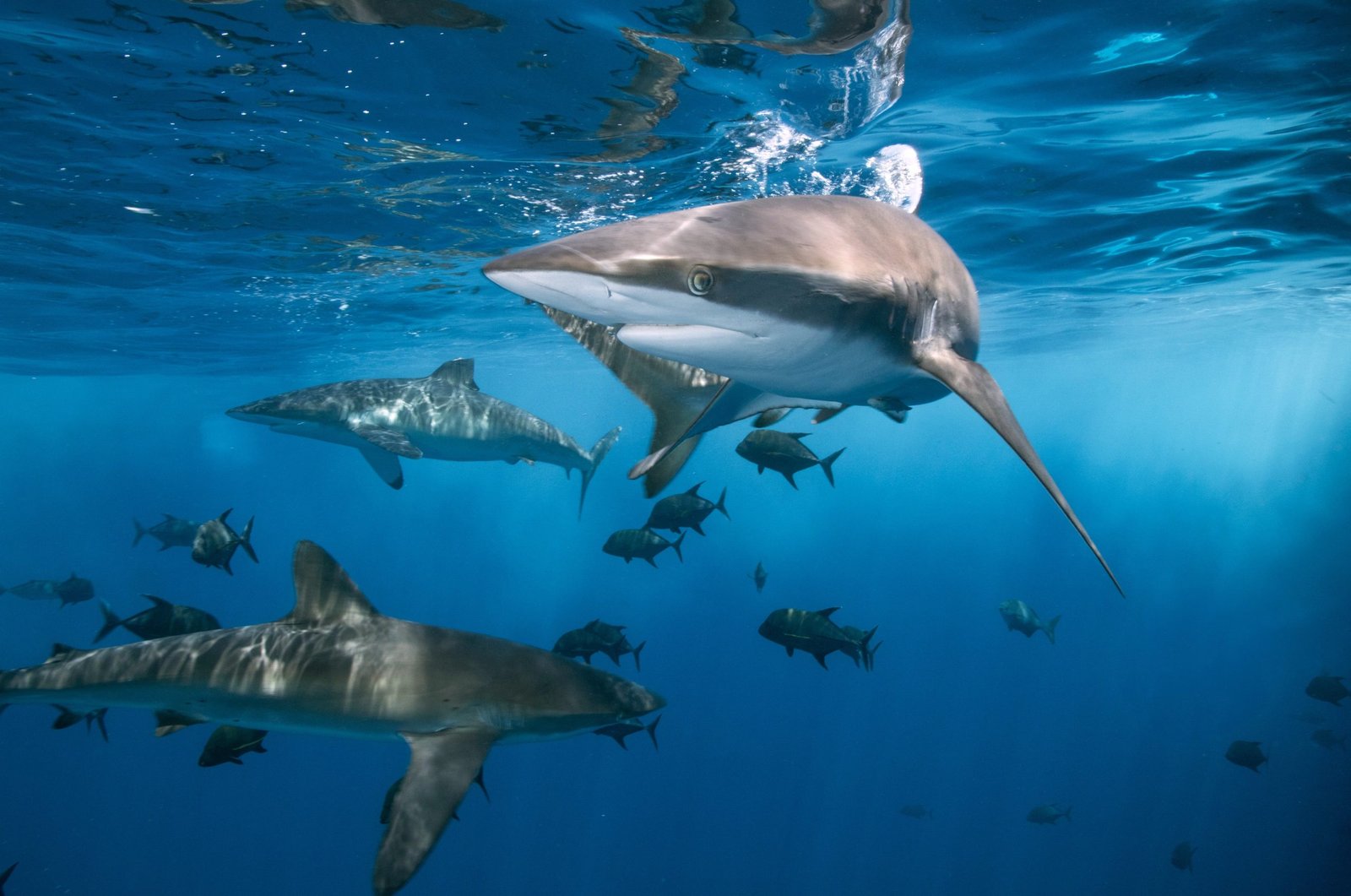
This unit cover topics such as plastic waste, by-catch and overfishing, and litter. Students use real-world data and statistical analysis to understand the issues and plan and implement projects to create change. The film serves as a call to action to conserve our oceans and protect marine life.
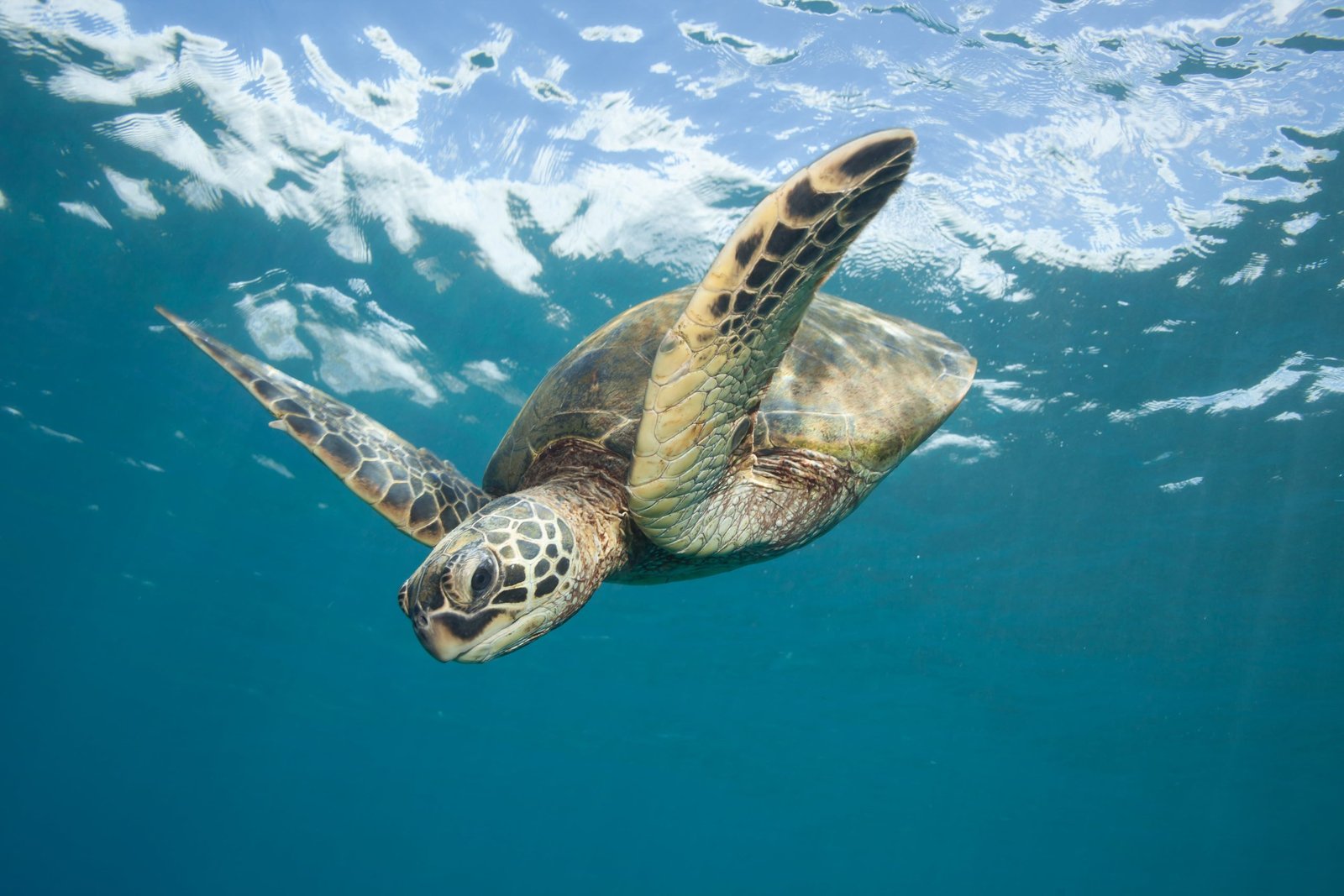
Blue The Film: Lessons for Ocean Advocacy
This unit uses film clips to inspire lessons on ocean issues like plastic pollution, unsustainable fishing, marine reserves, and threats to marine life, including turtles and shearwaters.
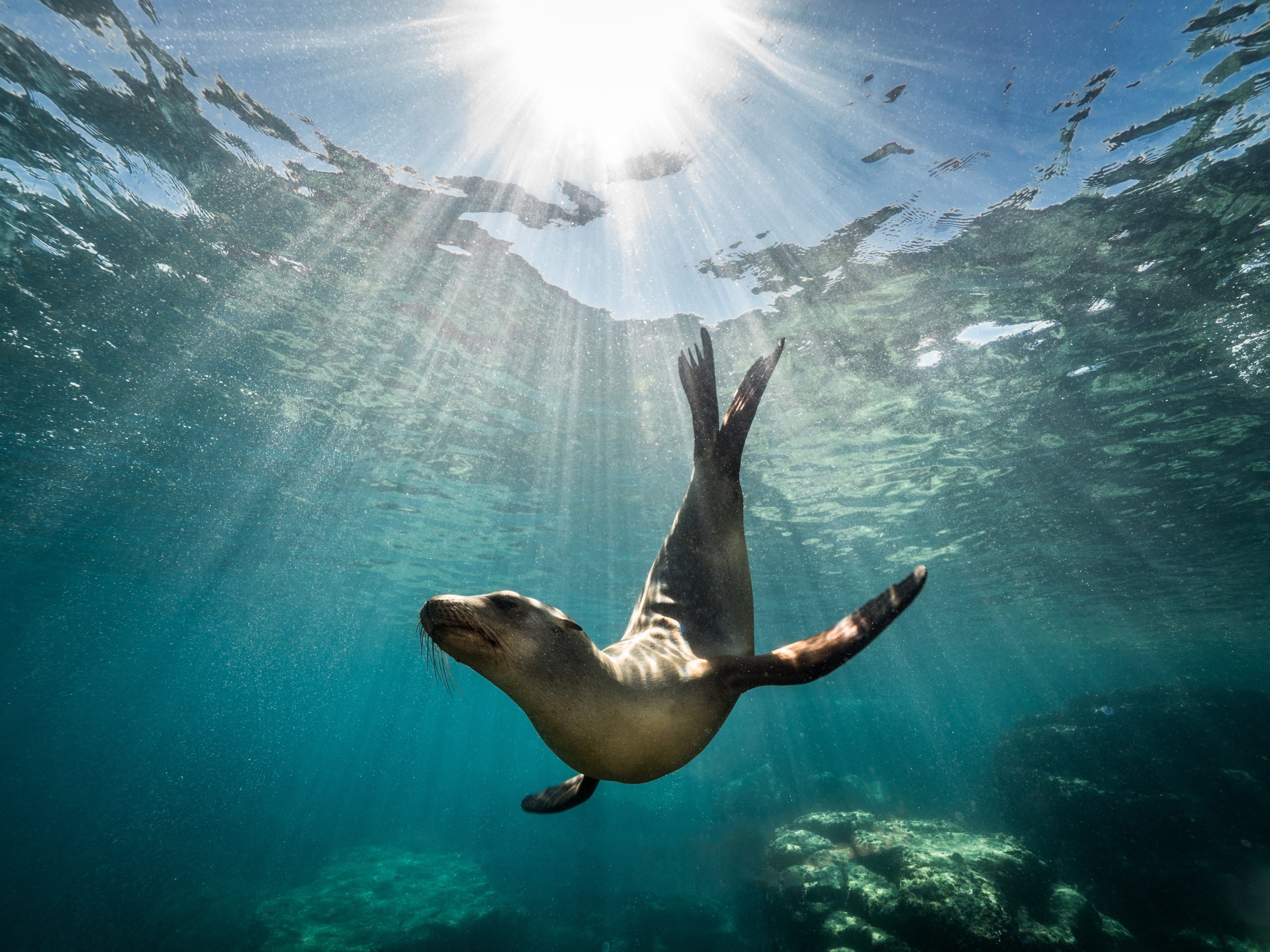
Seal the Loop: Exploring Marine Conservation
This unit engages students in inquiry-based activities on marine conservation, exploring pollution’s causes and effects, conducting waste decomposition experiments, and collaborating on conservation ideas to foster critical thinking, problem-solving skills, and a deeper appreciation of ocean ecosystems.