
Habitat restoration: Communicating, Design and Production, Mathematics
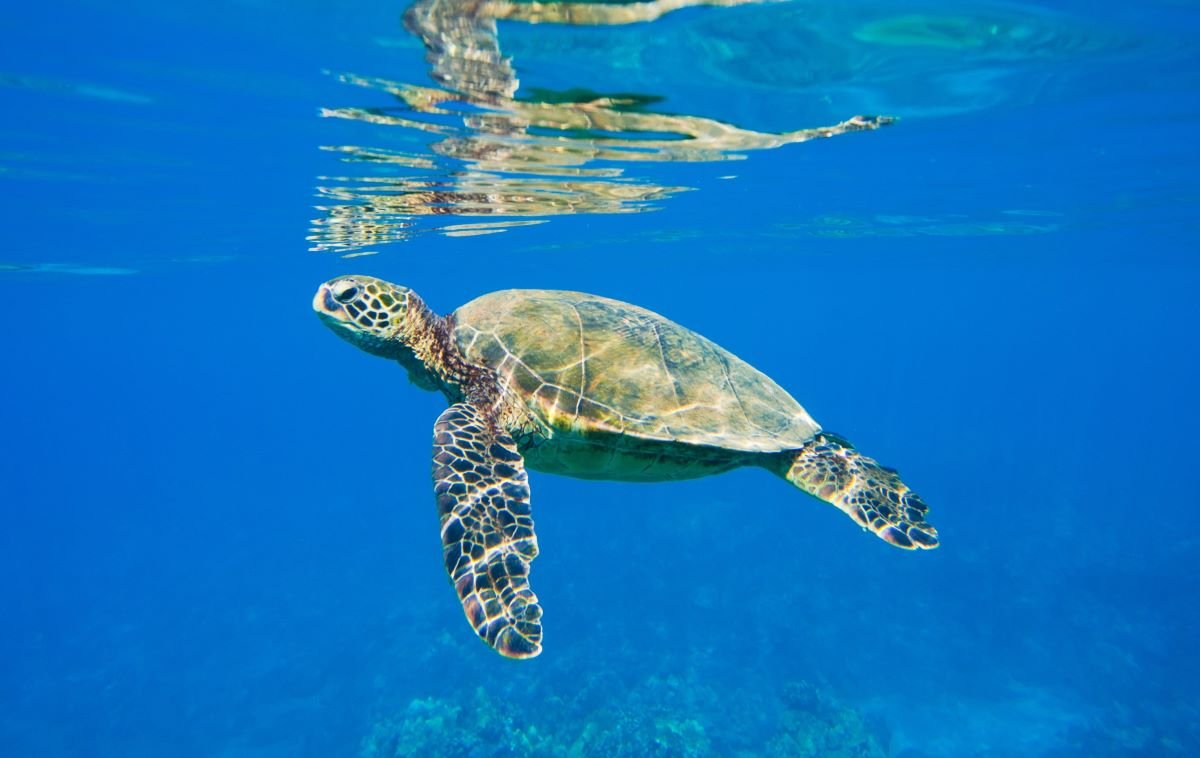
This resource uses engaging videos to explore marine conservation, animal classification and sustainable consumer choices, helping students connect real-world conservation with science concepts. It includes inquiry-based classroom activities that support critical thinking and align with Australian Curriculum outcomes in Science and Sustainability.
Sharks: Secondary Sharks: Secondary unit
Students explore shark anatomy, adaptations, ecology, and conservation through inquiry-based, curriculum-linked learning activities and scientific case studies.
Oceans at Risk
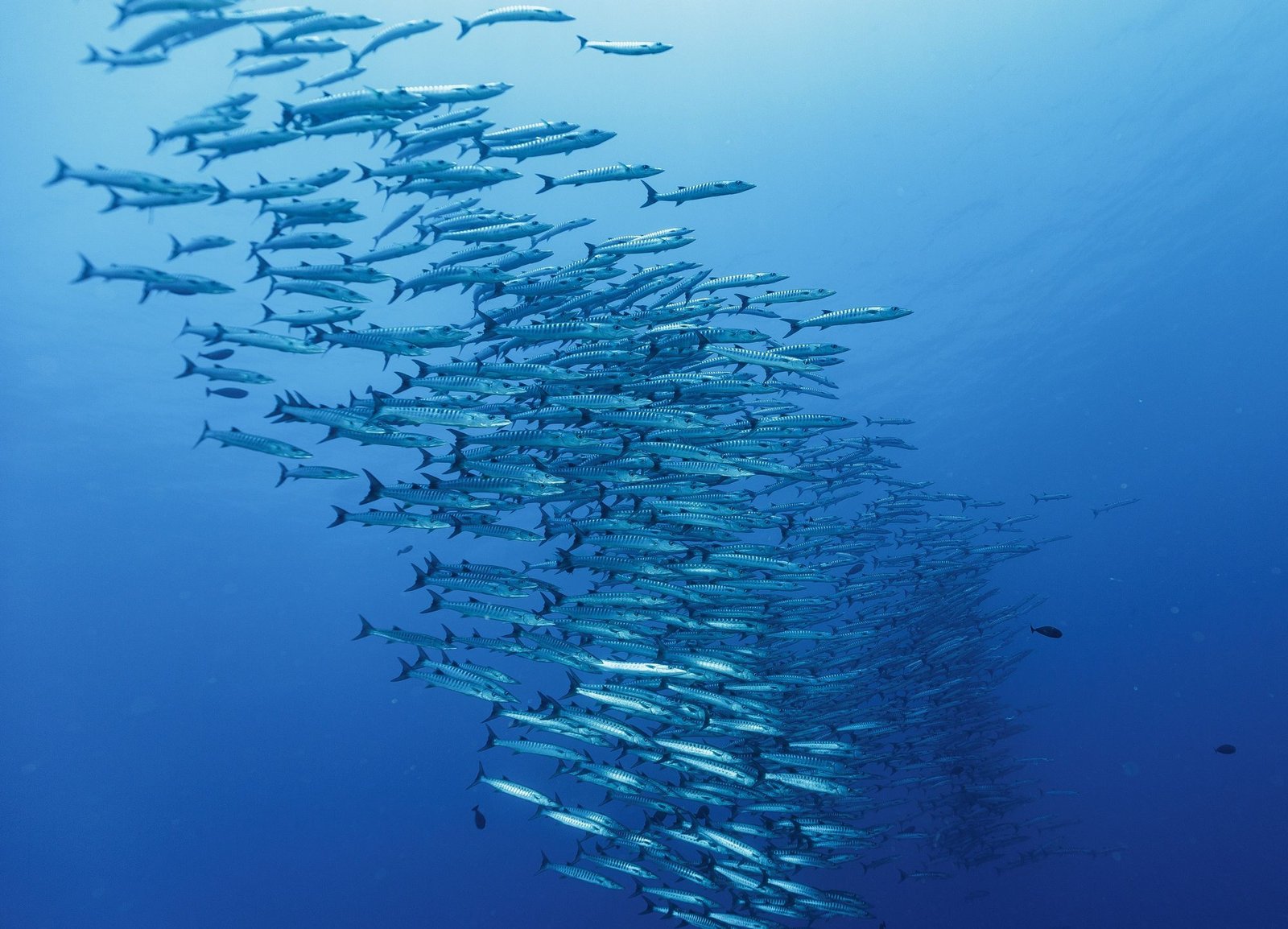
This Maths lesson enables students to consider how the ocean is essential for life on earth. Learners discover how the oceans are at risk from overfishing, and discuss what they can do about it.
Catalyst: Nautical Robots
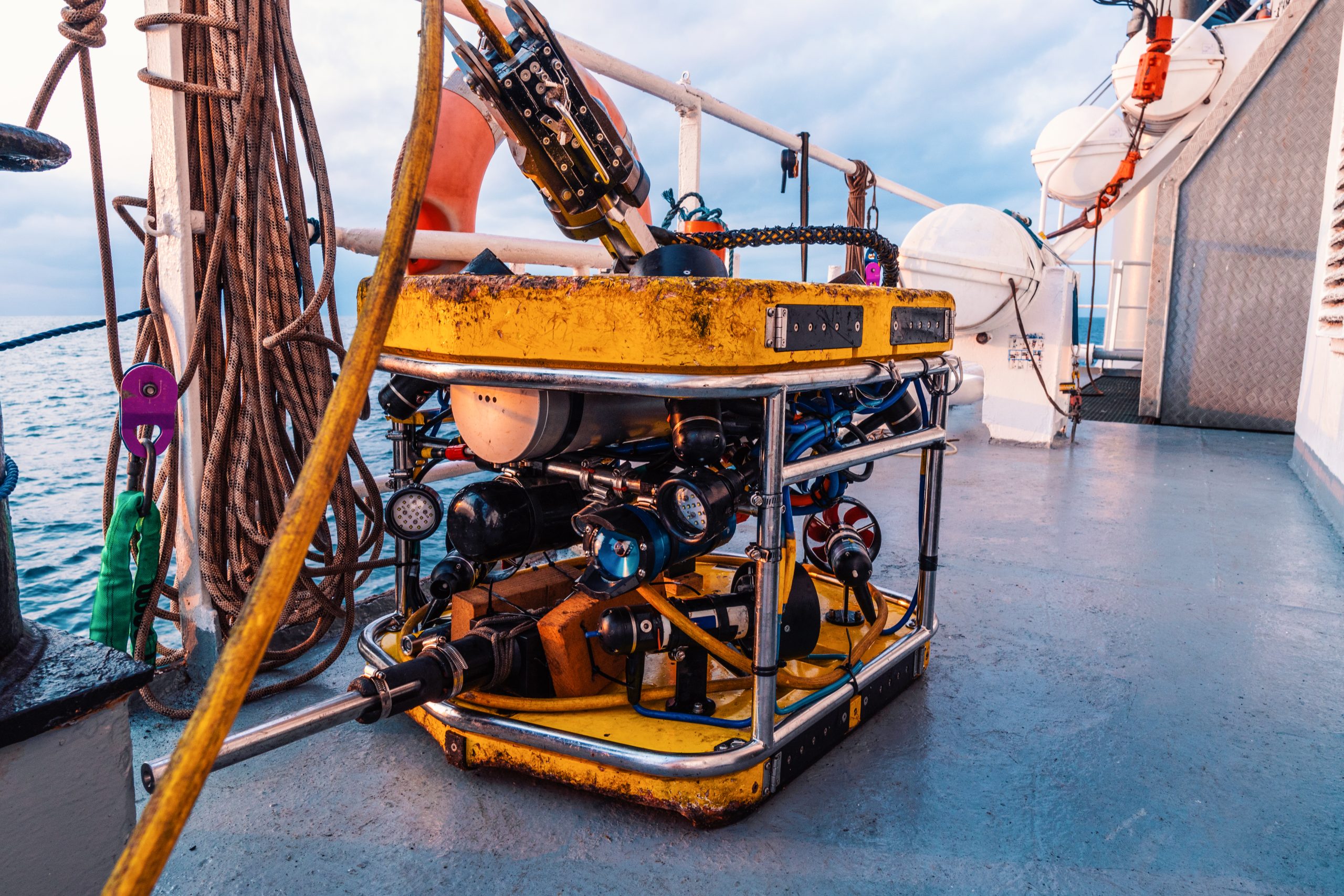
Watch the report by Ruben Meerman and discover how more than 3000 'nautical robots', known as argo floats, have been placed in the oceans to collect data on variations in temperature, pressure and salinity.
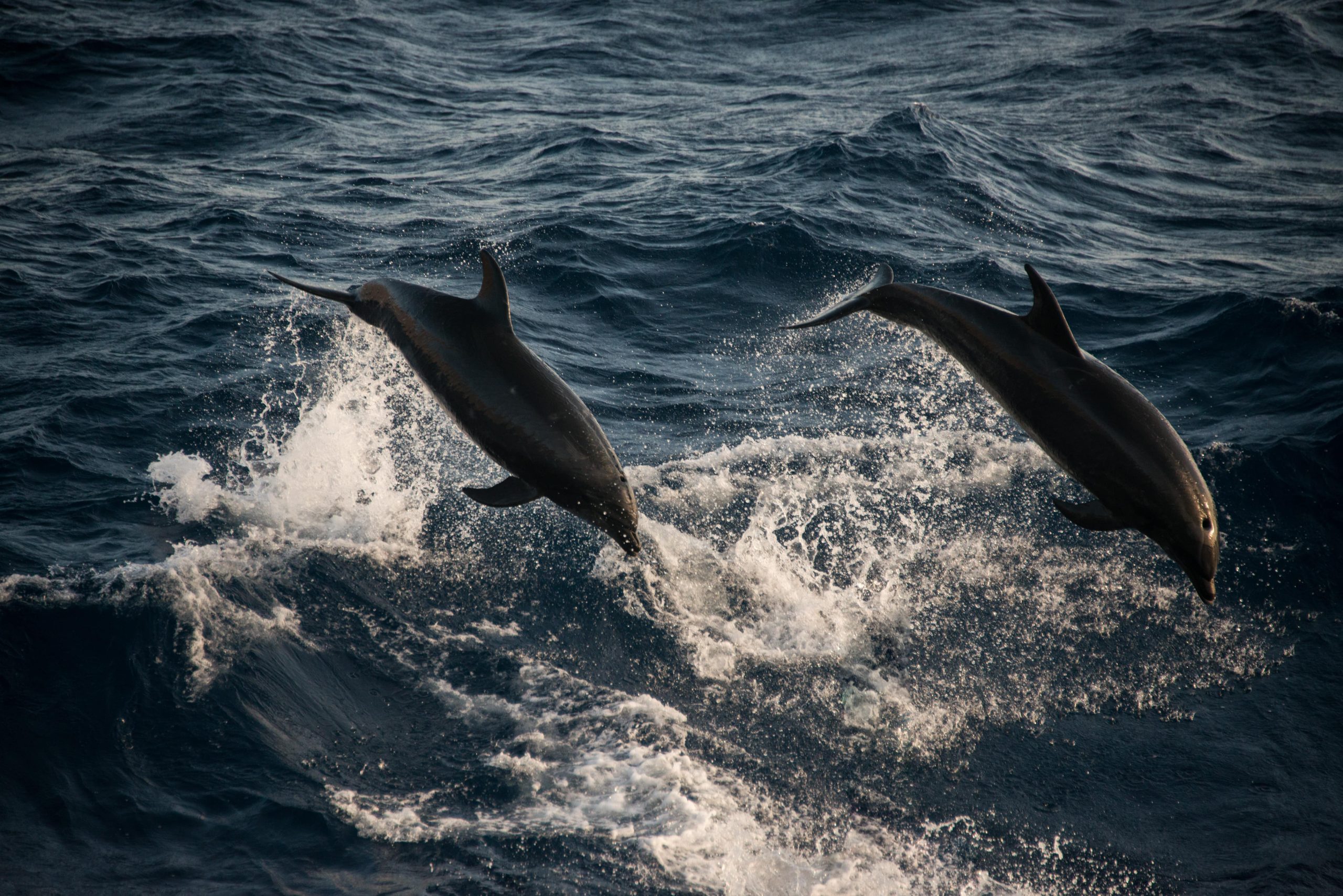
A Porpoiseful Problem – A real-life marine STEM problem-solving session
External provider Cetacean Science Connections, uses design-based thinking to get students to investigate and attempt to solve how we can ‘count’ the number of dolphins that reside in Port Phillip Bay. A real-life marine STEM problem that wildlife managers face when trying to determine how best to conserve our wildlife.
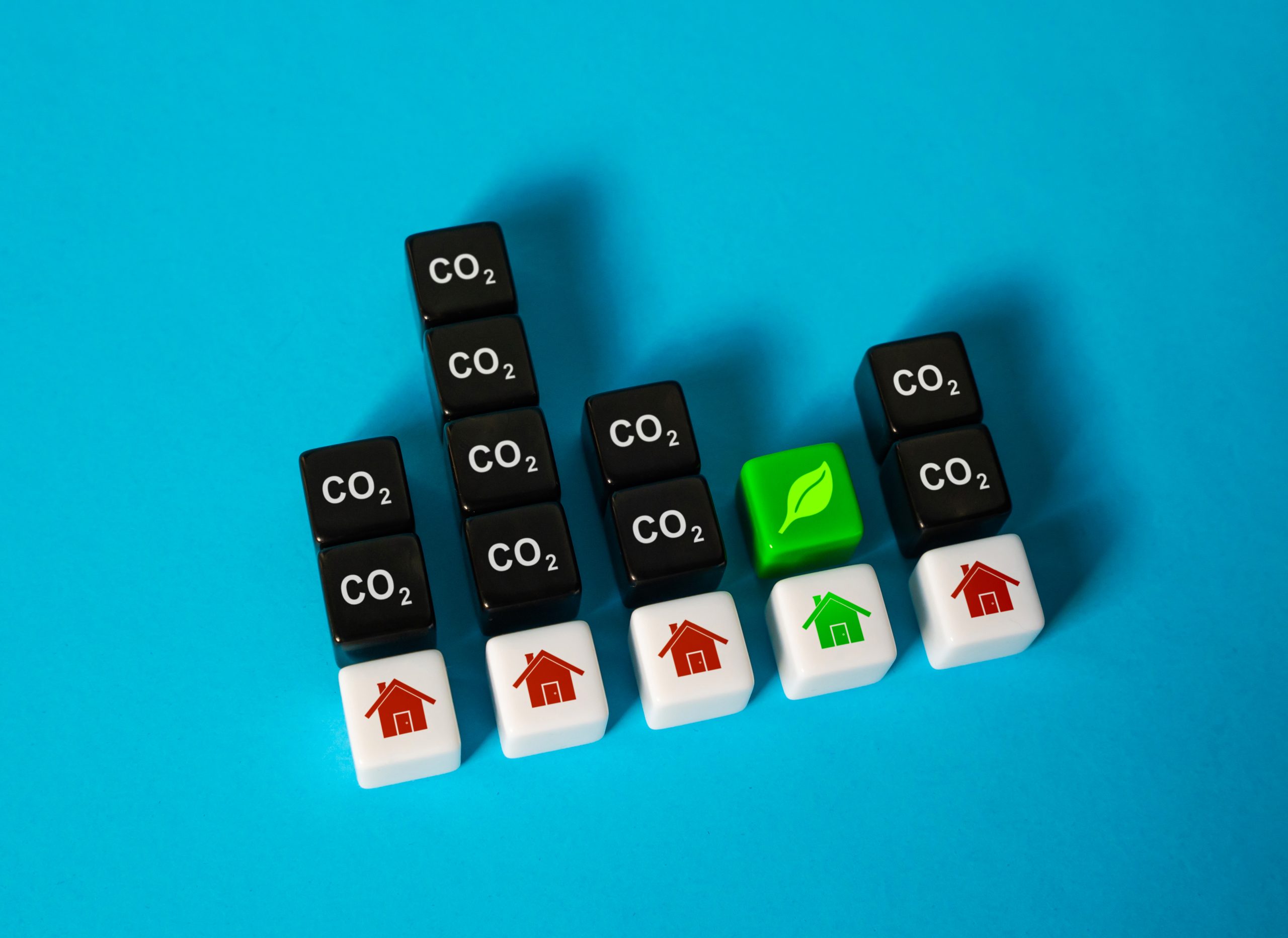
2040: Understanding CO2 and Its Implications
Mathematics. This unit introduces climate change through mathematics, guiding students in analysing CO₂ data, calculating emissions, comparing global carbon footprints, and creating an action plan to reduce household carbon output.
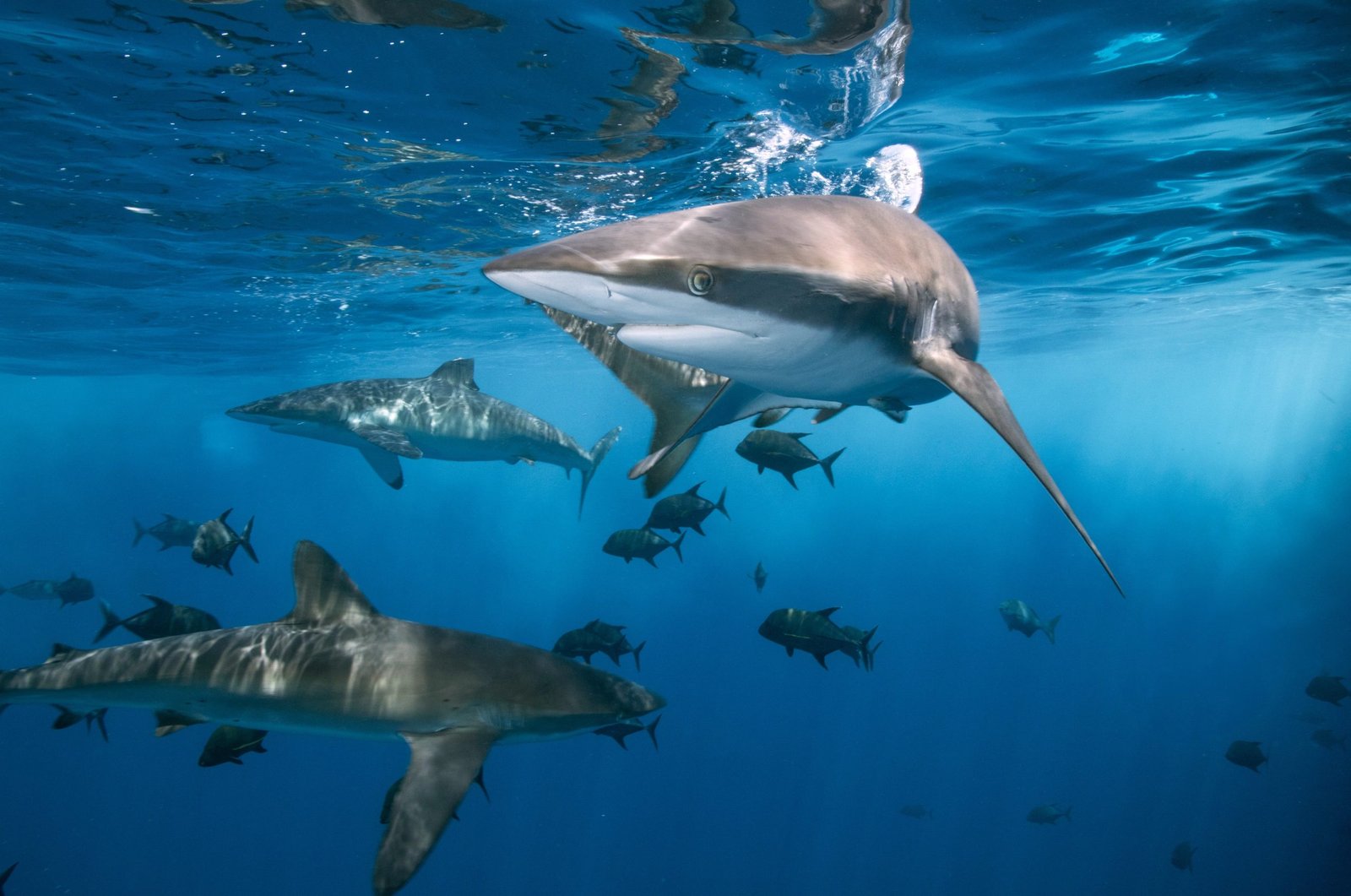
Blue The Film: Action for Change
This unit cover topics such as plastic waste, by-catch and overfishing, and litter. Students use real-world data and statistical analysis to understand the issues and plan and implement projects to create change. The film serves as a call to action to conserve our oceans and protect marine life.
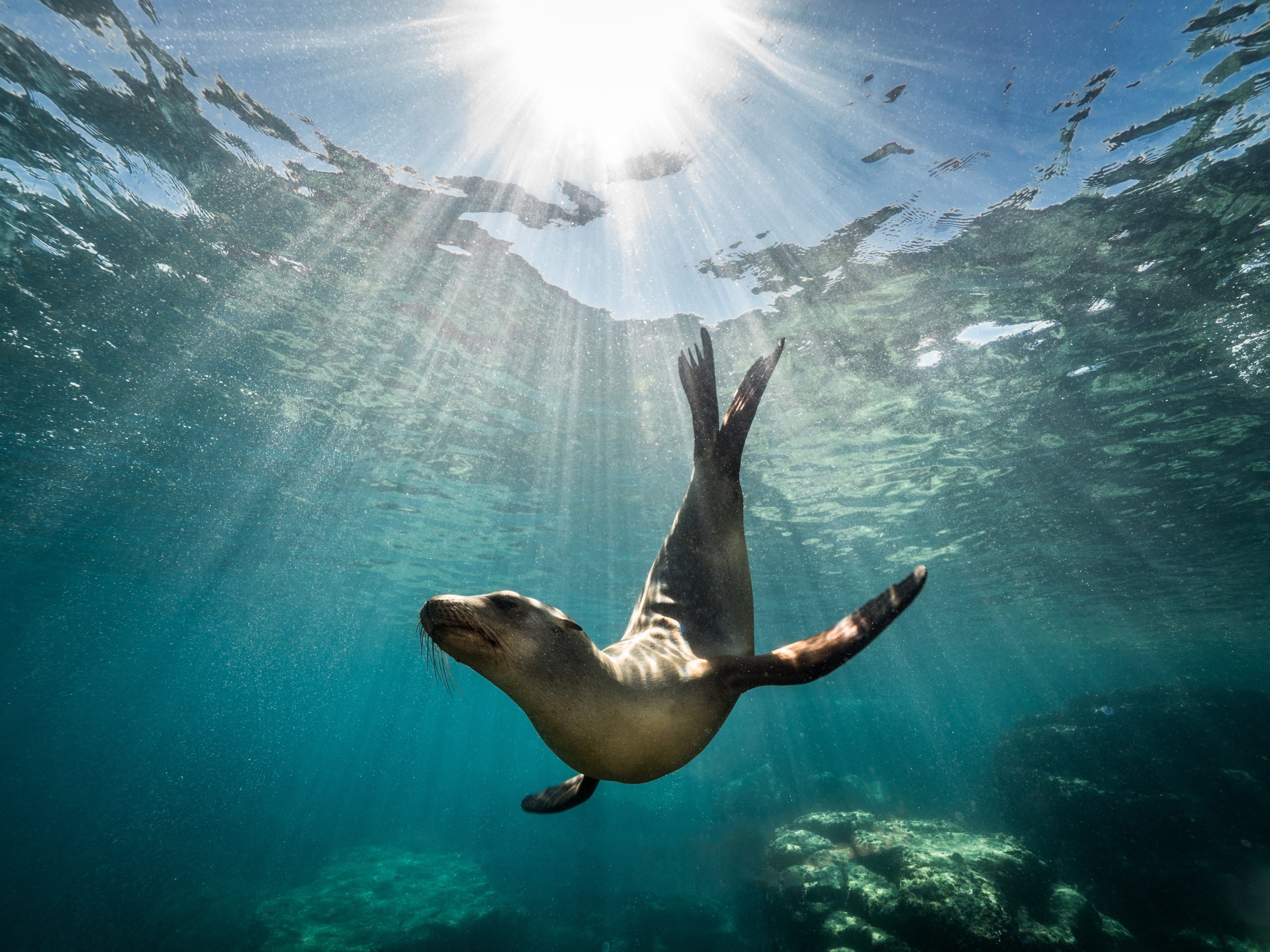
Seal the Loop: Exploring Marine Conservation
This unit engages students in inquiry-based activities on marine conservation, exploring pollution’s causes and effects, conducting waste decomposition experiments, and collaborating on conservation ideas to foster critical thinking, problem-solving skills, and a deeper appreciation of ocean ecosystems.
Sustainability and the Environment
This unit aims to foster a sense of responsibility and encourage students to think critically about their impact on the environment.