
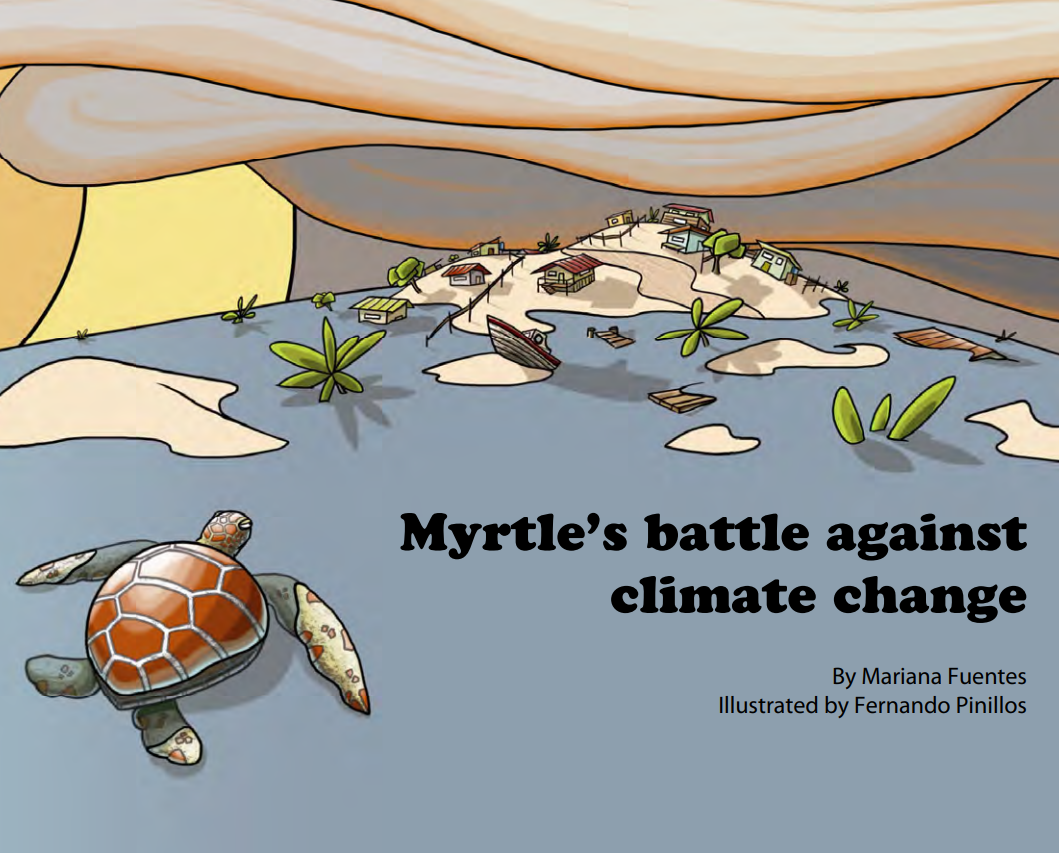
Myrtle’s battle against climate change
This educational story based on real research about sea turtles and the impacts of climate change in the northern Great Barrier Reef. It follows a satellite-tagged turtle named Myrtle to show how changing ocean conditions, especially warming seas and habitat loss, affect turtle survival and highlight the importance of protecting marine ecosystems.
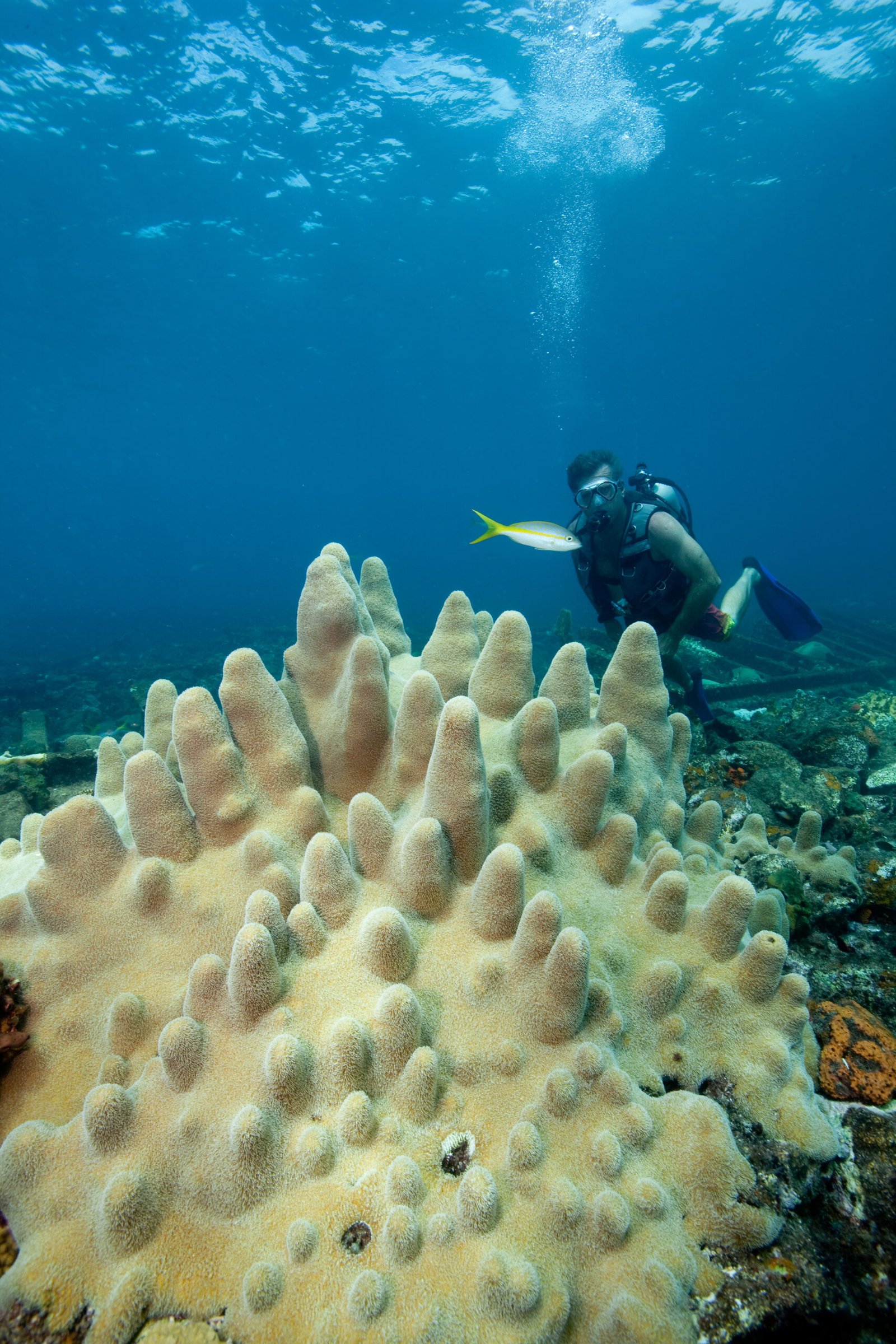
Impacts of climate change on the Great Barrier Reef
Students investigate the impacts of climate change on coral reef ecosystems, including coral bleaching, reef biodiversity, and conservation strategies through curriculum-linked activities and case studies.
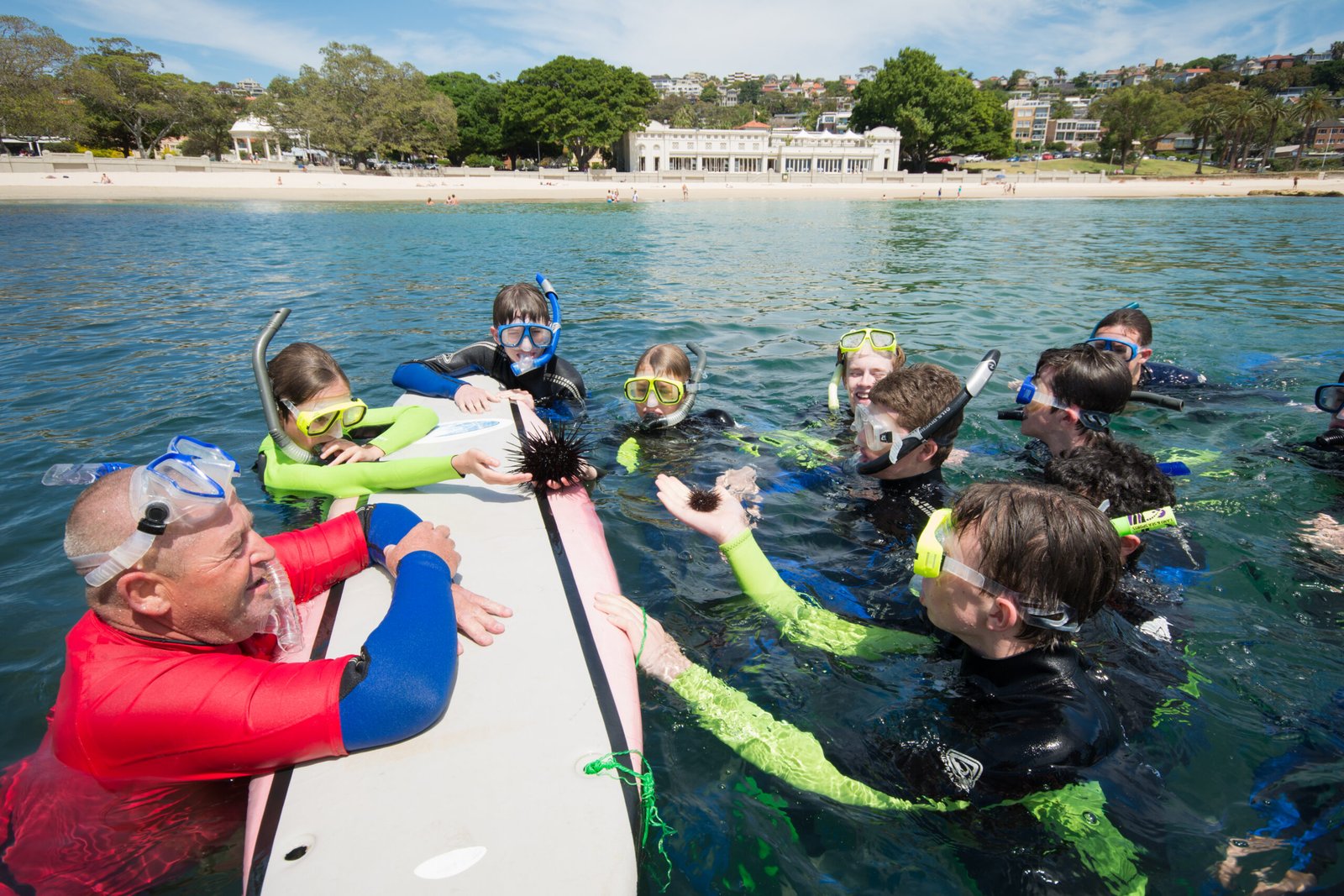
Land’s Edge Saltwater School
Land’s Edge Saltwater School offers experiential, curriculum-aligned field studies in Chowder Bay, Mosman, where students explore marine environments through direct observation, scientific investigation, and outdoor learning. Support your teaching with authentic ocean literacy experiences.
Southern Cross University SEA Program
Using a state-of-the-art marine research facility and the ecologically unique Solitary Islands as a backdrop, the National Marine Science Centre offers innovative field- and laboratory-based science activities for Primary and Secondary students. Working alongside enthusiastic scientists, students develop their scientific skills through hands-on, interactive, curriculum-based STEM activities. The SEA program is developed by our education staff to assist teachers in meeting the New South Wales Board of Studies/National Curriculum Key Learning Area outcomes.
NSW Marine Estate
This webpage includes activity books, lesson plans, teacher guides, marine estate fact sheets and information on marine-related career options to support primary school teaching about the NSW marine environment.
Oceans at Risk
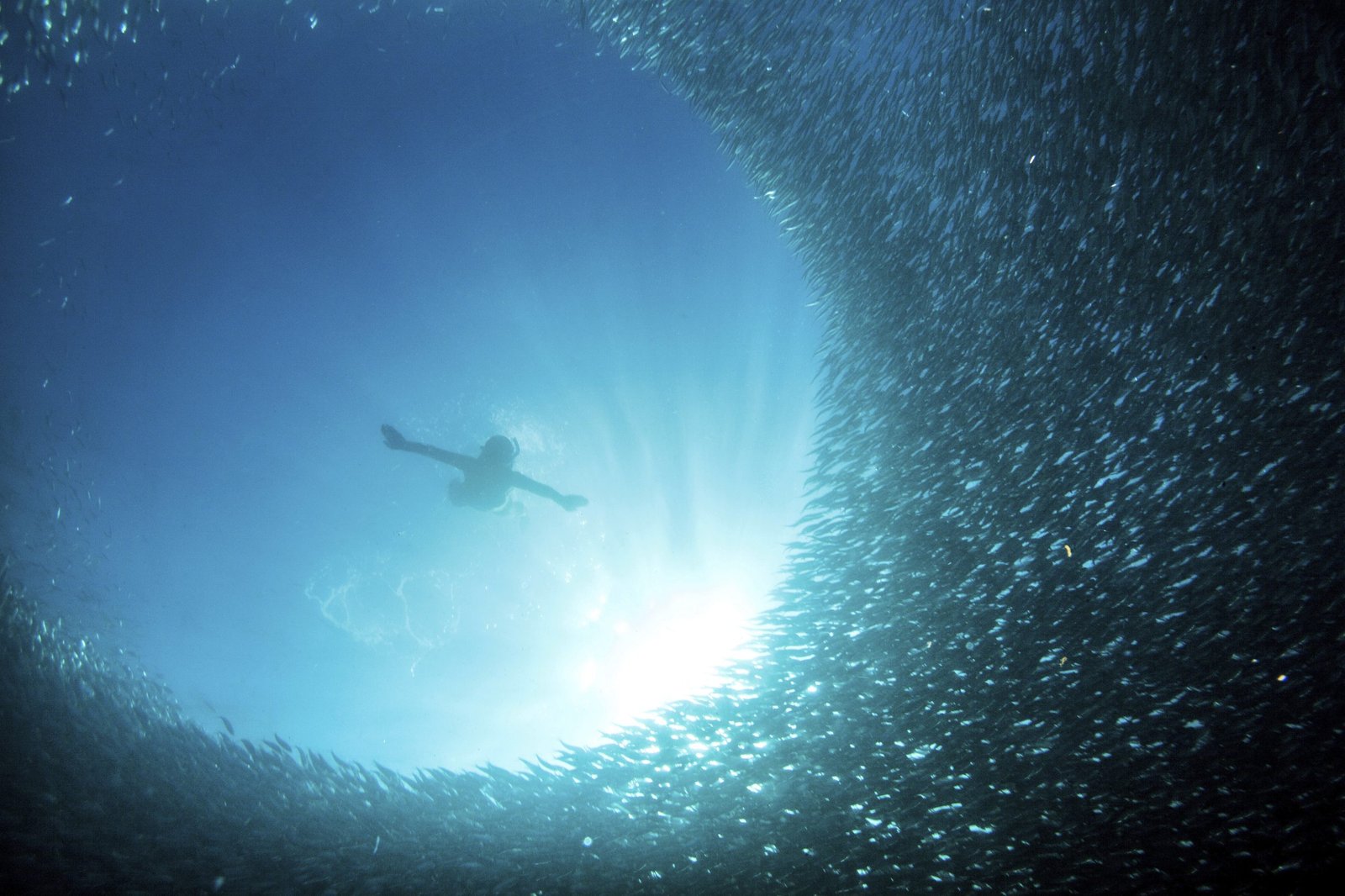
This HASS lesson asks students to consider how the ocean is essential for life on earth. Learners discover how the oceans are at risk from overfishing, and discuss what they can do about it.
Corals are Cool and Crucial
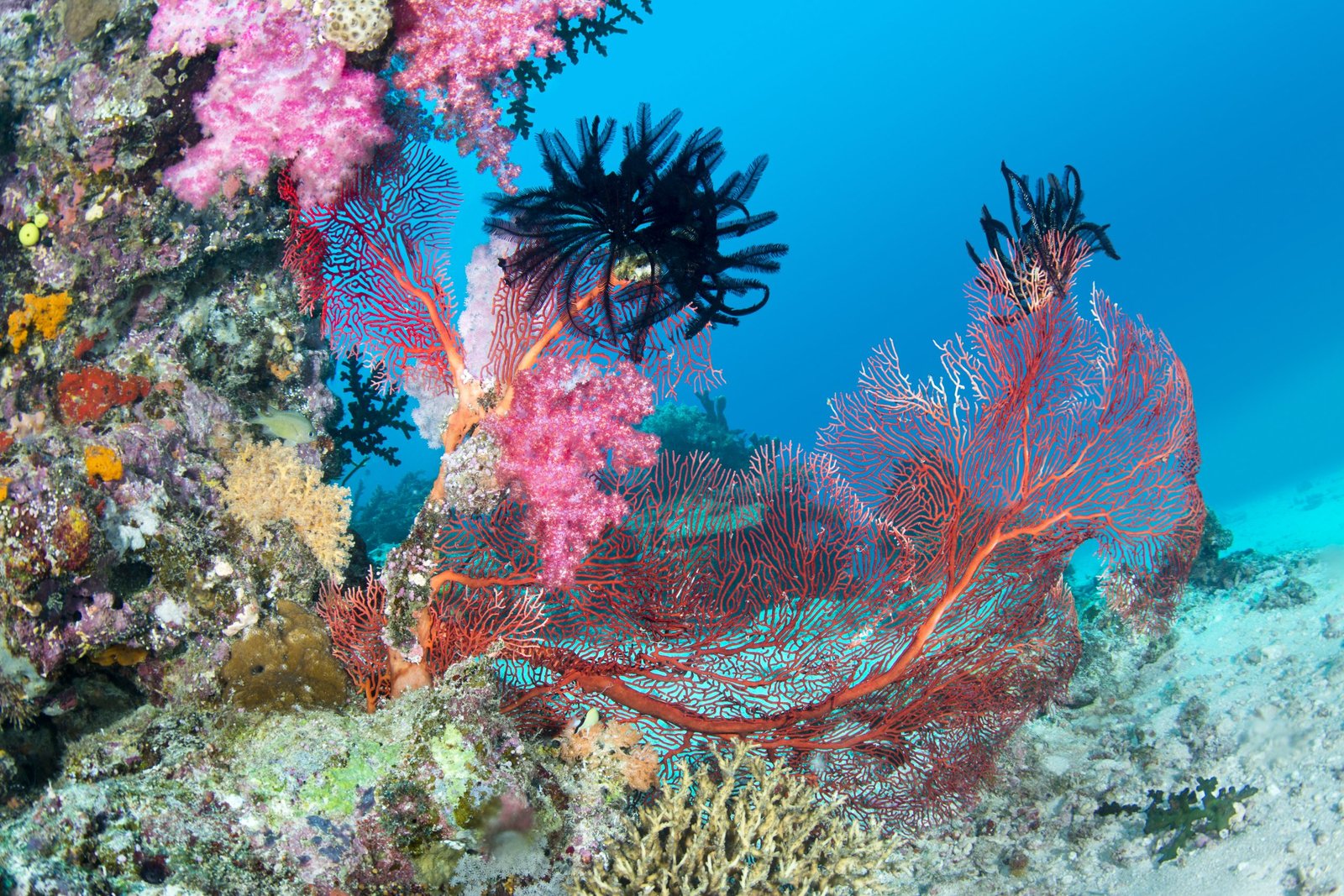
Students will explore the importance of the Great Barrier Reef and local reefs, investigating the coral lifecycle and the ways ocean life depends on interconnected relationships for survival. They will examine the threats posed by climate change and other human impacts, and discover how citizen scientists contribute valuable data on coral health. Through hands-on practice with virtual tools, students will monitor, collect, and analyse coral data. Finally, they will identify sustainable actions they can take in their daily lives and
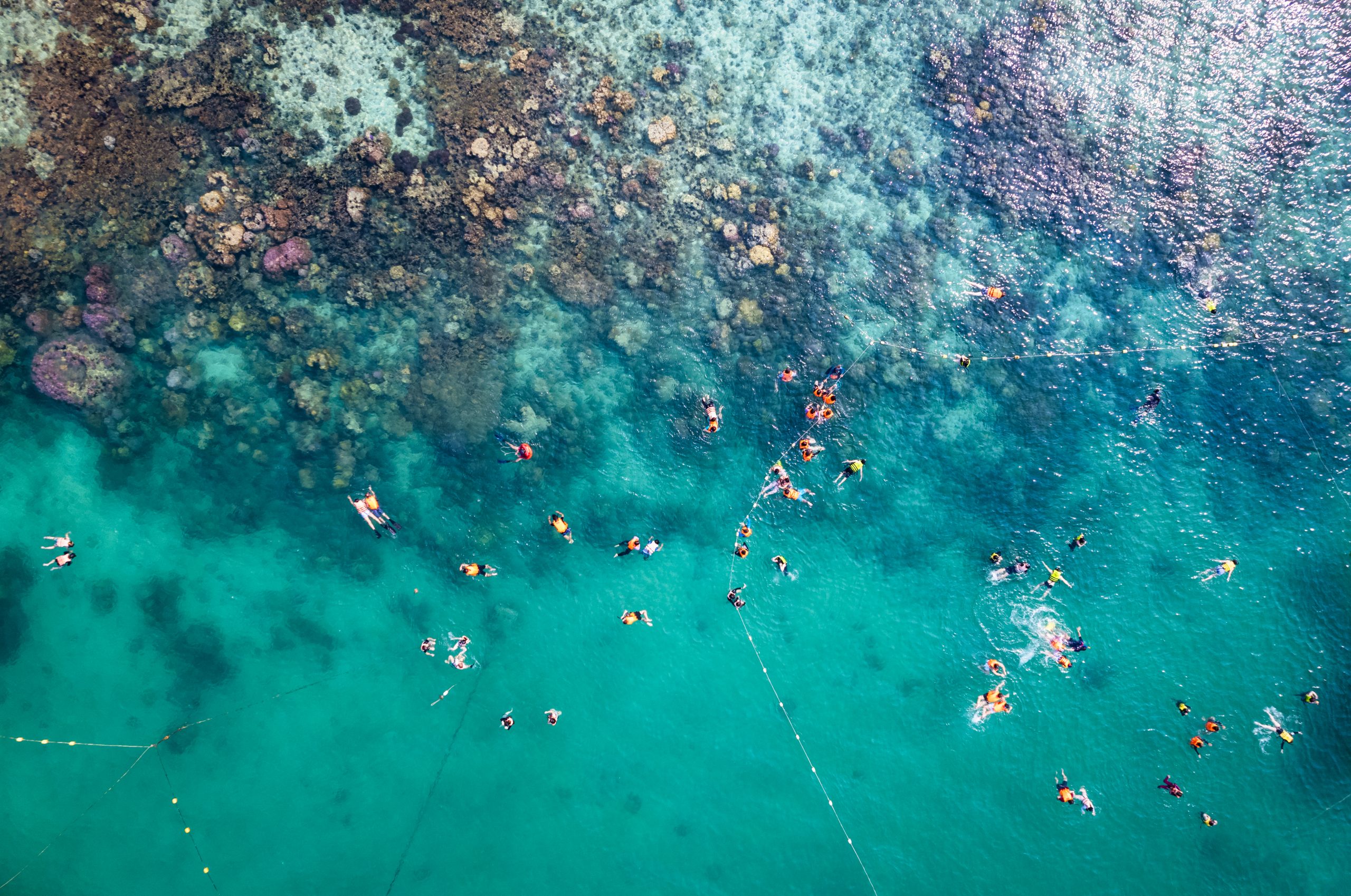
Reef Guardian School
Reef Guardians curriculum aligned education resources cover a range of topics to teach and learn about the Great Barrier Reef including climate change, World Heritage and Cultural values, sustainability, wetlands, threats and biodiversity. Follow the link to find resources, including our Reef Beat poster series, unit plans, activity sheets, videos and much more!
Investigating Ocean Acidification: Student Investigations
This investigation allows students to explore the impact of carbon dioxide on marine life, focusing on how acidification affects organisms with calcium carbonate shells and guiding students through experiments to test the effects of acid on these shells.
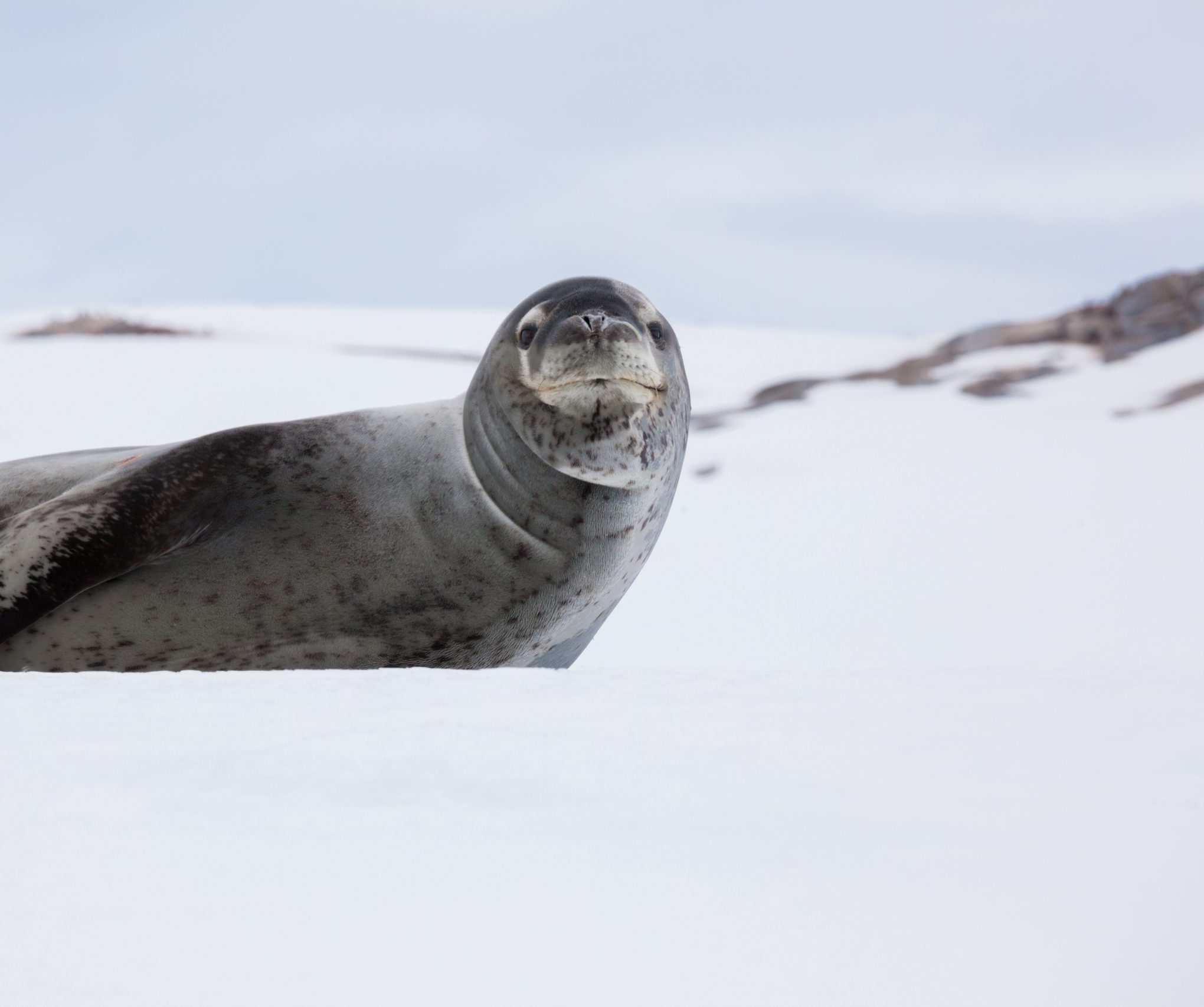
Catalyst: Seals help climate research
This video highlights how researchers are using seals to gather data on ocean temperatures, currents, and ice thickness, which are crucial for understanding climate change. The seals help collect valuable information from remote regions that are difficult for humans to access, providing new insights into the state of marine ecosystems and the impacts of climate change.