
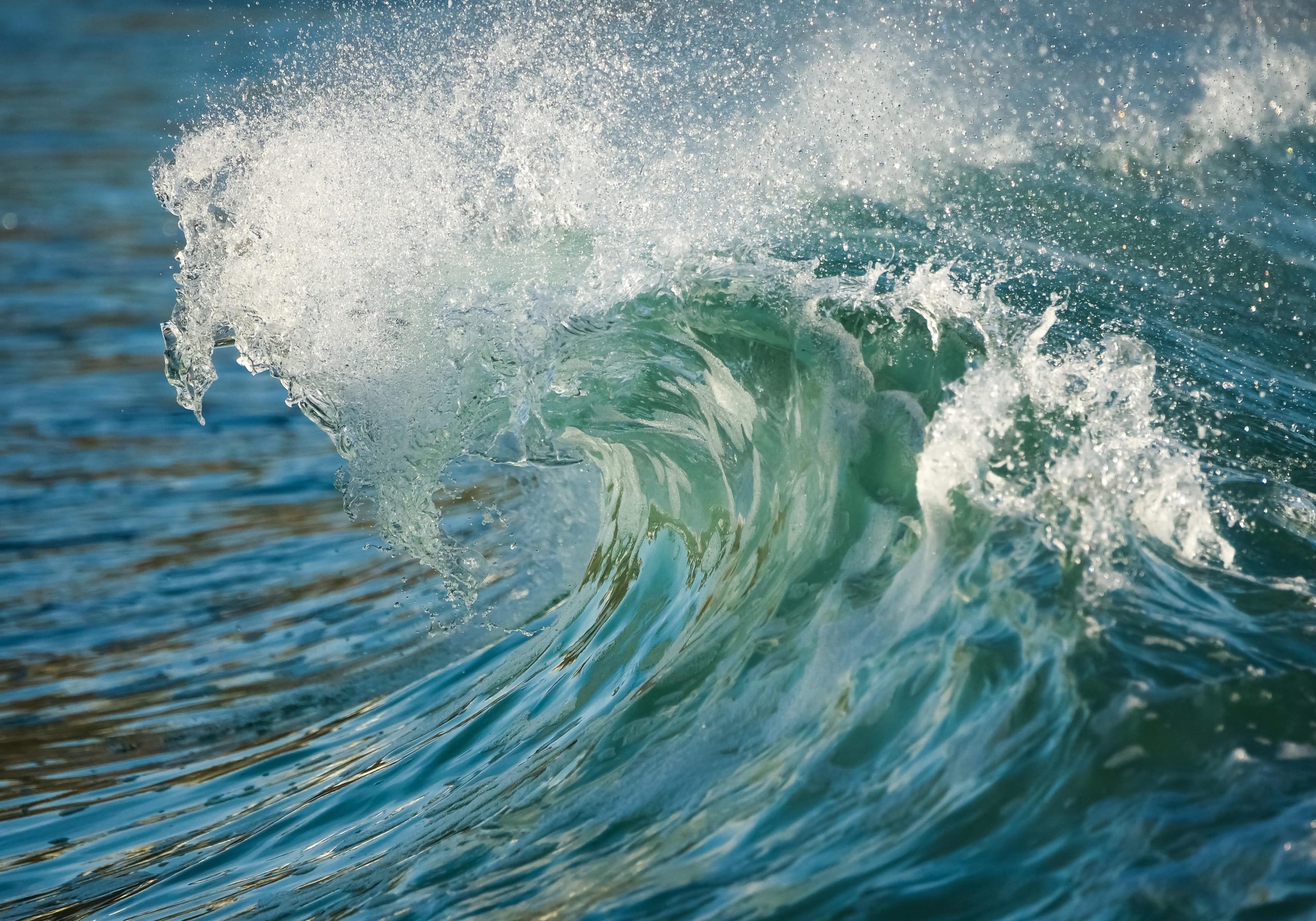
Waves supply nutrients to marine ecosystems
This video, along with reflection questions, explores the essential role of waves in marine ecosystems by helping to deliver nutrients that support plankton growth and other marine life, ultimately impacting the health of the ocean environment.

Finding Solutions: It’s a Marathon
This resource challenges students to explore innovative ways to reduce single-use plastics by creating biodegradable and edible water bottles from brown algae, incorporating experiments, chemical reactions, and design evaluations to learn about sustainability and environmental solutions.
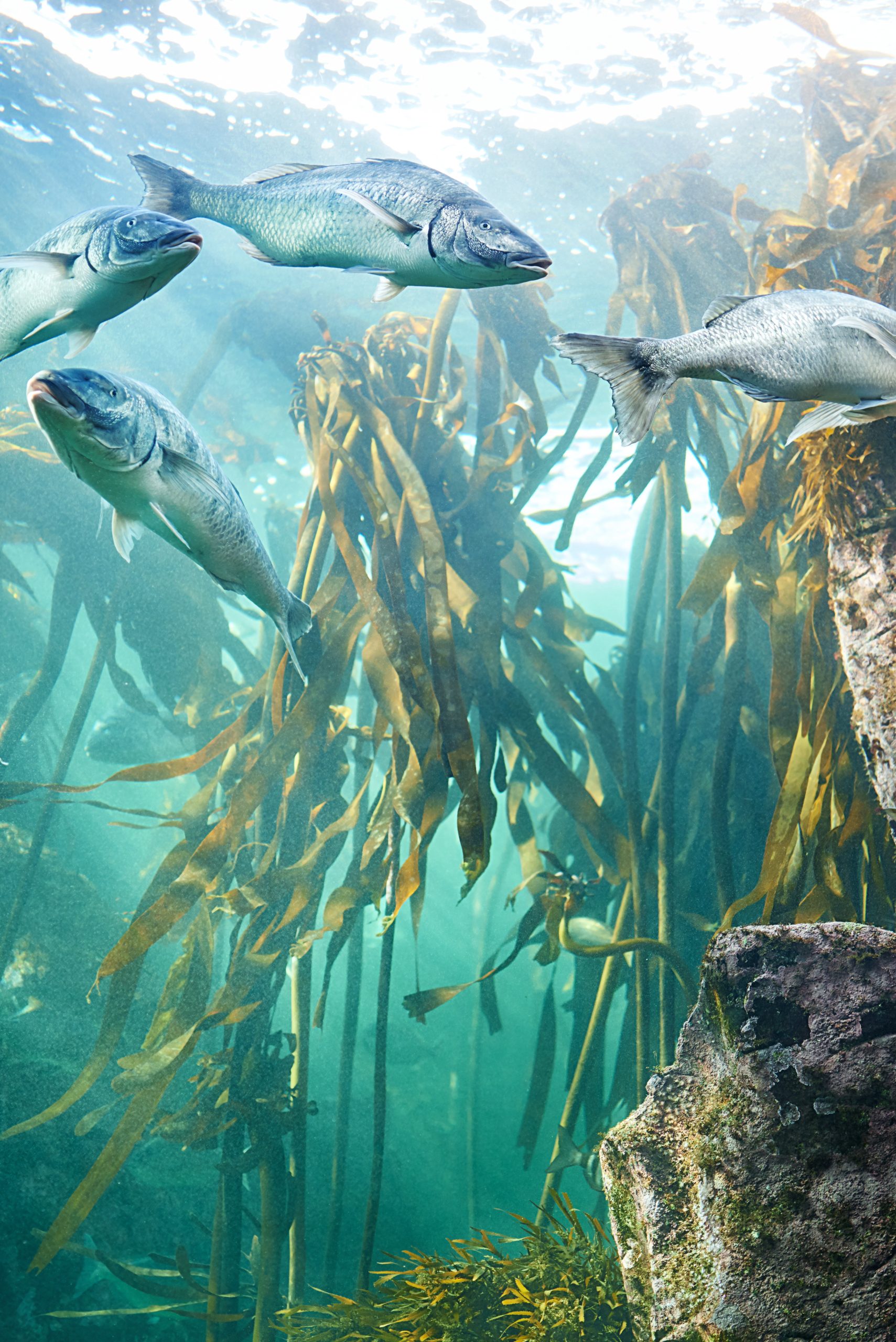
Revealing Marine Ecosystems: Teacher Resource Book
This book provides educators with resources and activities to explore marine ecosystems with students, focusing on the complexity of marine habitats and the effects of human activity on these environments.
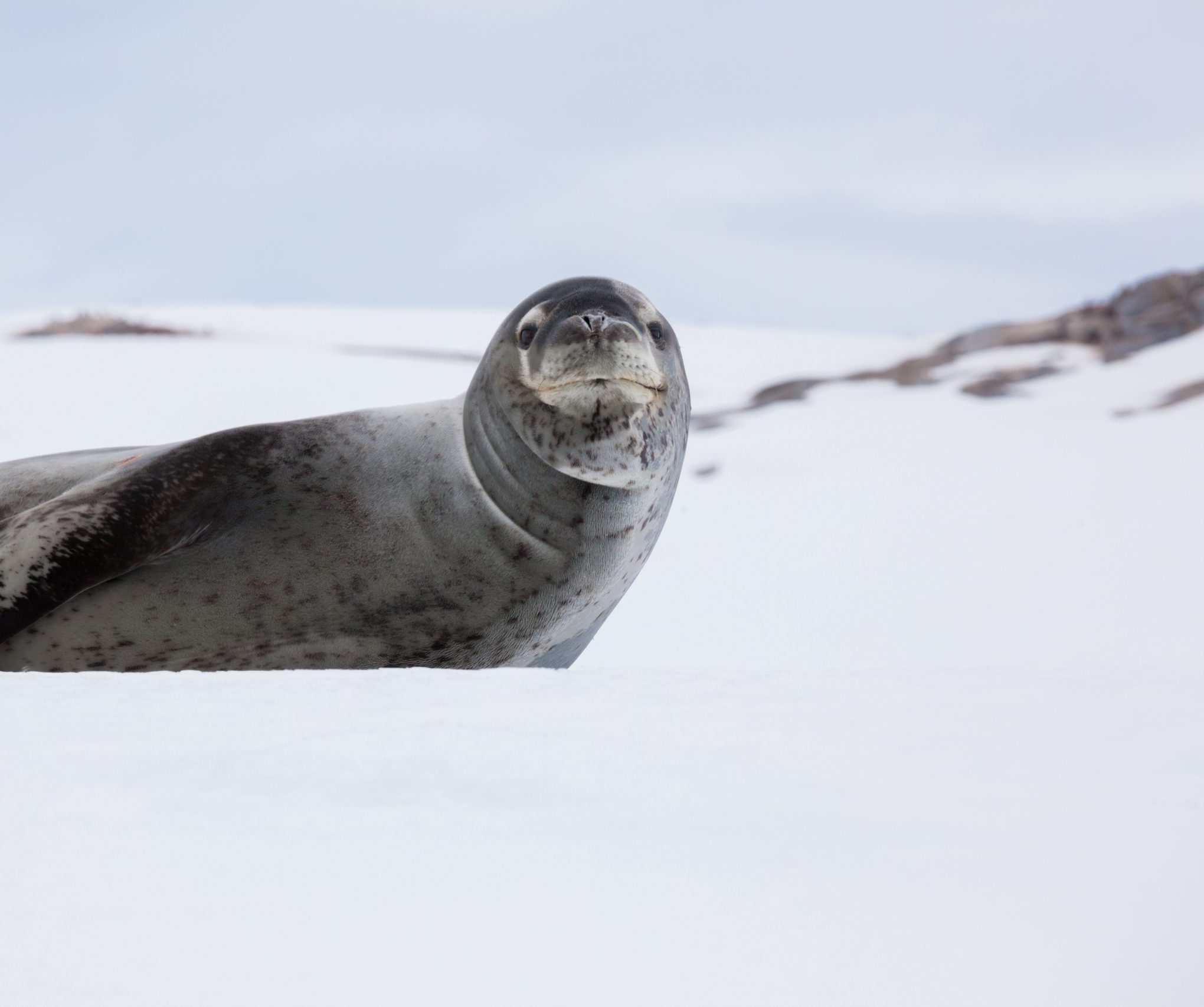
Catalyst: Seals help climate research
This video highlights how researchers are using seals to gather data on ocean temperatures, currents, and ice thickness, which are crucial for understanding climate change. The seals help collect valuable information from remote regions that are difficult for humans to access, providing new insights into the state of marine ecosystems and the impacts of climate change.
Acidic Oceans Experiment
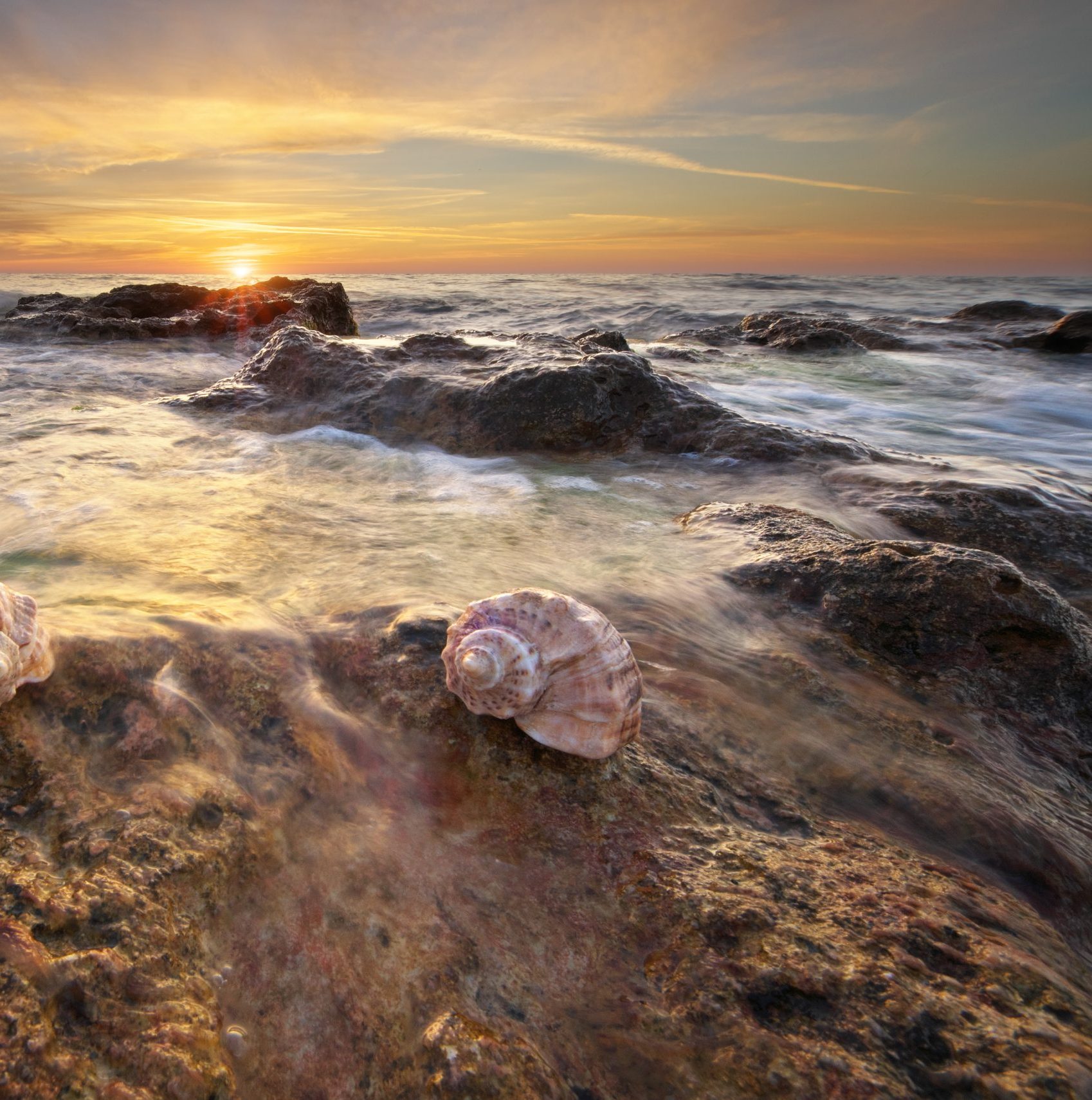
The "Acidic Oceans" activity demonstrates how ocean acidification, caused by increased carbon dioxide, affects sea creatures like crabs and clams, using a simple home experiment to simulate the impact of acidic conditions on shells.
Catalyst: Nautical Robots
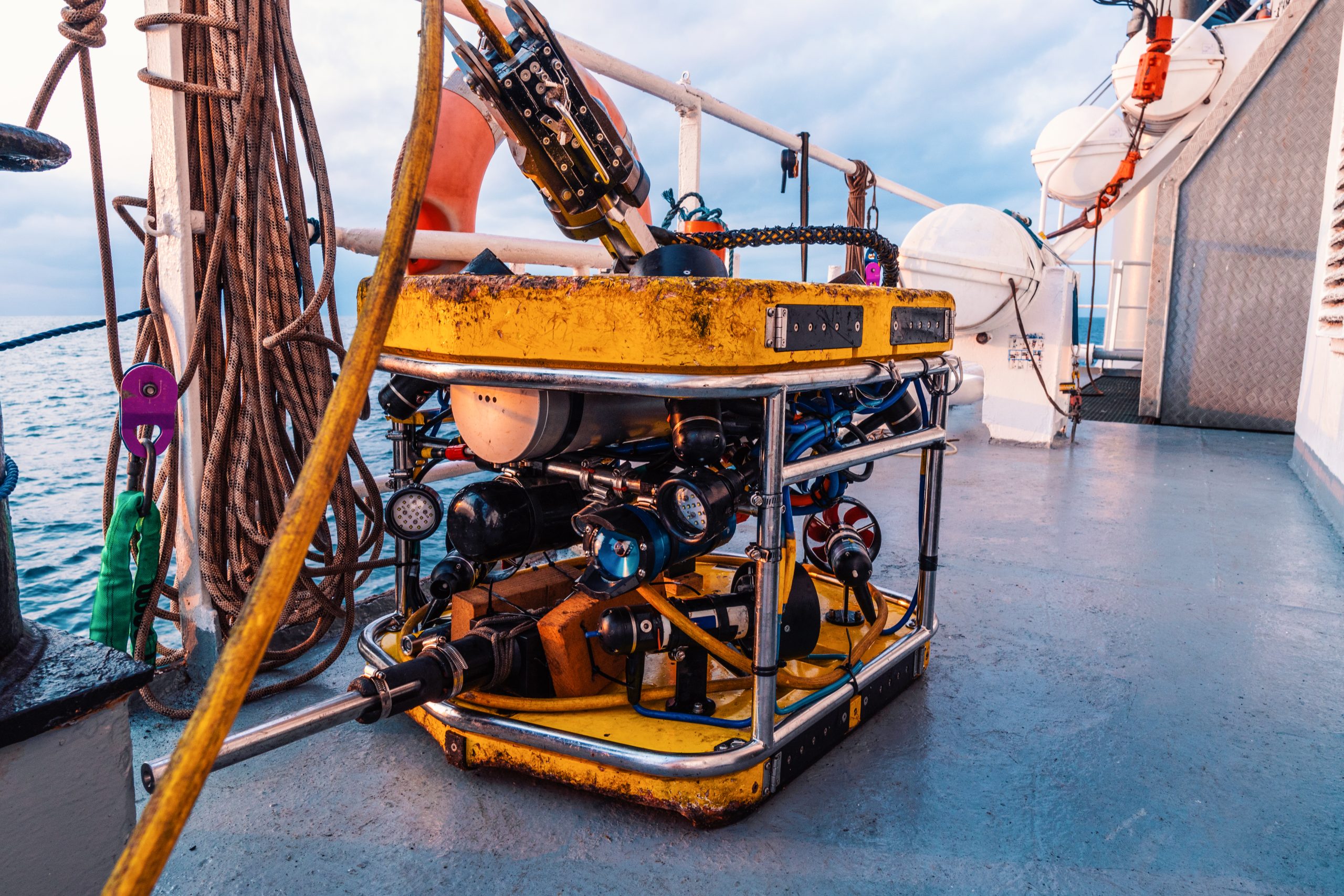
Watch the report by Ruben Meerman and discover how more than 3000 'nautical robots', known as argo floats, have been placed in the oceans to collect data on variations in temperature, pressure and salinity.
Exploring Australia’s Seafloor
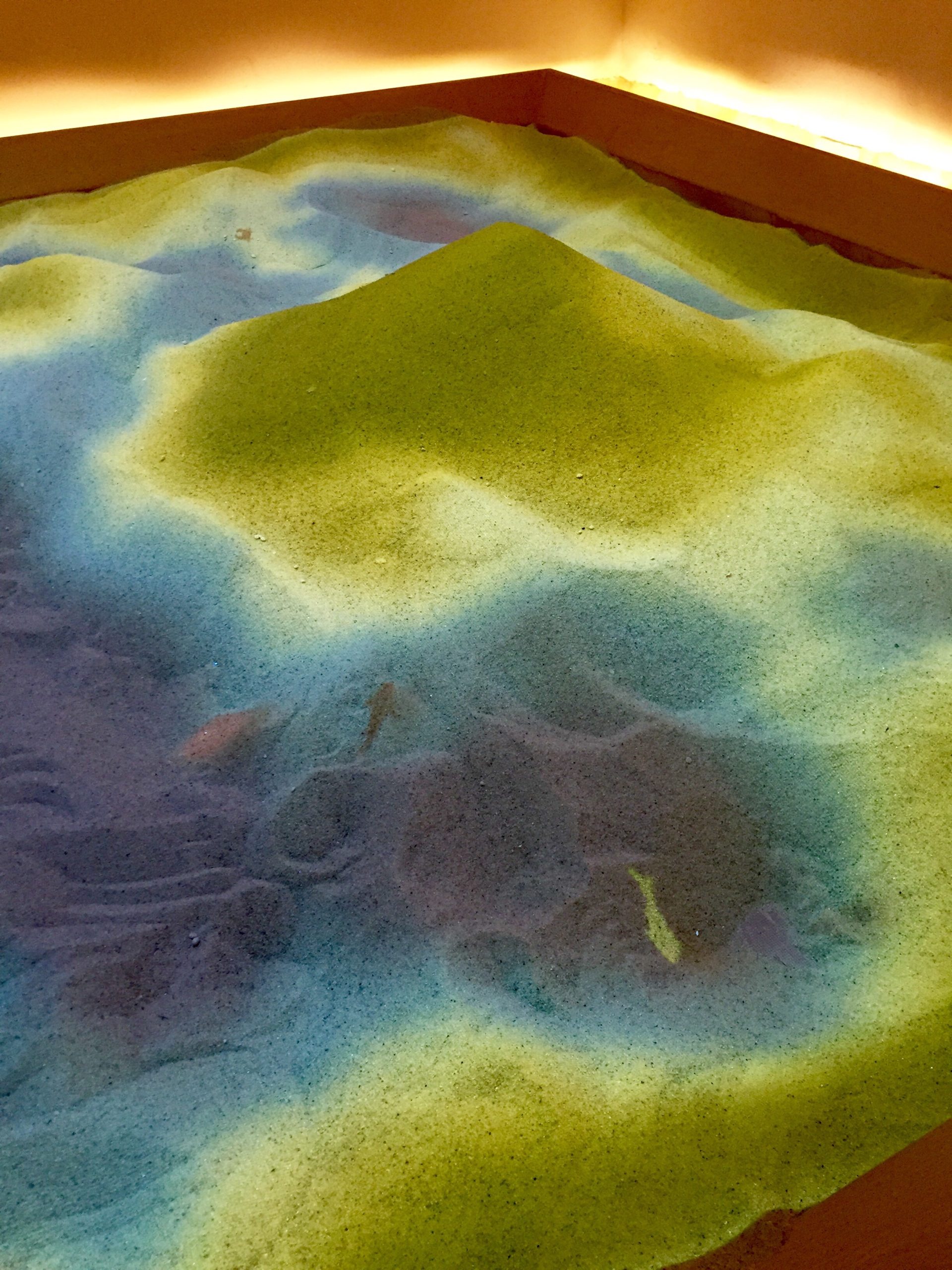
This video explains how marine scientists map the seafloor and the various uses for these maps. It also introduces unique and mysterious sea creatures found in the deep ocean, exploring the experiences of a marine scientist and their passion for glass sponges, infauna, and bioluminescent animals.
Marine Food Webs and Overfishing
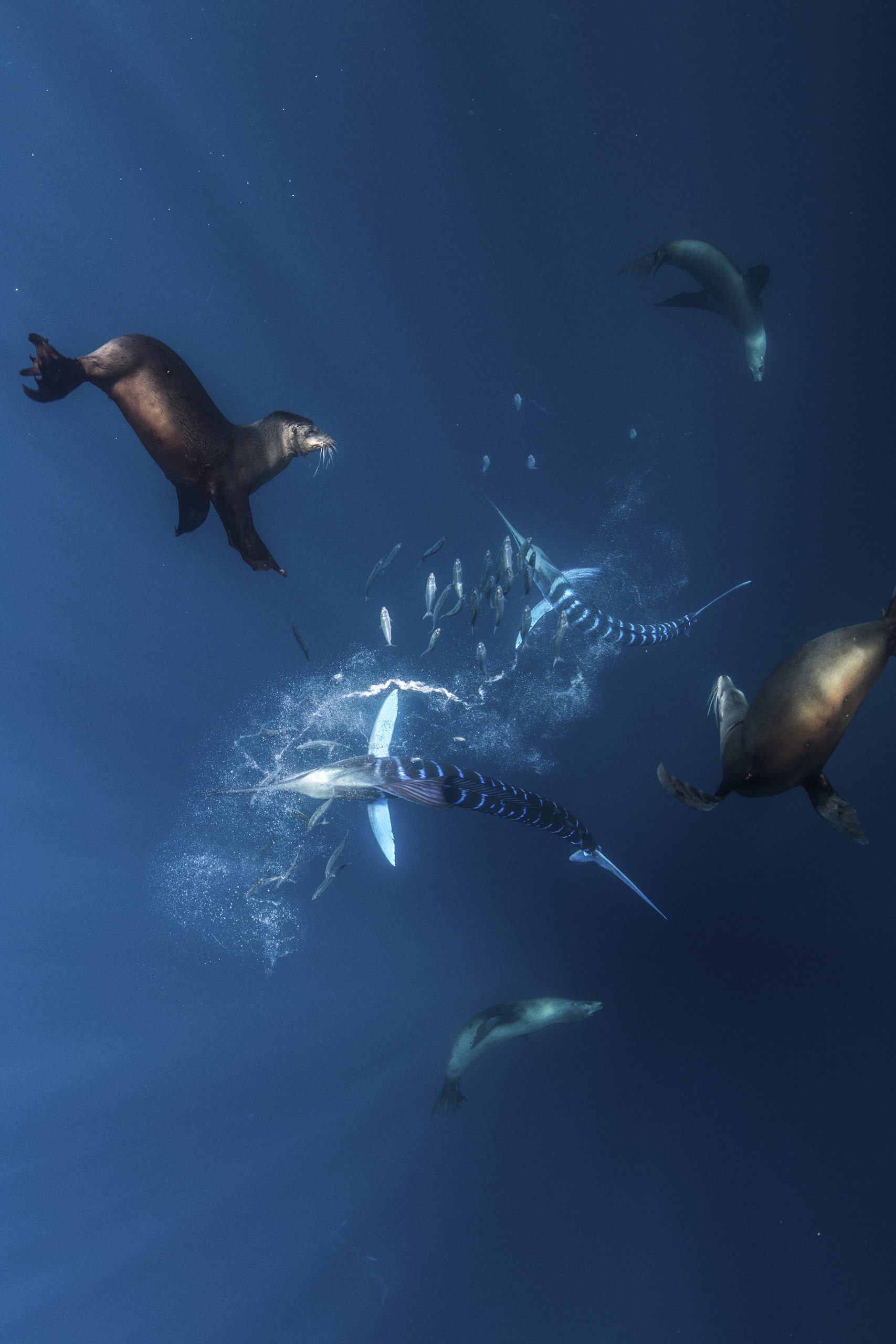
Explore how food webs work in the marine environment, the consequences of overfishing on ocean life, and how sustainable fishing protects marine ecosystems.
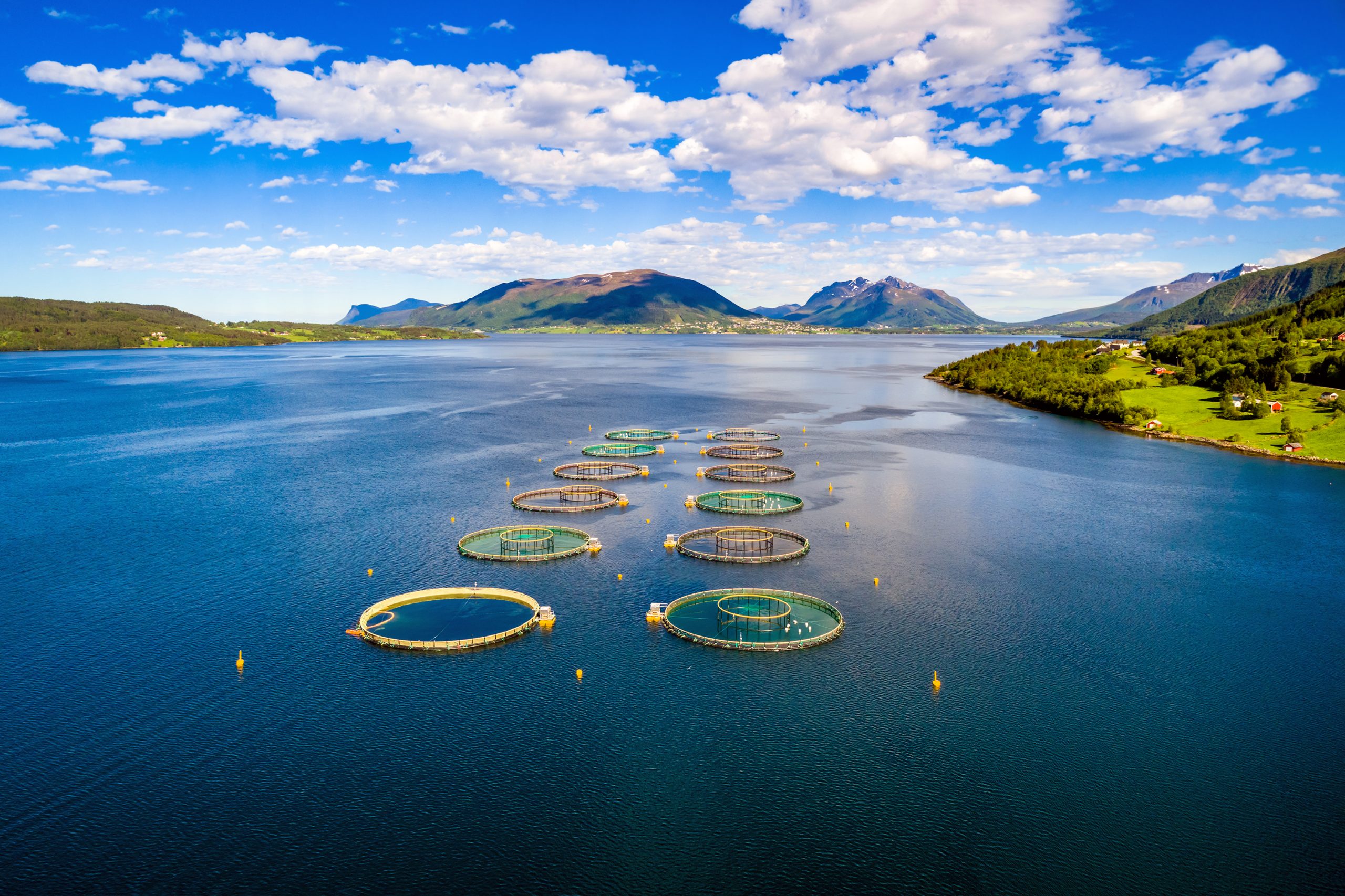
Food: Different by Design
Learners will discover some of the innovations being made in aquaculture and wild fishing to help reduce pollution and entanglements with marine wildlife.
Seal the Loop: Marine Action
This English unit educates students on marine conservation and biodiversity through activities on understanding food webs, investigating the impact of waste on the marine environment, and exploring different perspectives on the value of marine biodiversity.