Oc

Lorem ipsum dolor sit amet, consectetur
adipiscing elit. Etiam posuere varius
magna, ut accumsan quam pretium
vel. Duis ornare

Latest News
Follow Us
GO UP

Teacher Resources

A curated set of external resources to help you teach ocean literacy with confidence and clarity.
Year Level
Subject
Topic
Resource Type
State

268 Results Found

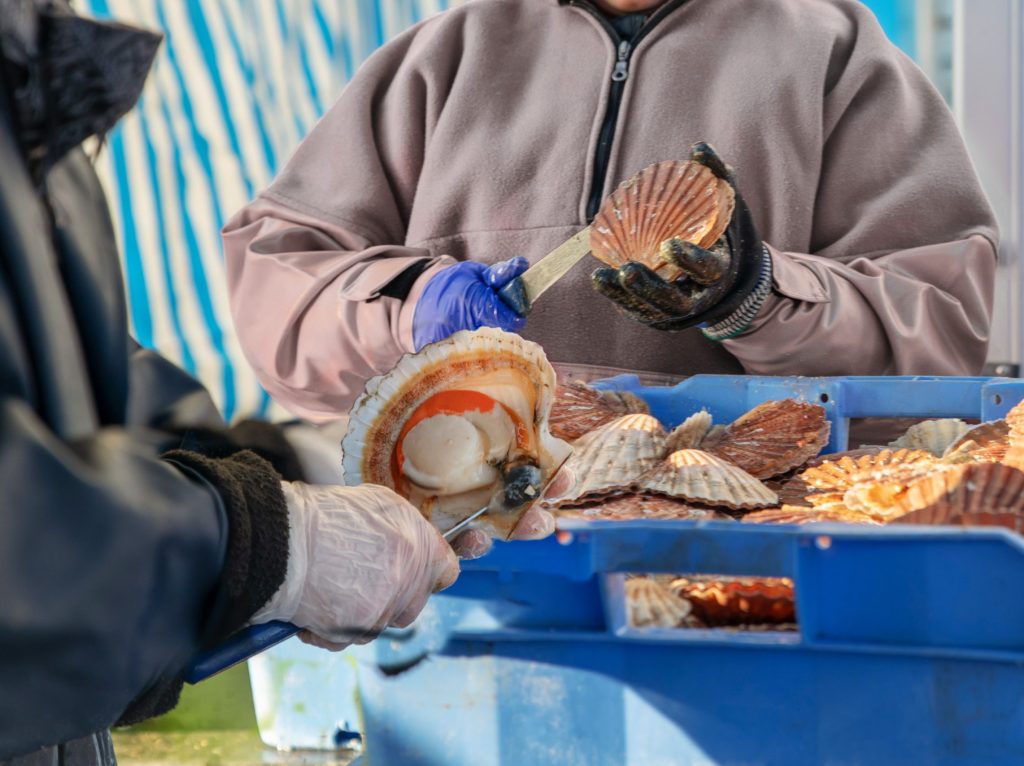
Scallops: Witness to Climate change

Students learn about a saucer scallop fishery around the Abrolhos Islands of Western Australia, where climate change and marine heatwaves are having a serious impact on fishing activities.
Year Level5-6
Resource TypeLesson PlanWorksheet
OrganisationMarine Stewardship Council

Science for Sustainable Oceans

Understand how the world’s oceans are at risk from overfishing, how scientific knowledge can be used to prevent overfishing, and ways that science can be used to support sustainable fishing.
Year Level9-10
Resource TypeLesson PlanUnit Plan
OrganisationMarine Stewardship Council

Science Talk

Science Talk is a video series featuring scientists from around the world and their fascinating research on our blue backyard. Topics include nightmarish deep-sea discoveries, coral larvae ecology, reef restoration, and whether magnets can repel sharks from fishing nets—plus much more.
Year LevelPrimarySecondary
Resource TypeVideo
OrganisationOceansIQ

Scientific Key

Identify fish body, eye, mouth, tail fin, pectoral and dorsal fin shapes.
Year LevelPrimarySecondary
Resource TypeWorksheet
OrganisationMarine Stewardship Council

Sea Country Stories: Ngarrindjeri Ruwi

In this short film Ngarrindjeri elder Major 'Moogy' Sumner yarns about what story and Sea Country mean to him, including stories about making the kaiki (reed spears), fishing with the pelicans, spearing flounder at night, and how to find a stingray in the stars!
Year Level5-67-8
Resource TypeLesson PlanVideo
OrganisationMarine Stewardship Council

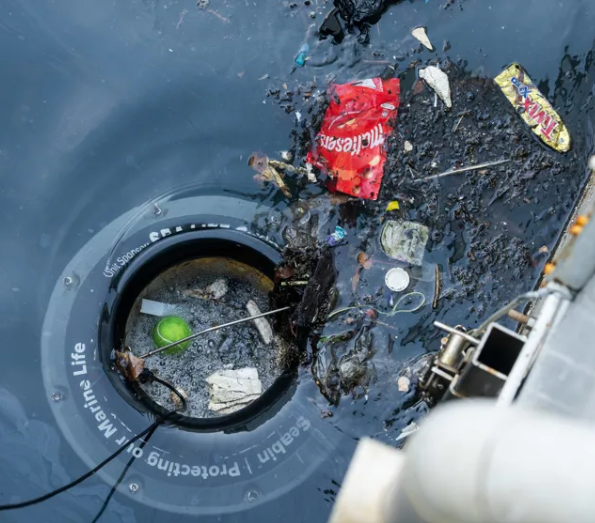
SEA LIFE Sydney Aquarium x Seabin Learning Pack

Each student pack utilises real data from the SEA LIFE Sydney Aquarium x Seabin partnership to develop age-appropriate skills in scientific investigation, data interpretation, geographical thinking, and sustainability problem-solving. Activities range from creative poster design and graphing tasks to evidence-based reports and policy-style proposals.
Year Level3-45-67-8
Resource TypeTeachers' GuideActivity Book
OrganisationSEA LIFE x Seabin

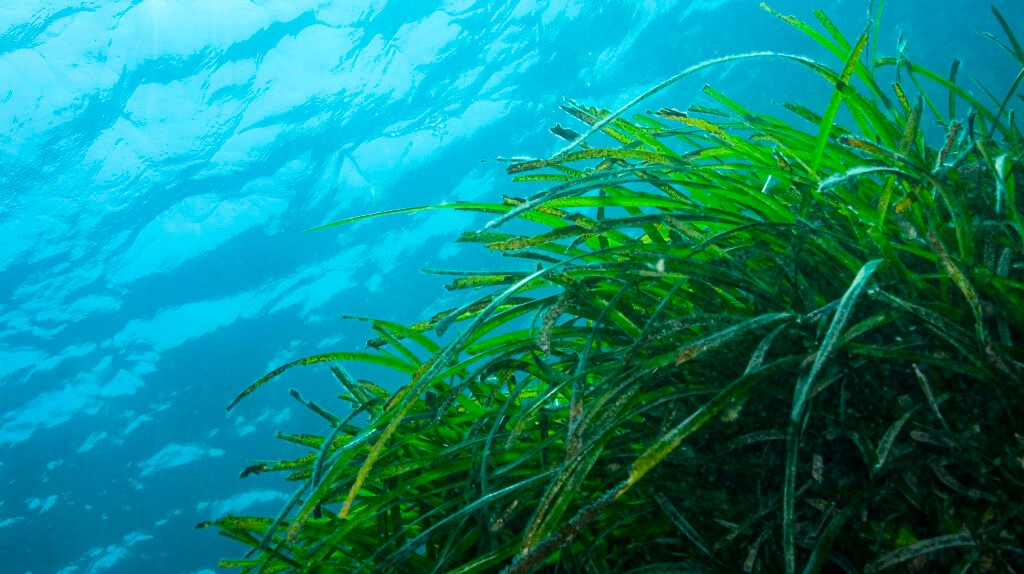
Seagrass Educators Handbook

The teaching guide provides educators with background information, lesson ideas, and practical activities to help students learn about seagrass ecosystems, their ecological importance, and the methods used to monitor and protect them through citizen science.
Year LevelPrimarySecondary
Resource TypeTeachers' Guide
OrganisationSeagrass-Watch

Seagrass-Watch

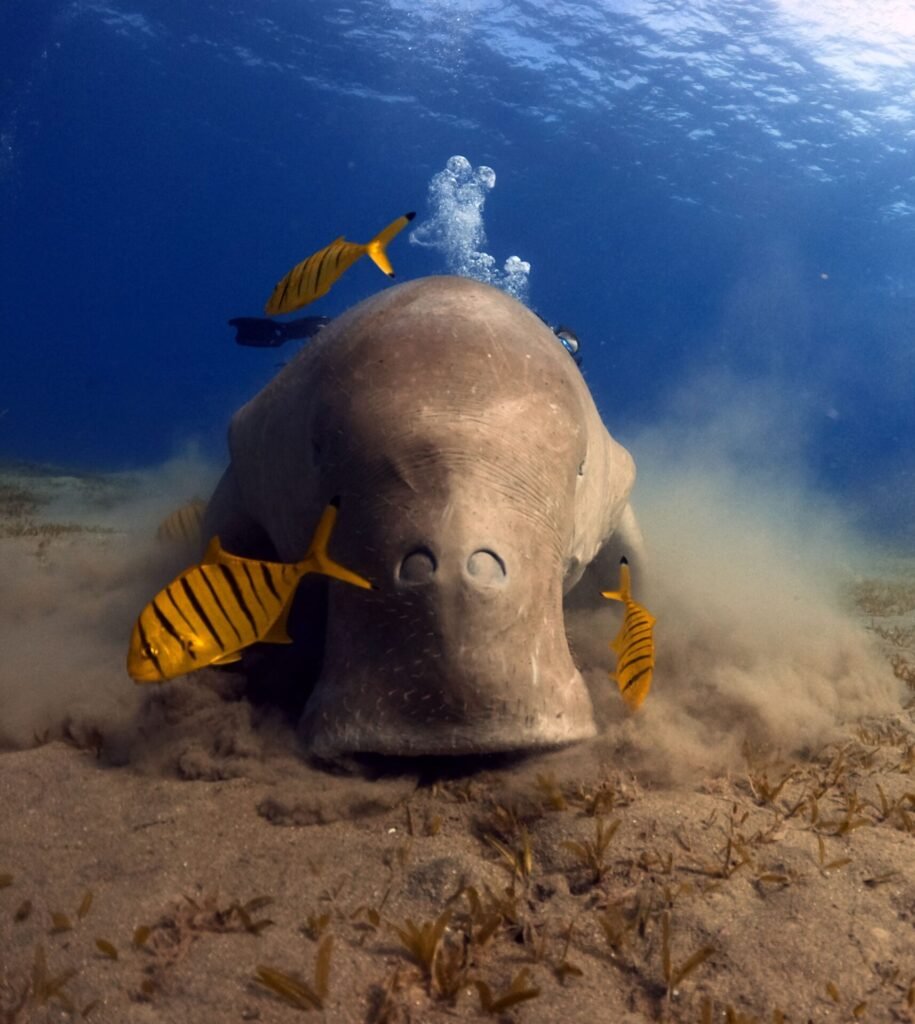
This website is a teaching and learning resource that helps students and teachers understand seagrass ecosystems and why they are important. It provides educational materials such as videos, activity books, posters, and teacher guides that explain seagrass biology, its role in supporting marine life, and the threats it faces from human impacts and climate change.
Year LevelPrimarySecondary
Resource TypeInfographicTeachers' GuideActivity BookVideo
OrganisationSeagrass-Watch
Seagrass-Watch Activity Book

This resource is designed to engage students in learning about seagrass ecosystems through hands-on activities, games, and field-based investigations. It helps learners understand the importance of seagrass habitats, the species that depend on them, and how citizen science can be used to monitor and protect coastal environments.
Year LevelSecondary
Resource TypeActivity Book
OrganisationSeagrass-Watch
Seagrass-Watch Junior Activity Book

This activity book is a student-friendly resource that uses simple activities and games to teach younger learners about seagrass ecosystems, the animals that live in them, and why these habitats need to be protected.
Year LevelPrimary
Resource TypeActivity Book
OrganisationSeagrass-Watch
Seal the Loop: Exploring Marine Conservation

This unit engages students in inquiry-based activities on marine conservation, exploring pollution’s causes and effects, conducting waste decomposition experiments, and collaborating on conservation ideas to foster critical thinking, problem-solving skills, and a deeper appreciation of ocean ecosystems.
Year Level1-23-45-6
Resource TypeLesson PlanUnit Plan
OrganisationCool.org

Seal the Loop: Marine Action

This English unit educates students on marine conservation and biodiversity through activities on understanding food webs, investigating the impact of waste on the marine environment, and exploring different perspectives on the value of marine biodiversity.
Year Level7-89-10
Resource TypeLesson PlanUnit Plan
OrganisationCool.org