
Dive Into the Life of Whales School Holiday Program
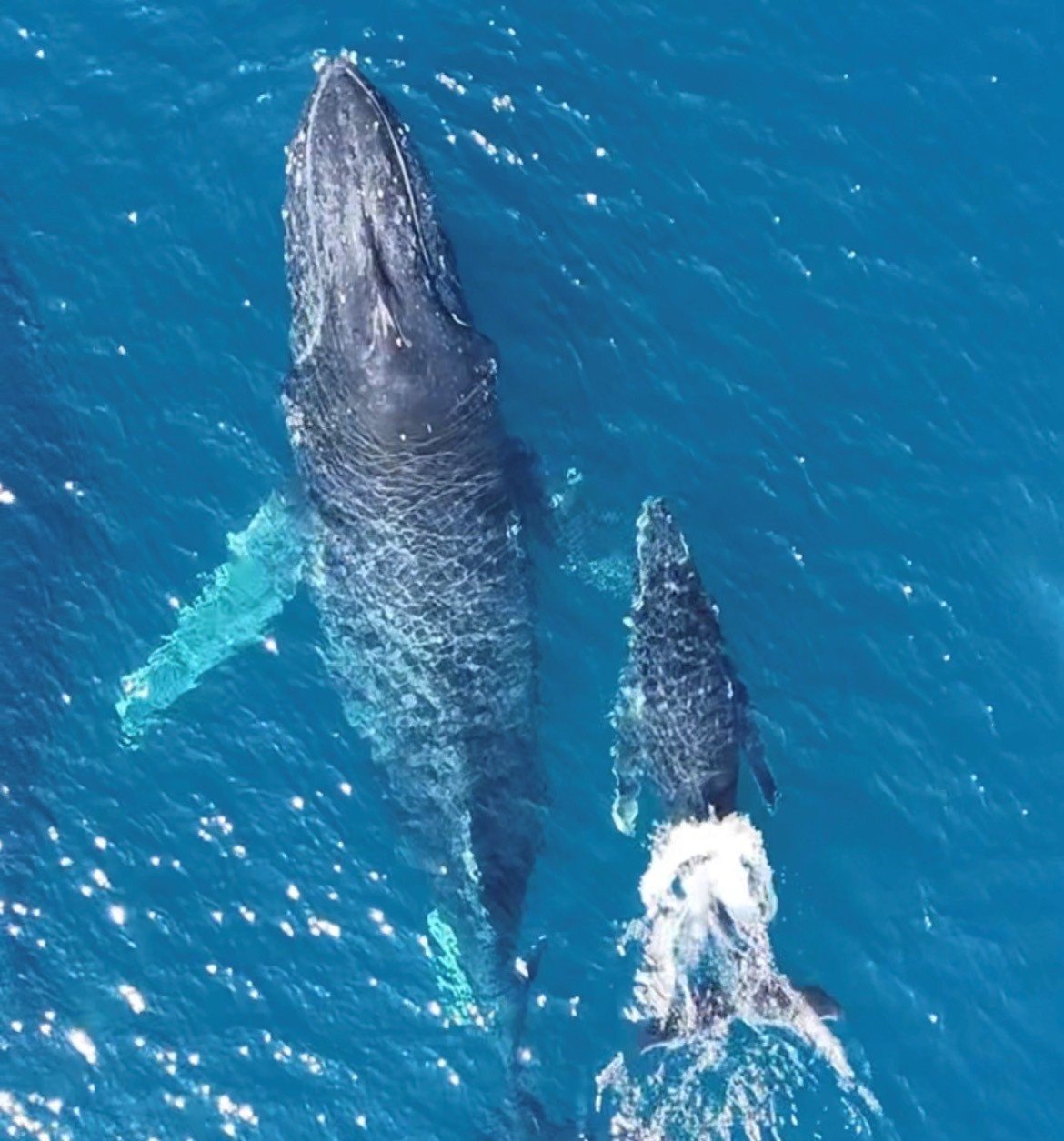
This engaging incursion introduces students to the fascinating lives of whales and dolphins and the threats they face in the marine environment. Through storytelling, practical activities and craft, students explore marine conservation and discover how they can help protect these species.
Weird & Wonderful World of Plankton
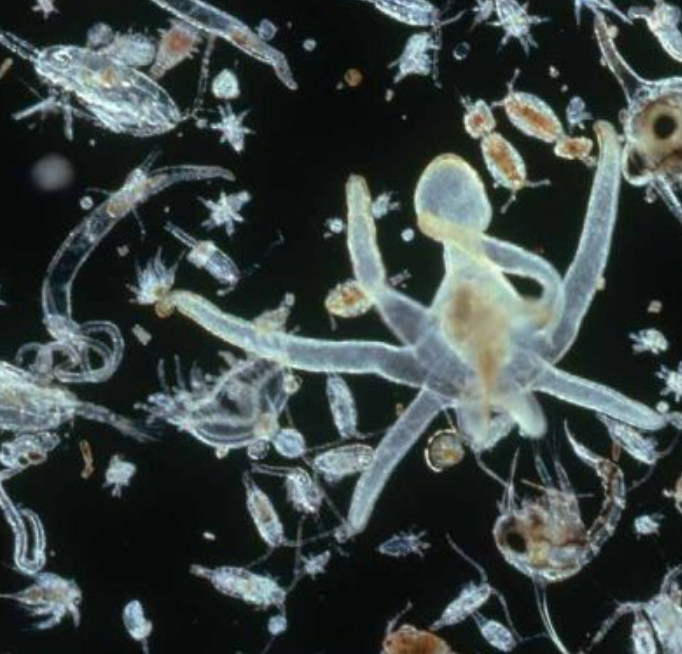
This engaging 1.5 hour incursion introduces students to the weird and wonderful world of plankton and their vital role in ocean food webs and climate regulation. Through interactive activities, a marine biologist presentation and a creative activity, students discover plankton diversity and the threats they face.
Private Life of Turtles (Incursion with optional beach clean-up excursion)
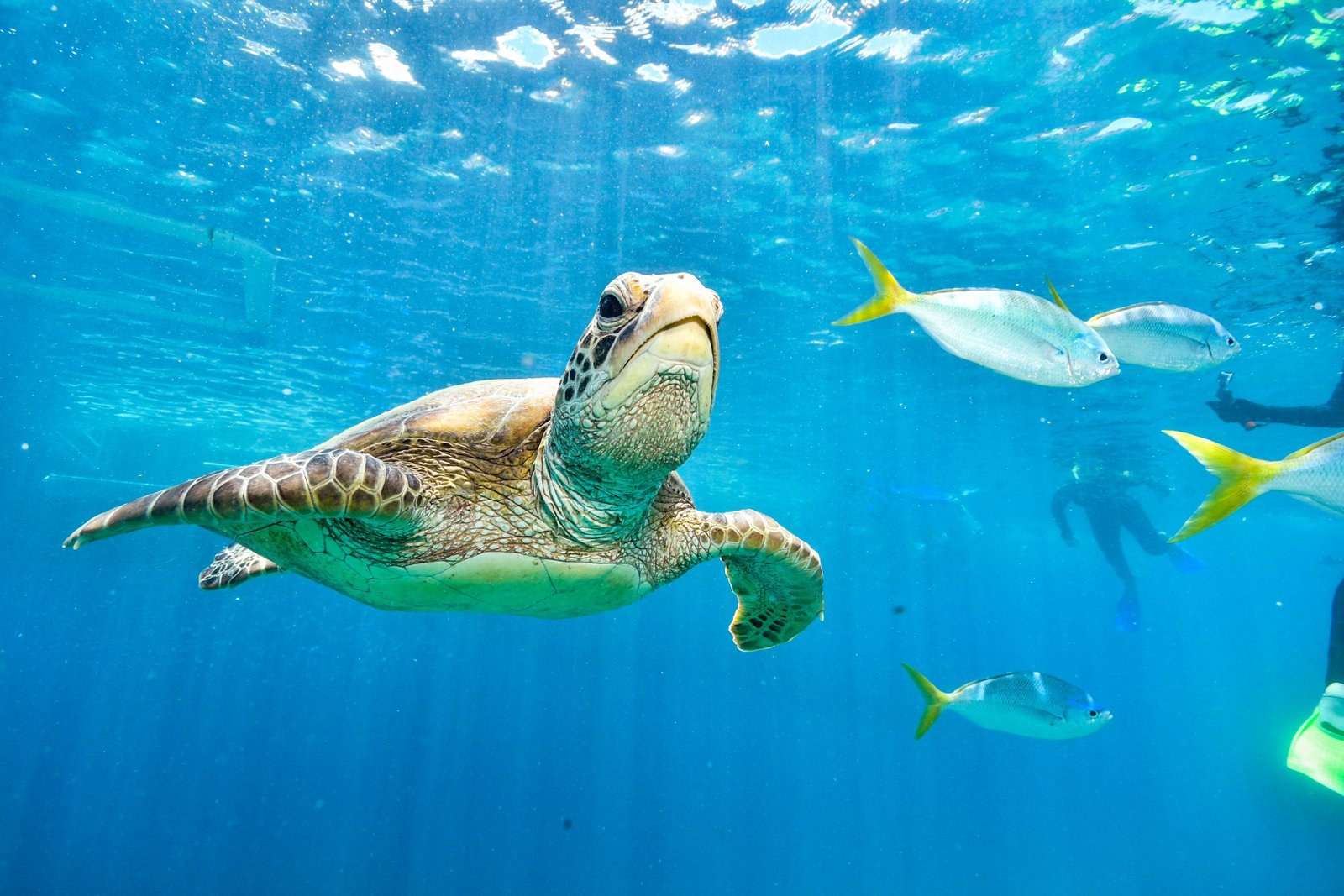
Explore the remarkable life cycle, habitats and migrations of marine turtles while learning about the challenges they face in the wild. Students are inspired to take practical action to help protect these iconic marine reptiles through hands-on learning and an optional beach clean-up activity
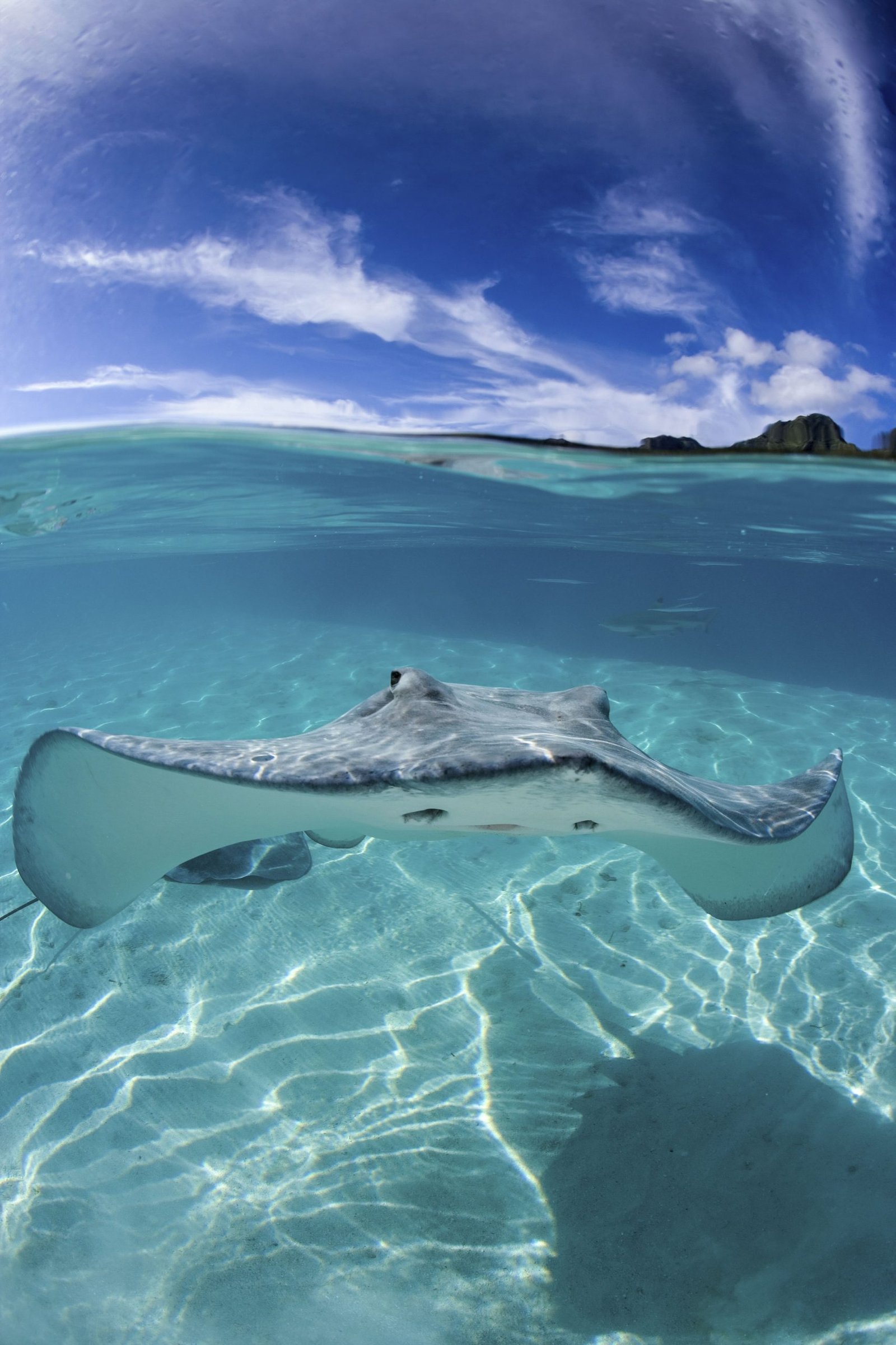
Fascinating World of Sharks & Rays (Incursion)
Students discover the incredible adaptations, behaviours and diversity of sharks and rays found in Australian waters. Through engaging activities, they also explore the importance of these species and how we can help protect them.
Central Coast Marine Discovery Centre
Based in Terrigal, the Central Coast Marine Discovery Centre provides engaging marine and coastal education programs for primary and secondary students. Their hands-on fieldwork experiences allow students to investigate local ecosystems, collect scientific data, and develop a deeper understanding of marine environments. Curriculum-linked excursions are delivered by qualified educators and support learning in Science, Geography and environmental education through authentic, real-world investigations.
Marine Discovery Centre Hastings Point
Education programs combine interactive presentations with hands-on field studies in local coastal ecosystems, including rocky shores, mangroves, dunes and wetlands. Programs are tailored from early learning through to senior secondary, inspiring students to develop a deeper understanding of marine environments and ocean conservation.
Port Macquarie Marine Discovery Centre
Students have hands-on opportunities to explore marine ecosystems, biodiversity, aquaculture and coastal conservation through interactive activities and live displays. Programs are available for learners from early childhood through to senior secondary and can be tailored to support a range of science and environmental learning outcomes.
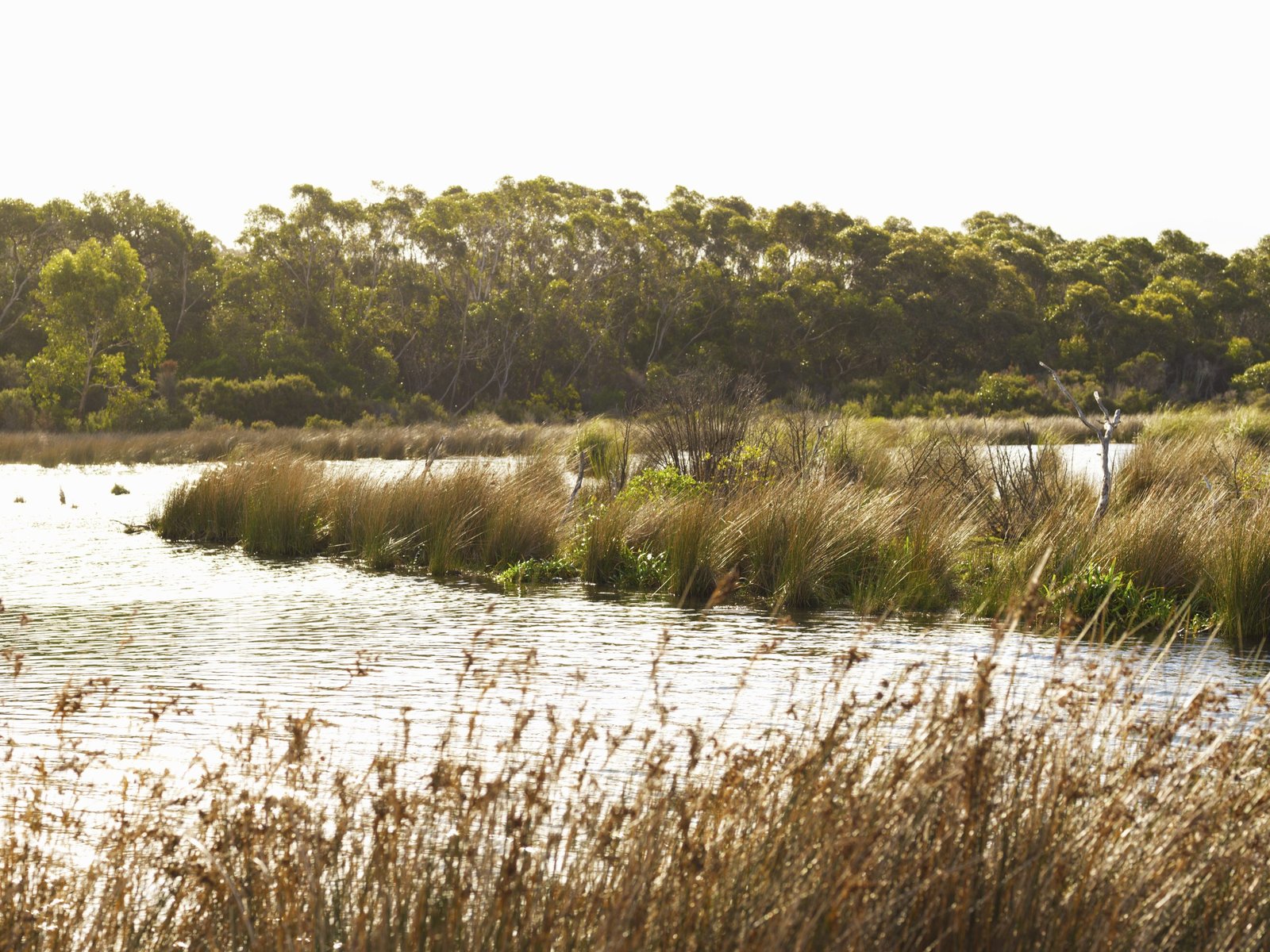
Ecosystems at risk at Towra Point Nature Reserve Excursion
Senior students will hone their fieldwork skills during this excursion at Towra Point Nature Reserve. This Ramsar-listed wetland is the largest and most botanically diverse estuarine wetland remaining in the Sydney region.
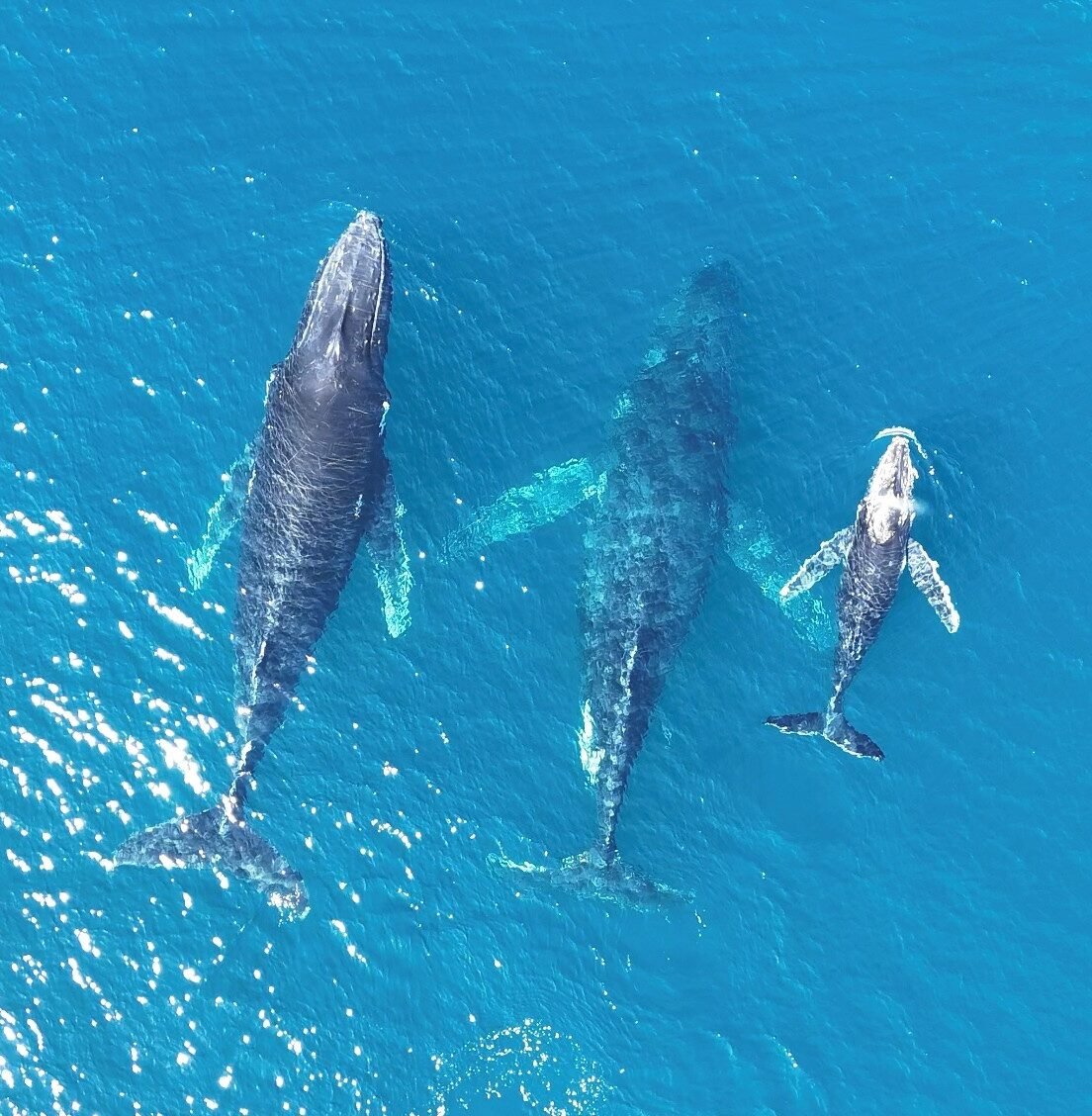
Whale Secrets Excursion – Byron Bay
Discover whale secrets at Cape Byron Lighthouse headland. Students will experience a playful mix of drama, games, story, and ocean discovery for Stage 1 (Years 1-2) students. This excursion supports the Living World topic of the K-10 Science and Technology syllabus.
Whale Secrets School Excursion – Byron Bay
Discover whale secrets in a playful mix of drama, games, story and ocean discovery. This excursion supports the Living World topic of the K-10 Science and Technology syllabus.