
Marine Ecosystems
This resource is a curriculum-linked guide for Year 7 Science students that provides lessons, activities and virtual tools to help learners understand coral biology, reef health, threats like bleaching, and how to monitor coral using the Coral Health Chart. It also includes worksheets and field-oriented tasks that allow students to collect, interpret and analyse real or virtual data about reefs. Finally, it emphasises sustainable practices and community involvement, offering students ways to take action locally to protect reef ecosystems.
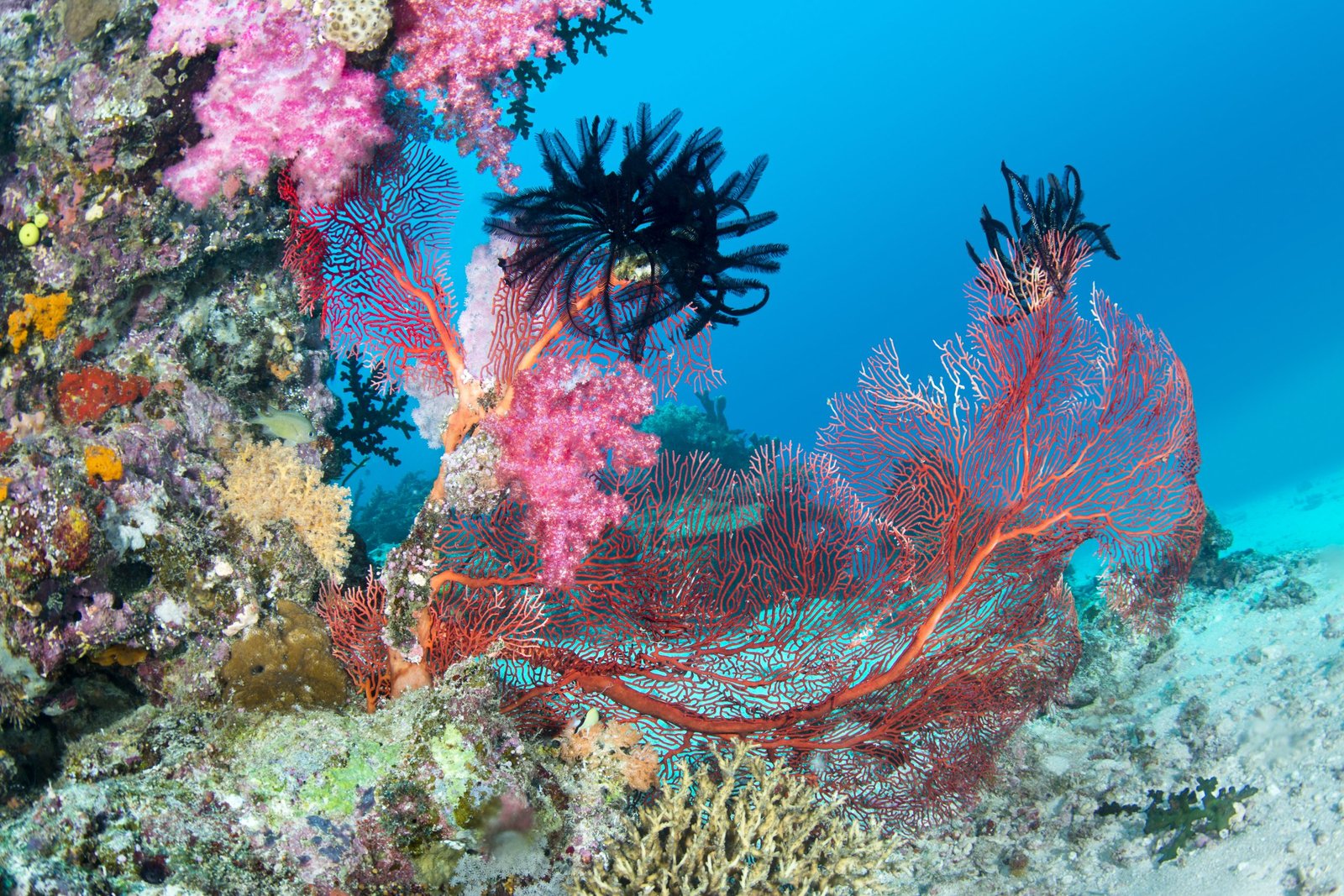
Corals are Cool and Crucial
Students will explore the importance of the Great Barrier Reef and local reefs, investigating the coral lifecycle and the ways ocean life depends on interconnected relationships for survival. They will examine the threats posed by climate change and other human impacts, and discover how citizen scientists contribute valuable data on coral health. Through hands-on practice with virtual tools, students will monitor, collect, and analyse coral data. Finally, they will identify sustainable actions they can take in their daily lives and
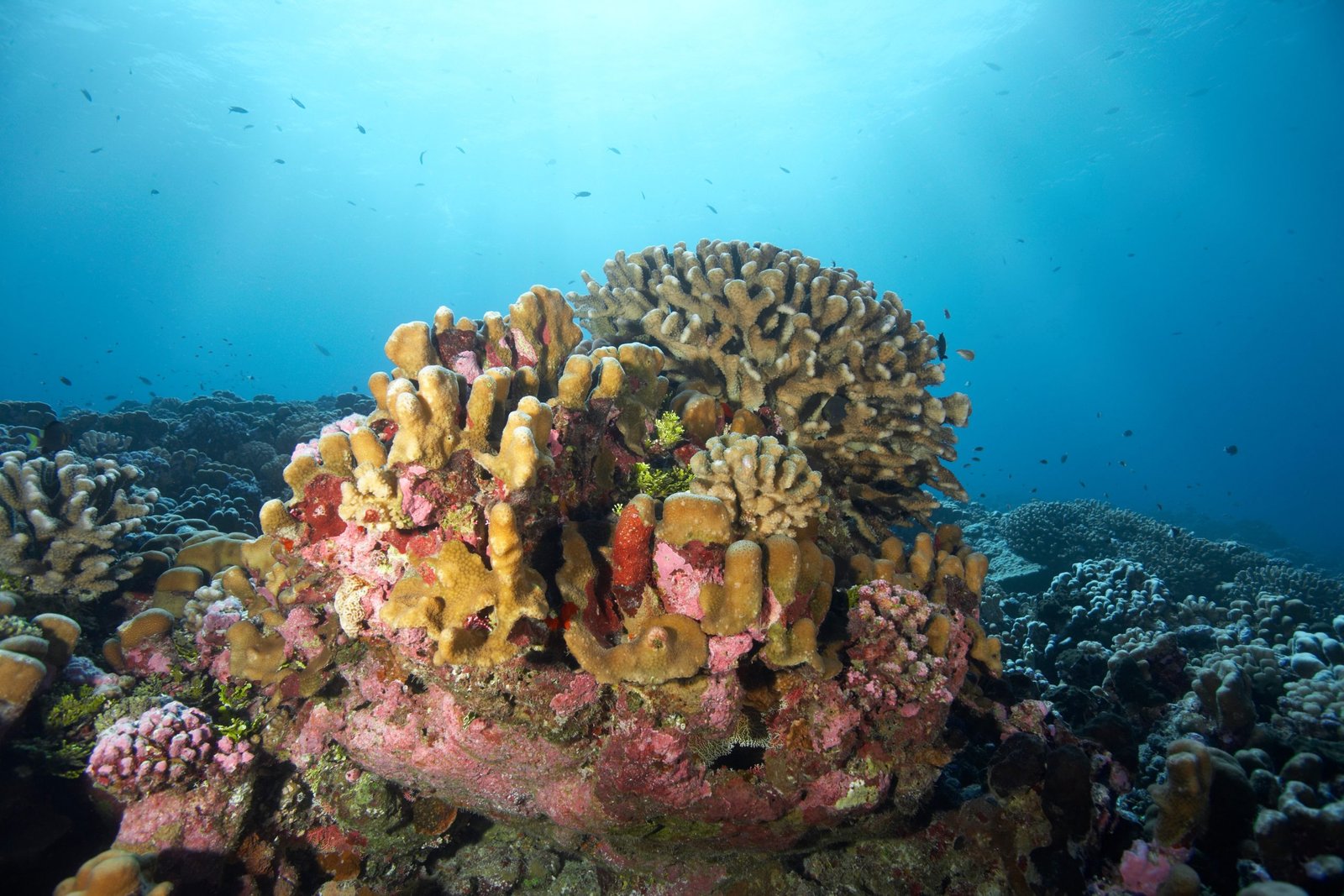
Colours on the Reef
This lesson plan focuses on learning about the importance of coral reefs and how colour can act as an indicator of reef health. Students develop an understanding of living things (coral) that can grow in different shapes and their needs within the habitat (coral reefs). Severe changes in water temperature can cause corals to change colour from brown/green to white (coral bleaching).
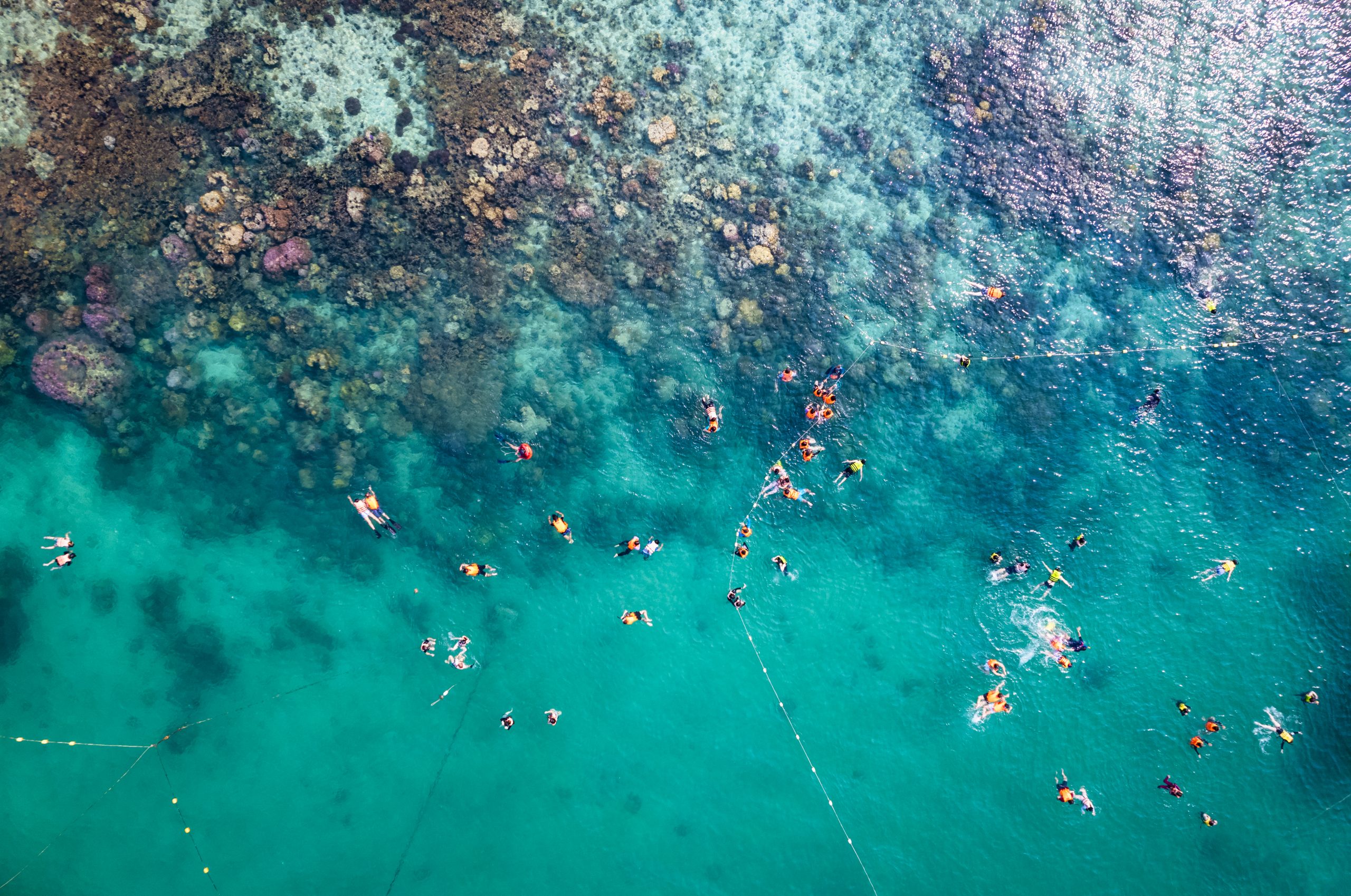
Reef Guardian School
Reef Guardians curriculum aligned education resources cover a range of topics to teach and learn about the Great Barrier Reef including climate change, World Heritage and Cultural values, sustainability, wetlands, threats and biodiversity. Follow the link to find resources, including our Reef Beat poster series, unit plans, activity sheets, videos and much more!
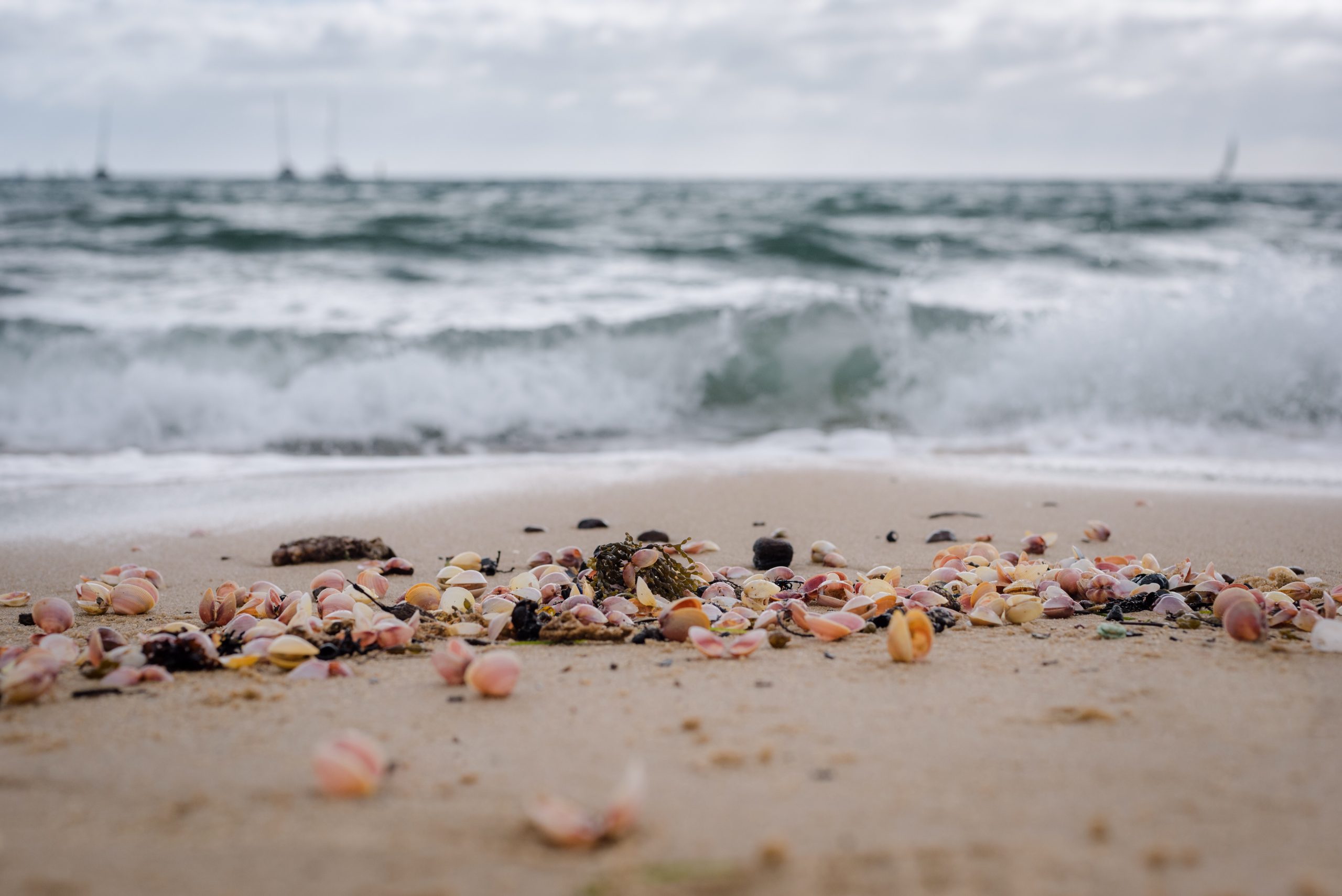
Investigating Ocean Acidification
This resource guides students through an experiment to explore how ocean acidification, caused by increased carbon dioxide levels, affects marine organisms with calcium carbonate shells, such as oysters and clams, encouraging scientific investigation and analysis
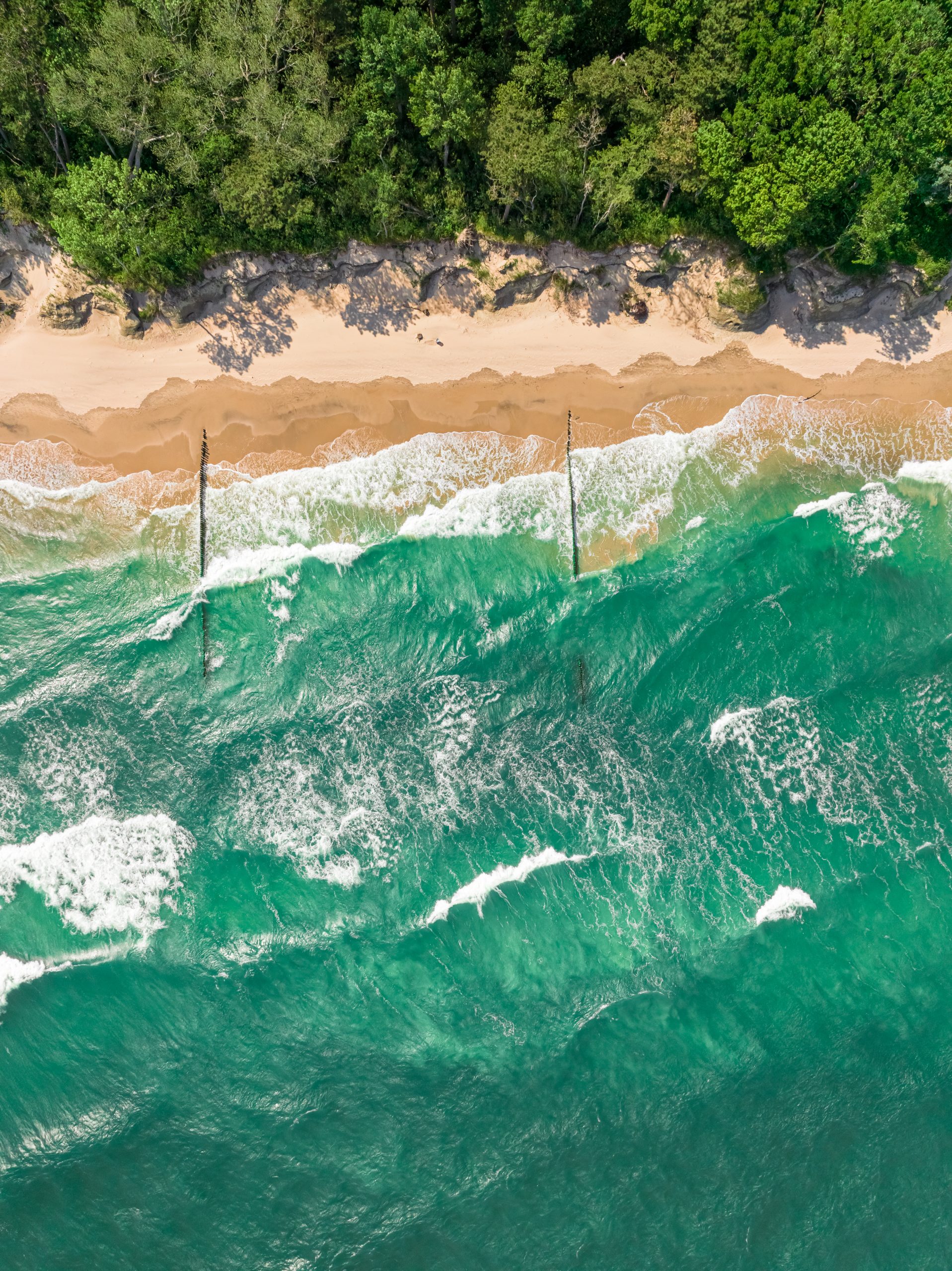
Introduction to Ocean Acidification
This resource introduces students to the concept of ocean acidification caused by increasing atmospheric carbon dioxide, providing an experiment and design challenge to help students explore its effects on marine ecosystems and understand the chemistry behind this environmental issue.
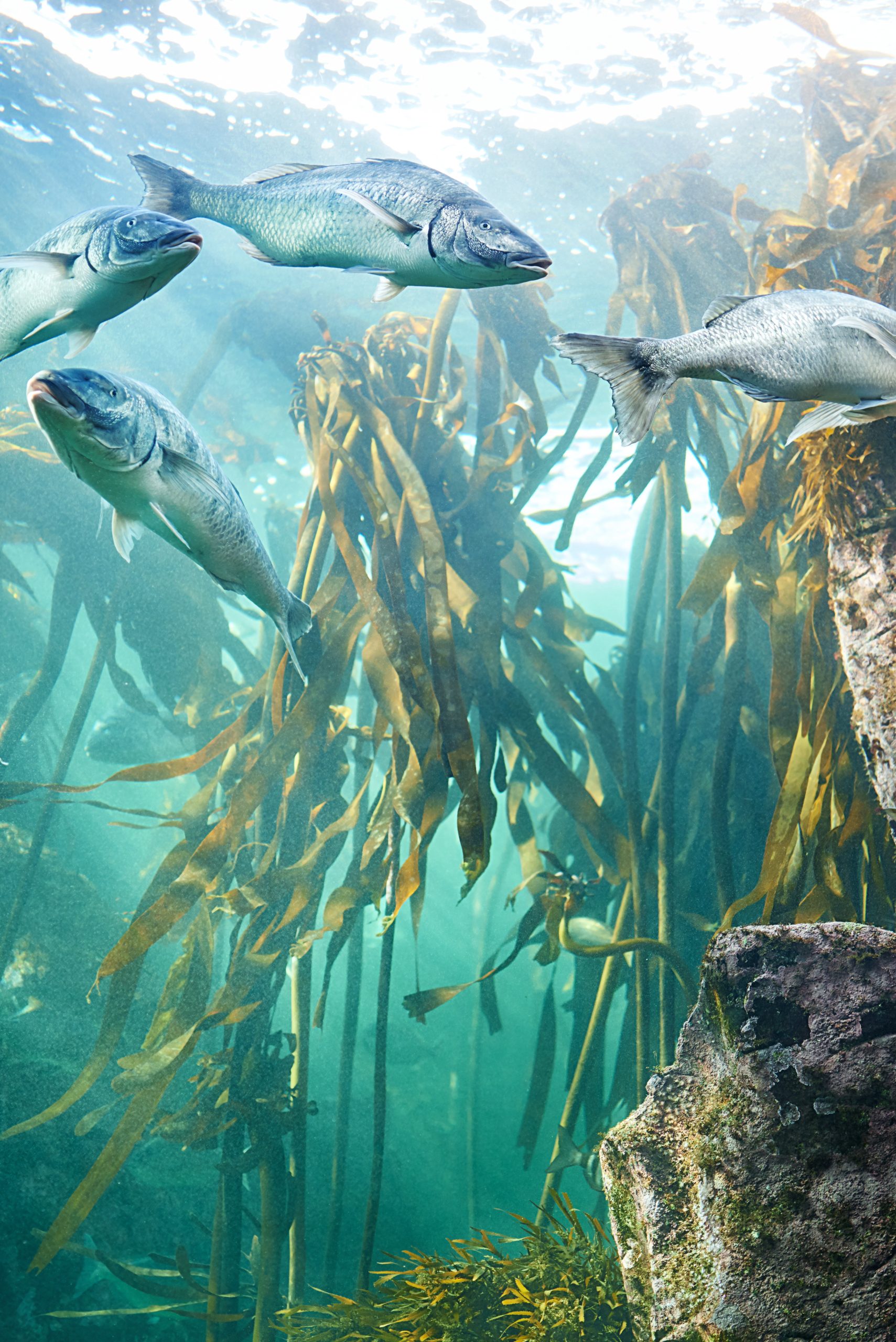
Revealing Marine Ecosystems: Teacher Resource Book
This book provides educators with resources and activities to explore marine ecosystems with students, focusing on the complexity of marine habitats and the effects of human activity on these environments.
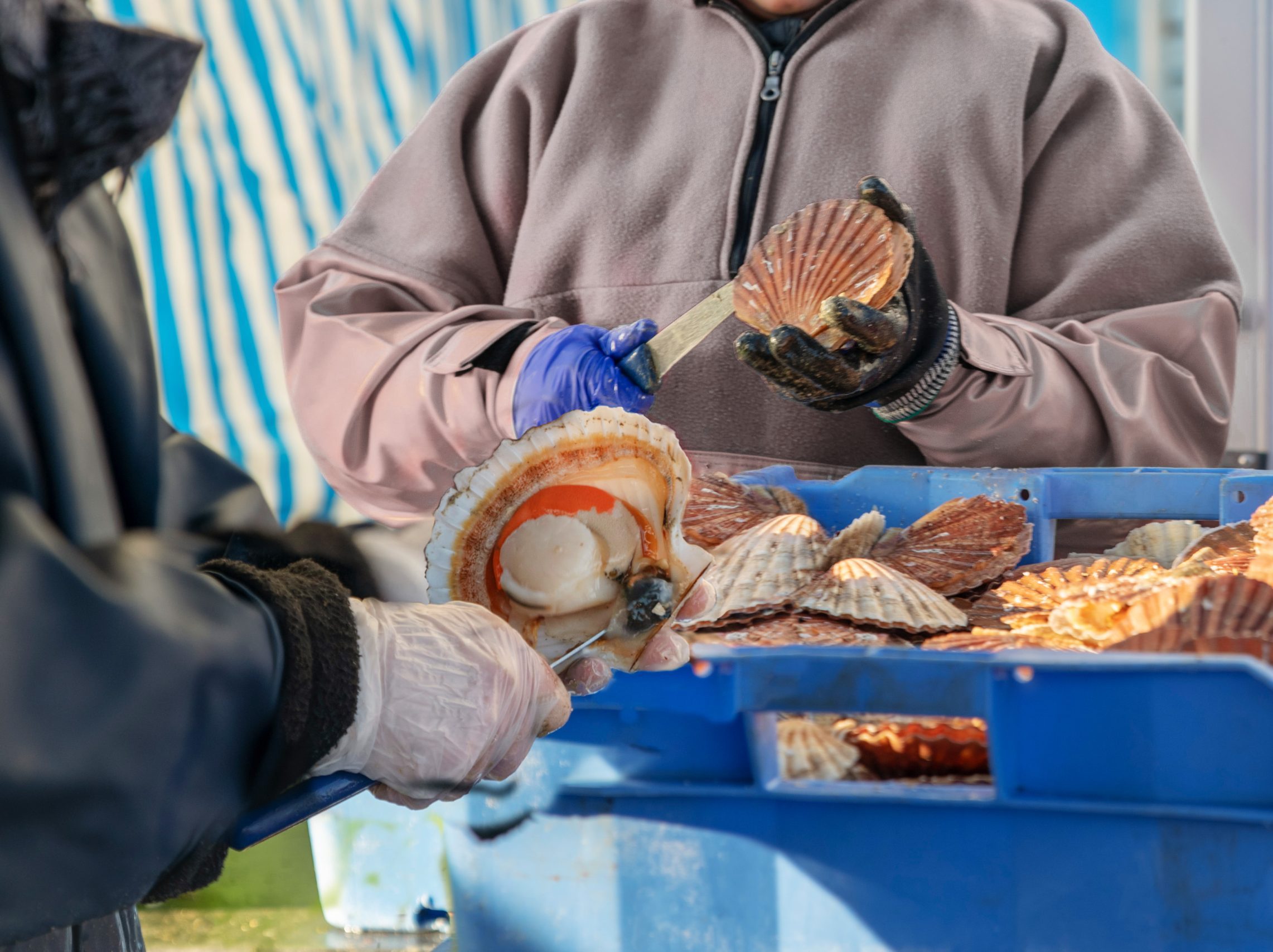
Scallops: Witness to Climate change
Students learn about a saucer scallop fishery around the Abrolhos Islands of Western Australia, where climate change and marine heatwaves are having a serious impact on fishing activities.

CSIRO – STEM Professionals in Schools program
This program connects teachers with STEM professionals to help inspire students' interest in STEM through activities including mentoring, career talks, and field trips, with resources and flexibility to meet different needs.
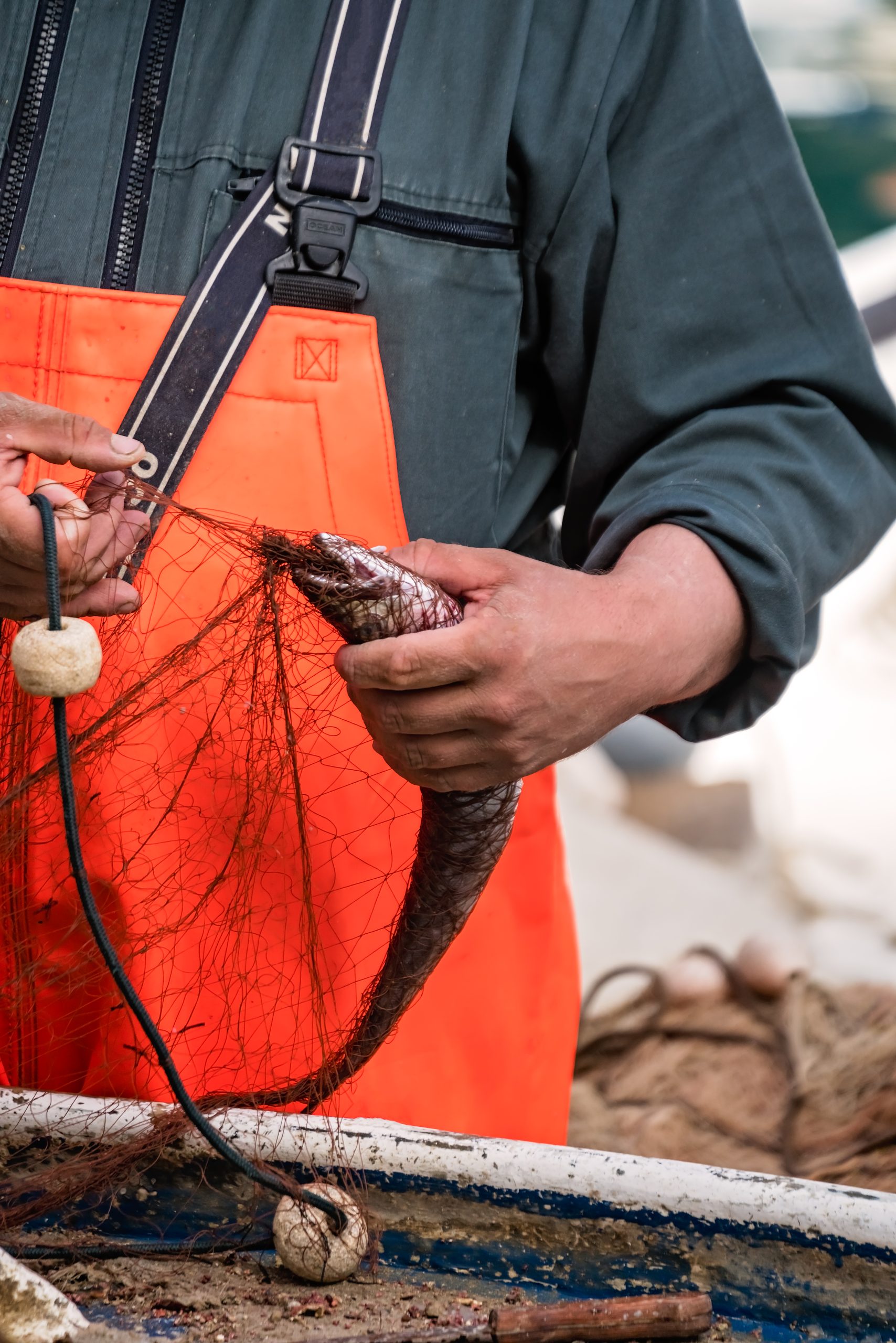
Unsustainable Fishing Challenges
Learn about a number of unsustainable fishing challenges affecting our oceans today.