
Building Climate Agency Through Ocean Literacy
This unit uses ocean literacy to help students understand climate change and its impacts on marine environments. Through engaging activities, students build climate agency and explore practical ways they can take positive action for the ocean and climate.

Unfreezing Eco-Anxiety
This unit helps students understand eco-anxiety and the emotional impacts of climate change and environmental issues. Through engaging activities and discussions, students explore practical ways to manage these feelings and turn concern into positive action.
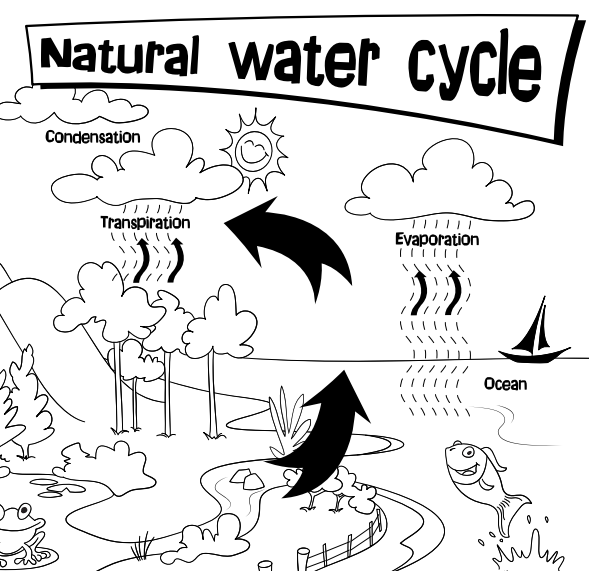
Natural Water Cycle Colouring Sheet
Colour in the natural water cycle and see how water moves through different states of matter.
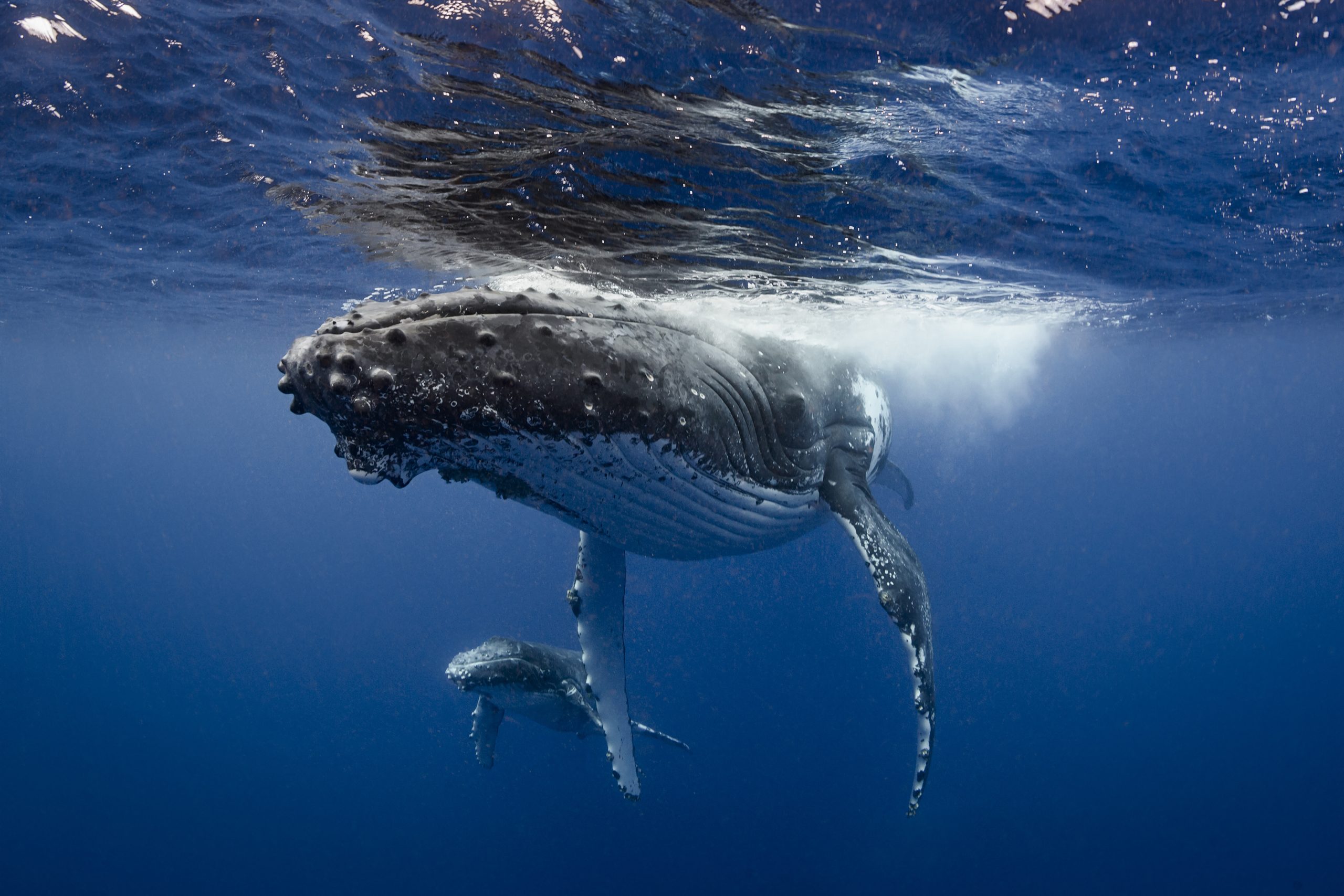
Whales find-a-word
Dot-to-dot and find-a-word activities to develop numeracy and literacy skills. The words can form the basis of a discussion about whale body parts and how they help them to live in the ocean.
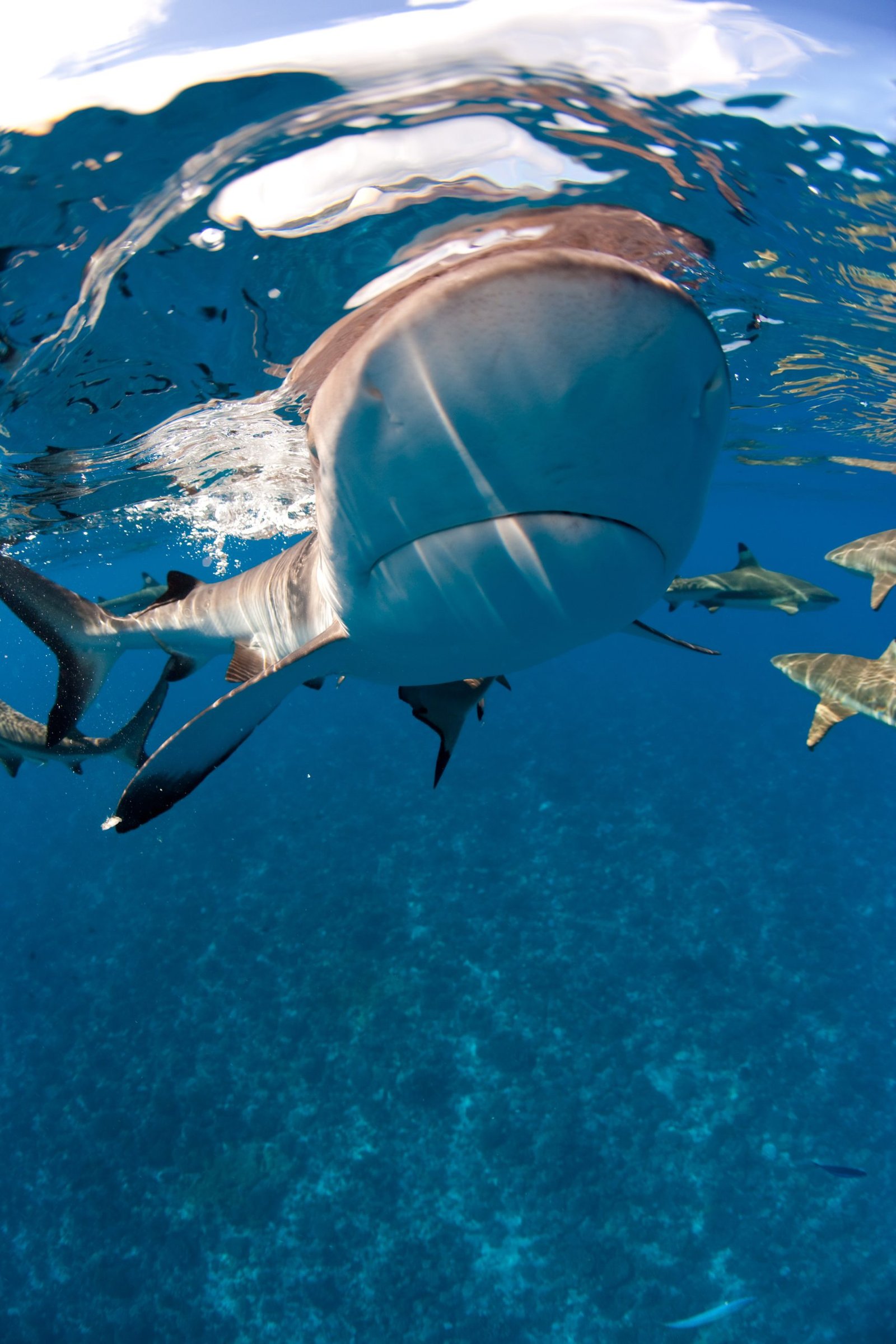
The Evolution of Sharks: Natural Selection
Explore shark evolution and adaptions, analysing natural selection and survival to explain how species change and respond to environmental pressures.
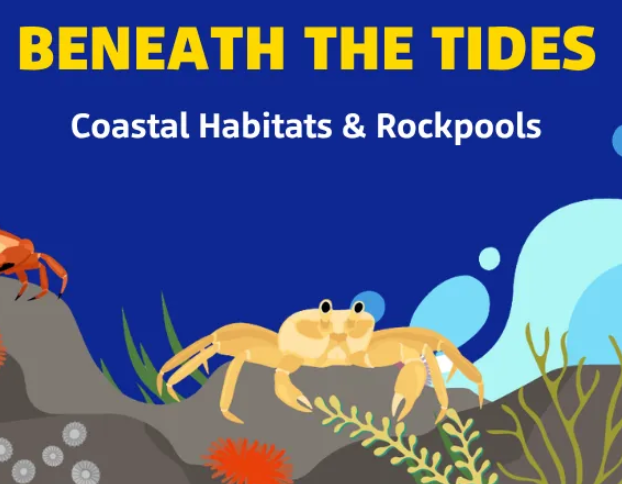
Beneath the Tides – Coastal Habitats & Rockpools
Explore how environmental conditions affect survival, adaptions, and ecosystem relationships.
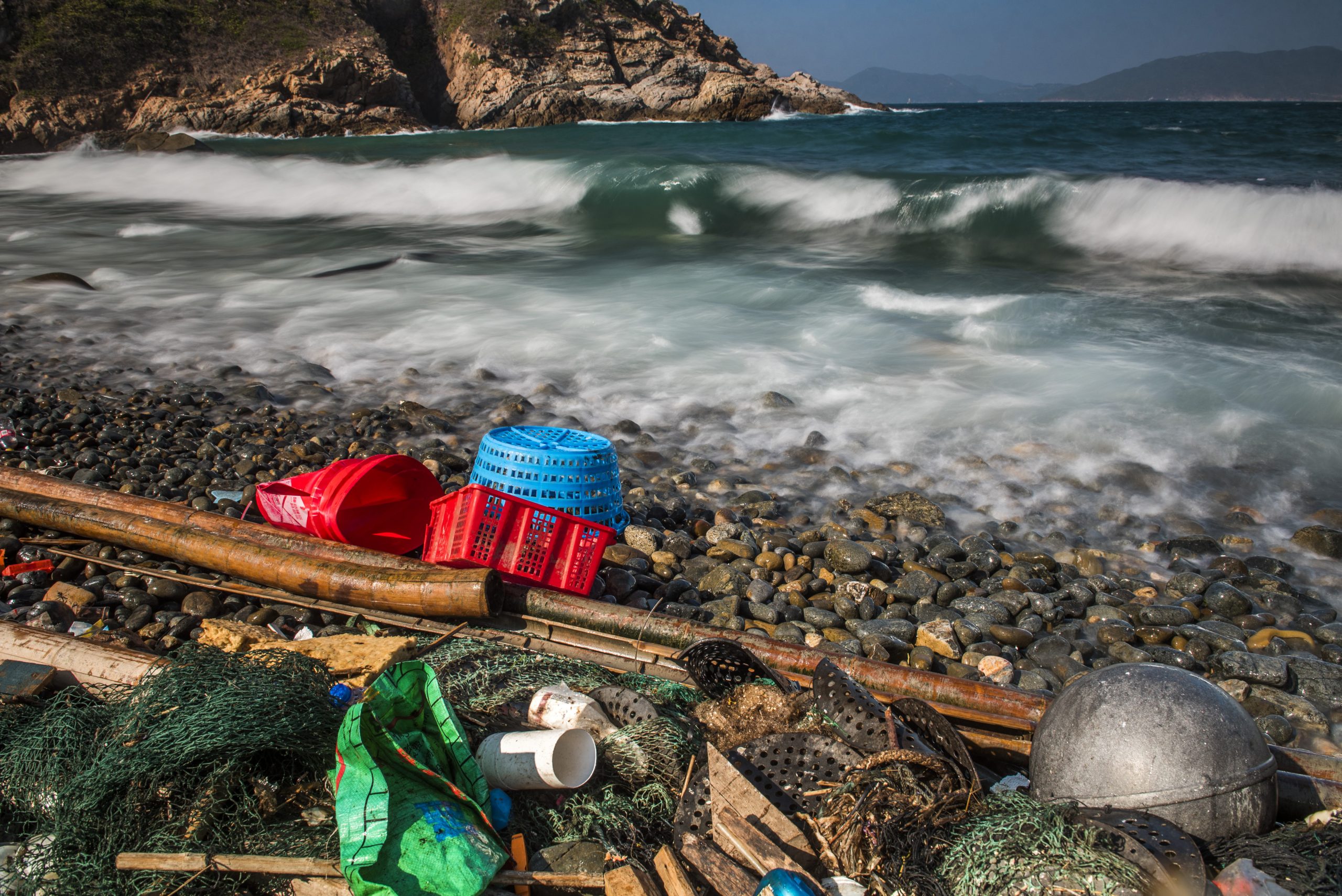
Identifying Threats to our Oceans
Investigate ocean threats (e.g. pollution, overfishing), discussing human impacts and causes, and recording ideas to build environmental awareness.
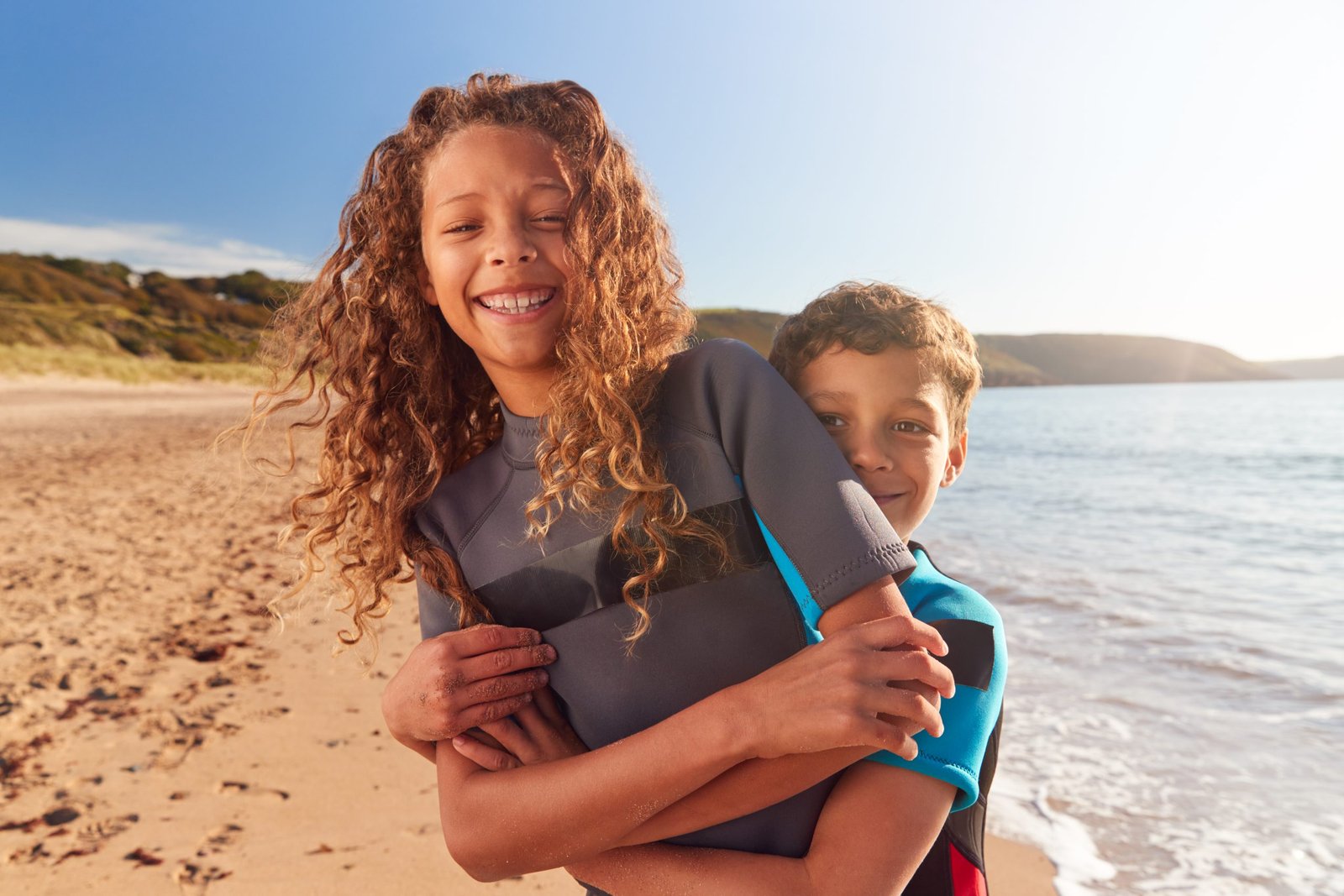
Sustainable Manifestos
Explore sustainable actions to protect oceans, creating a class manifesto with solutions and impacts, building environmental awareness and persuasive communication skills.
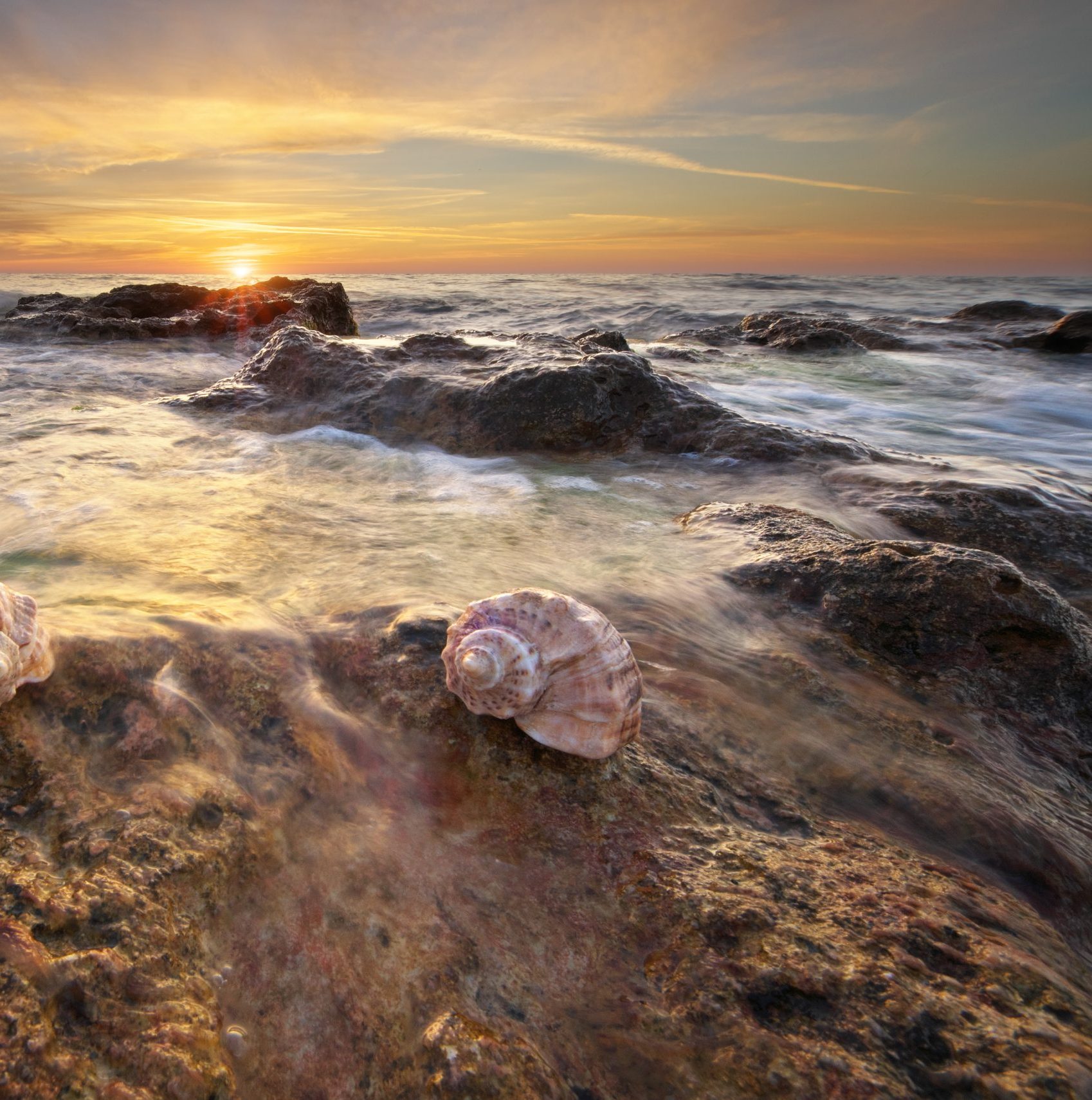
‘Lets Protect’ Poster
Create a persuasive poster using emotive language, rhetorical questions and other devices to promote ocean conservation, developing communication and audience awaresness.
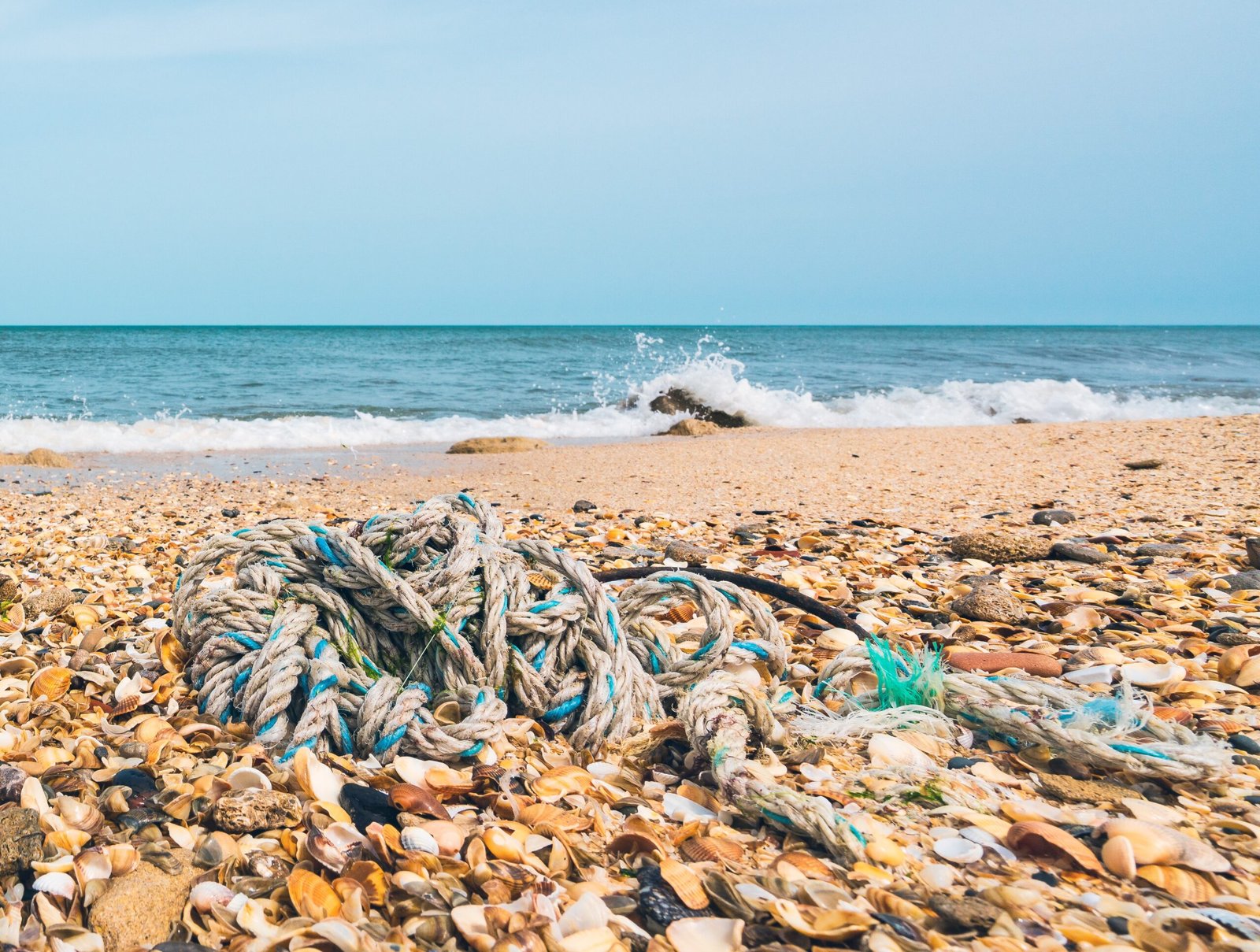
Finding My Ocean Passion
Explore ocean threats, discussion impacts on environments and living things, and create a mind map to organise ideas, build awareness and support informative communication.