
Get Hooked… It’s Fun to Fish
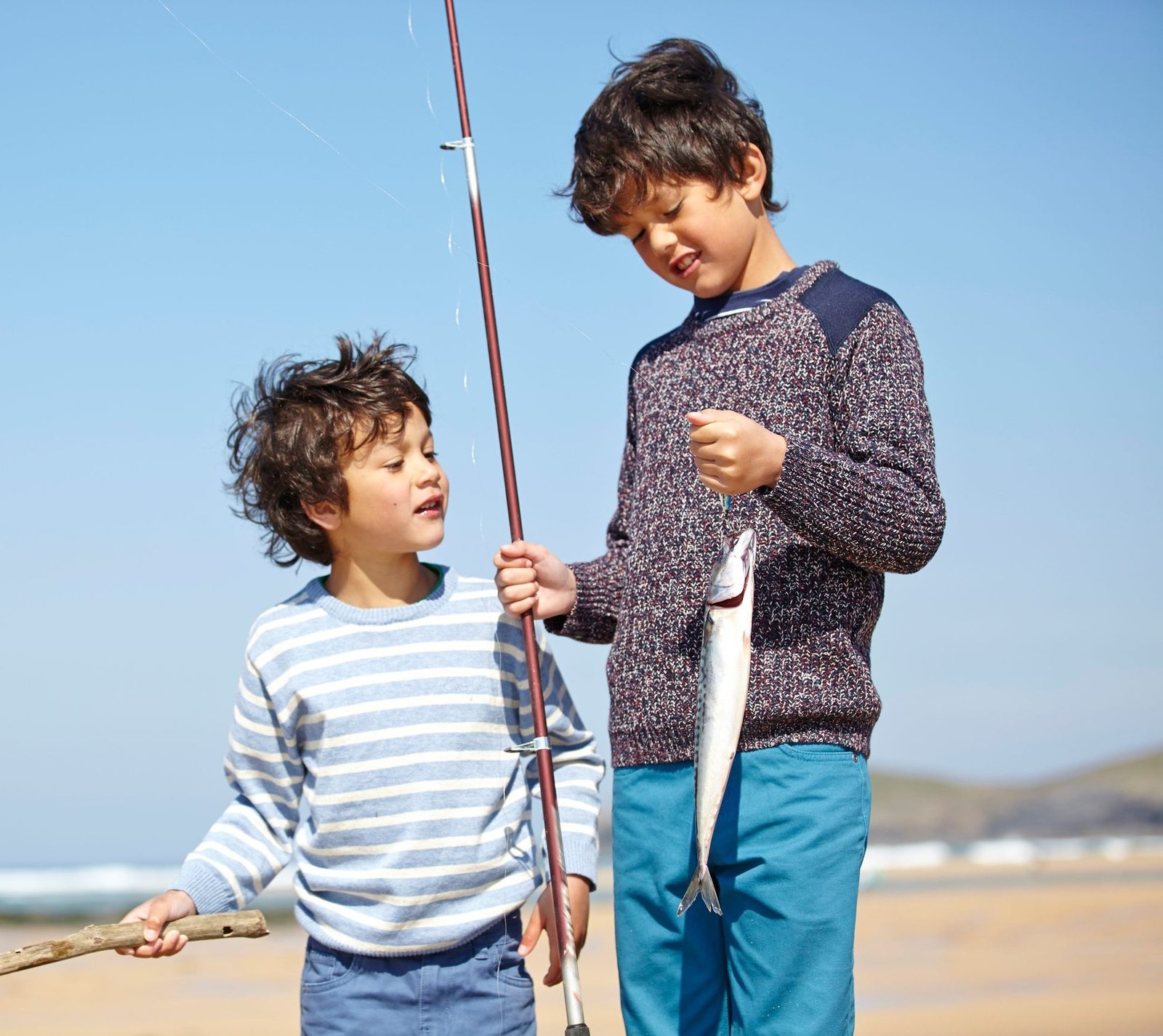
Teaching resource where students learn practical fishing skills, water safety and sustainable practices through six curriculum-aligned modules, teacher resource kits, staff and Fishcare support, optional incursions, and opportunities to participate in online competitions.
High Schools – Get Hooked
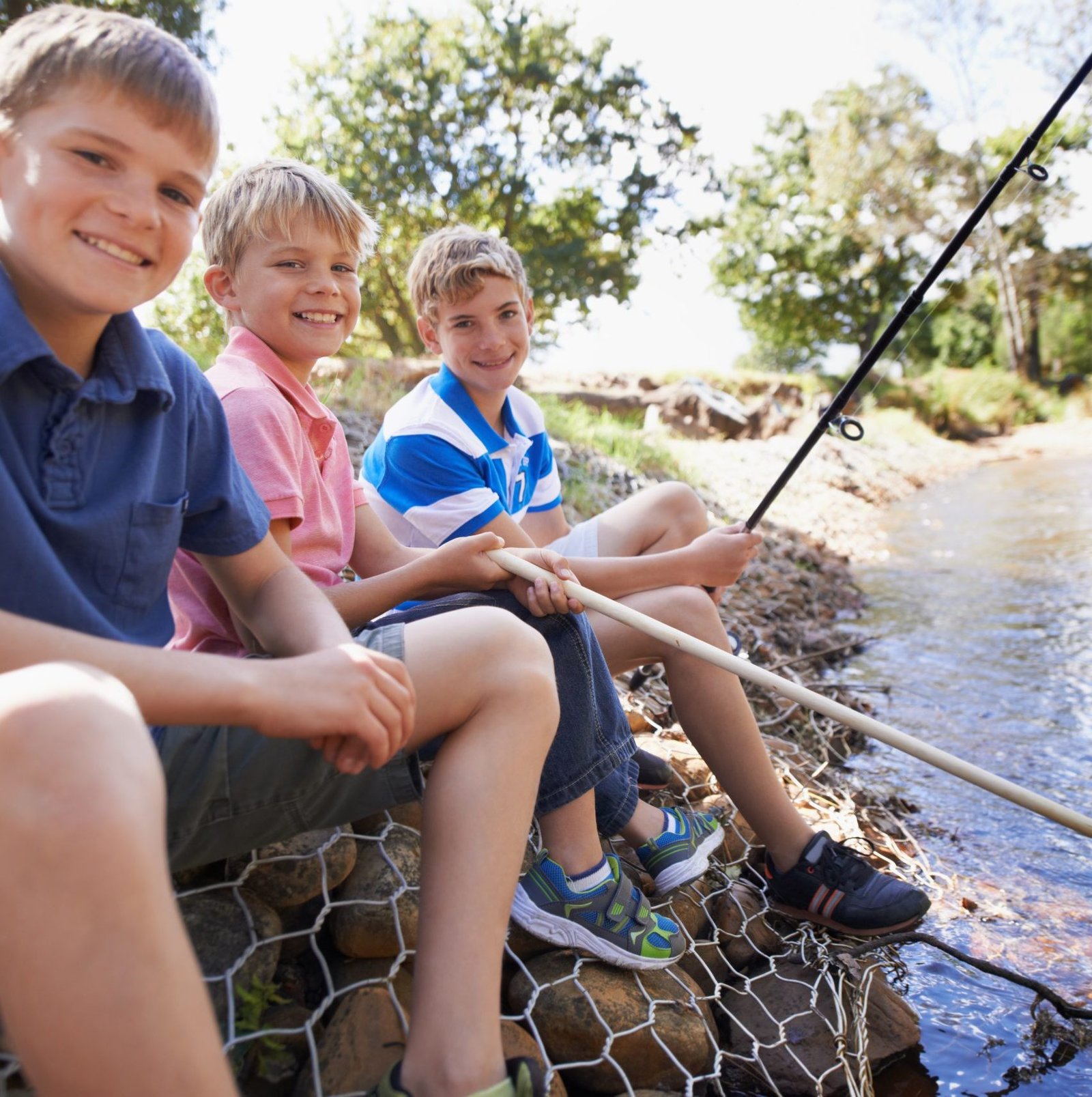
Get Hooked… Fish for Life, a versatile teaching resource designed for high schools across New South Wales. This program supports interdisciplinary learning in Geography, Science, and Marine and Aquaculture Technology. Teachers can choose from a range of topics across four dedicated units, allowing for tailored lessons that cater to diverse classroom needs and interests.
Catchment Crusader Game
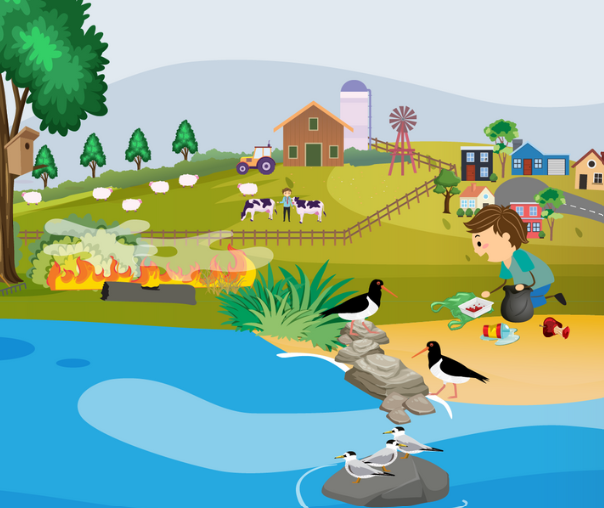
The Catchment Crusader game on that page is an interactive educational activity where you explore different regions of the Hunter River catchment, learn about looking after the environment, answer questions and complete tasks to collect codes and earn a certificate as a “Catchment Crusader.”
Port Stephens – Great Lakes Marine Parks Education Kit
This education kit covers the topics: marine parks and conservation; rocky shores; estuaries; and cultural heritage. These comprehensive modules are designed to fit the NSW Department of Education and Communities primary school curriculum, and with its fact sheets, identification guides, risk assessments and activity plans, the kit can be used to complement teaching programs.
Lorde Howe Island Marine Park Education Kit
The Lord Howe Island Marine Parks Education Kit covers the topics: marine parks and conservation; rocky shores; estuaries; and cultural heritage. These comprehensive modules are designed to fit the NSW Department of Education and Communities primary school curriculum, and with its fact sheets, identification guides, risk assessments and activity plans, the kit can be used to complement teaching programs.
Jervis Bay Marine Park Education Kit
The NSW Marine Parks Education Kit contains four modules that cover the topics of marine parks and conservation, rocky shores, estuaries and cultural heritage. These modules have been designed to fit the NSW Department of Education and Training’s primary school curriculum, and can be used to complement current teaching programs.
Cape Byron Marine Park Education Kit
The NSW Marine Parks Education Kit contains four modules that cover the topics of marine parks and conservation, rocky shores, estuaries and cultural heritage. These modules have been designed to fit the NSW Department of Education and Training’s primary school curriculum, and can be used to complement current teaching programs
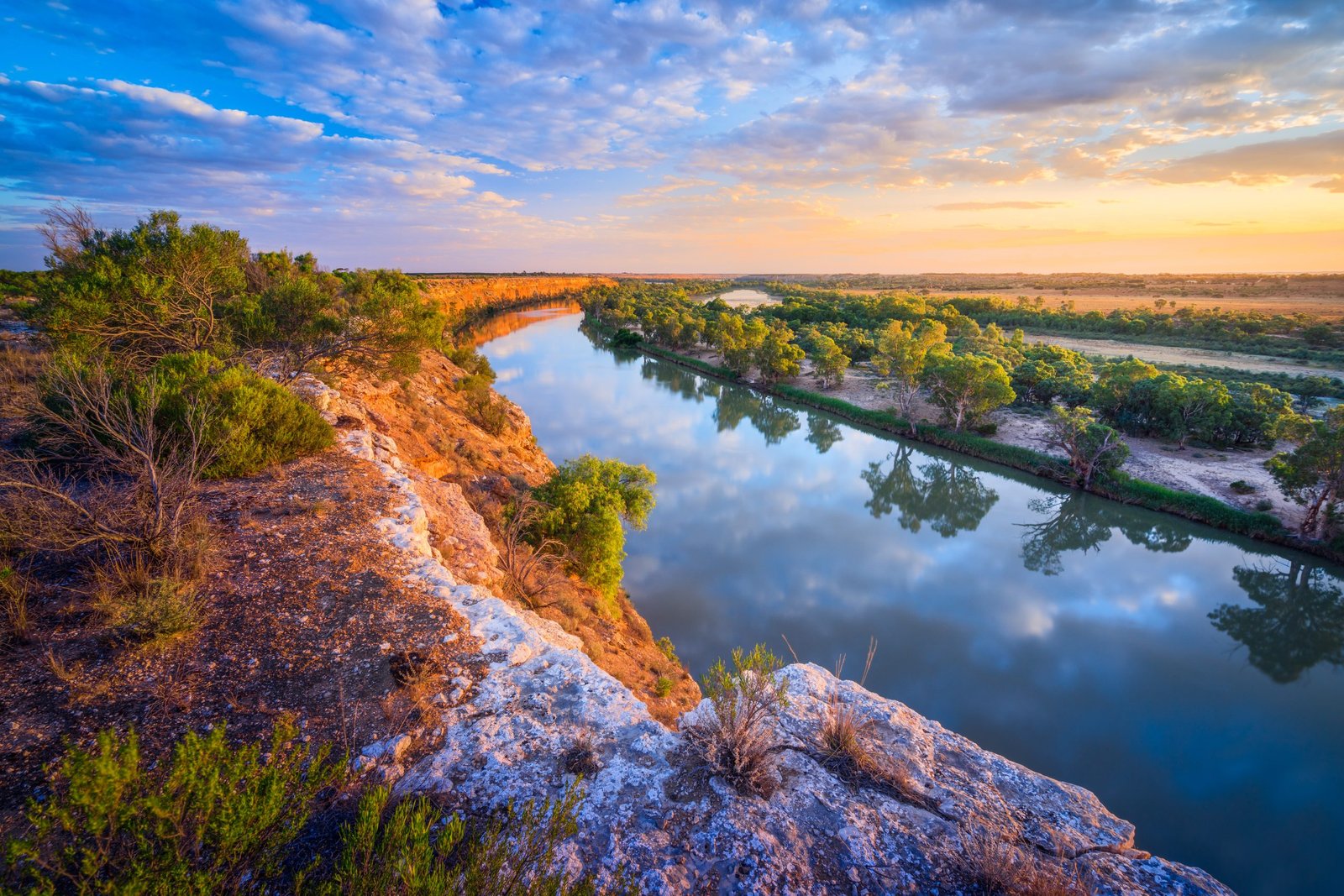
Caring for River Country
Caring for River Country looks at the ways First Nations Australians of the Murray-Darling Basin have practised environmental management both traditionally and in the present day.
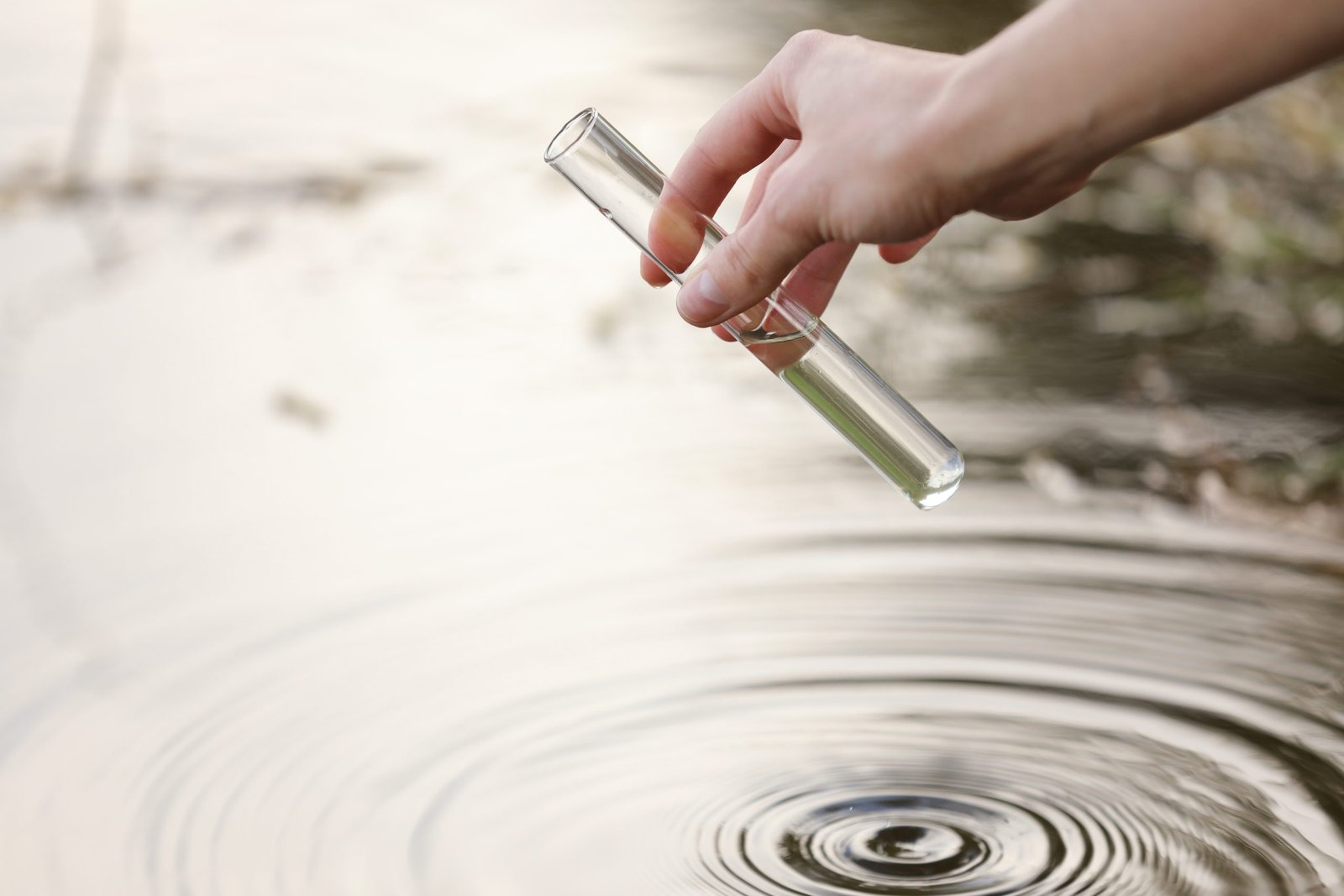
Water quality
This resources looks at what the qualities of 'healthy water' are and how maintaining the quality of water is crucial for a healthy environment, agriculture, and communities.
Water availability in Australia
This activity asks students to explore what factors influence water availability in Australia and what are the effects of limited water and what are some of the management options available to us?