
Private Life of Turtles (Incursion with optional beach clean-up excursion)
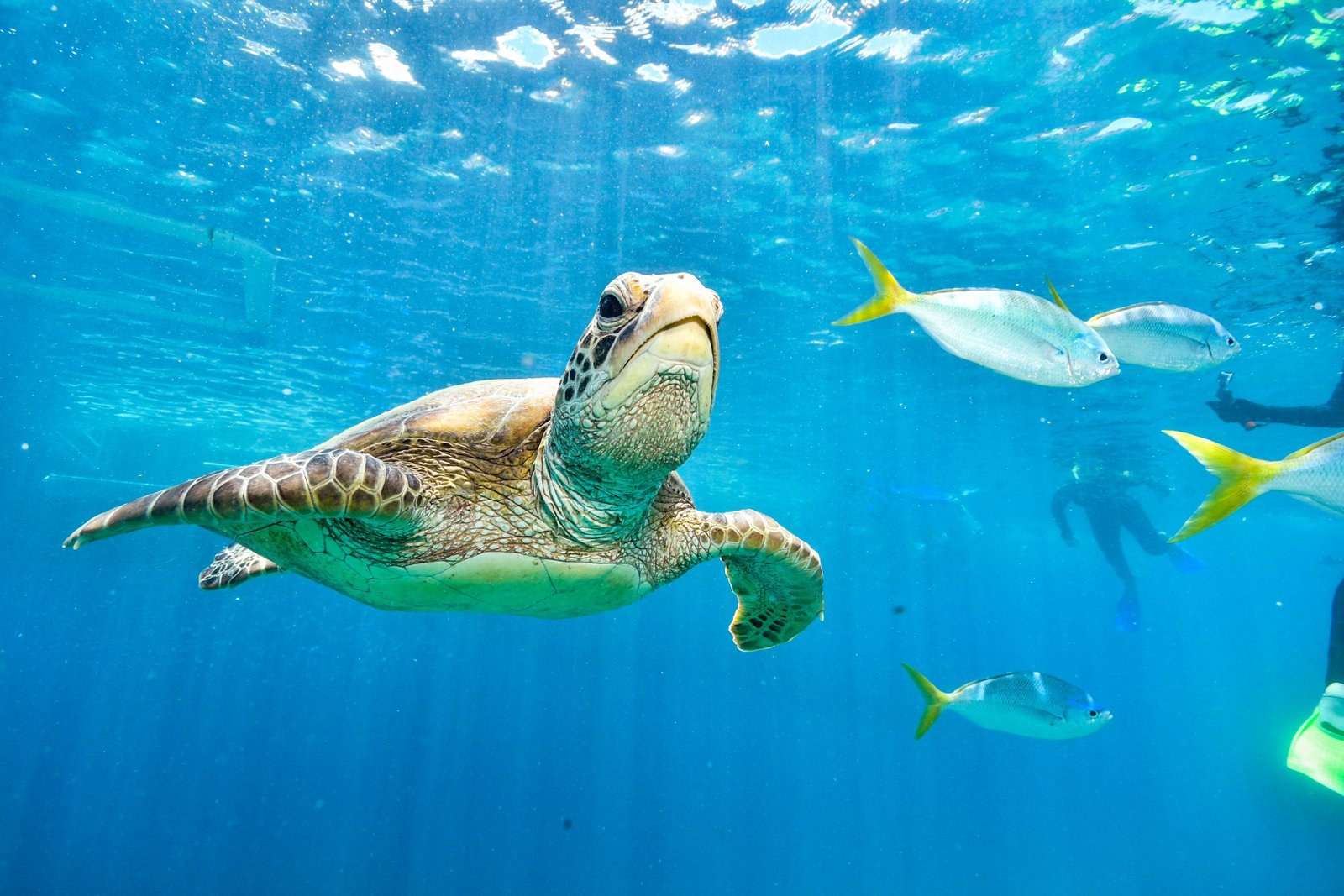
Explore the remarkable life cycle, habitats and migrations of marine turtles while learning about the challenges they face in the wild. Students are inspired to take practical action to help protect these iconic marine reptiles through hands-on learning and an optional beach clean-up activity
Central Coast Marine Discovery Centre
Based in Terrigal, the Central Coast Marine Discovery Centre provides engaging marine and coastal education programs for primary and secondary students. Their hands-on fieldwork experiences allow students to investigate local ecosystems, collect scientific data, and develop a deeper understanding of marine environments. Curriculum-linked excursions are delivered by qualified educators and support learning in Science, Geography and environmental education through authentic, real-world investigations.
Port Macquarie Marine Discovery Centre
Students have hands-on opportunities to explore marine ecosystems, biodiversity, aquaculture and coastal conservation through interactive activities and live displays. Programs are available for learners from early childhood through to senior secondary and can be tailored to support a range of science and environmental learning outcomes.
Learning about the Water Industry in NSW
This website provides a range of curriculum-linked resources, activities, virtual learning experiences, and excursion opportunities that help students learn about water cycles, catchments, dams, waterways, and sustainable water management in Australia.
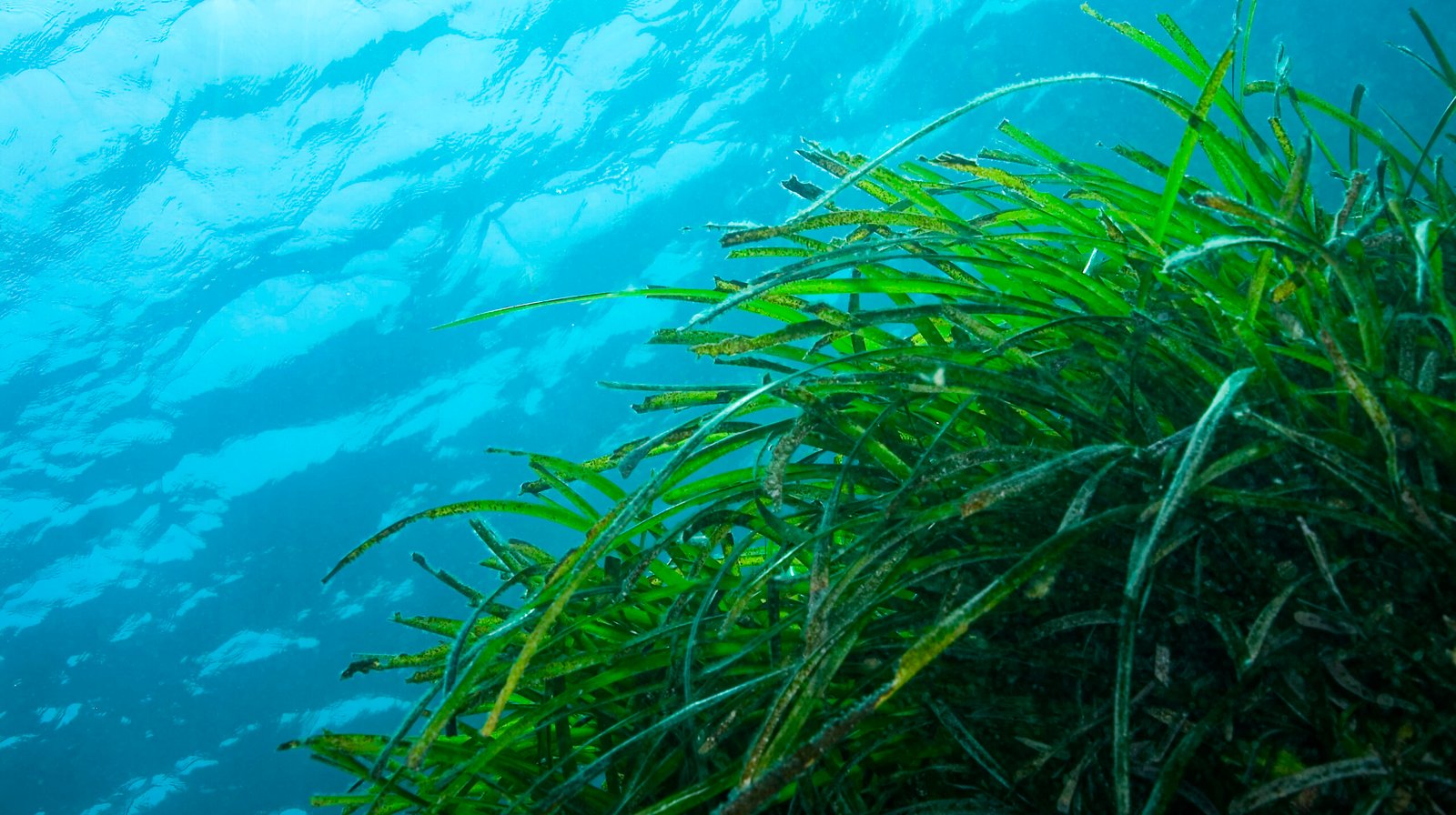
Seagrass Educators Handbook
The teaching guide provides educators with background information, lesson ideas, and practical activities to help students learn about seagrass ecosystems, their ecological importance, and the methods used to monitor and protect them through citizen science.
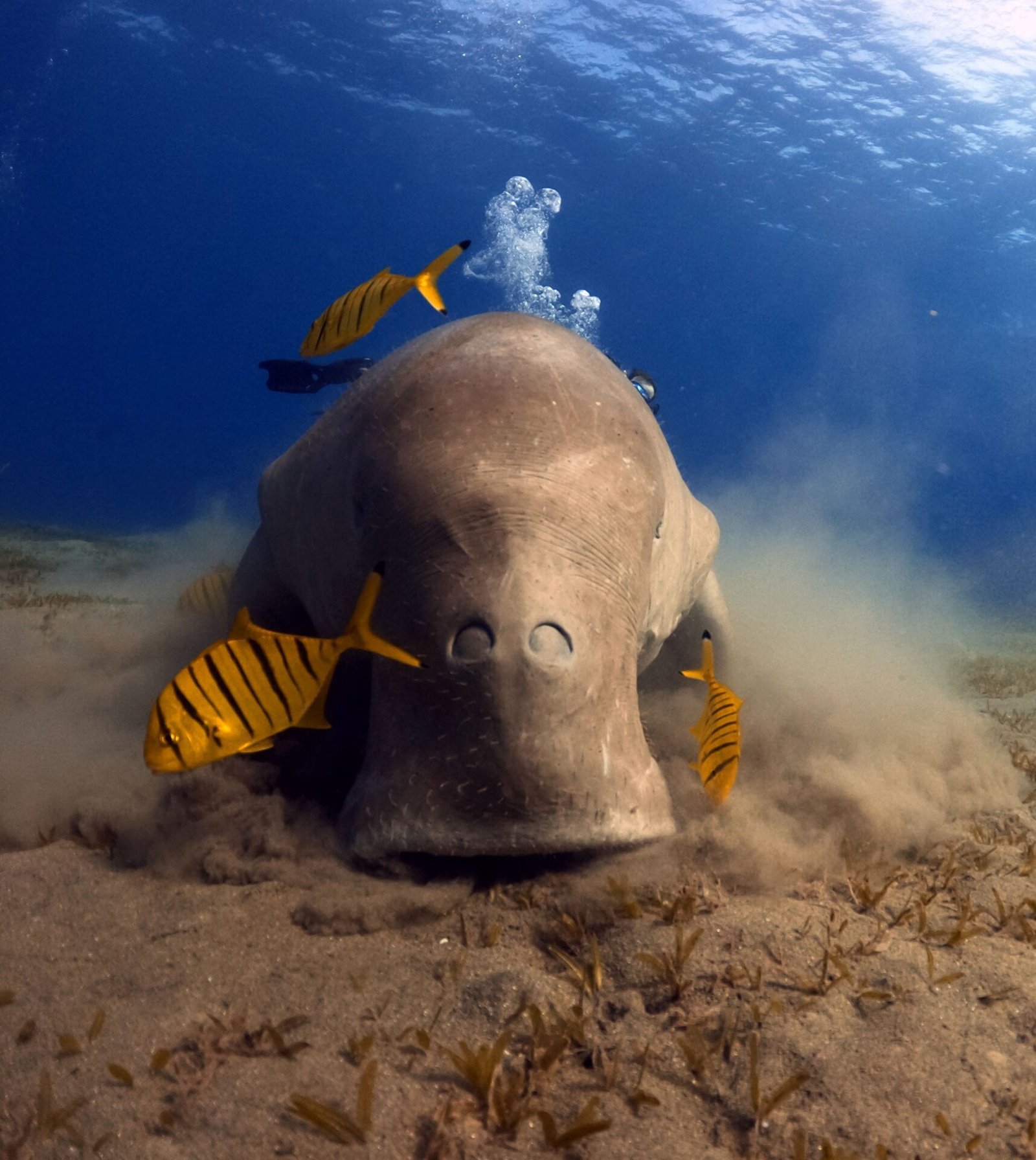
Seagrass-Watch Junior Activity Book
This activity book is a student-friendly resource that uses simple activities and games to teach younger learners about seagrass ecosystems, the animals that live in them, and why these habitats need to be protected.
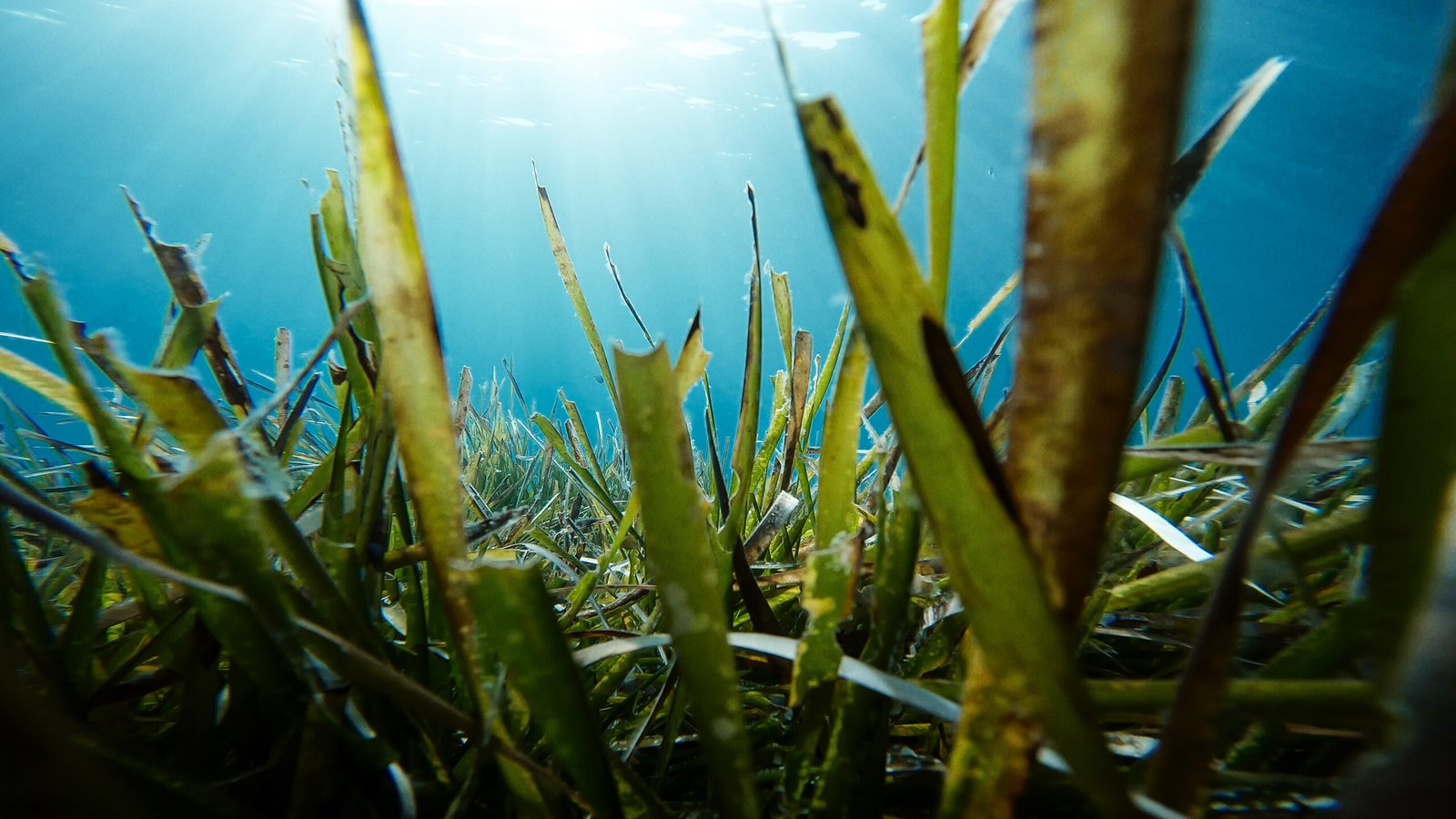
Seagrass-Watch
This website is a teaching and learning resource that helps students and teachers understand seagrass ecosystems and why they are important. It provides educational materials such as videos, activity books, posters, and teacher guides that explain seagrass biology, its role in supporting marine life, and the threats it faces from human impacts and climate change.
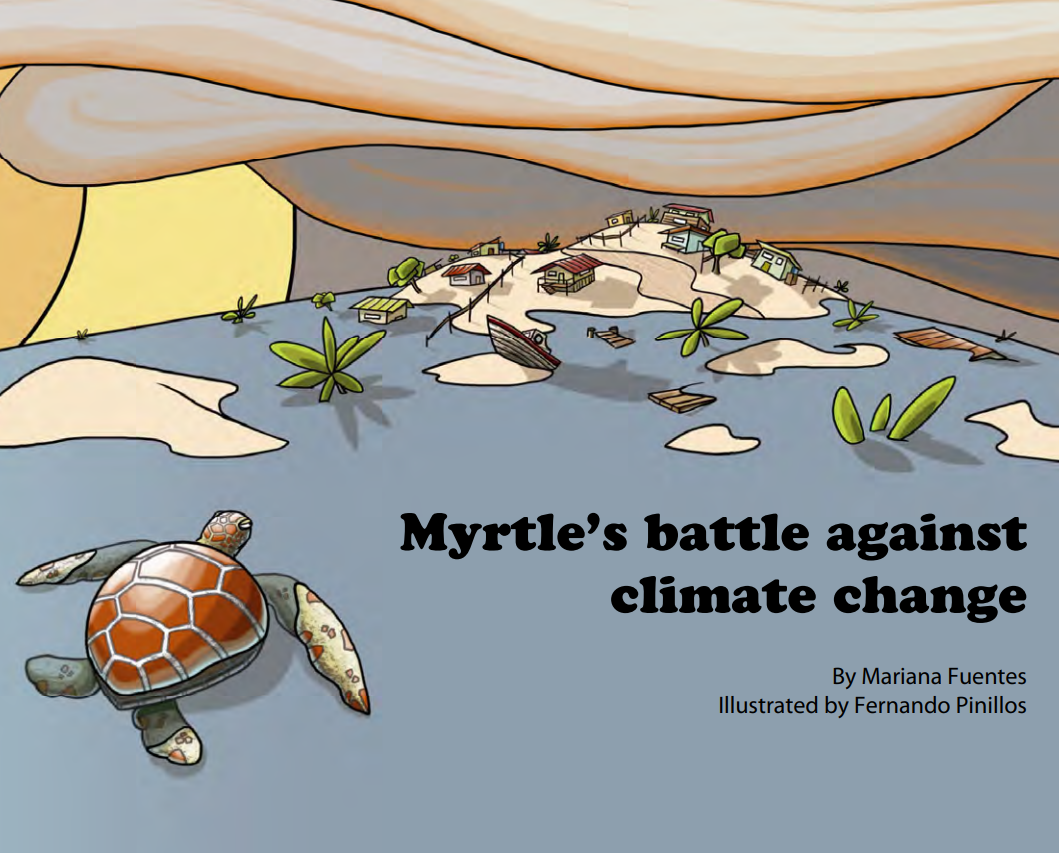
Myrtle’s battle against climate change
This educational story based on real research about sea turtles and the impacts of climate change in the northern Great Barrier Reef. It follows a satellite-tagged turtle named Myrtle to show how changing ocean conditions, especially warming seas and habitat loss, affect turtle survival and highlight the importance of protecting marine ecosystems.
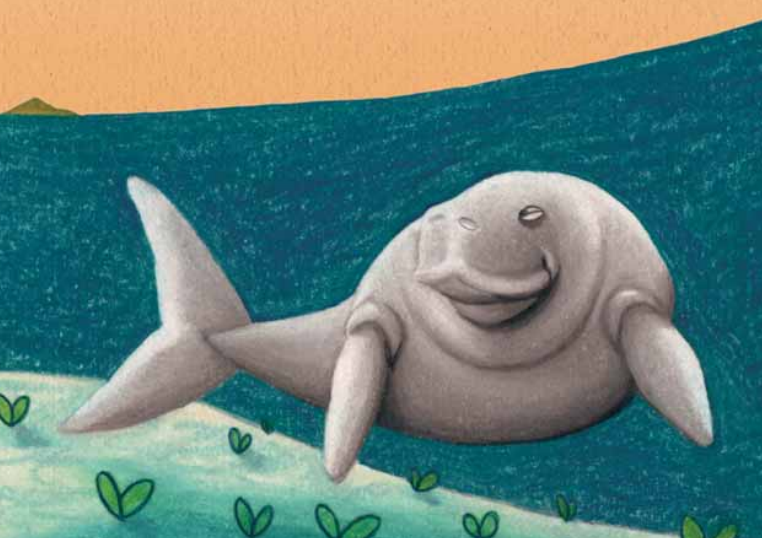
Dhyum the Dugong
This educational story about a real dugong named Dhyum that was satellite-tagged in the Torres Strait. It follows Dhyum’s journey to teach readers about dugongs, their dependence on seagrass habitats, and the importance of protecting marine environments.
Indigenous weather knowledge
This resource explains how Aboriginal and Torres Strait Islander peoples use Indigenous seasonal calendars and environmental knowledge based on long term observation of plants, animals, and weather patterns to understand and interpret Australia’s climate and seasonal change.