

Dharawal language lesson: What fish is this?
Join science presenter Laura Wells and Ray Ingrey from the Gujaga Foundation in a special lesson held on the Dharawal lands of La Perouse, Sydney. Students will learn about what sea country and sustainable seafood mean, and then follow Laura and Ray on a walk to learn the words for different seafood species in the Dharawal language and hear how those species have been traditionally harvested and cared for by Indigenous peoples at La Perouse.
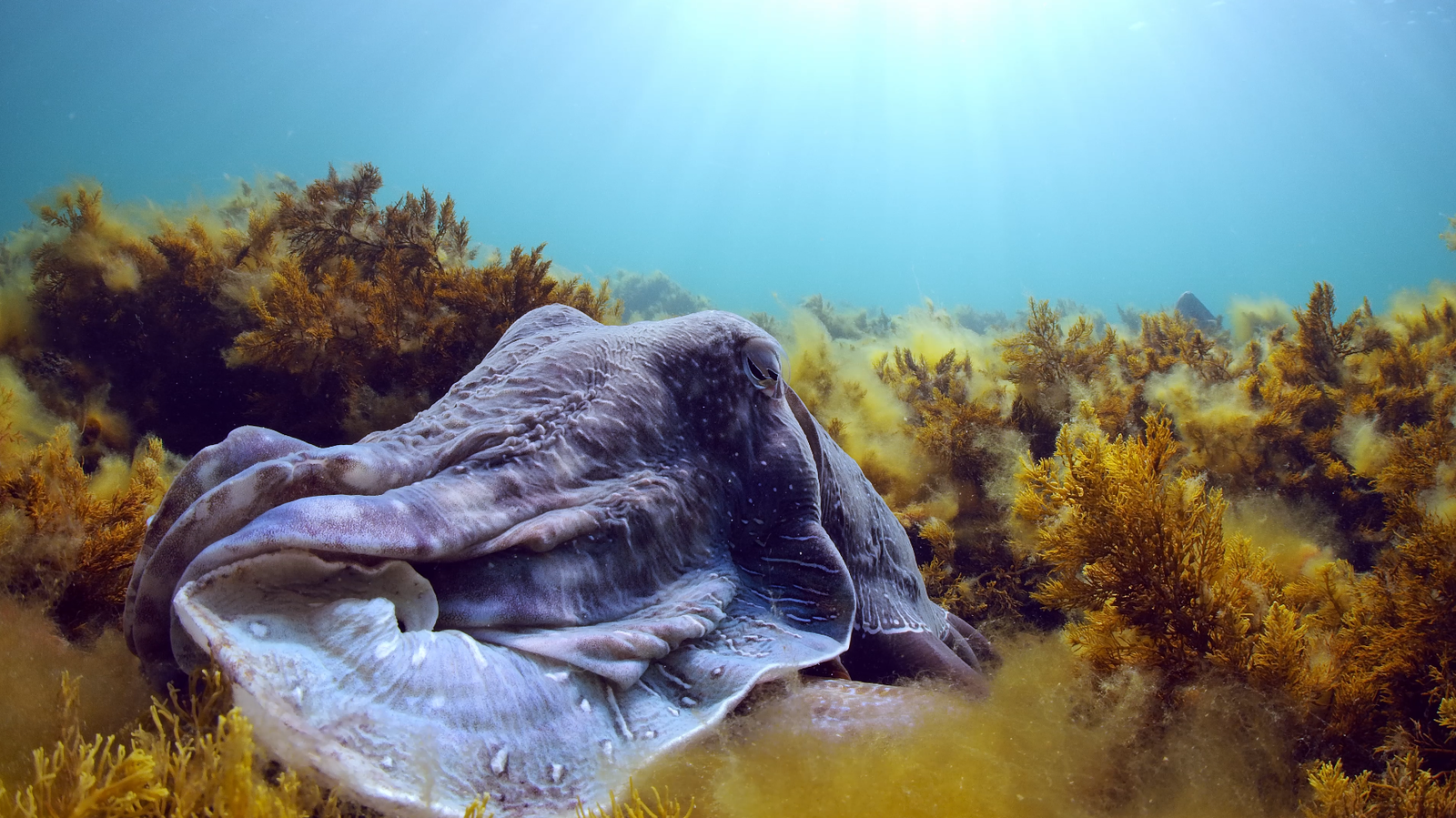
The Rise, Fall and Recovery of the Giant Australian Cuttlefish
This 3 part case study invites you to step into the role of a marine scientist and investigate the incredible story of the Giant Australian Cuttlefish aggregation in South Australia’s Upper Spencer Gulf. Along the way, you’ll discover what makes cephalopods so fascinating, why the area is such an important breeding ground, and how species like cuttlefish can experience dramatic population changes over time.
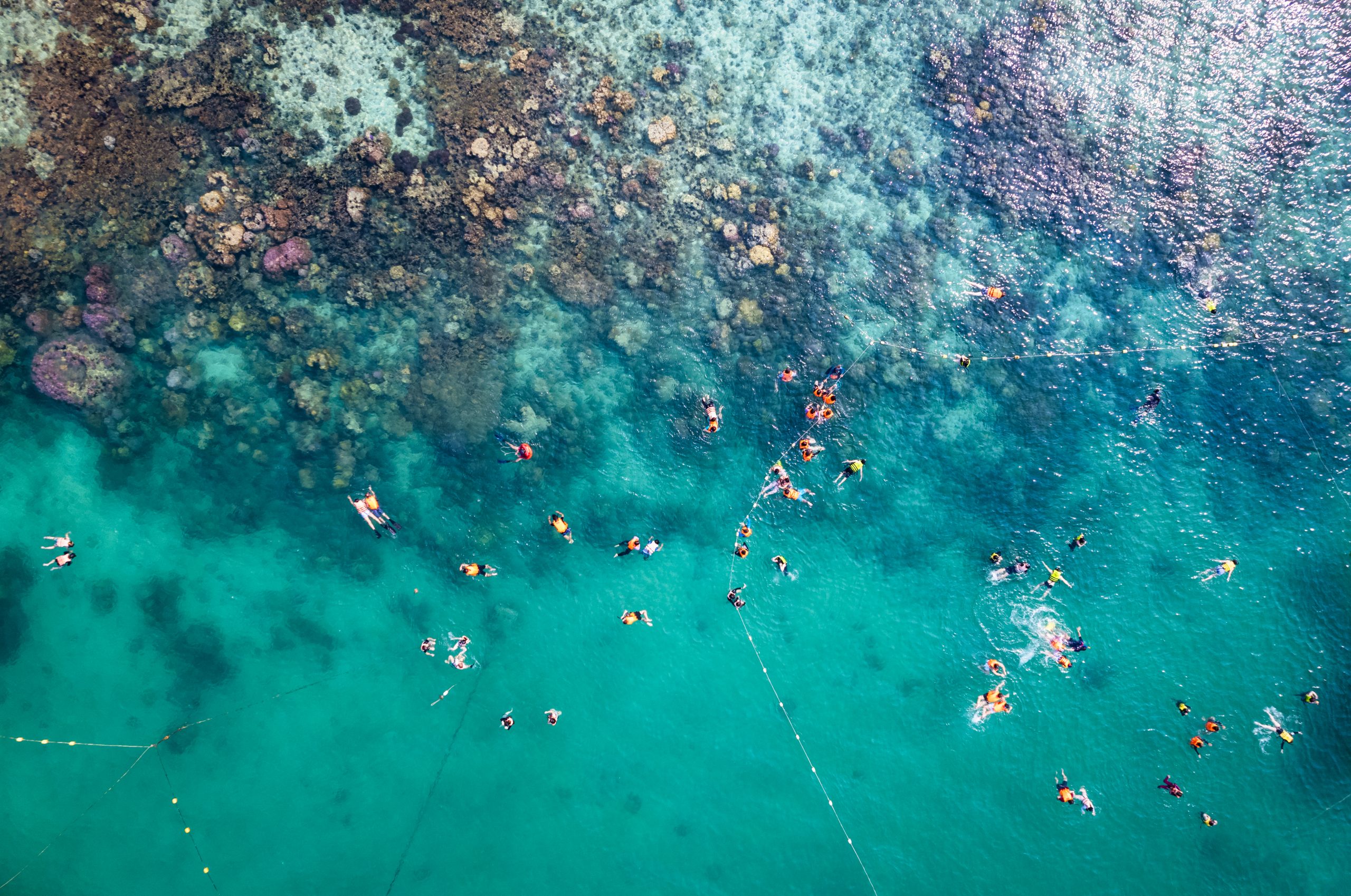
Reef Guardian School
Reef Guardians curriculum aligned education resources cover a range of topics to teach and learn about the Great Barrier Reef including climate change, World Heritage and Cultural values, sustainability, wetlands, threats and biodiversity. Follow the link to find resources, including our Reef Beat poster series, unit plans, activity sheets, videos and much more!
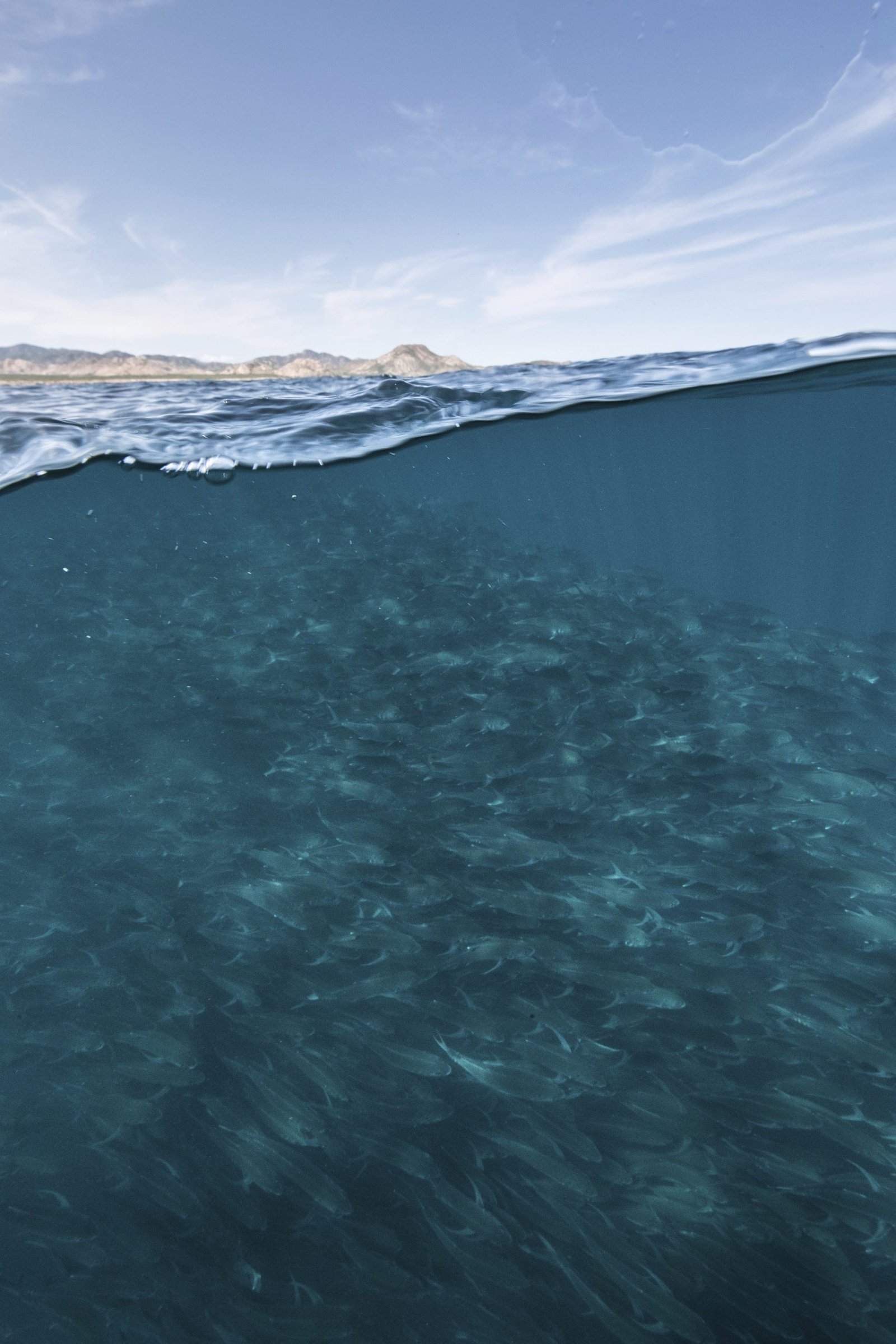
Leaders for Sustainability Program
Leaders for Sustainability is an award-winning program where a qualified EcoCentre facilitator helps students develop leadership skills and environmental knowledge over a term, culminating in a student-led sustainability project. Full scholarships are available to schools within Bayside City Council and the City of Port Phillip.
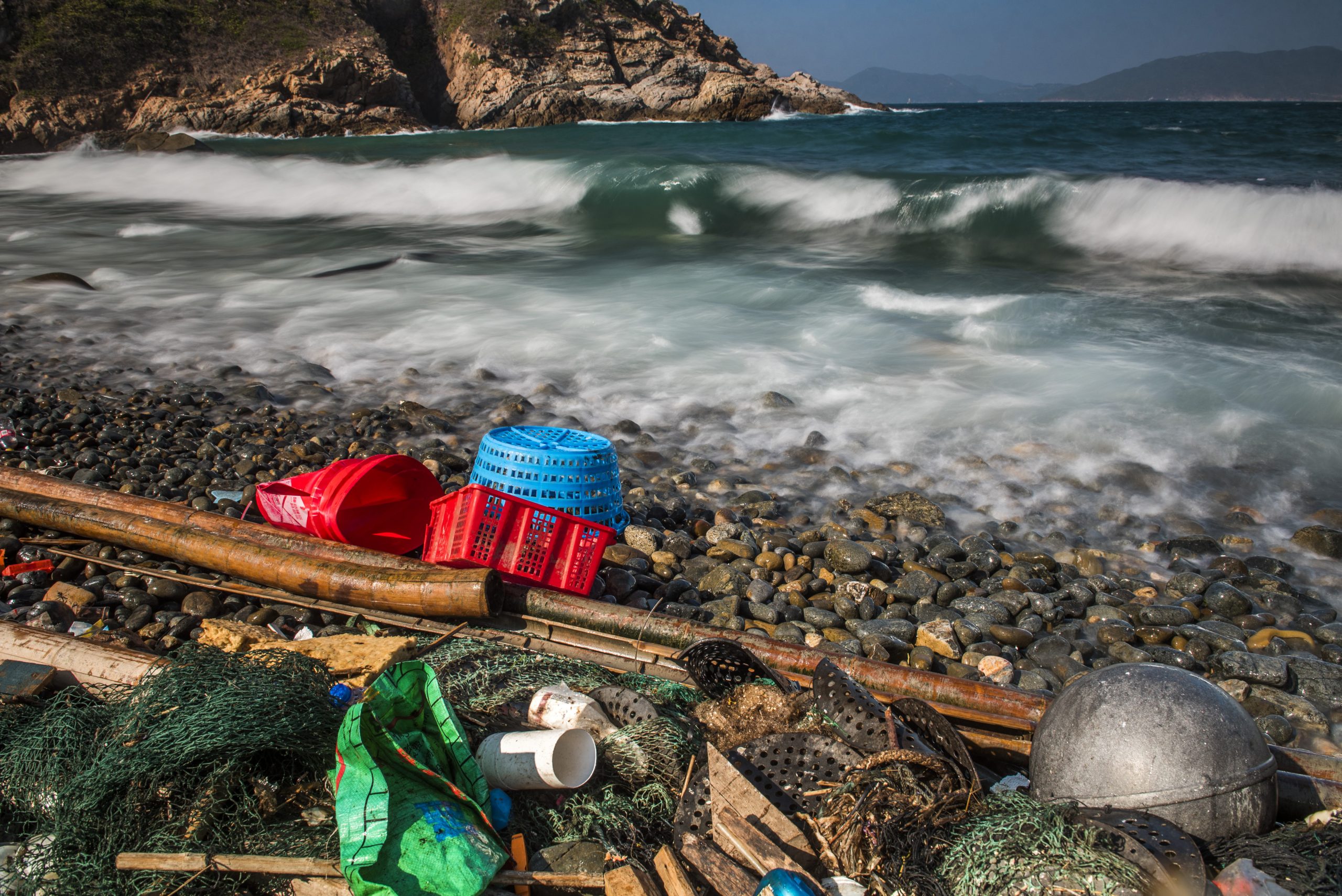
Plastic pollution, what’s the solution?
The external provider, Cetacean Science Connection, offers an incursion that uses the design-based thinking process. In this program, students will develop solutions to reduce marine plastic pollution, whether by collecting it at the source, on the beach or in a gyre, or by changing human behaviour. This real-world STEM problem, if solved, could not only reduce the risk of injury or death to marine wildlife, but also improve the lives of coastal communities around the world.
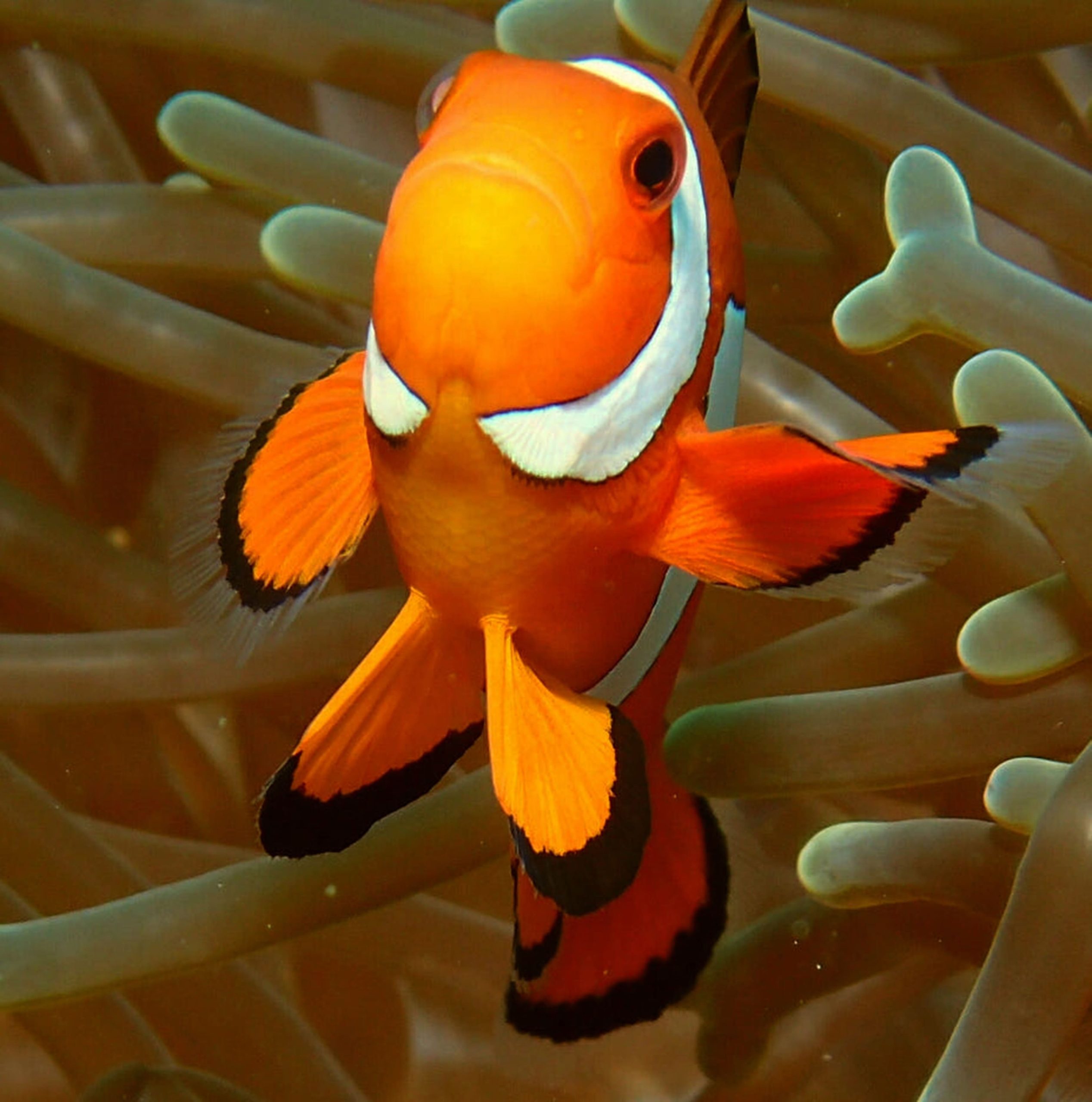
Science Talk
Science Talk is a video series featuring scientists from around the world and their fascinating research on our blue backyard. Topics include nightmarish deep-sea discoveries, coral larvae ecology, reef restoration, and whether magnets can repel sharks from fishing nets—plus much more.

Oceanpedia
Oceanpedia is a multimedia library that allows users to explore the animals, habitats and issues facing our marine world. These short video clips have been drawn from thousands of hours spent underwater from the Biopixel archives.
GoodFish
The GoodFish app and website is your ultimate resource for teaching tools and materials that promote seafood sustainability and ocean conservation. It provides accessible information to help students understand the impact of fishing on marine ecosystems, empowering them to make informed, sustainable choices.
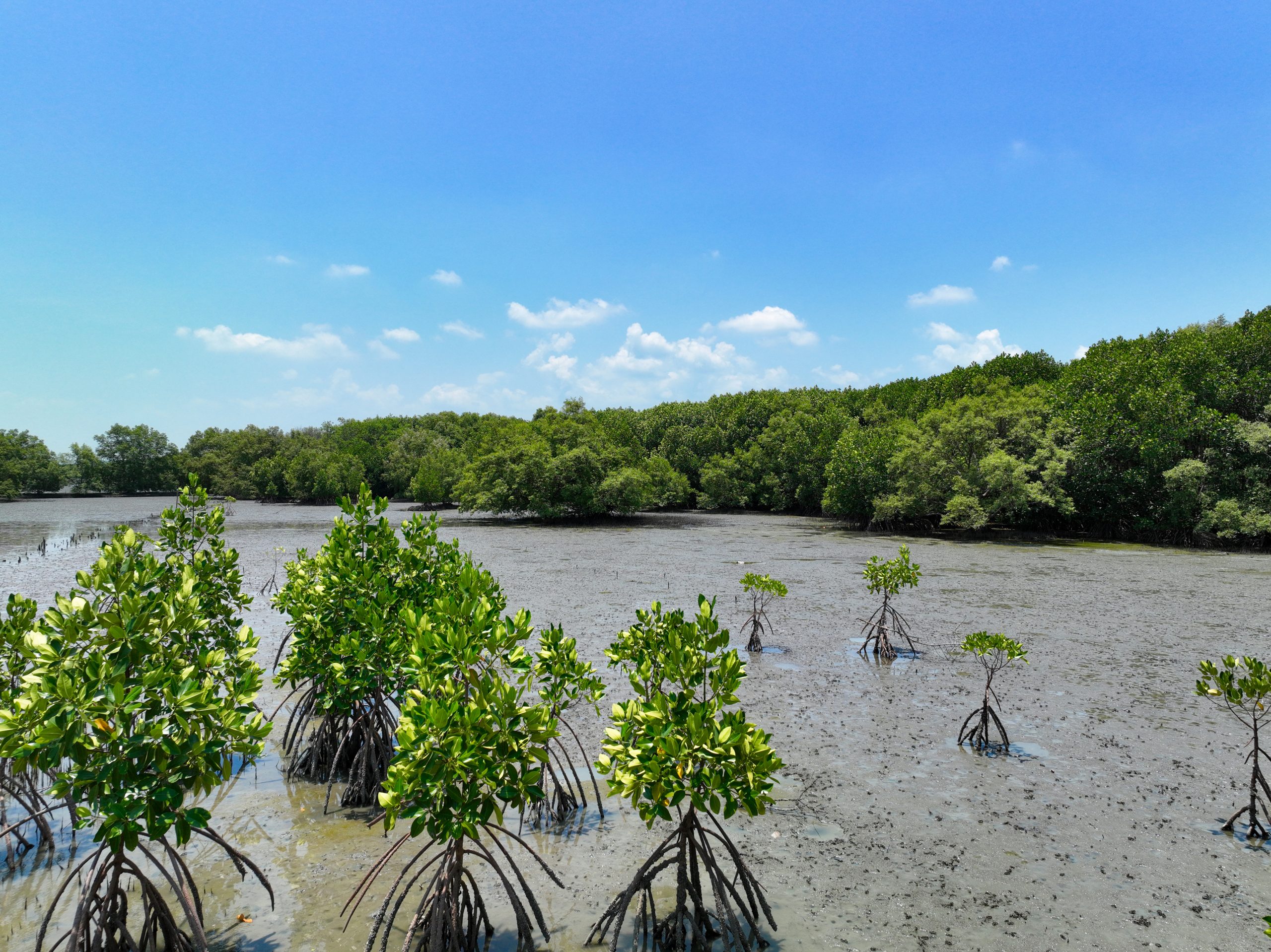
MangroveWatch – A Citizen Science Project
This unit focuses on introducing students to mangrove and salt marsh ecosystems and exploring their values and attitudes towards conservation research.
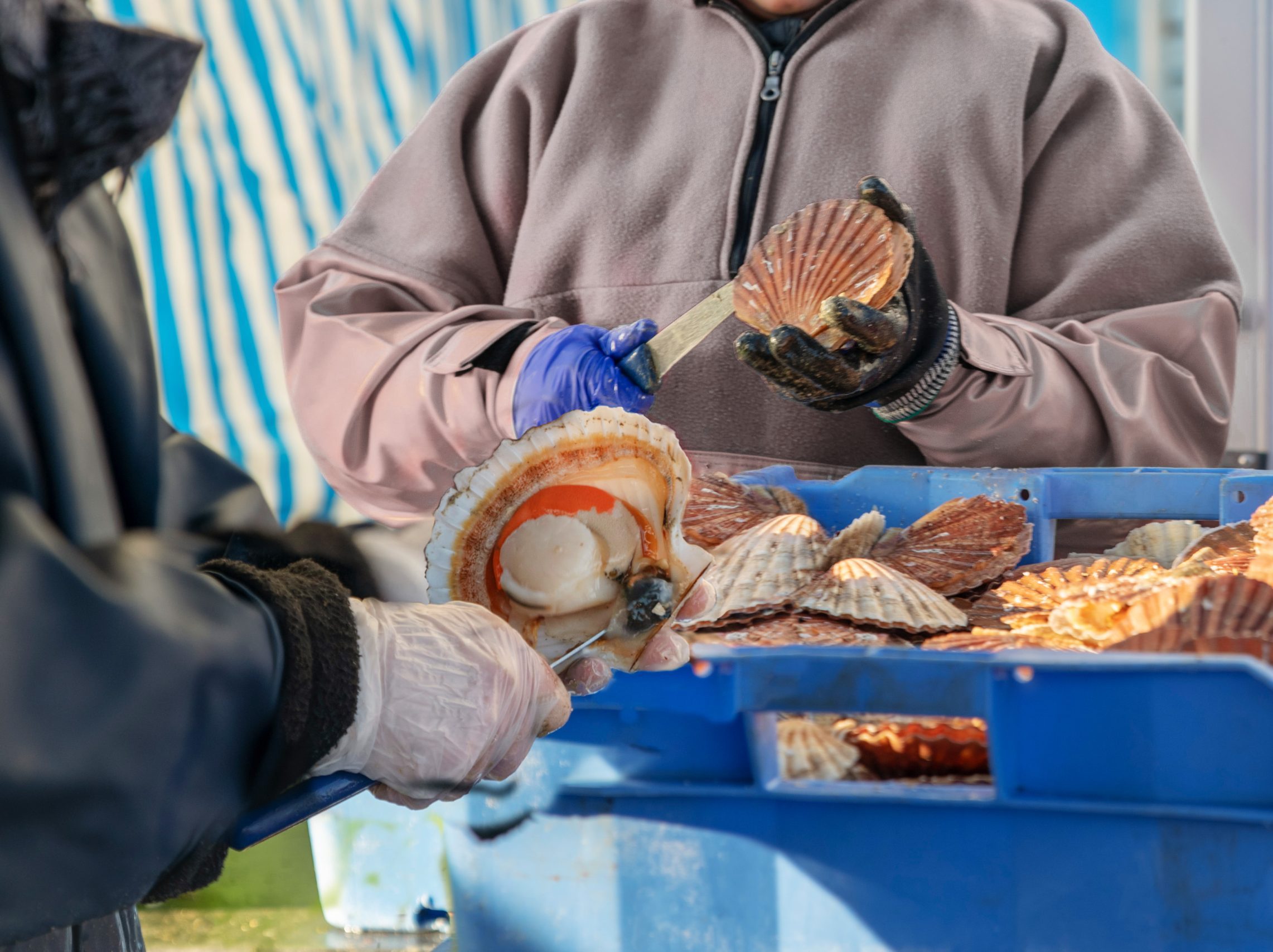
Scallops: Witness to Climate change
Students learn about a saucer scallop fishery around the Abrolhos Islands of Western Australia, where climate change and marine heatwaves are having a serious impact on fishing activities.