
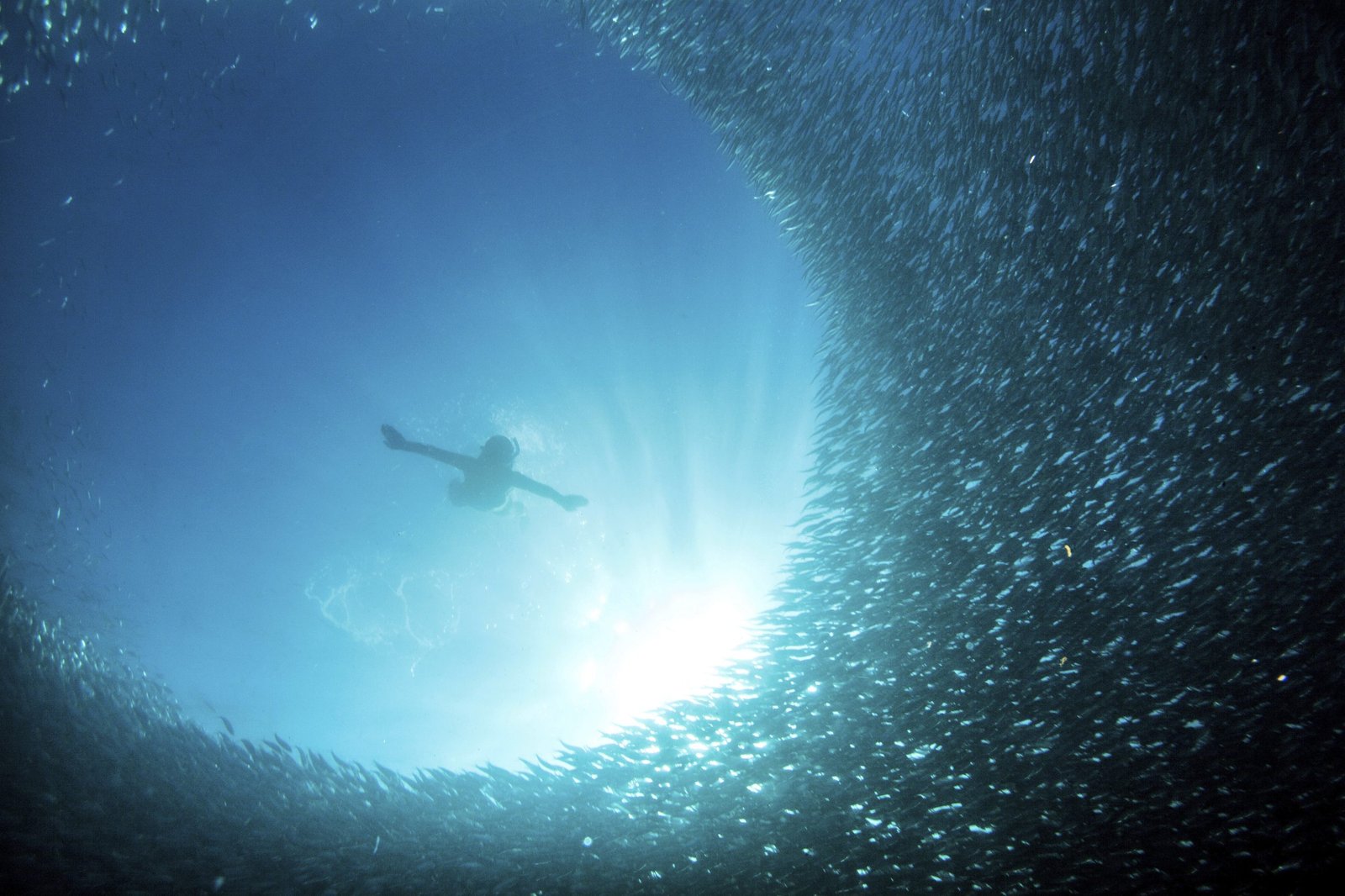
Oceans at Risk
This HASS lesson asks students to consider how the ocean is essential for life on earth. Learners discover how the oceans are at risk from overfishing, and discuss what they can do about it.
The Blue Fish Tick
The Marine Stewardship Council (MSC) is on a mission to end overfishing. This 40-60 minute lesson for years 5 and 6, will introduce learners to the MSC Standard for sustainable fishing.
Why do we need the ocean?
In this Geography lesson for years 9-10, learners will explore why we need the ocean, what global fishing activities look like around the world and some of the pressures on it from overfishing.
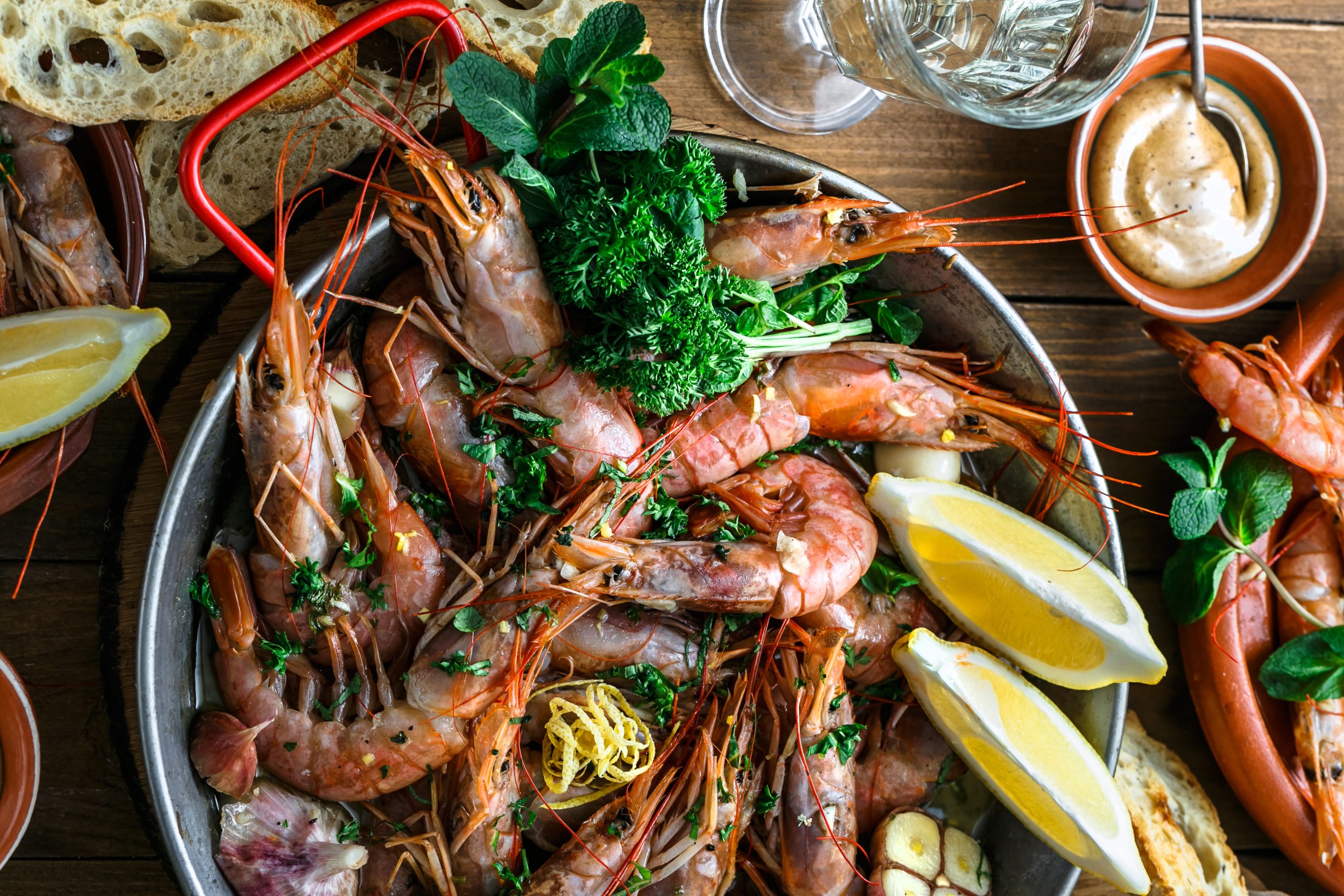
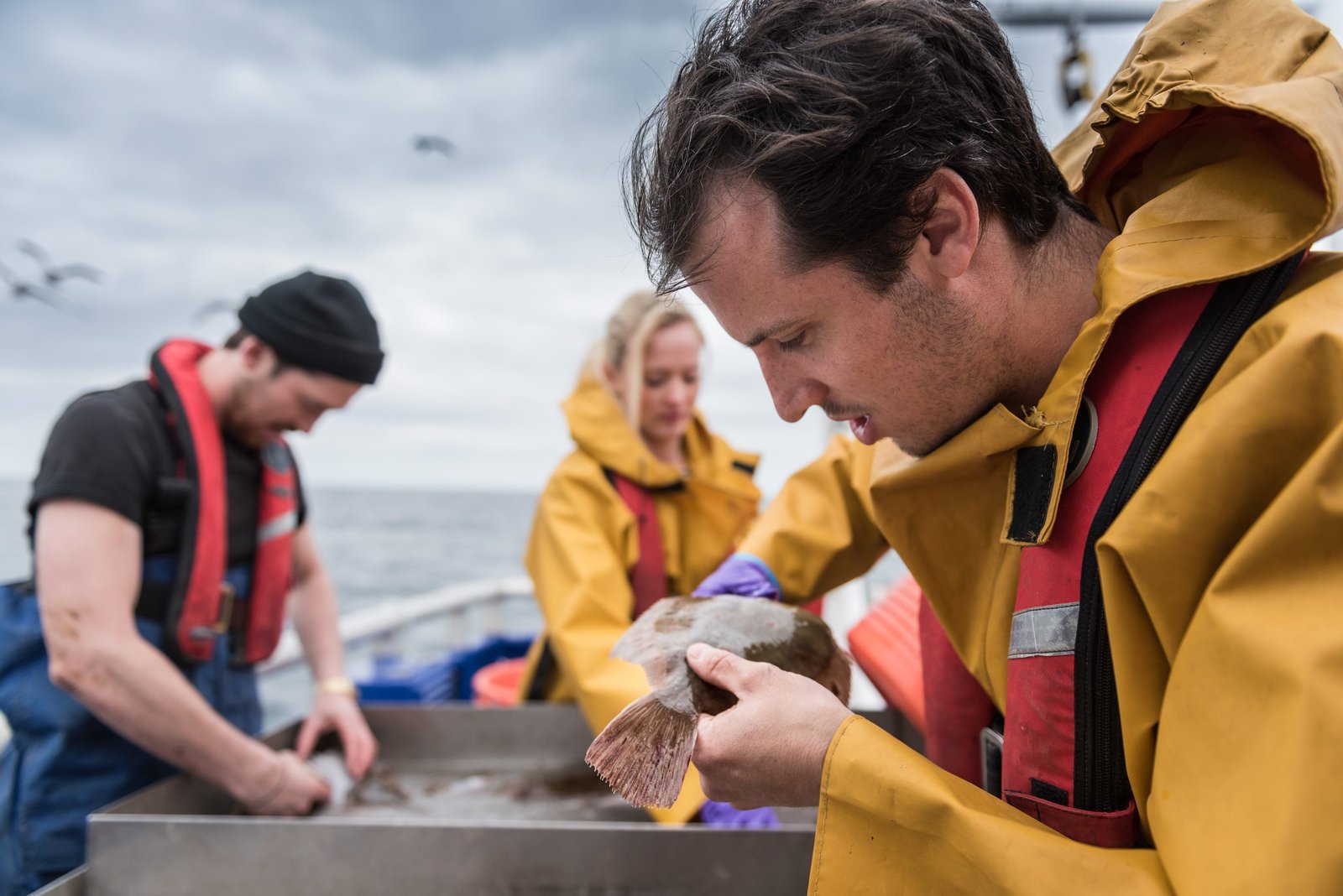
Food: Different by Design
This 40-60 minute lesson for ages 12+ will introduce learners to some of the ways that seafood production can be designed for a more sustainable future. Learners will discover some of the innovations being made in aquaculture and wild fishing to help reduce pollution and entanglements with marine wildlife.
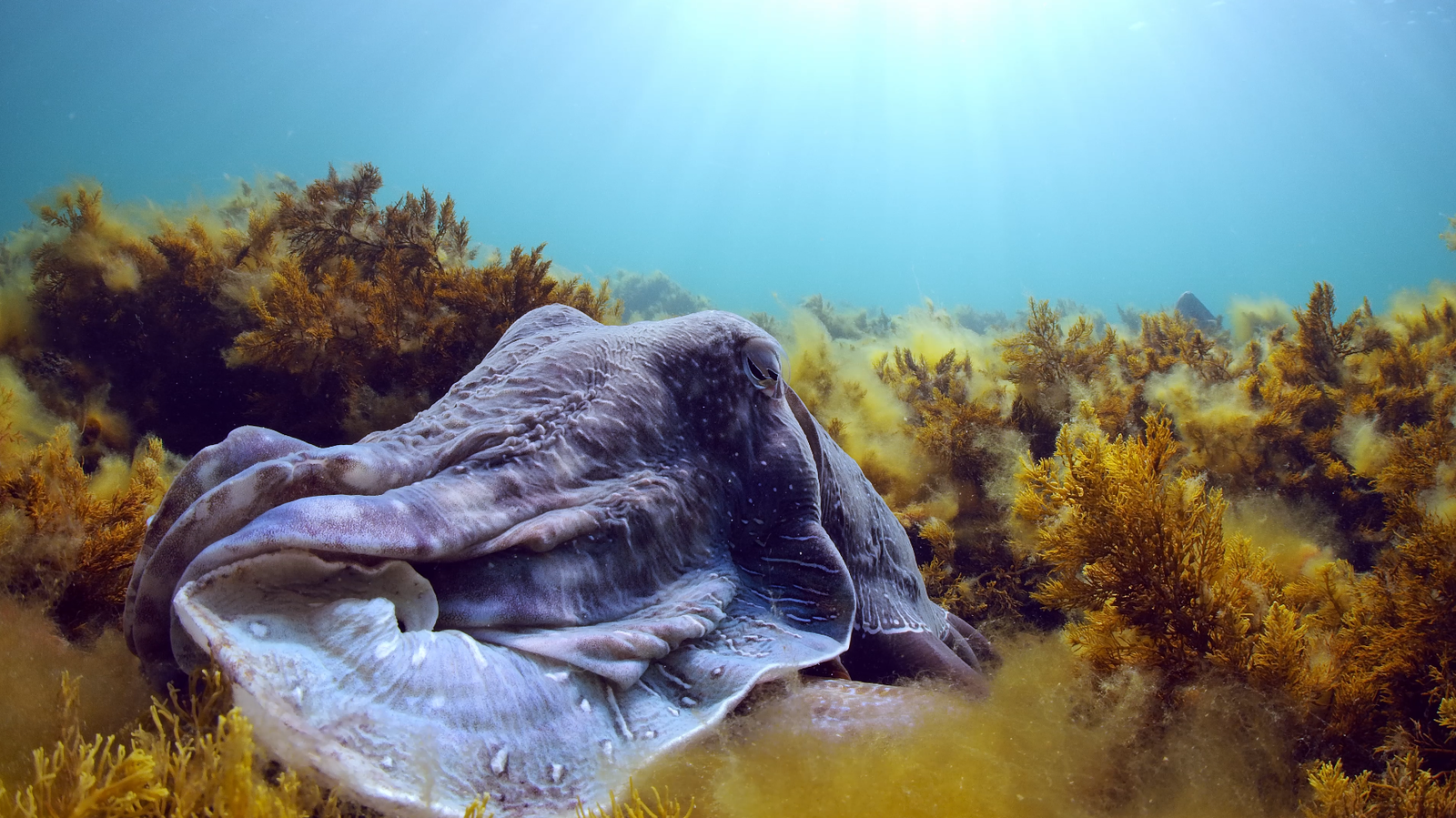
The Rise, Fall and Recovery of the Giant Australian Cuttlefish
This 3 part case study invites you to step into the role of a marine scientist and investigate the incredible story of the Giant Australian Cuttlefish aggregation in South Australia’s Upper Spencer Gulf. Along the way, you’ll discover what makes cephalopods so fascinating, why the area is such an important breeding ground, and how species like cuttlefish can experience dramatic population changes over time.
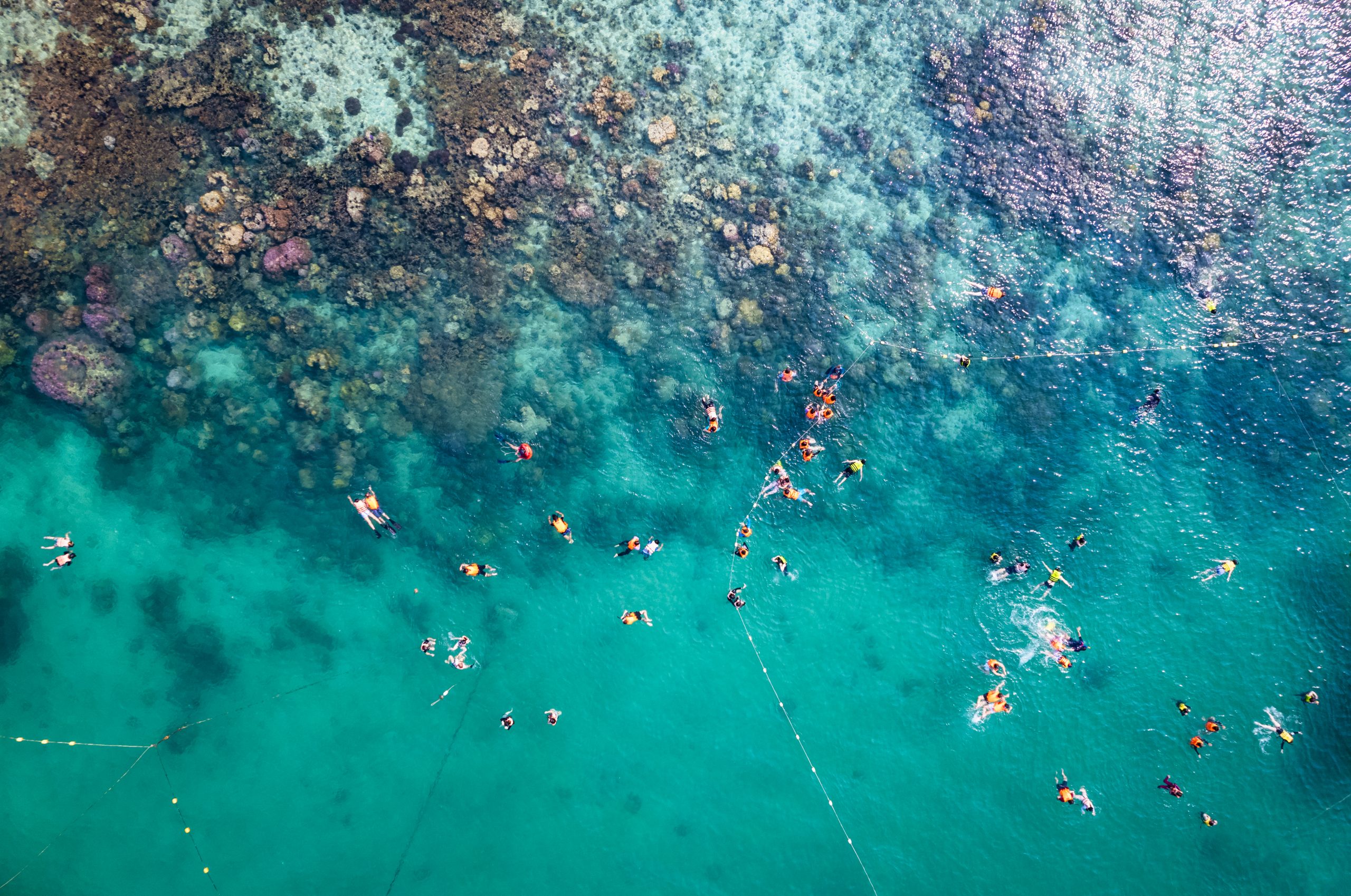
Reef Guardian School
Reef Guardians curriculum aligned education resources cover a range of topics to teach and learn about the Great Barrier Reef including climate change, World Heritage and Cultural values, sustainability, wetlands, threats and biodiversity. Follow the link to find resources, including our Reef Beat poster series, unit plans, activity sheets, videos and much more!
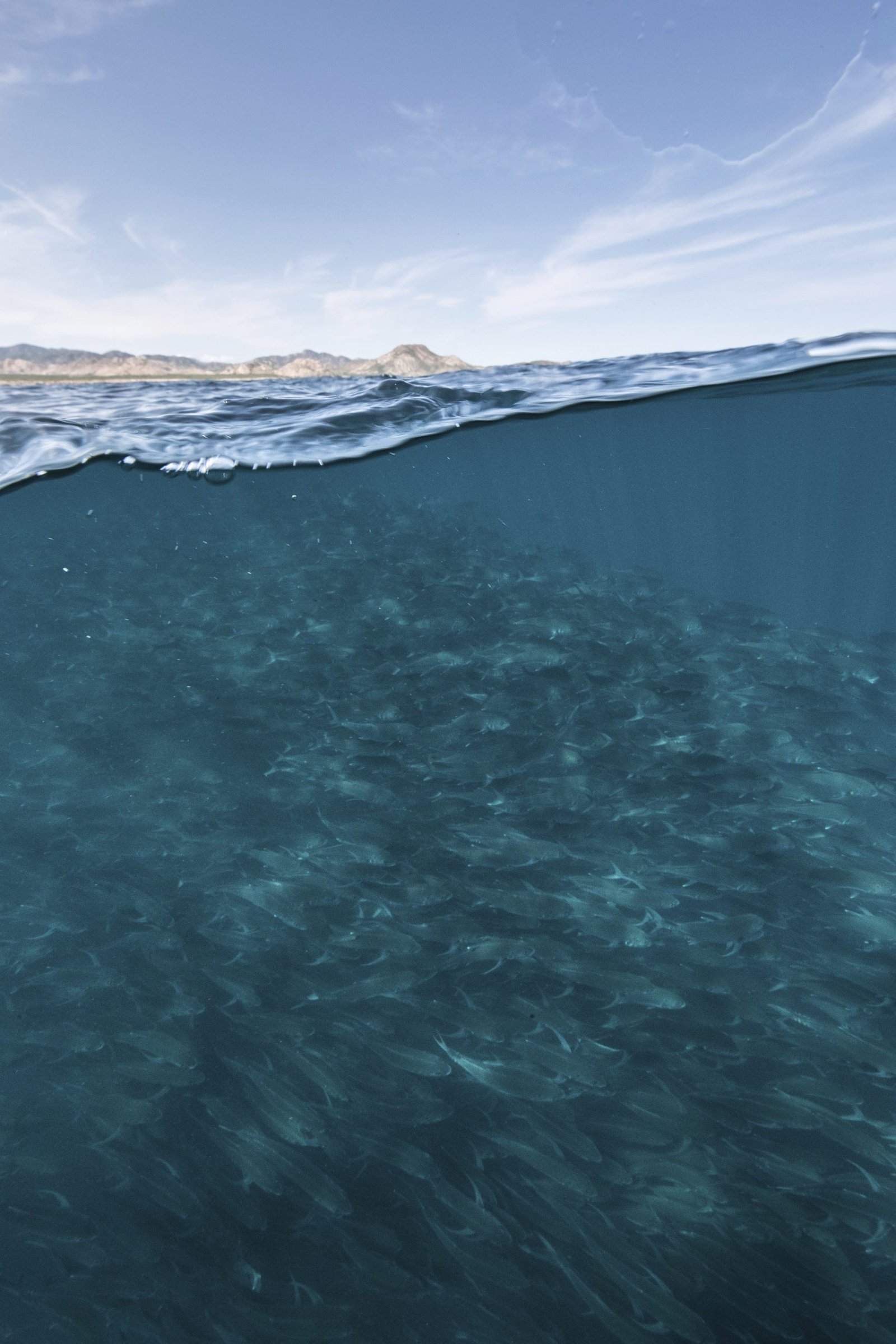
Leaders for Sustainability Program
Leaders for Sustainability is an award-winning program where a qualified EcoCentre facilitator helps students develop leadership skills and environmental knowledge over a term, culminating in a student-led sustainability project. Full scholarships are available to schools within Bayside City Council and the City of Port Phillip.
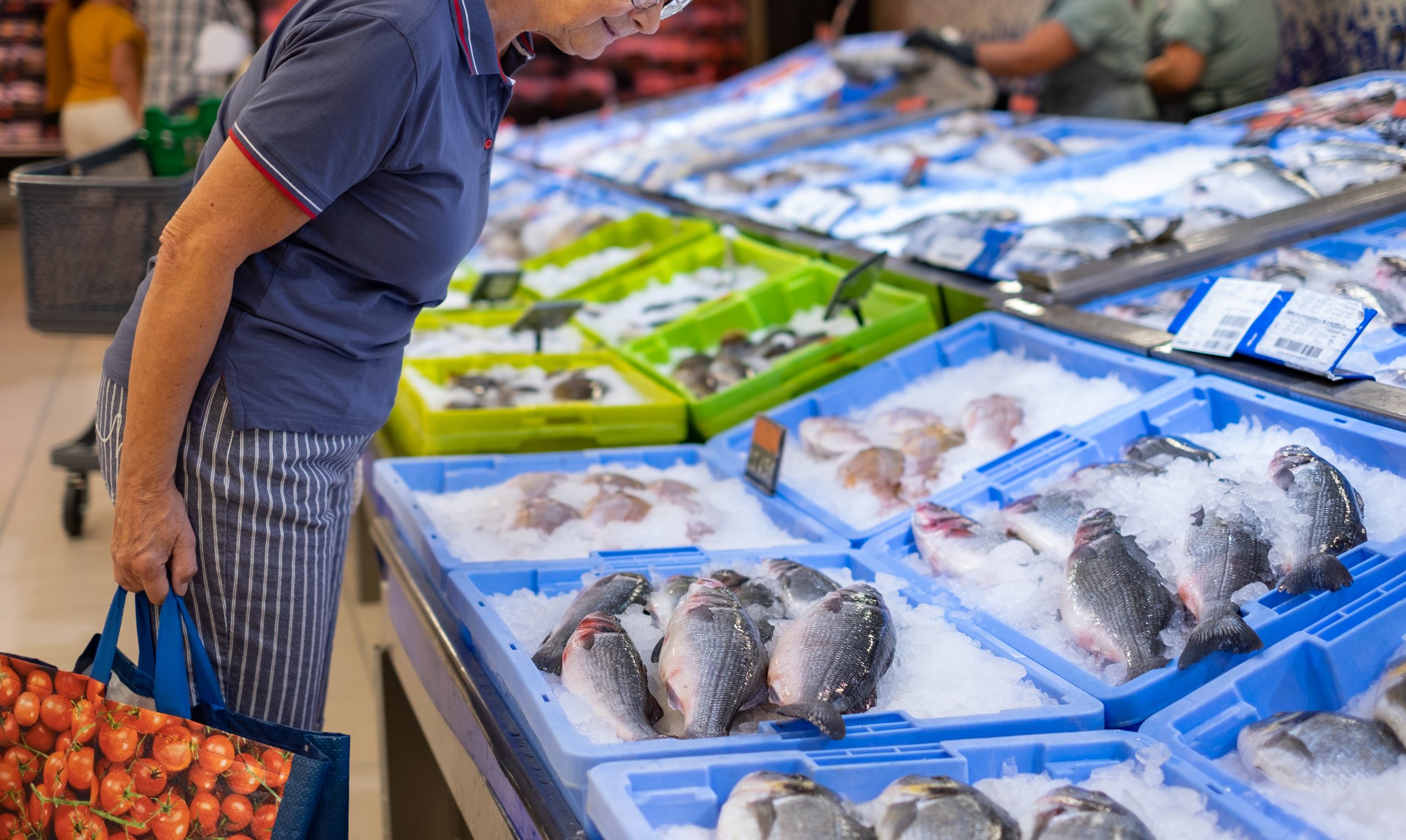
For the Juniors: Fish from the ocean to table
This video and activities introduces children to the journey of fish from the ocean to their plate, exploring topics such as sustainable fishing practices, the impact of overfishing, and how seafood is harvested and processed. The content aims to educate young learners about marine ecosystems and the importance of making responsible food choices.
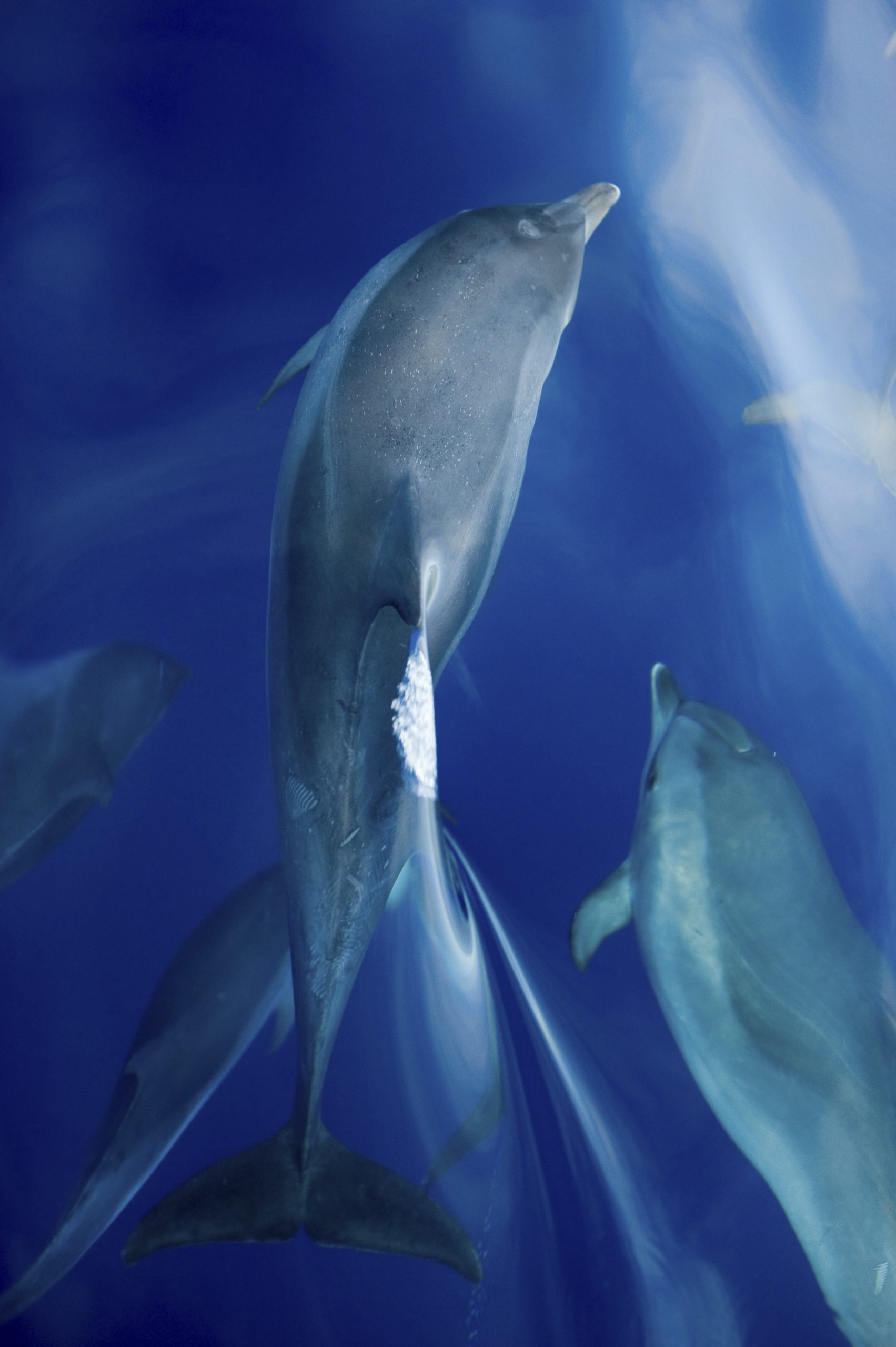
Dolphin ID – A Science Skill Session
The external provider, Cetacean Science Connection, offers a session that explores the process they use as cetacean scientists to identify individual dolphins, highlighting why this is a crucial aspect of their conservation efforts.
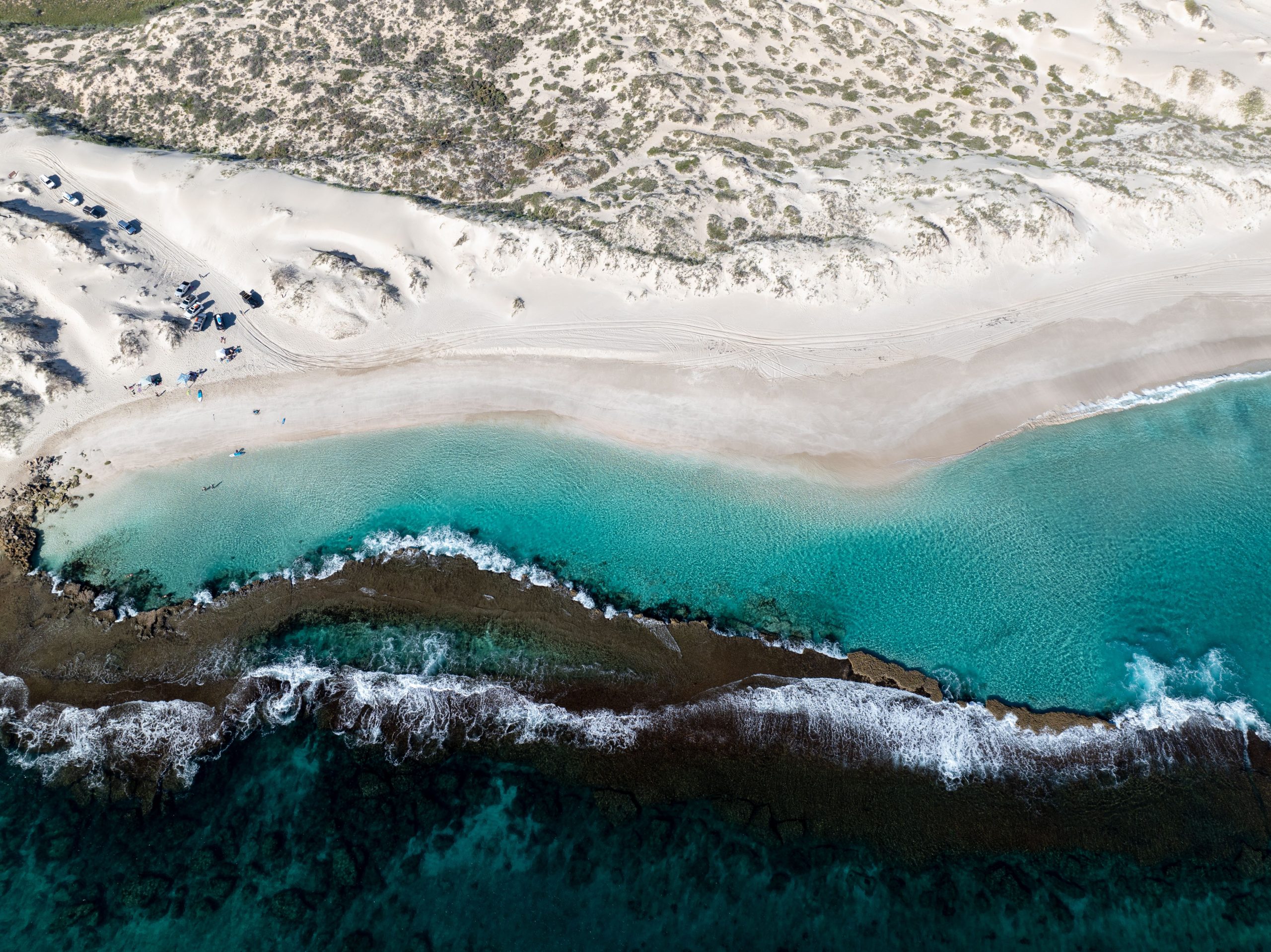
Narragunnawali – Caring for Country
Caring for Country – the land, seas, and skies on which we live and learn – is everyone’s responsibility. It’s important to recognise that there are many ways to take on and share this responsibility, with actions that may seem small but hold significant meaning. This resource explores the contributions of Aboriginal and Torres Strait Islander peoples and cultures to environmental management practices, including aquaculture.