
Victoria Bush Nippers Education Program
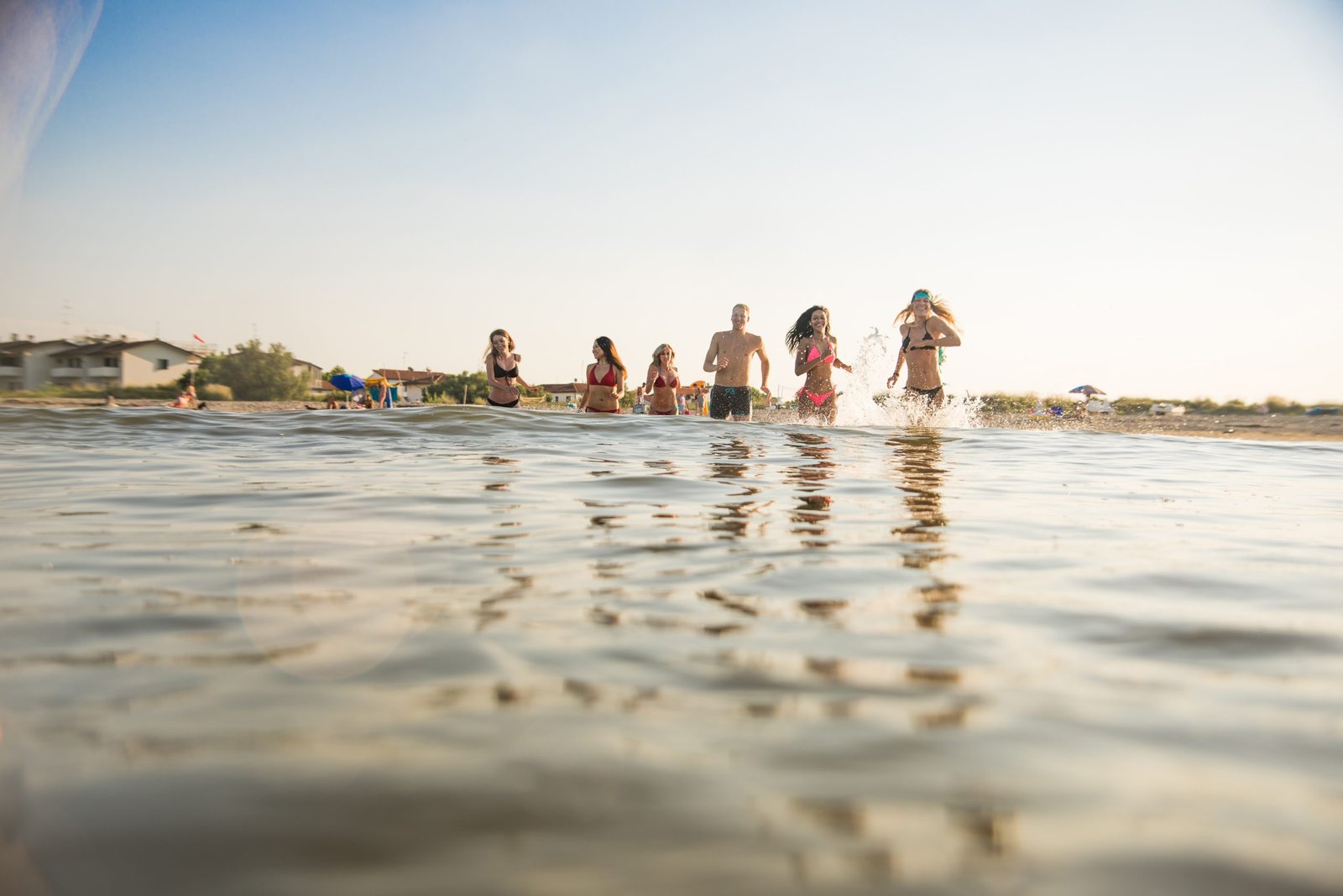
Bush Nippers is a regional and rural inland adaptation to coastal nipper education programs and our successful lifesaving education program, which aims to build lifesaving and water safety knowledge and skills of children aged 5 to 14 years in open water environments.
Victorian Lifesaving Education Programs
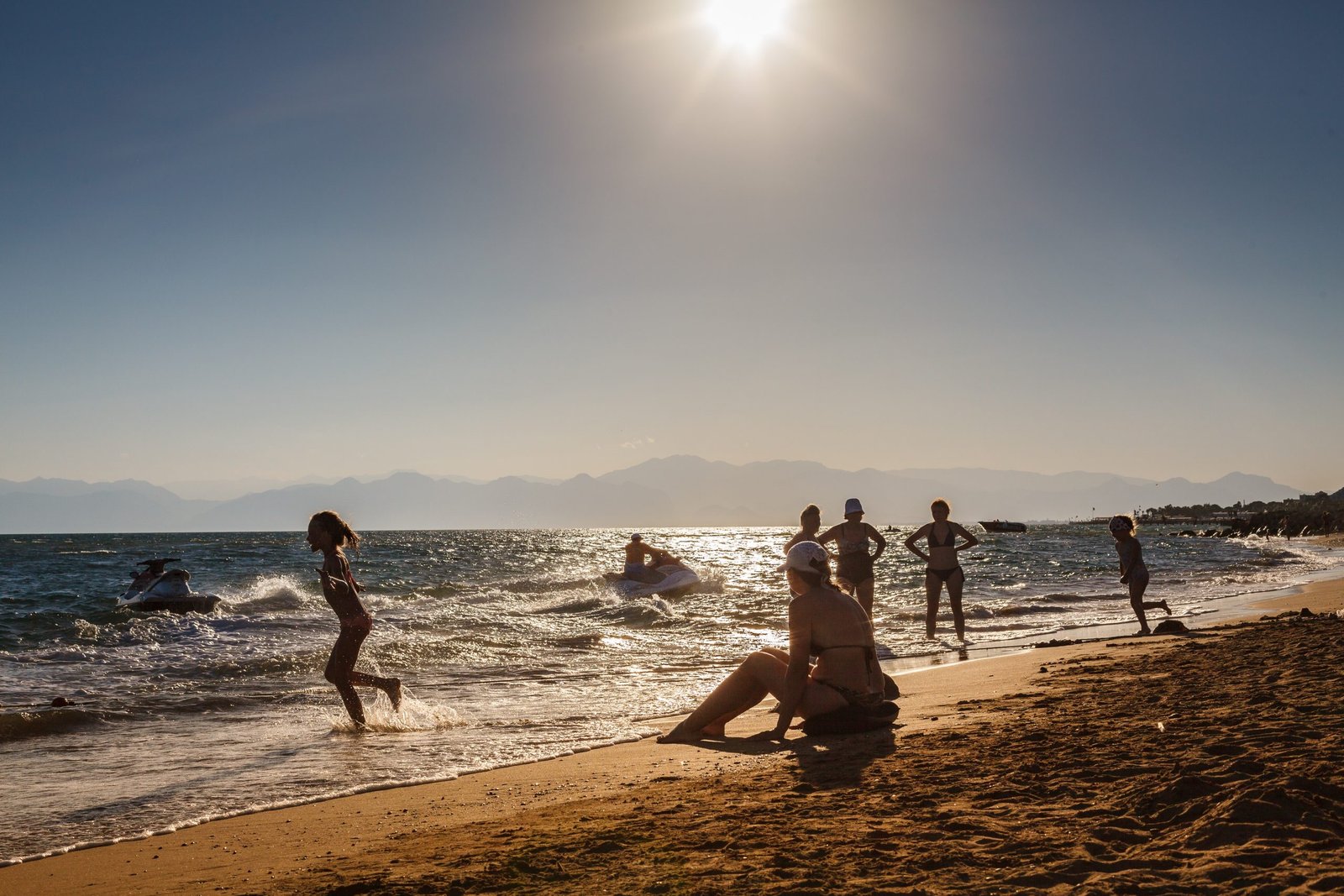
Life Saving Victoria’s Lifesaving Education Programs create ‘Everyday Lifesavers’ out of Victorian students, by teaching them practical and engaging water safety, lifesaving and emergency response skills. These skills empower students to make safe aquatic related decisions while enjoying their local waterways.
Swedish Ocean Literacy Resources
Explore ocean education and sustainable fishing lesson plans in Swedish from the Marine Stewardship Council.

Polish Ocean Literacy Resources
Explore ocean education and sustainable fishing lesson plans in Polish from the Marine Stewardship Council.
Finnish Ocean Literacy Resources
Explore ocean education and sustainable fishing lesson plans in Finnish from the Marine Stewardship Council.
Danish Ocean Literacy Resources
Explore ocean education and sustainable fishing lesson plans in Danish from the Marine Stewardship Council.
Portuguese Ocean Resources
Explore ocean education and sustainable fishing lesson plans in Portuguese from the Marine Stewardship Council.

German Ocean Education
Explore ocean education and sustainable fishing lesson plans in German from the Marine Stewardship Council.
Spanish Ocean Education
Explore ocean education and sustainable fishing lesson plans in Spanish from the Marine Stewardship Council.

Dharawal language lesson: What fish is this?
Join science presenter Laura Wells and Ray Ingrey from the Gujaga Foundation in a special lesson held on the Dharawal lands of La Perouse, Sydney. Students will learn about what sea country and sustainable seafood mean, and then follow Laura and Ray on a walk to learn the words for different seafood species in the Dharawal language and hear how those species have been traditionally harvested and cared for by Indigenous peoples at La Perouse.