
Revealing Marine Ecosystems: Teacher Resource Book
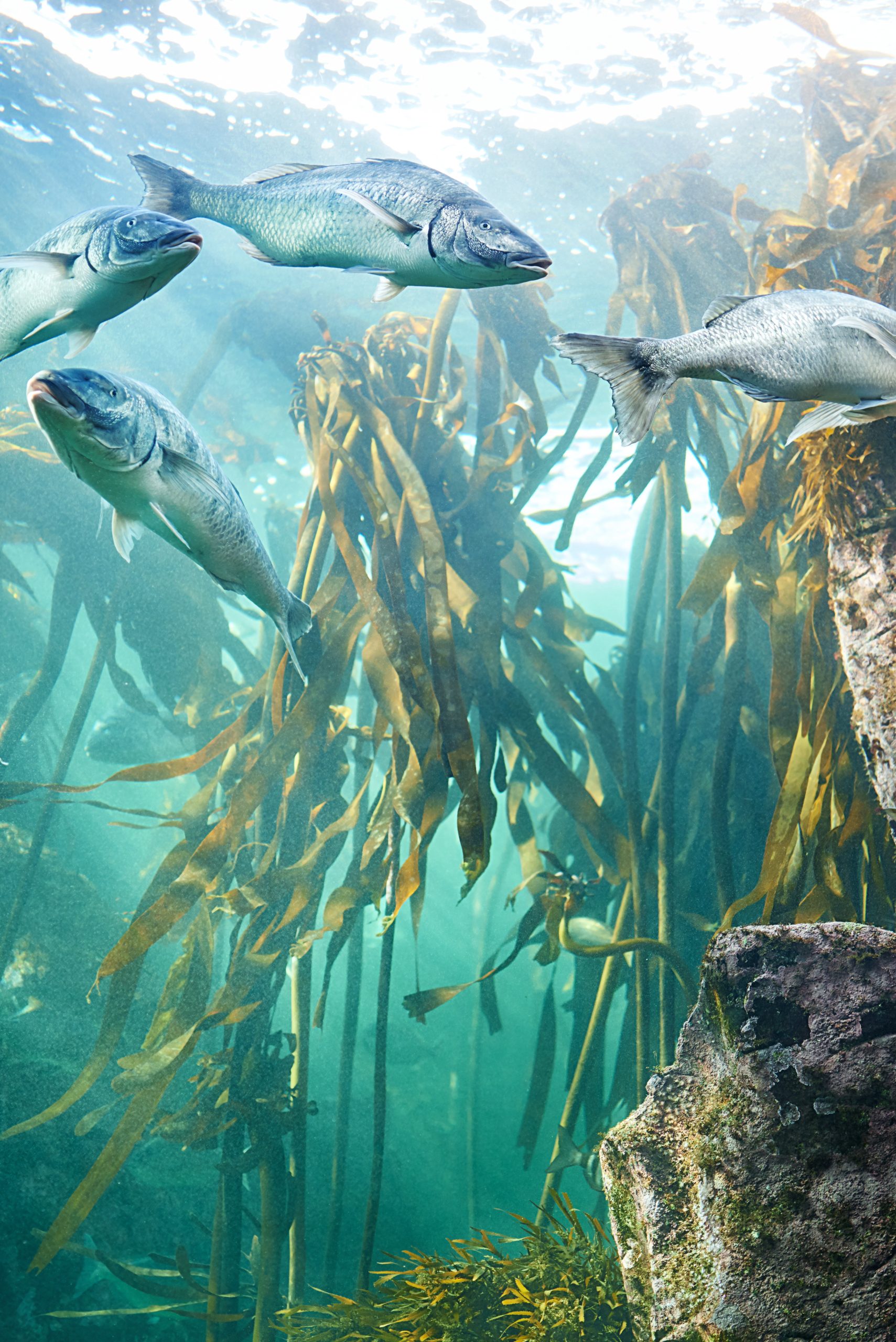
This book provides educators with resources and activities to explore marine ecosystems with students, focusing on the complexity of marine habitats and the effects of human activity on these environments.
Investigating Ocean Acidification: Student Investigations
This investigation allows students to explore the impact of carbon dioxide on marine life, focusing on how acidification affects organisms with calcium carbonate shells and guiding students through experiments to test the effects of acid on these shells.
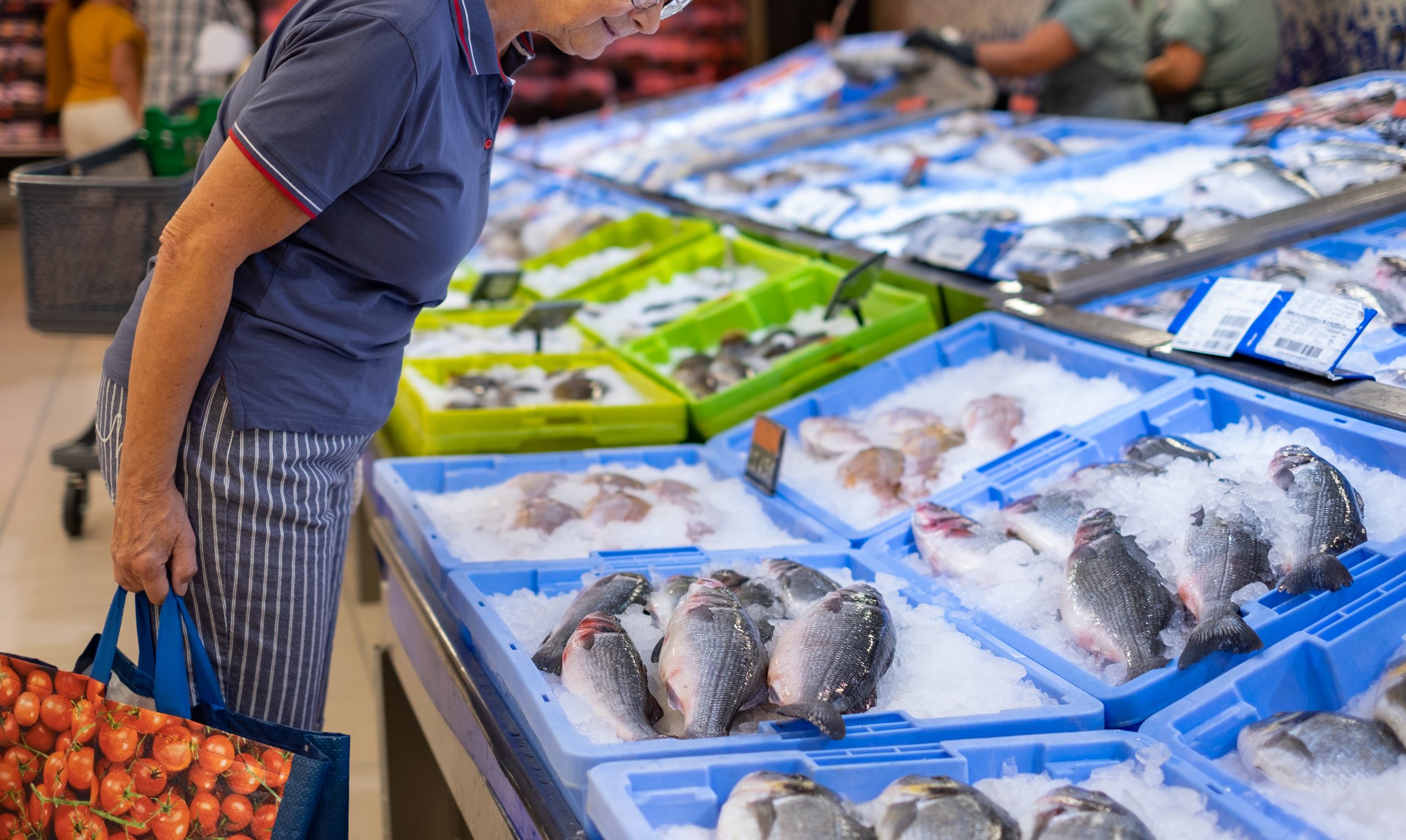
For the Juniors: Fish from the ocean to table
This video and activities introduces children to the journey of fish from the ocean to their plate, exploring topics such as sustainable fishing practices, the impact of overfishing, and how seafood is harvested and processed. The content aims to educate young learners about marine ecosystems and the importance of making responsible food choices.
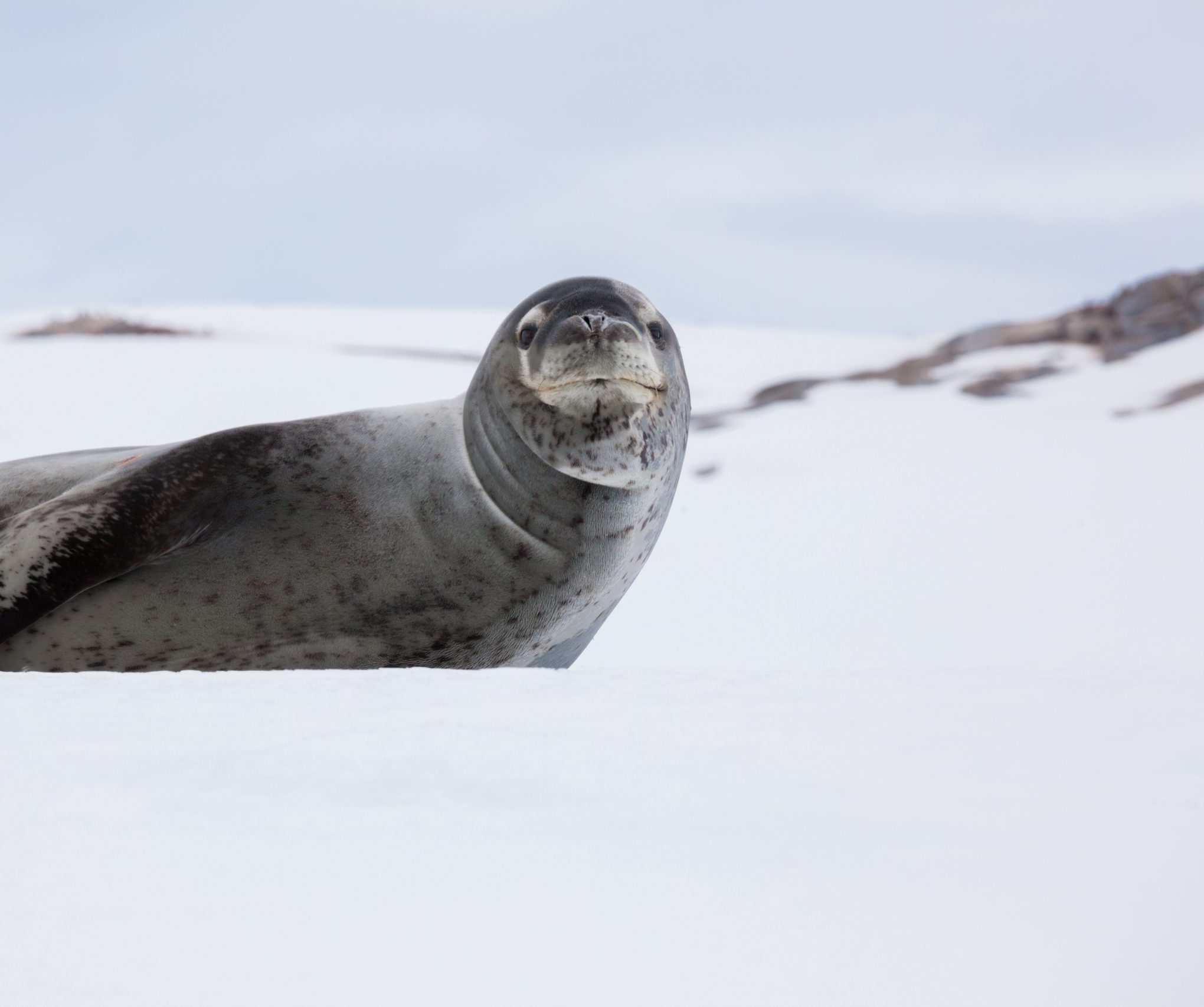
Catalyst: Seals help climate research
This video highlights how researchers are using seals to gather data on ocean temperatures, currents, and ice thickness, which are crucial for understanding climate change. The seals help collect valuable information from remote regions that are difficult for humans to access, providing new insights into the state of marine ecosystems and the impacts of climate change.
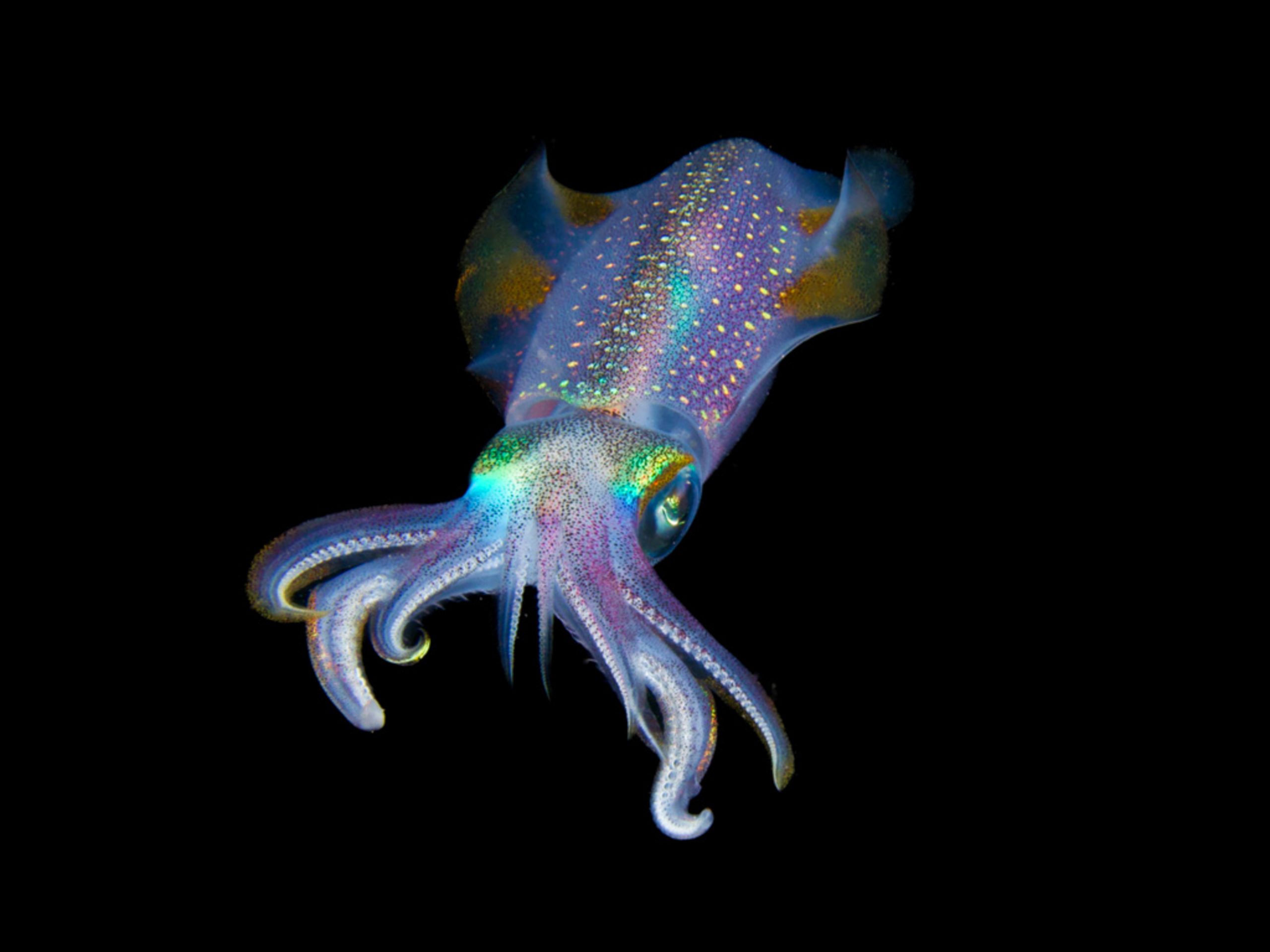
Dr Karl vs the mysterious giant squid
This video explores the fascinating world of the giant squid, including Dr Karl Kruszelnicki's scientific investigation into its size, behaviour, and mysteries, using engaging explanations to uncover facts about this elusive marine creature.
Elliot and the Surfing Scientist: Salt Water Density Experimen
In this video, the Surfing Scientist demonstrates how salt increases the density of water, influencing how objects float or sink. The experiment encourages students to explore the science of buoyancy and density in a fun and interactive way.
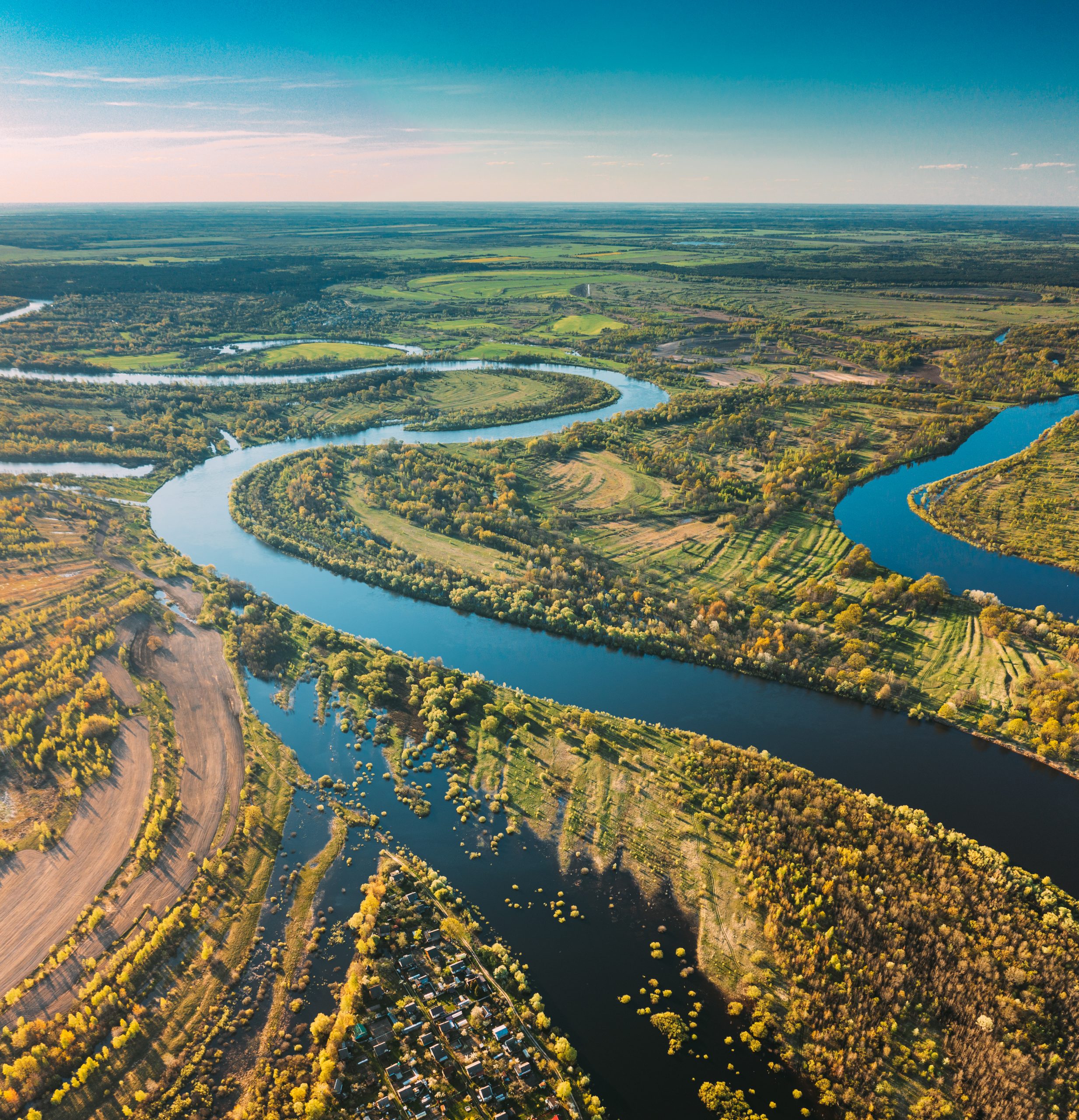
How my water travels
This lesson plan teaches students about the journey of water, exploring how it moves through the landscape as groundwater and surface water, and follows its path from catchment areas to the tap, using hands-on models and activities to understand these processes.
Acidic Oceans Experiment
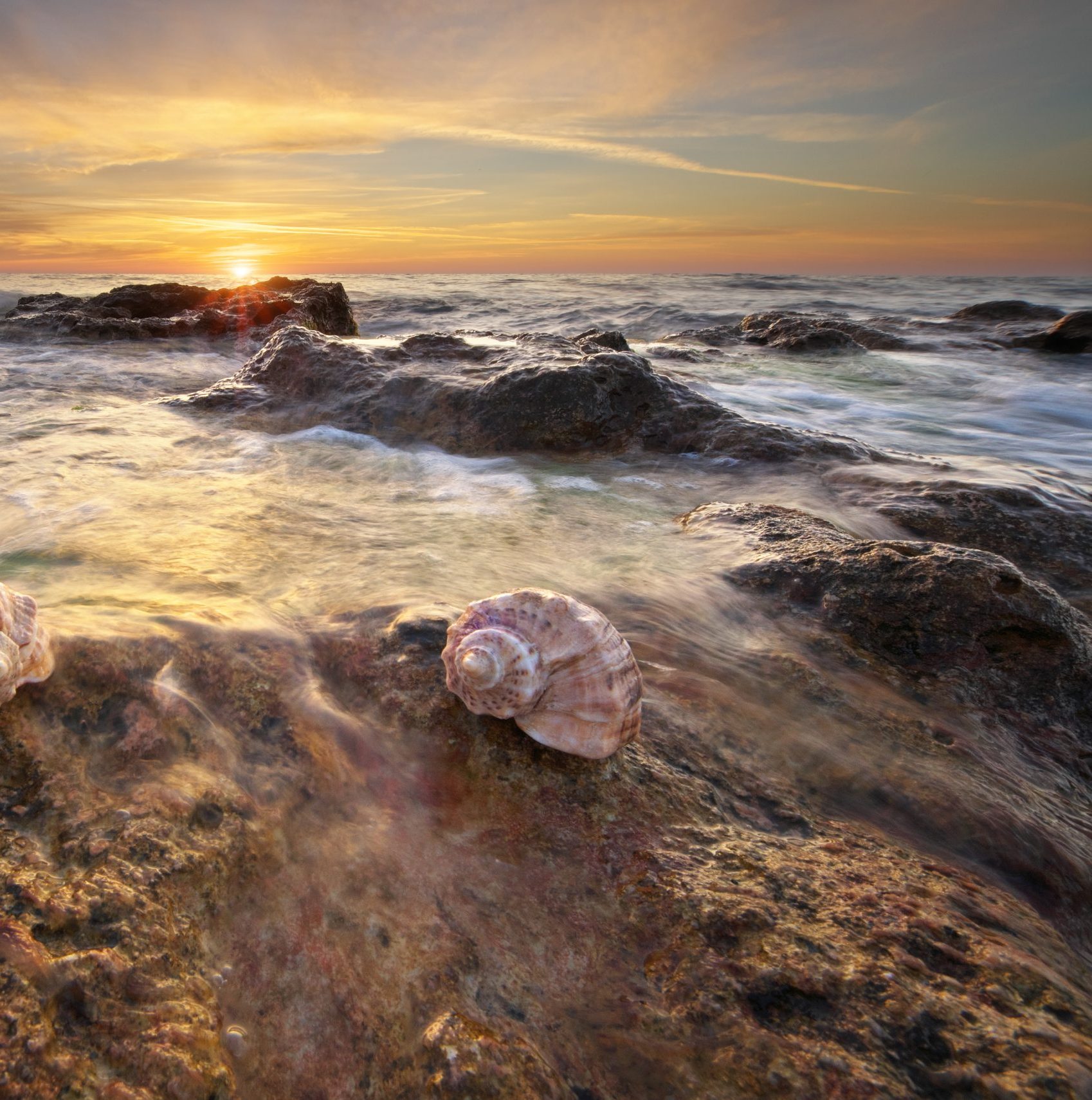
The "Acidic Oceans" activity demonstrates how ocean acidification, caused by increased carbon dioxide, affects sea creatures like crabs and clams, using a simple home experiment to simulate the impact of acidic conditions on shells.
Catalyst: Nautical Robots
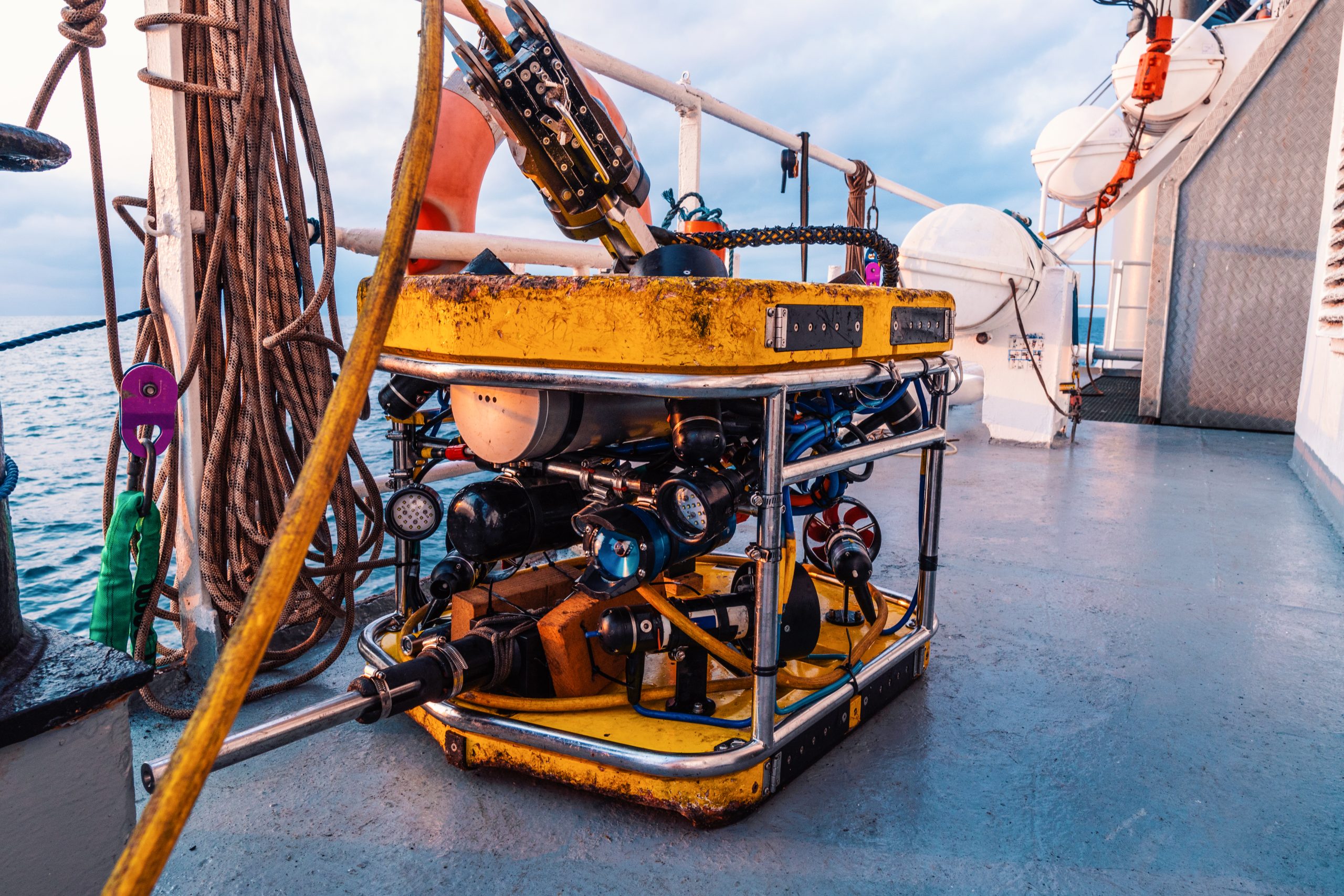
Watch the report by Ruben Meerman and discover how more than 3000 'nautical robots', known as argo floats, have been placed in the oceans to collect data on variations in temperature, pressure and salinity.
Exploring Australia’s Seafloor
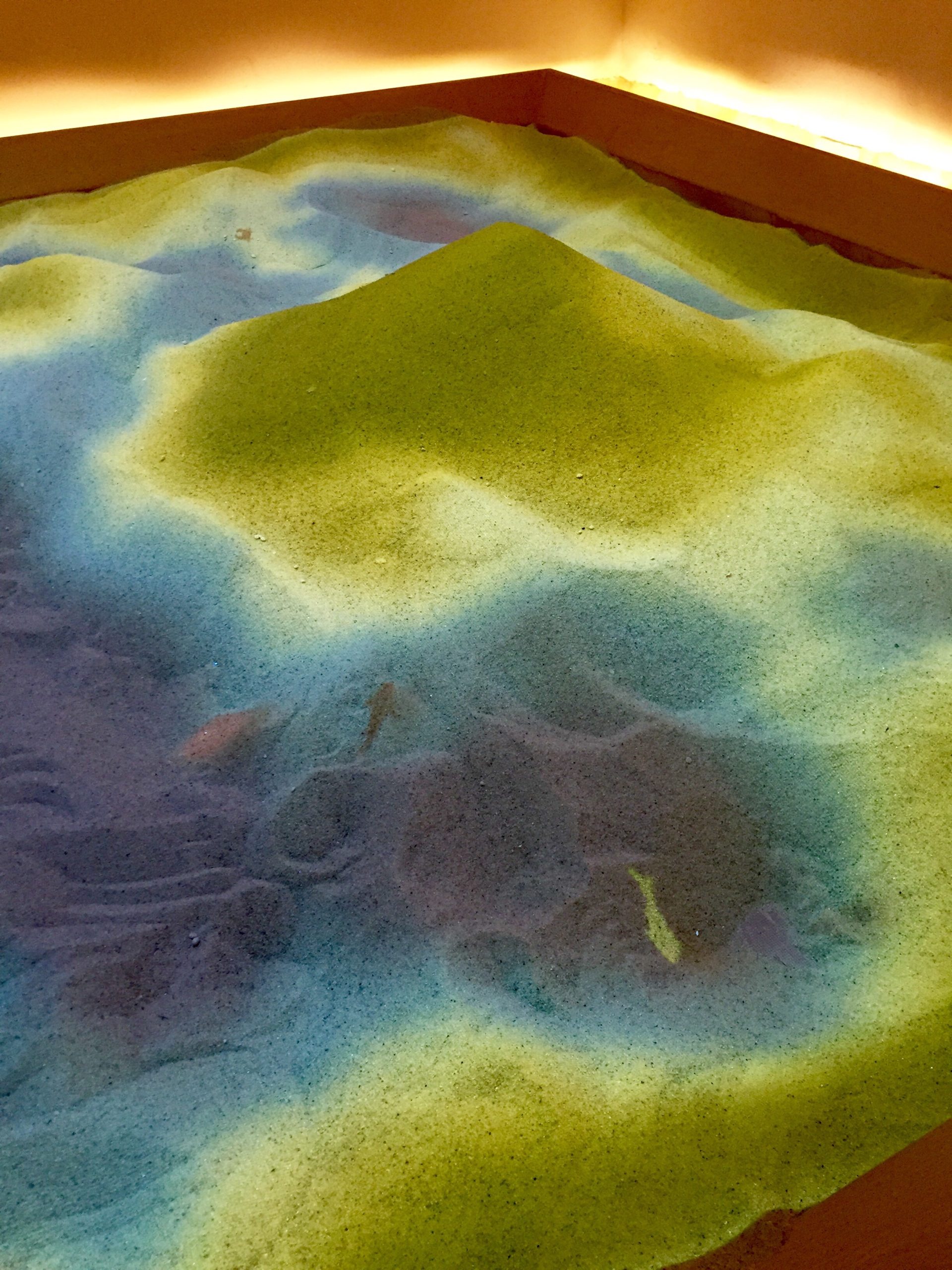
This video explains how marine scientists map the seafloor and the various uses for these maps. It also introduces unique and mysterious sea creatures found in the deep ocean, exploring the experiences of a marine scientist and their passion for glass sponges, infauna, and bioluminescent animals.