
Building Climate Agency Through Ocean Literacy
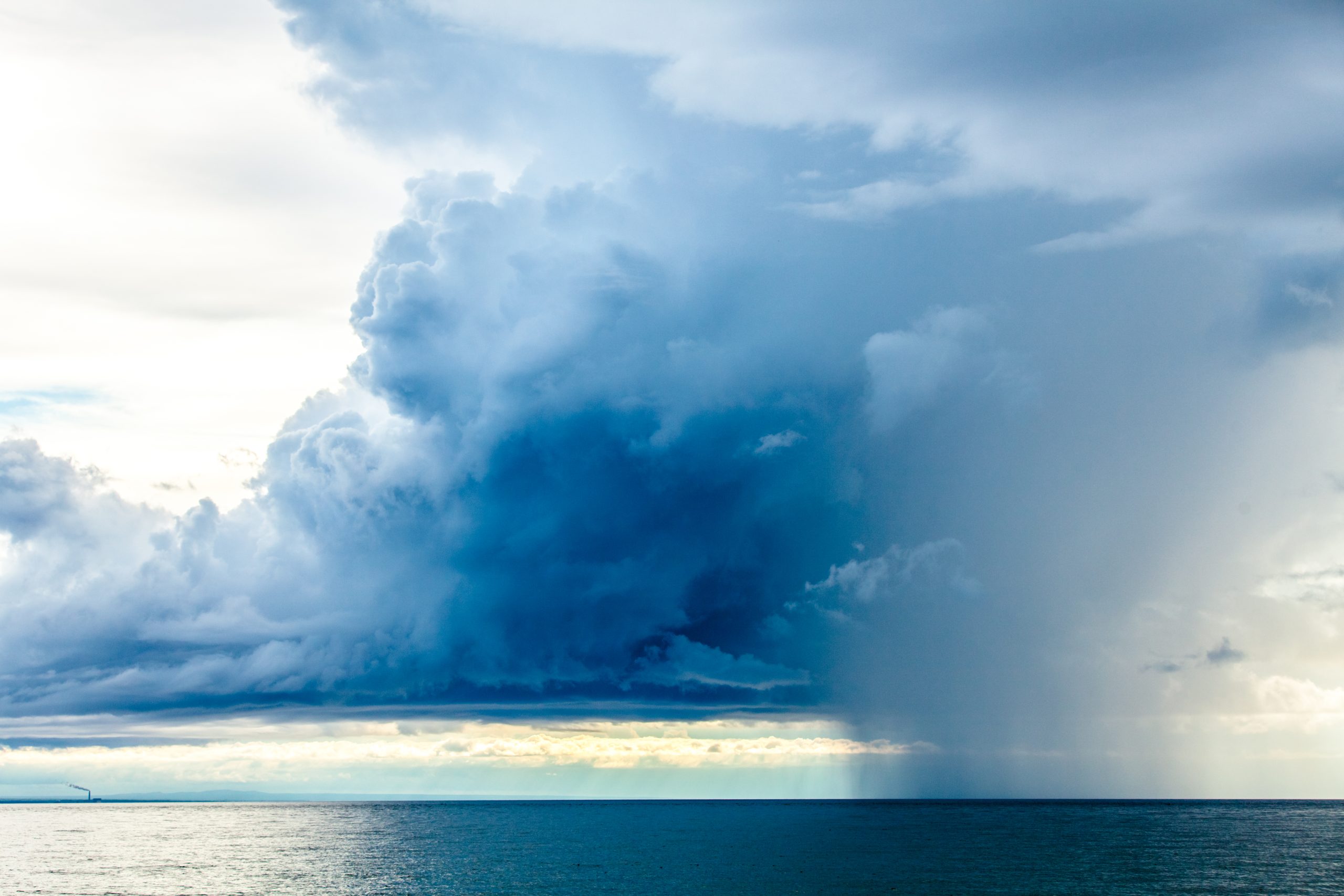
This unit uses ocean literacy to help students understand climate change and its impacts on marine environments. Through engaging activities, students build climate agency and explore practical ways they can take positive action for the ocean and climate.
Coastal and Catchment Management Excursion – Tomaree National Park
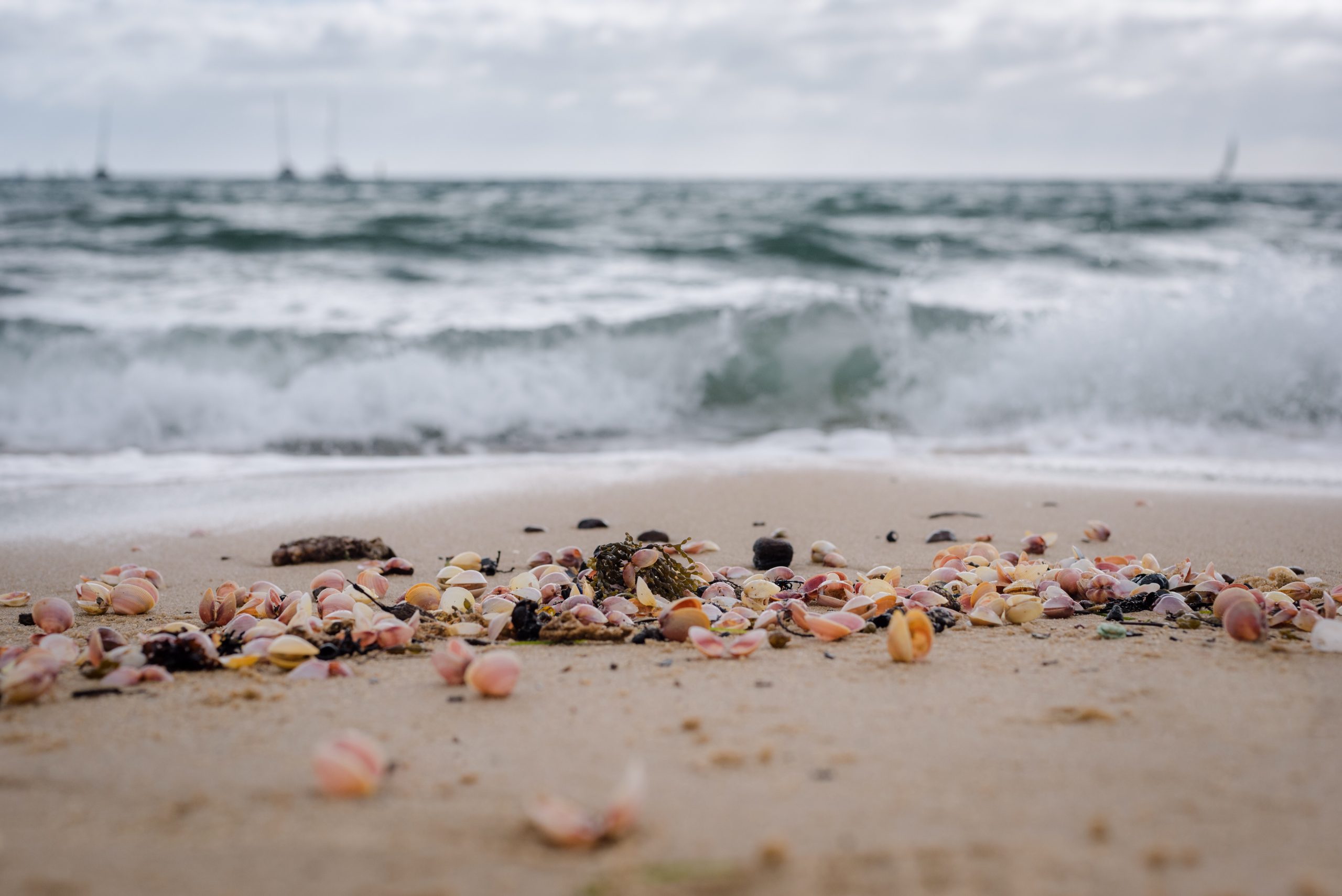
Coastal and catchment management is a school excursion in Tomaree National Park includes a walk to the summit of Mount Tomaree with a Discovery ranger, who will highlight the coastal and catchment management issues involved in protecting a relatively undisturbed patch of coastal land in close proximity to the township of Nelson Bay
The Forgotten Reefs – Shellfish Reefs in NSW (Year 7-10)
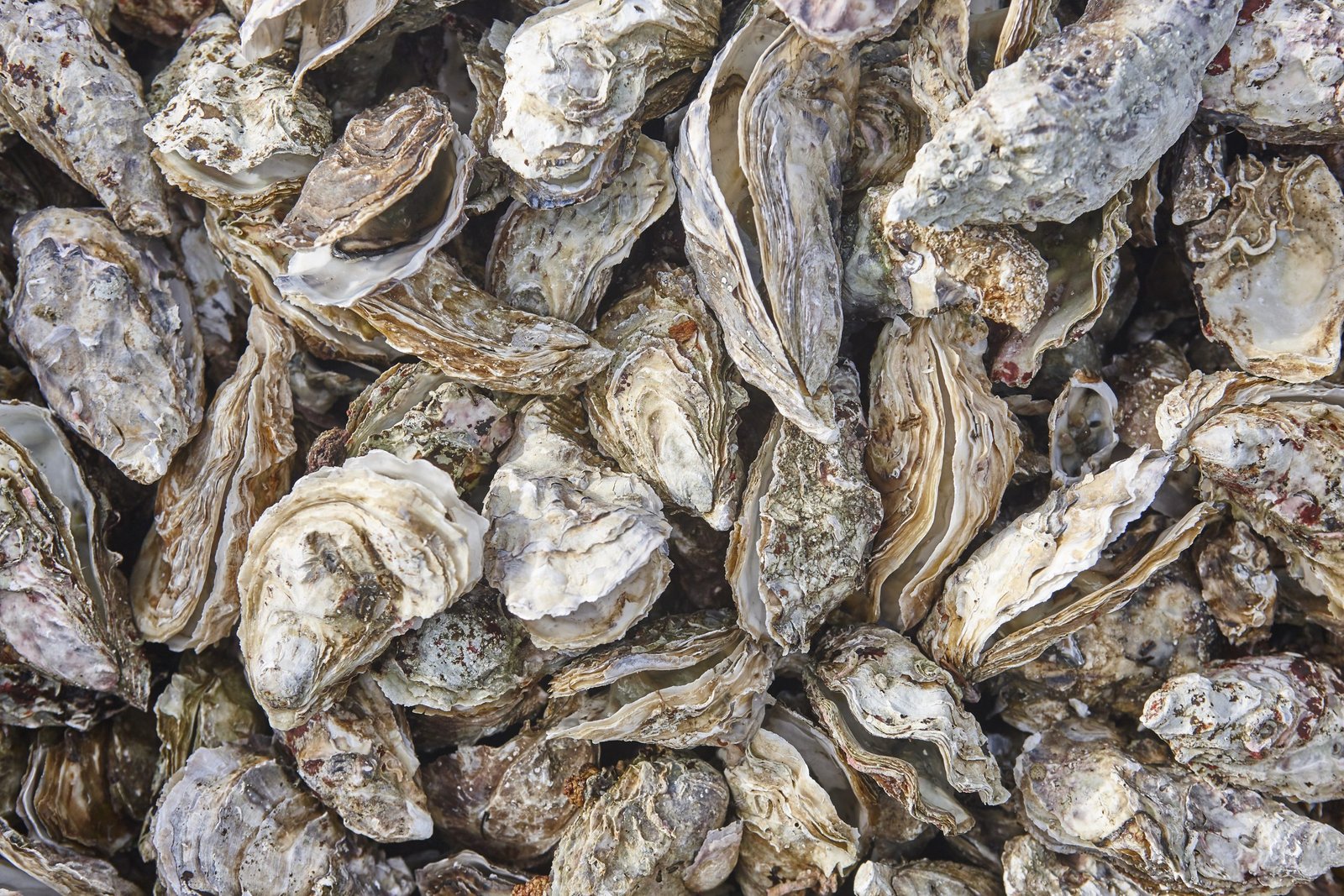
This learning package offers teachers curriculum‑linked lessons, activities and background information to help middle and upper secondary students investigate the ecology, cultural significance, threats and restoration of shellfish reefs in New South Wales.
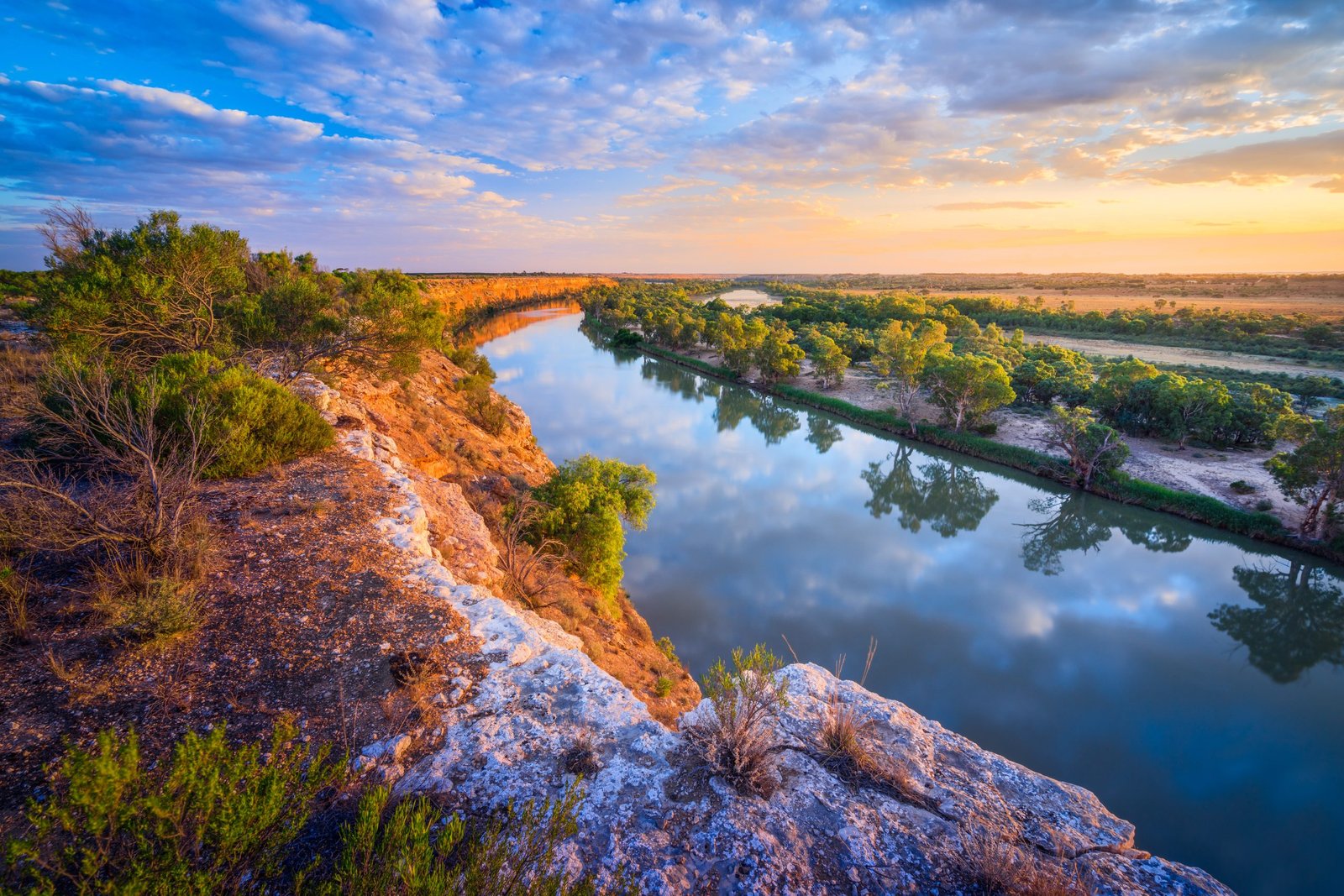
Caring for River Country
Caring for River Country looks at the ways First Nations Australians of the Murray-Darling Basin have practised environmental management both traditionally and in the present day.
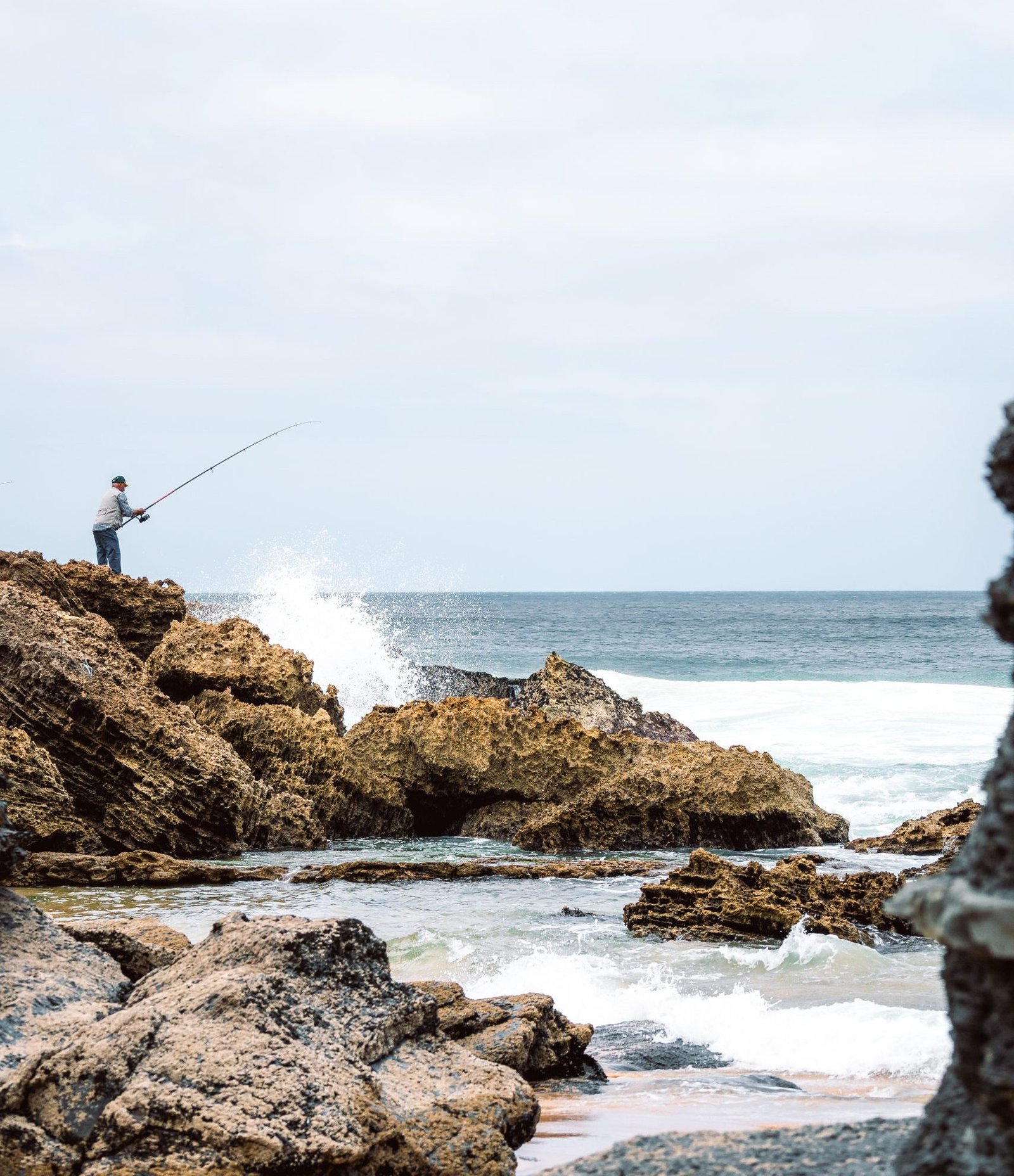
Using the Oceans Resources Responsibly
This geography lesson uses the film My Dad the Fisherman as a starting point, as learners consider how people use, modify and change the ocean ecosystem to obtain food. Learners will examine some of the ways in which fishers try to look after the oceans and what sustainability means for the future of our oceans.
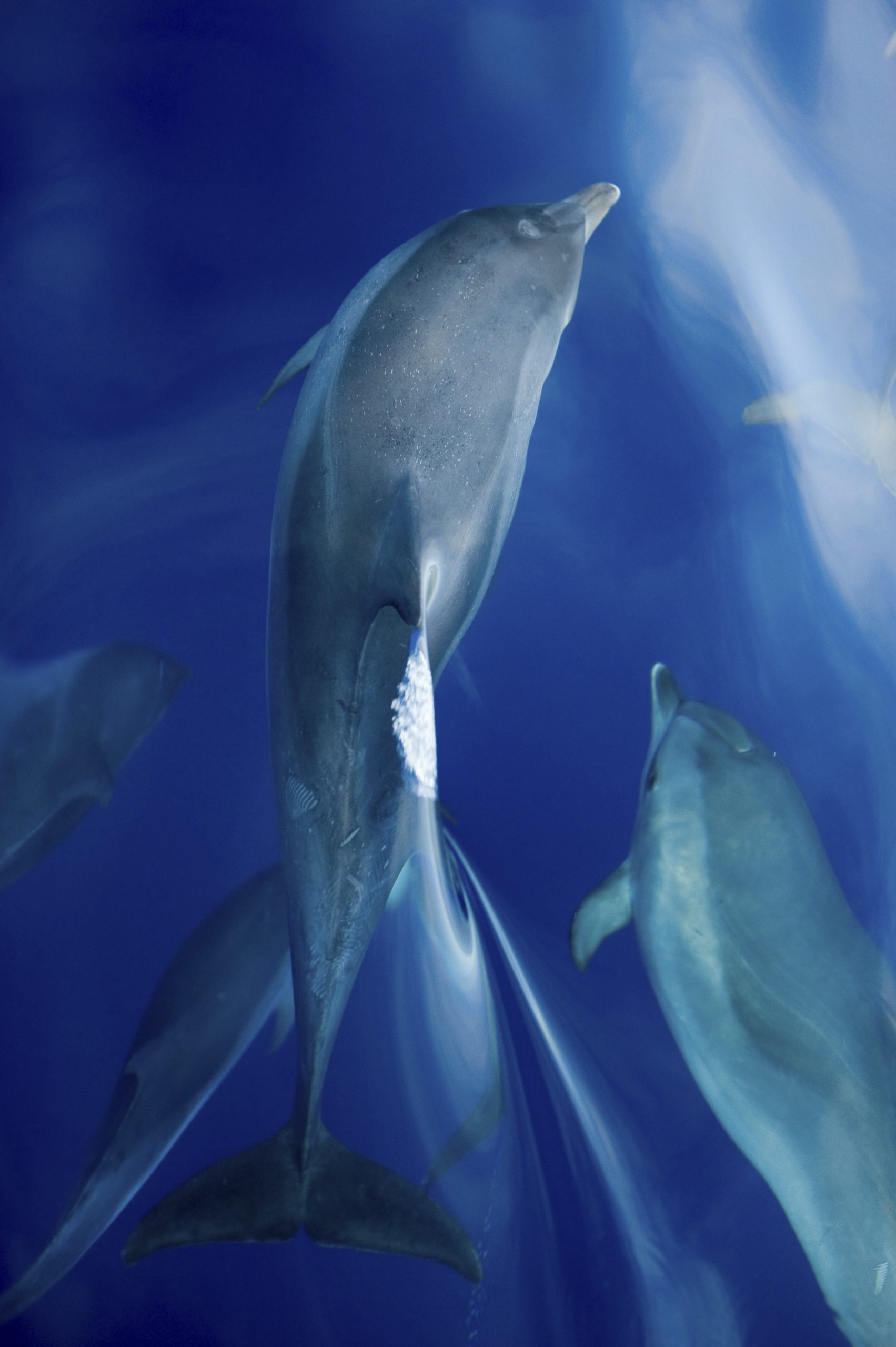
Why do we need the ocean?
In this Geography lesson for years 9-10, learners will explore why we need the ocean, what global fishing activities look like around the world and some of the pressures on it from overfishing.
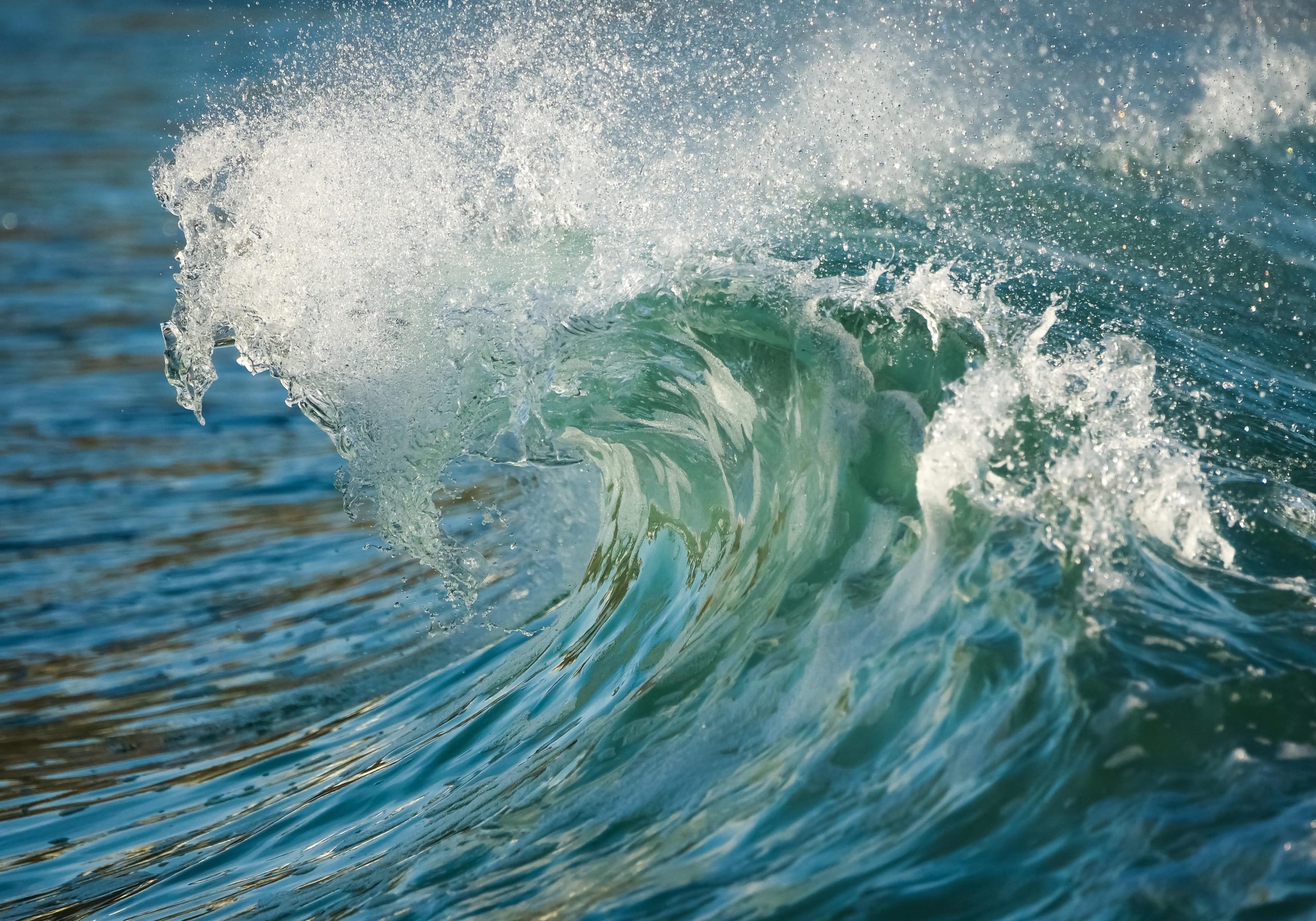
Waves supply nutrients to marine ecosystems
This video, along with reflection questions, explores the essential role of waves in marine ecosystems by helping to deliver nutrients that support plankton growth and other marine life, ultimately impacting the health of the ocean environment.
Investigating Ocean Acidification
This resource guides students through an experiment to explore how ocean acidification, caused by increased carbon dioxide levels, affects marine organisms with calcium carbonate shells, such as oysters and clams, encouraging scientific investigation and analysis
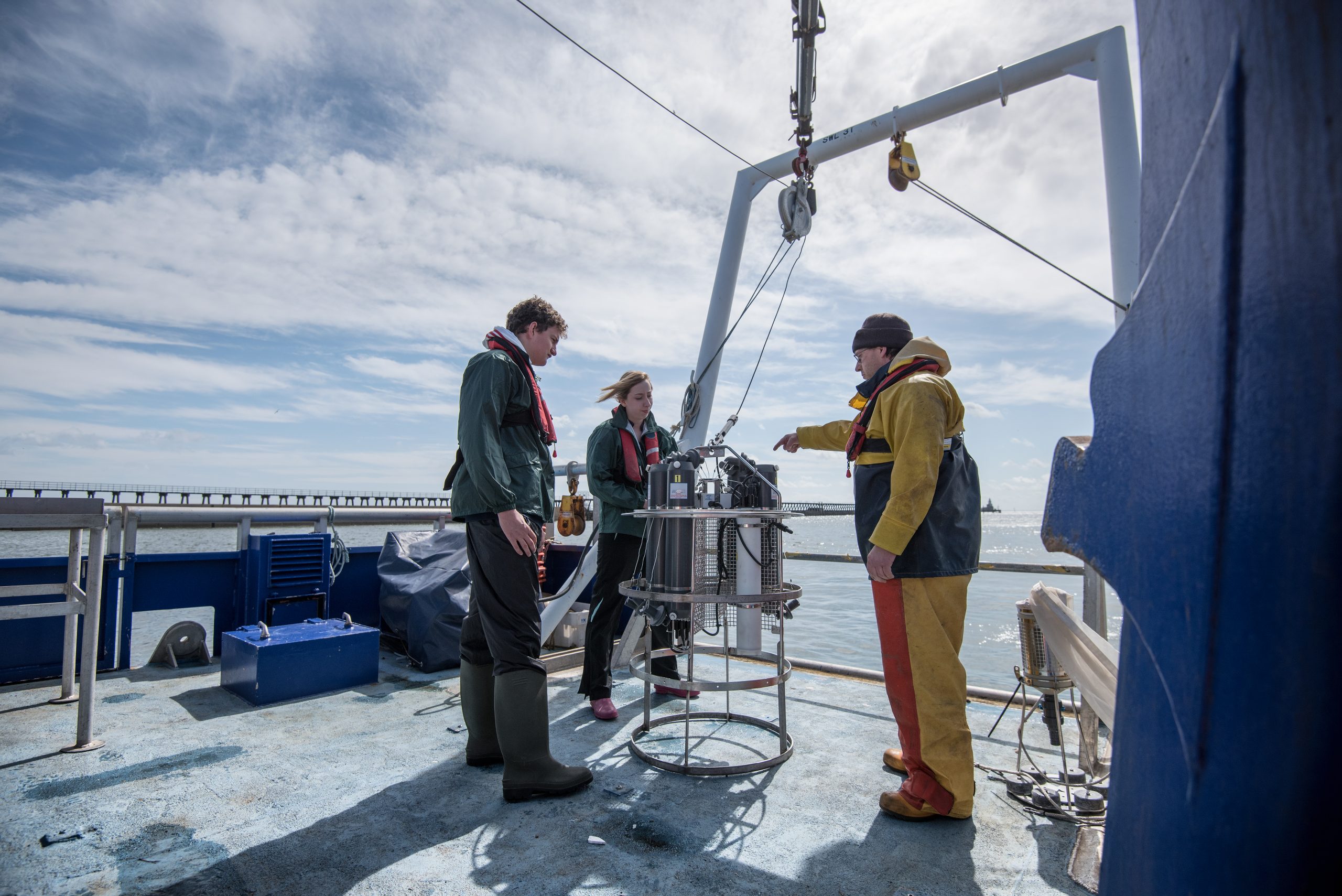
Sound waves measure ocean temperatures
This video and activity explains how researchers use sound waves to measure ocean temperatures, a technique that helps monitor climate change and marine environments by providing accurate, real-time data on temperature changes at various depths.
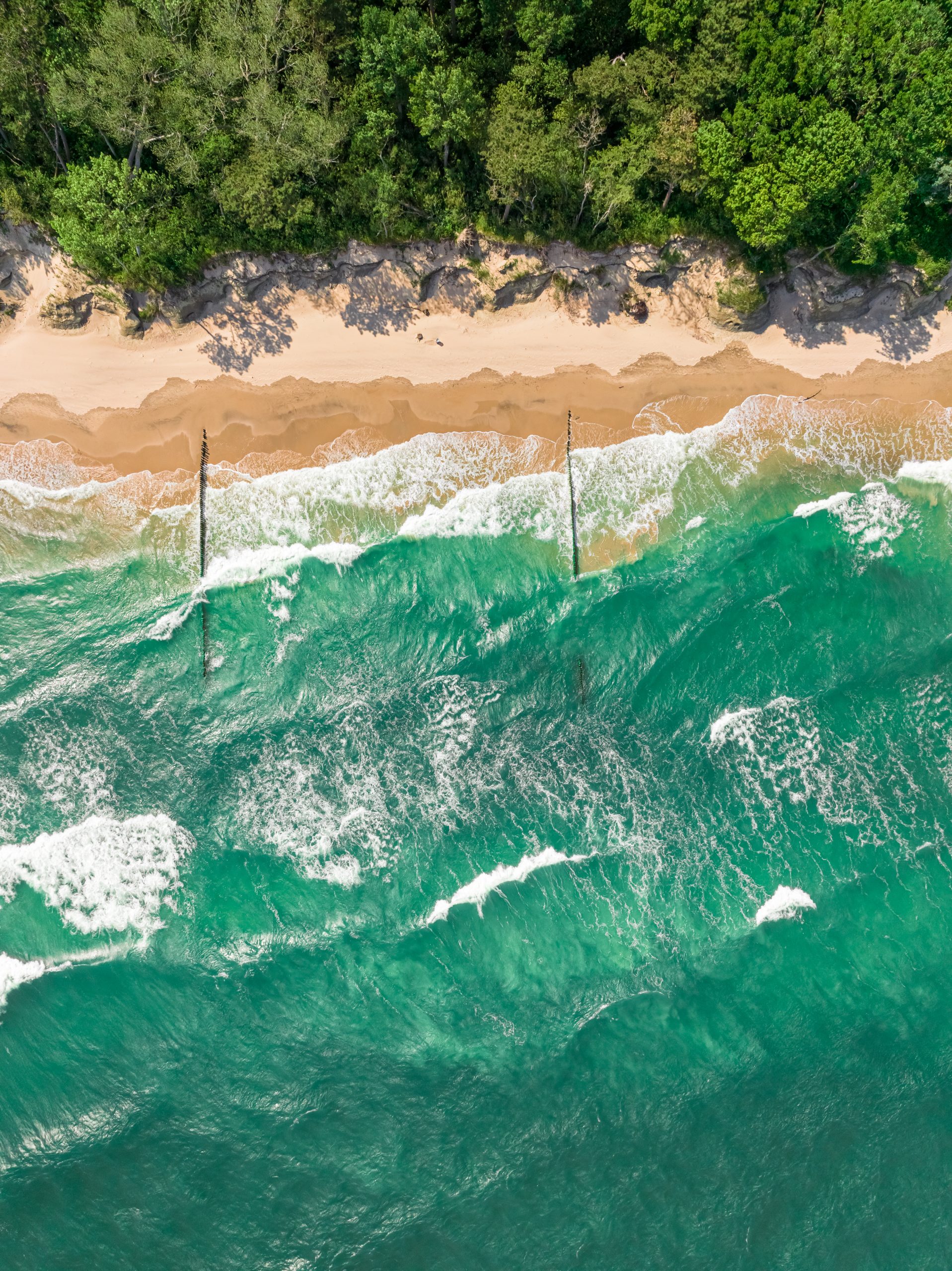
Introduction to Ocean Acidification
This resource introduces students to the concept of ocean acidification caused by increasing atmospheric carbon dioxide, providing an experiment and design challenge to help students explore its effects on marine ecosystems and understand the chemistry behind this environmental issue.