

Finding Solutions: It’s a Marathon
This resource challenges students to explore innovative ways to reduce single-use plastics by creating biodegradable and edible water bottles from brown algae, incorporating experiments, chemical reactions, and design evaluations to learn about sustainability and environmental solutions.
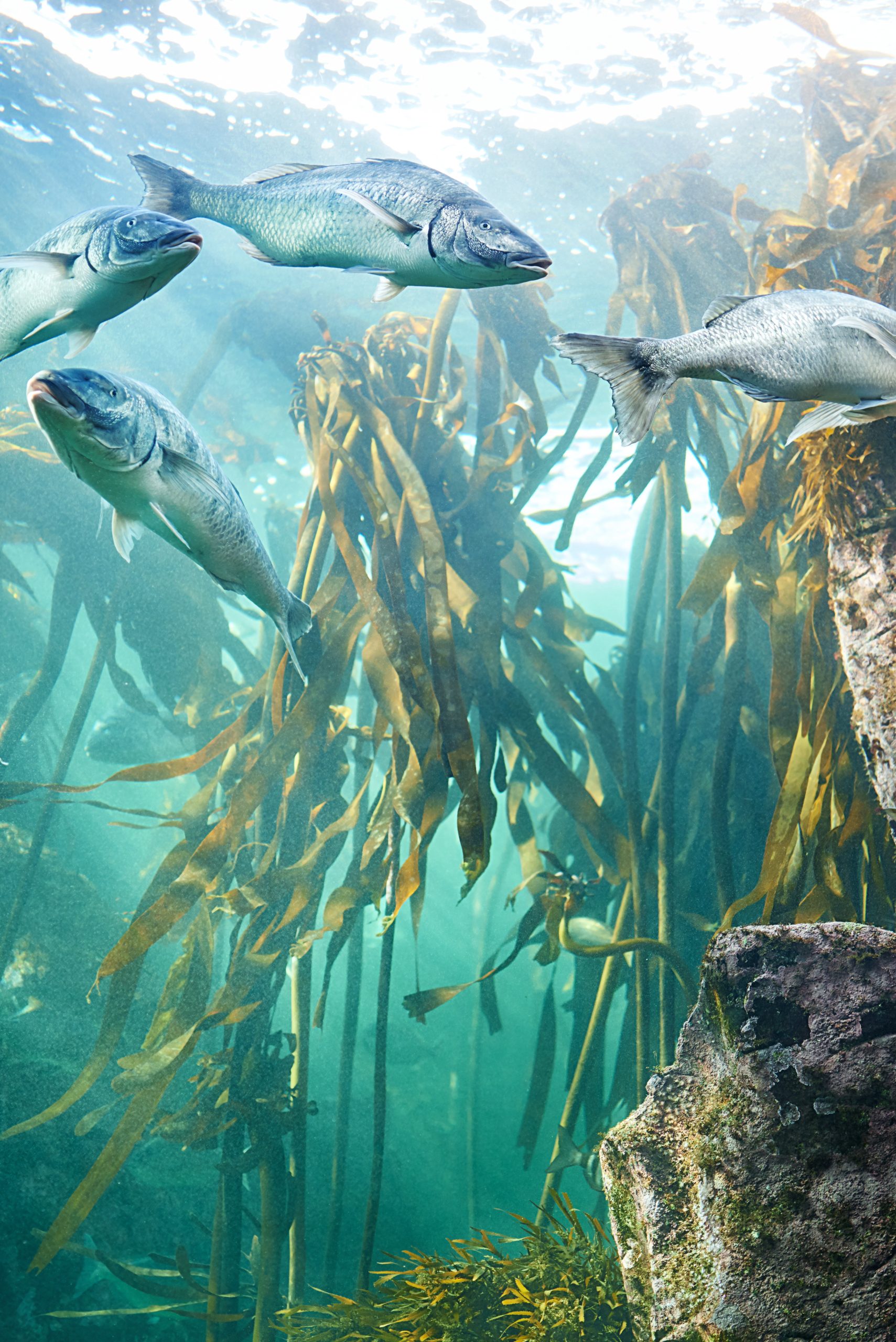
Revealing Marine Ecosystems: Teacher Resource Book
This book provides educators with resources and activities to explore marine ecosystems with students, focusing on the complexity of marine habitats and the effects of human activity on these environments.

Investigating Ocean Acidification: Student Investigations
This investigation allows students to explore the impact of carbon dioxide on marine life, focusing on how acidification affects organisms with calcium carbonate shells and guiding students through experiments to test the effects of acid on these shells.
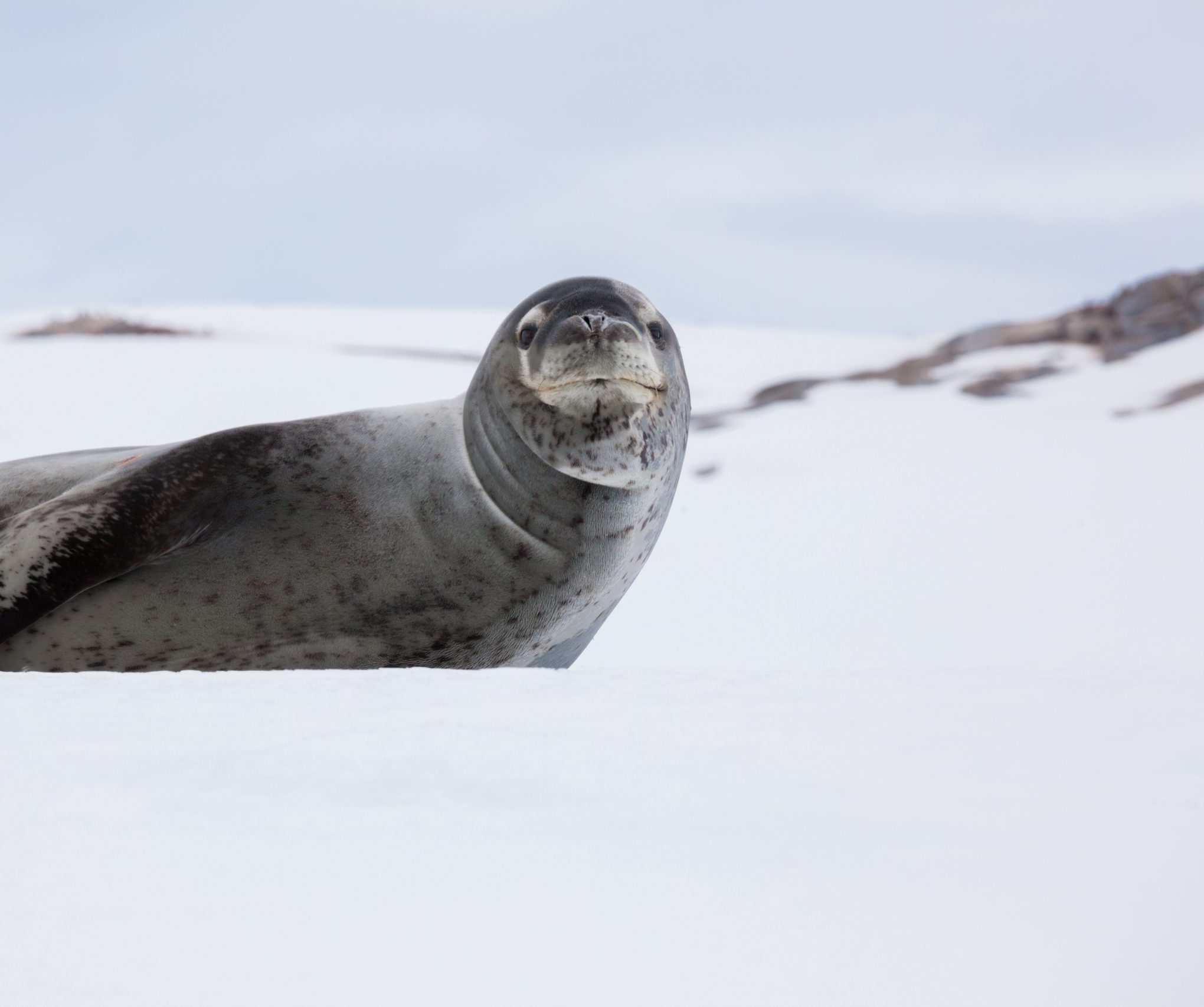
Catalyst: Seals help climate research
This video highlights how researchers are using seals to gather data on ocean temperatures, currents, and ice thickness, which are crucial for understanding climate change. The seals help collect valuable information from remote regions that are difficult for humans to access, providing new insights into the state of marine ecosystems and the impacts of climate change.
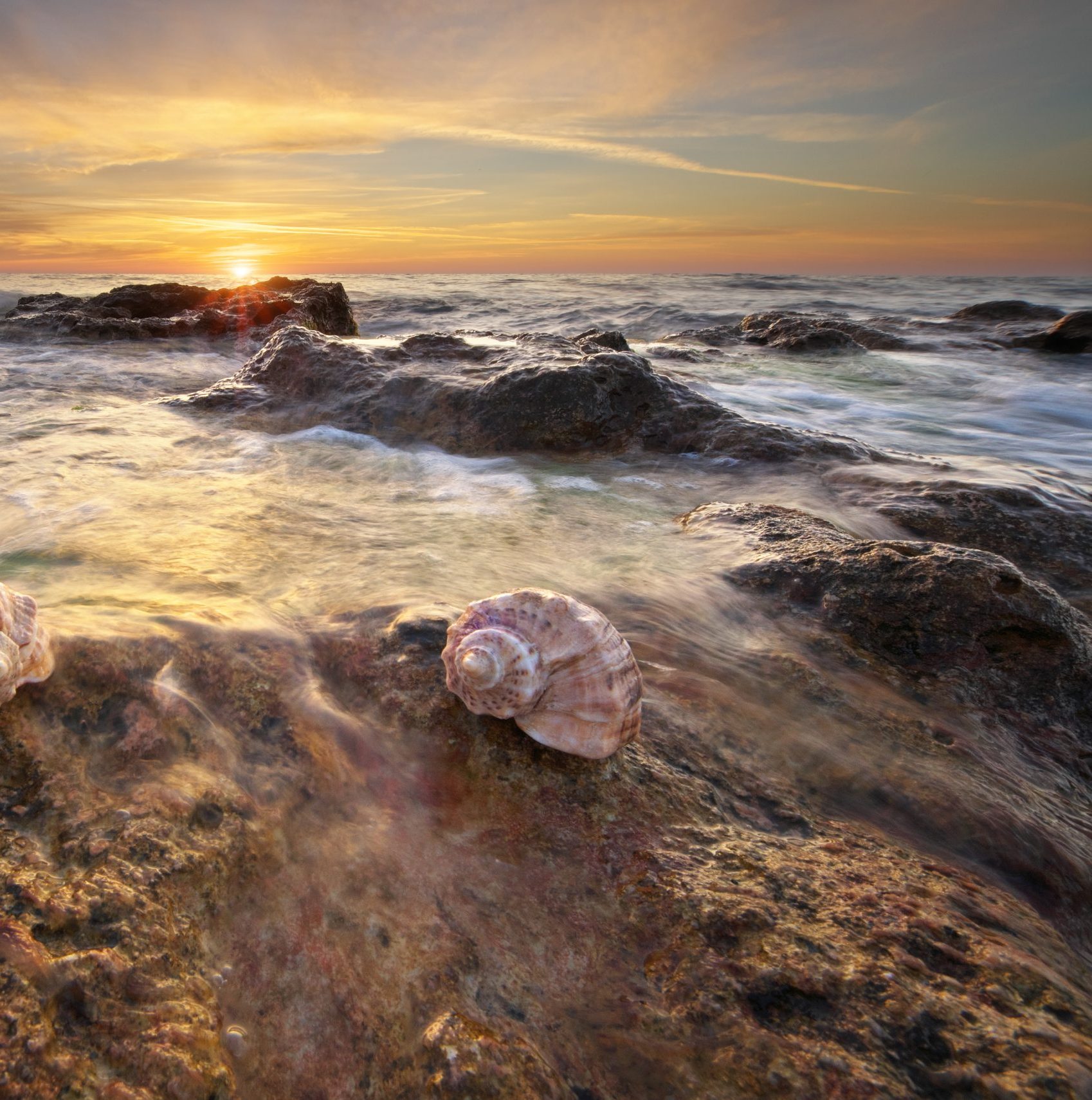
Acidic Oceans Experiment
The "Acidic Oceans" activity demonstrates how ocean acidification, caused by increased carbon dioxide, affects sea creatures like crabs and clams, using a simple home experiment to simulate the impact of acidic conditions on shells.
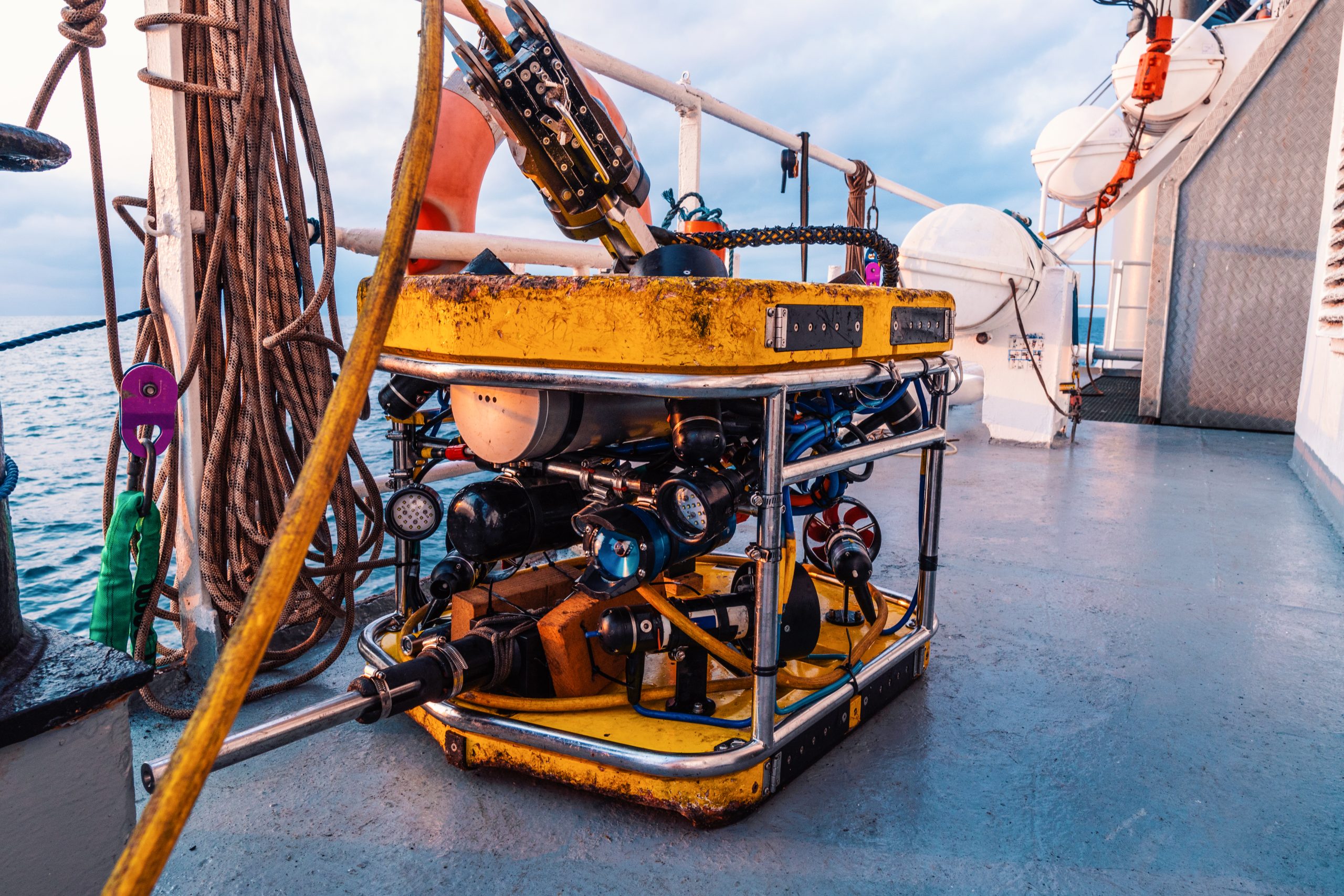
Catalyst: Nautical Robots
Watch the report by Ruben Meerman and discover how more than 3000 'nautical robots', known as argo floats, have been placed in the oceans to collect data on variations in temperature, pressure and salinity.
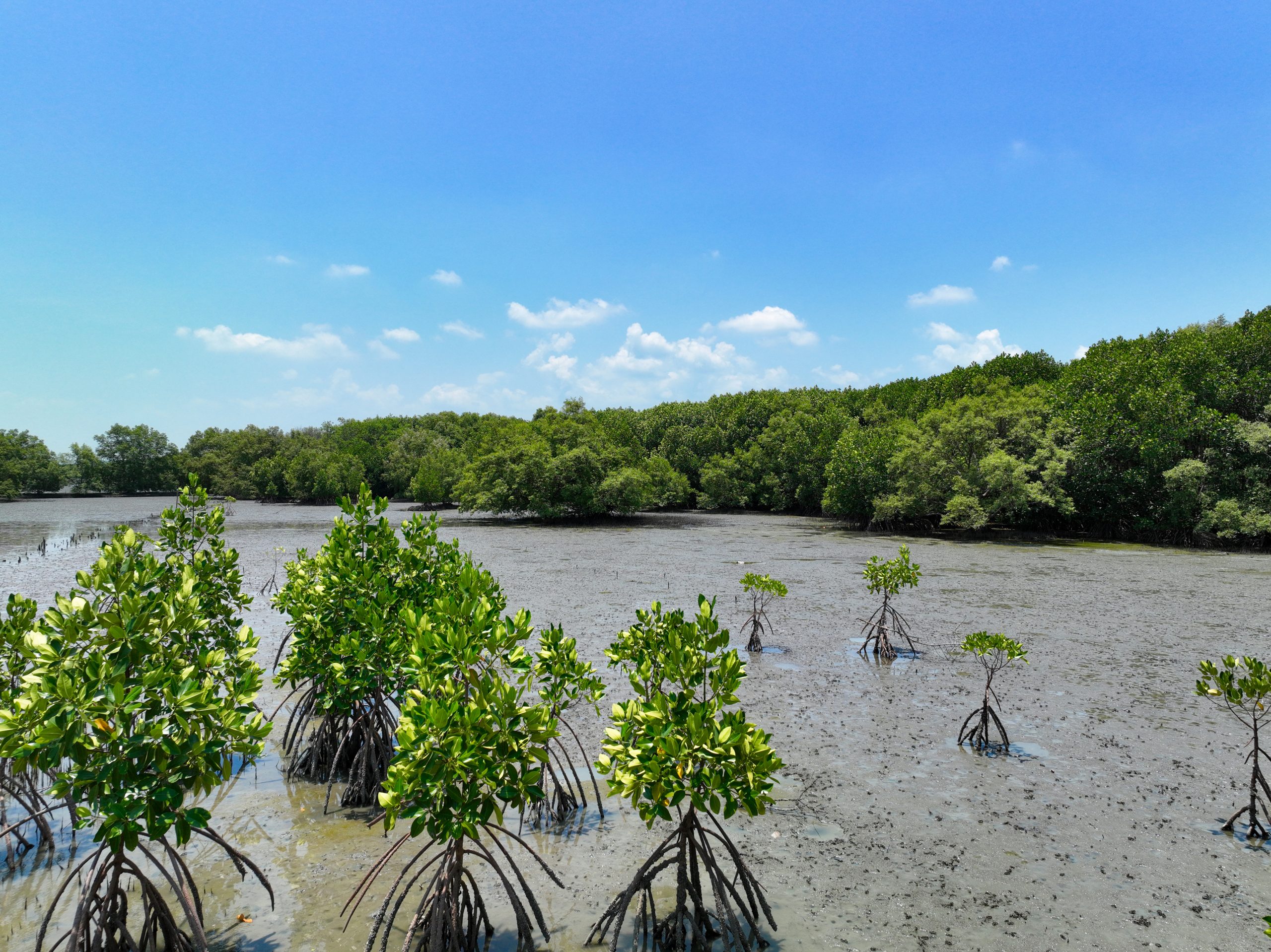
MangroveWatch – A Citizen Science Project
This unit focuses on introducing students to mangrove and salt marsh ecosystems and exploring their values and attitudes towards conservation research.
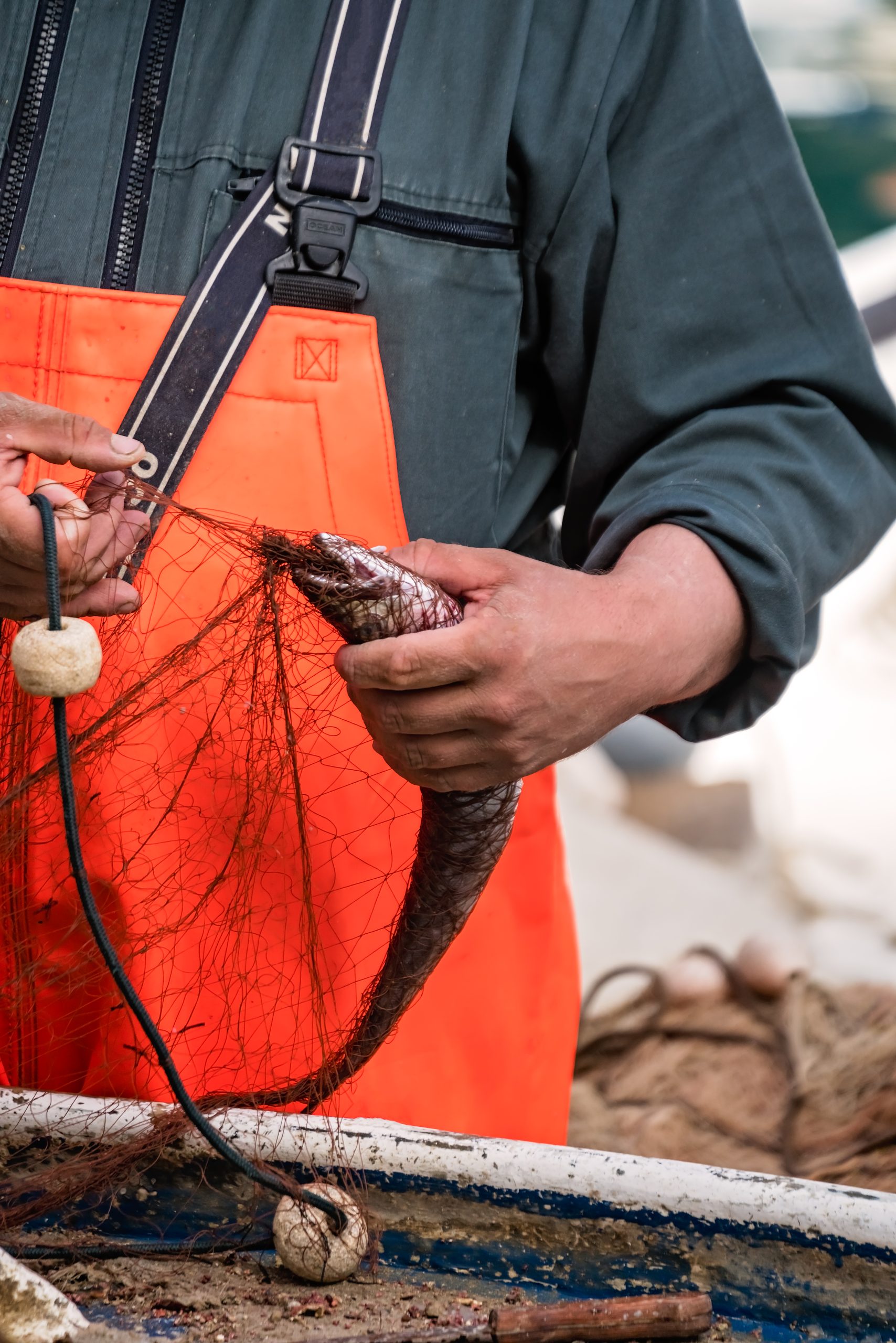
Unsustainable Fishing Challenges
Learn about a number of unsustainable fishing challenges affecting our oceans today.
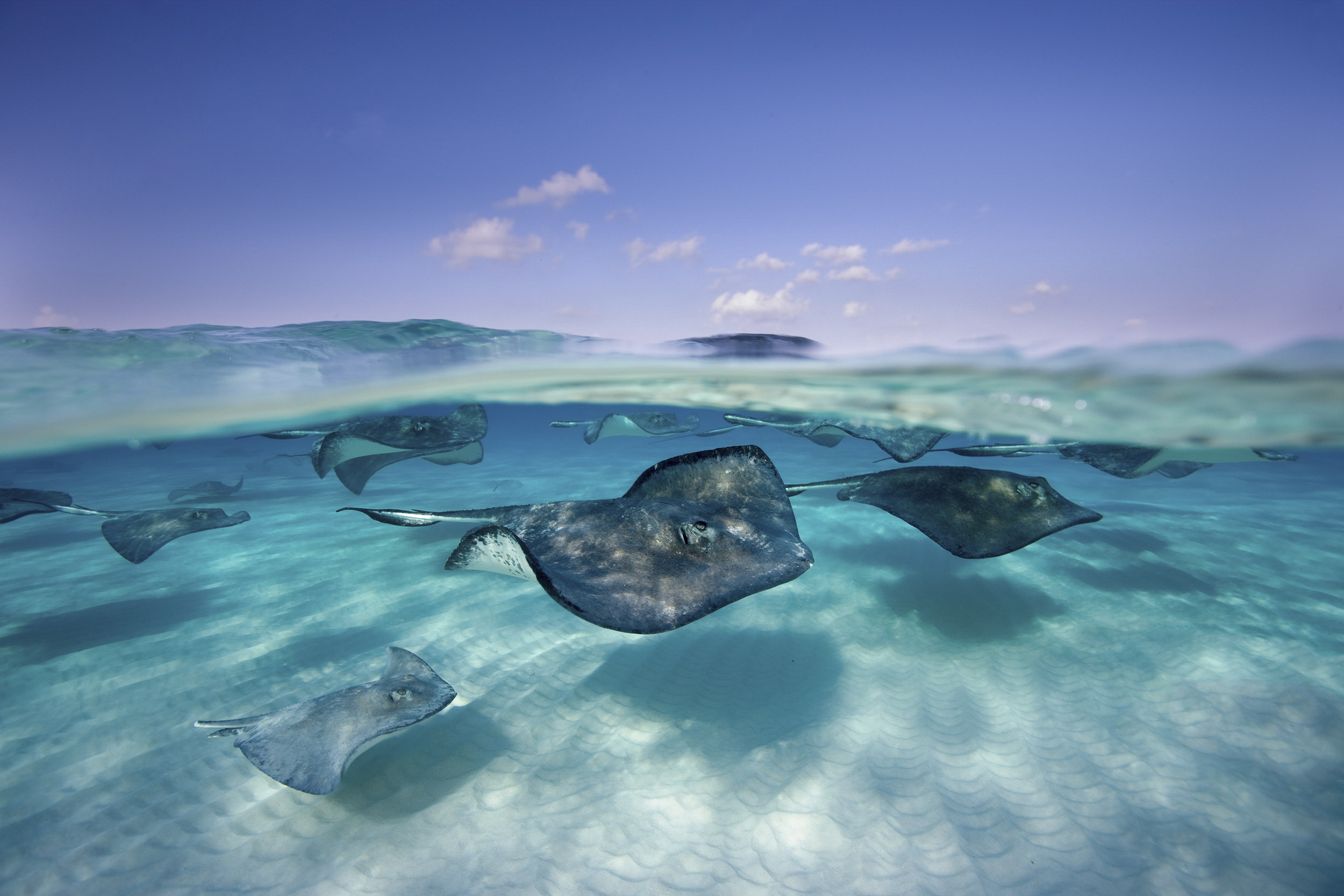
Science for Sustainable Oceans
Understand how the world’s oceans are at risk from overfishing, how scientific knowledge can be used to prevent overfishing, and ways that science can be used to support sustainable fishing.

Blue The Film: Persuasion and Environmental Activism
In this Year 9 English unit, students explore persuasive language and environmental activism through documentary clips, analysing rhetorical devices in speeches, examining language and visuals in news media, and creating their own campaigns.