
Awabakal Environmental Education Centre – Newcastle
Experience environmental fieldwork and excursion programs for students from Kindergarten to Year 12. It also provides school incursions, programs for high potential and gifted students, and hands-on learning opportunities that develop students’ research and leadership skills.
Sustainable Schools NSW
Supports schools to embed sustainability into teaching, school culture and everyday operations. It provides access to teaching resources, professional learning, excursion ideas, funding opportunities and environmental education networks, alongside guidance for whole-school planning, student leadership and sustainable school grounds.
Pittwater Eco Adventures
Offers hands-on school excursions focused on marine pollution, plastic waste, biodiversity and conservation, including beach clean-ups, citizen science, litter analysis, recycling workshops and coastal fieldwork to develop students’ environmental awareness and STEM skills.
Irukandji Shark & Ray Encounters – Port Stephens
Interactive, hands-on school excursions for students where they learn about sharks, rays, fish and marine ecosystems through up-close animal encounters. Their programs explore marine science, ocean conservation, sustainability and the importance of protecting marine environments, with activities tailored to different age groups.
Coastal Environment Centre – Northern Beaches
Educational programs and school excursions focused on coastal and aquatic environments, including beaches, rock pools, lagoons and local ecosystems. Through hands-on activities and environmental fieldwork, students learn about biodiversity, sustainability, water quality and how to protect and care for the coastal environment.
Marine Discovery Centre Hastings Point
Education programs combine interactive presentations with hands-on field studies in local coastal ecosystems, including rocky shores, mangroves, dunes and wetlands. Programs are tailored from early learning through to senior secondary, inspiring students to develop a deeper understanding of marine environments and ocean conservation.
Port Macquarie Marine Discovery Centre
Students have hands-on opportunities to explore marine ecosystems, biodiversity, aquaculture and coastal conservation through interactive activities and live displays. Programs are available for learners from early childhood through to senior secondary and can be tailored to support a range of science and environmental learning outcomes.
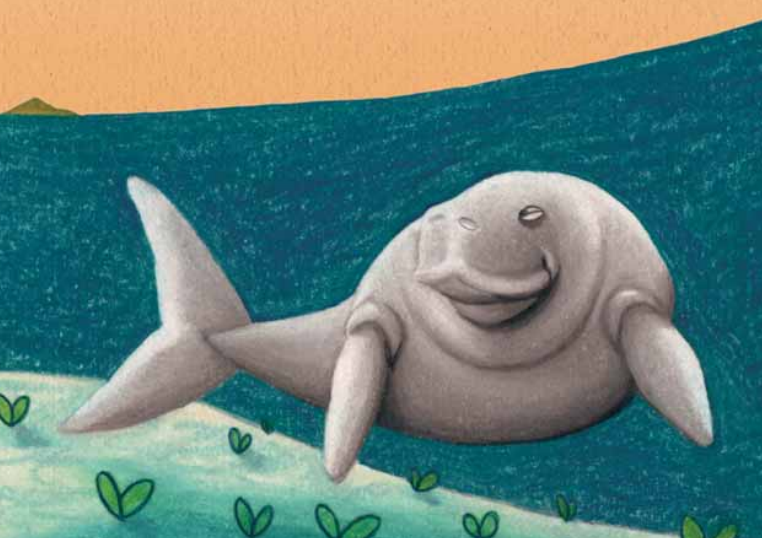
Dhyum the Dugong
This educational story about a real dugong named Dhyum that was satellite-tagged in the Torres Strait. It follows Dhyum’s journey to teach readers about dugongs, their dependence on seagrass habitats, and the importance of protecting marine environments.
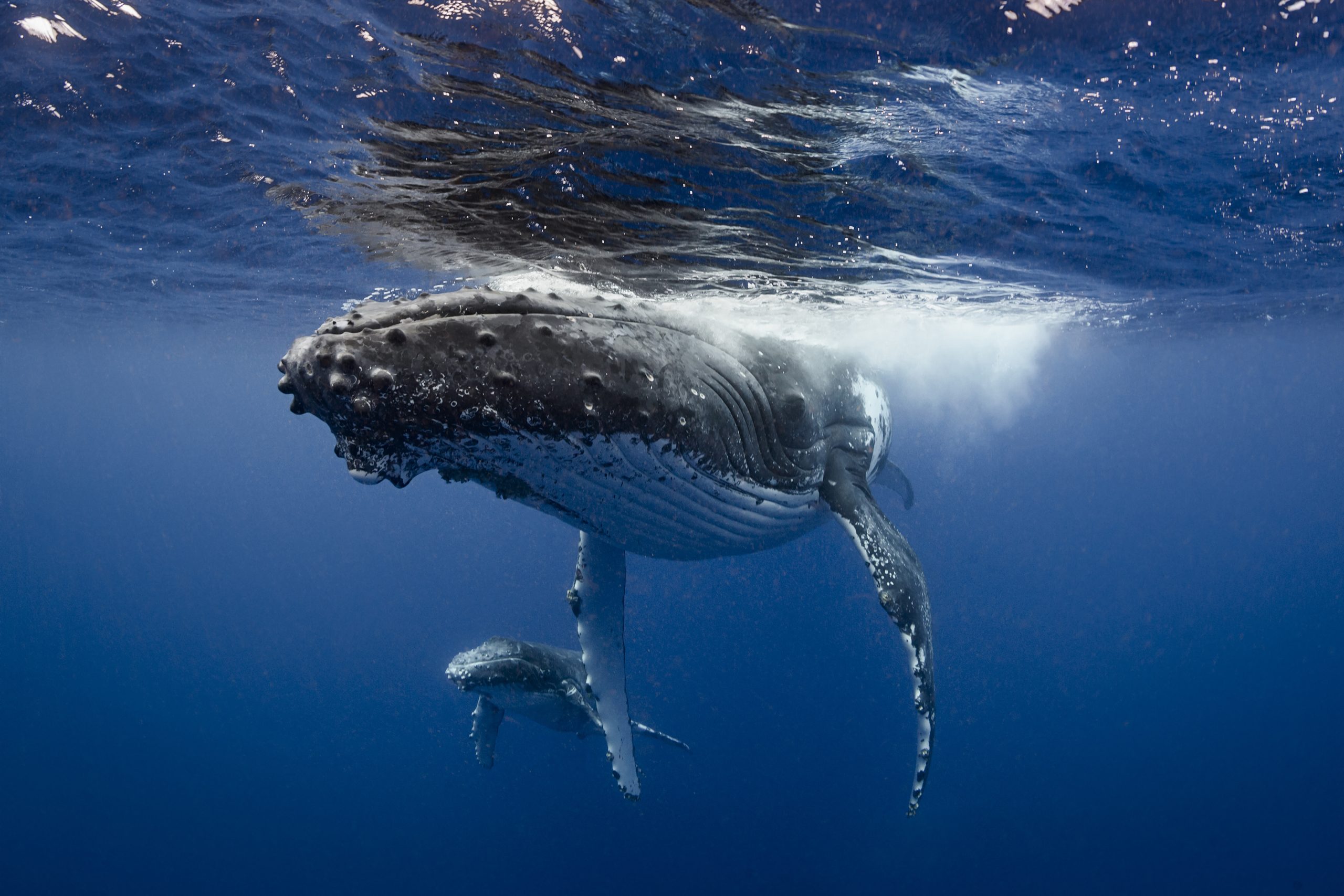
Whales find-a-word
Dot-to-dot and find-a-word activities to develop numeracy and literacy skills. The words can form the basis of a discussion about whale body parts and how they help them to live in the ocean.
My Sea Friends
Explore marine animals through sensory play, storytelling and art, building understanding of habitats and communication.