
Sustainable Seafood in Australia
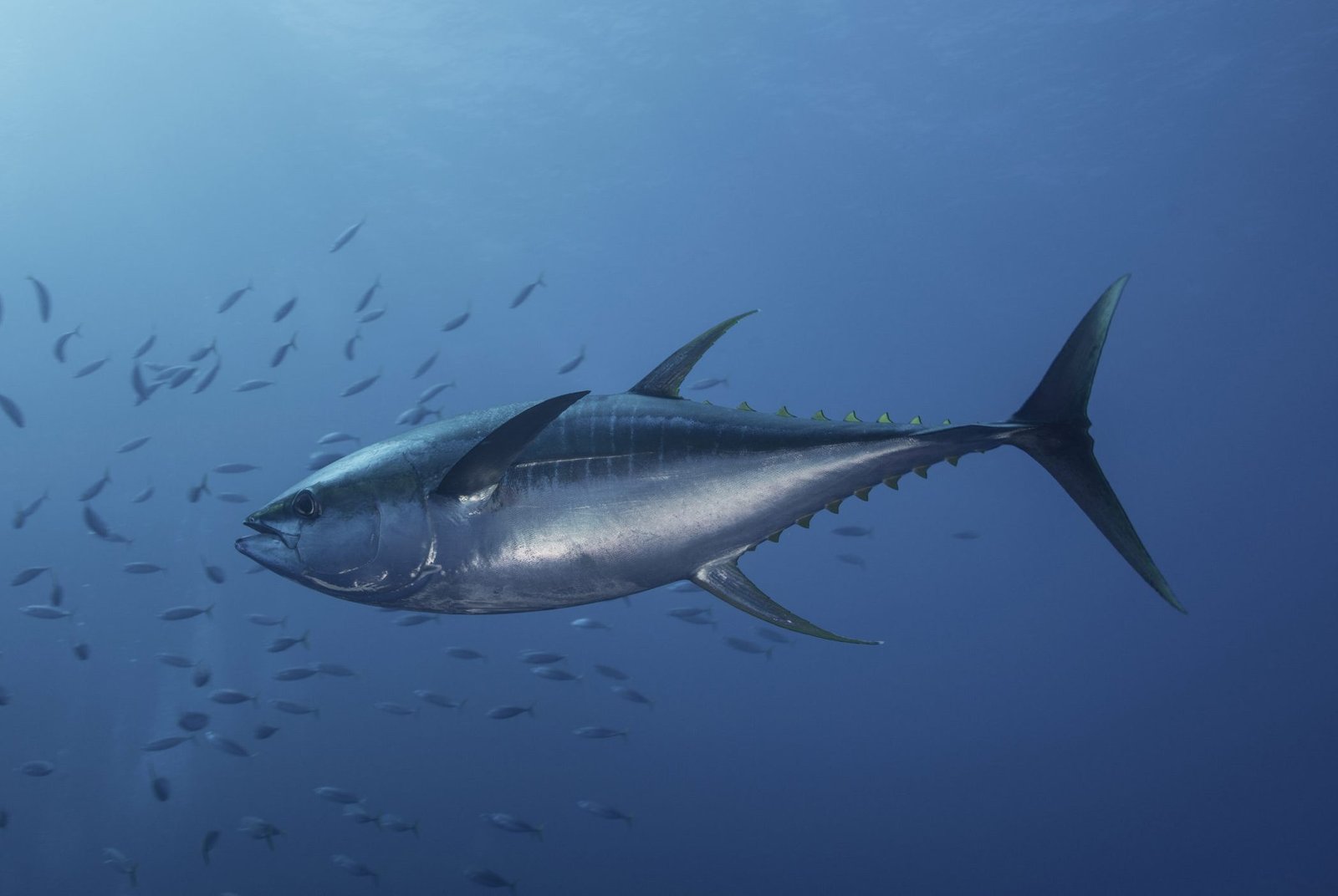
This site provides student worksheets with interactive videos, multimedia content, real-world case studies, differentiated activities, and a printable “Find Your Career in the Seafood Industry” poster, all aligned with the Australian Curriculum, to showcase career opportunities, sustainability efforts, and technological advancements in Australia’s aquaculture and wild-catch fishing industries.
NSW Seafood Industry Partnership in Schools (SIPS 2030)
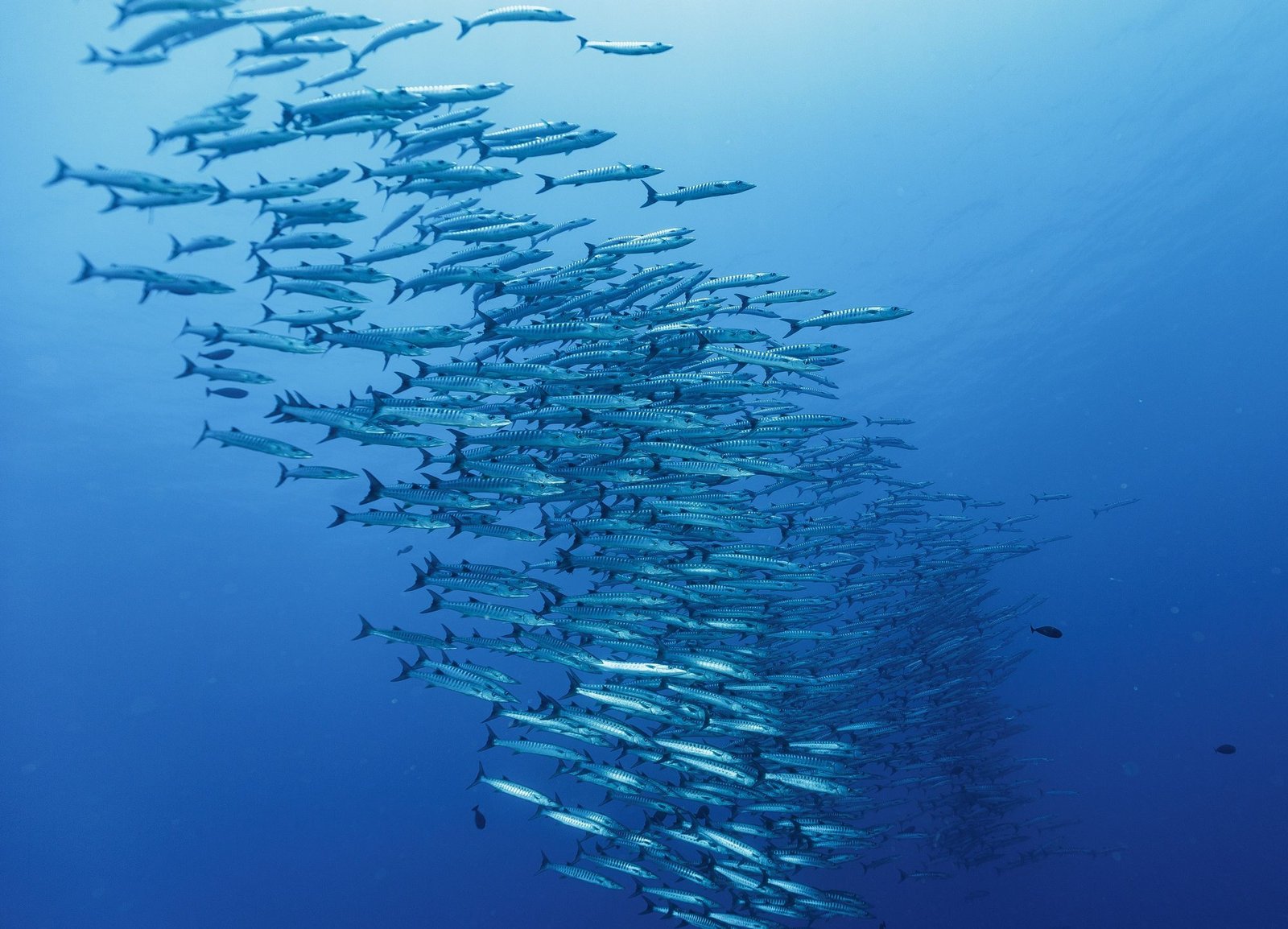
This lesson series on sustainable NSW seafood provides students with adaptable resources, including worksheets, activities and videos, to support learning and build a critical understanding of sustainable fishing practices.
The Yabby Unit
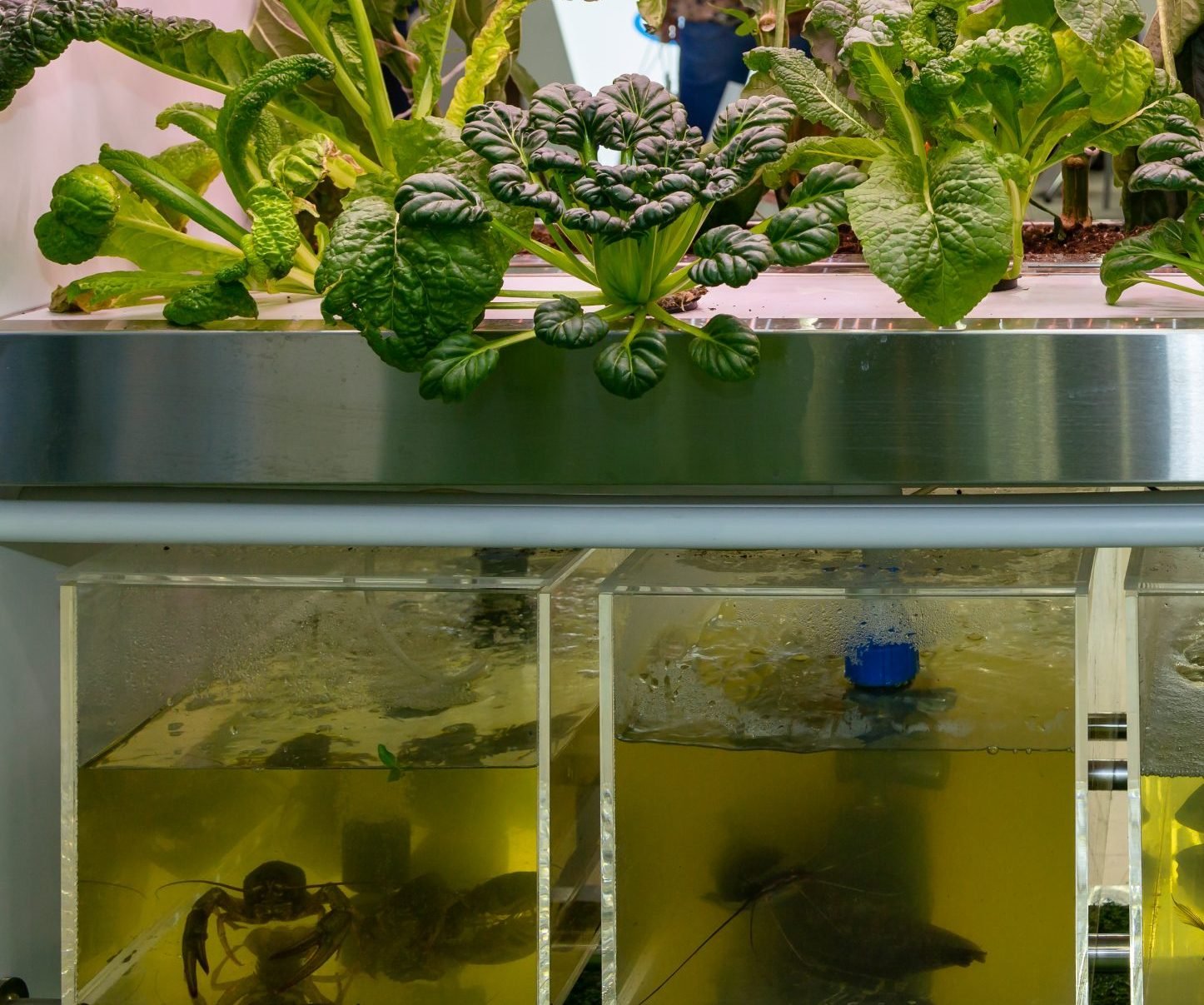
This unit of work provides students with the opportunity to investigate the importance of aquaculture production to our society. It integrates content from multiple contexts, aquaculture, aquaponics and digital technologies.
Fish – aquaculture
This page provides guidance for NSW schools on the management, care and welfare of aquaculture fish, including animal welfare standards, required approvals and practical considerations for keeping and using fish for teaching.
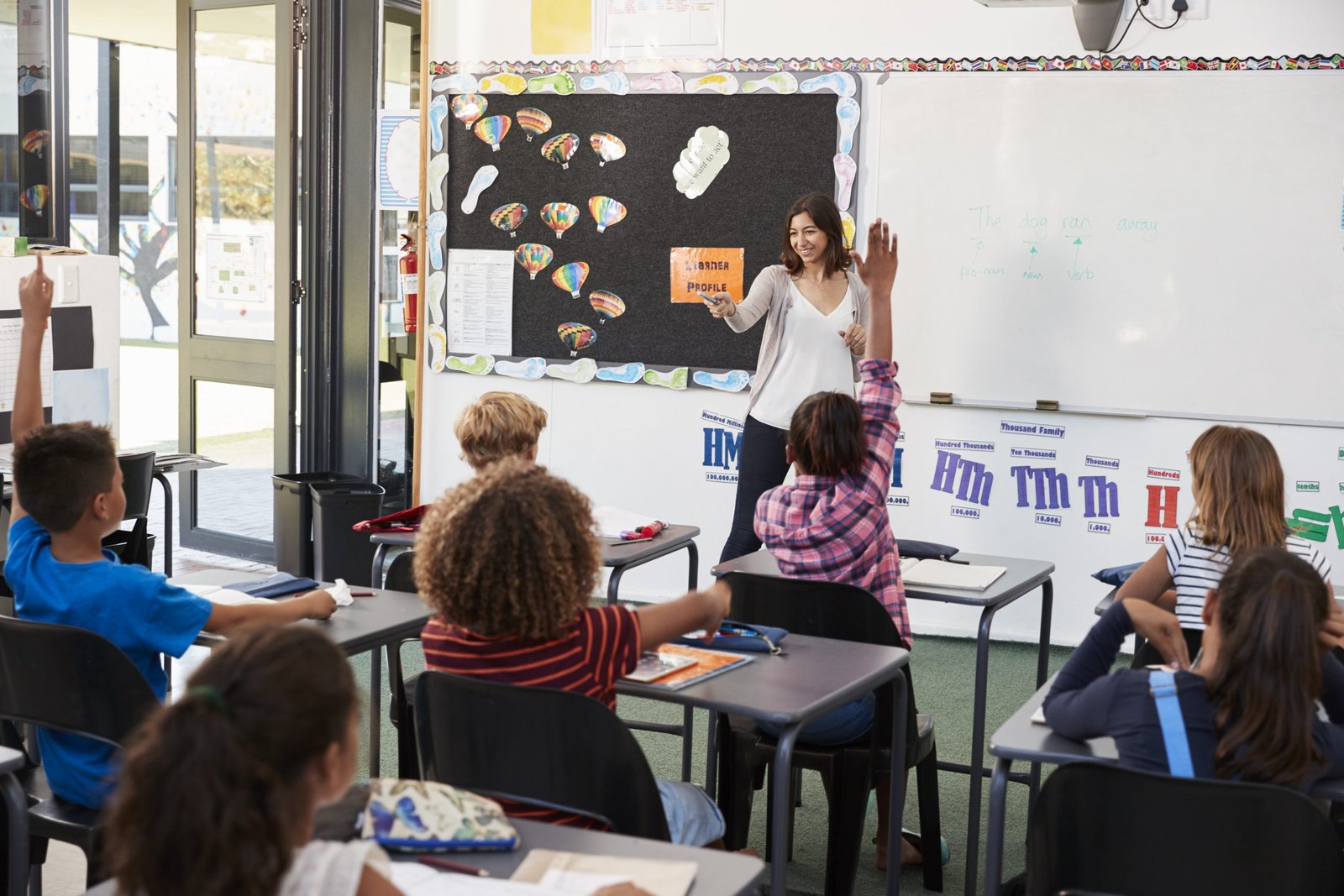
Primary and Secondary School Resources Audit
This resources covers a range of topics including, marine and freshwater habitats and environments, recreational fishing indigenous fishing, aquaculture, fisheries management and sustainability, general fish and seafood species, seafood handling, filleting and processing, industry careers and business, health, nutrition and cooking.
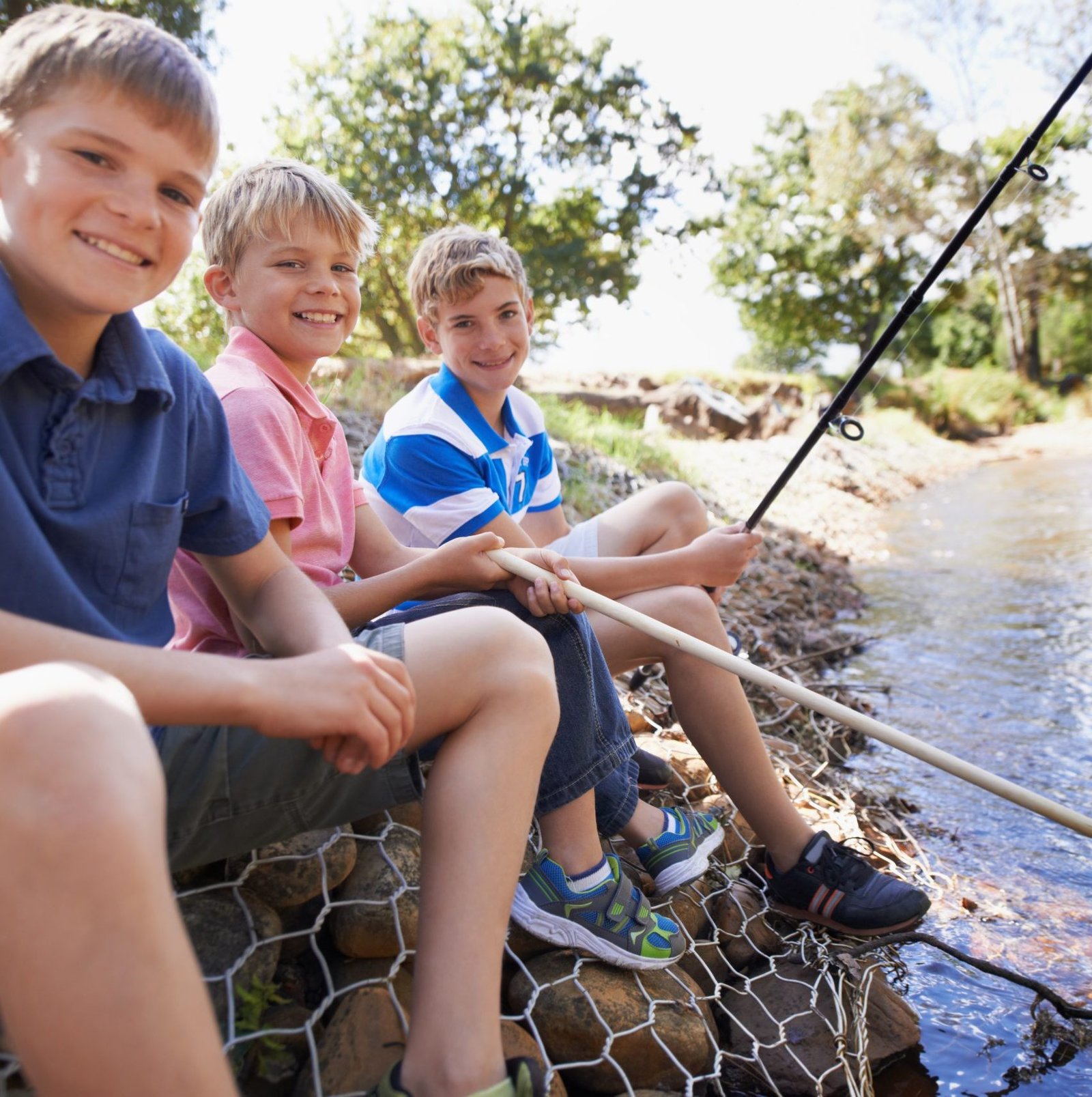
High Schools – Get Hooked
Get Hooked… Fish for Life, a versatile teaching resource designed for high schools across New South Wales. This program supports interdisciplinary learning in Geography, Science, and Marine and Aquaculture Technology. Teachers can choose from a range of topics across four dedicated units, allowing for tailored lessons that cater to diverse classroom needs and interests.
NSW Marine Estate
This webpage includes activity books, lesson plans, teacher guides, marine estate fact sheets and information on marine-related career options to support primary school teaching about the NSW marine environment.
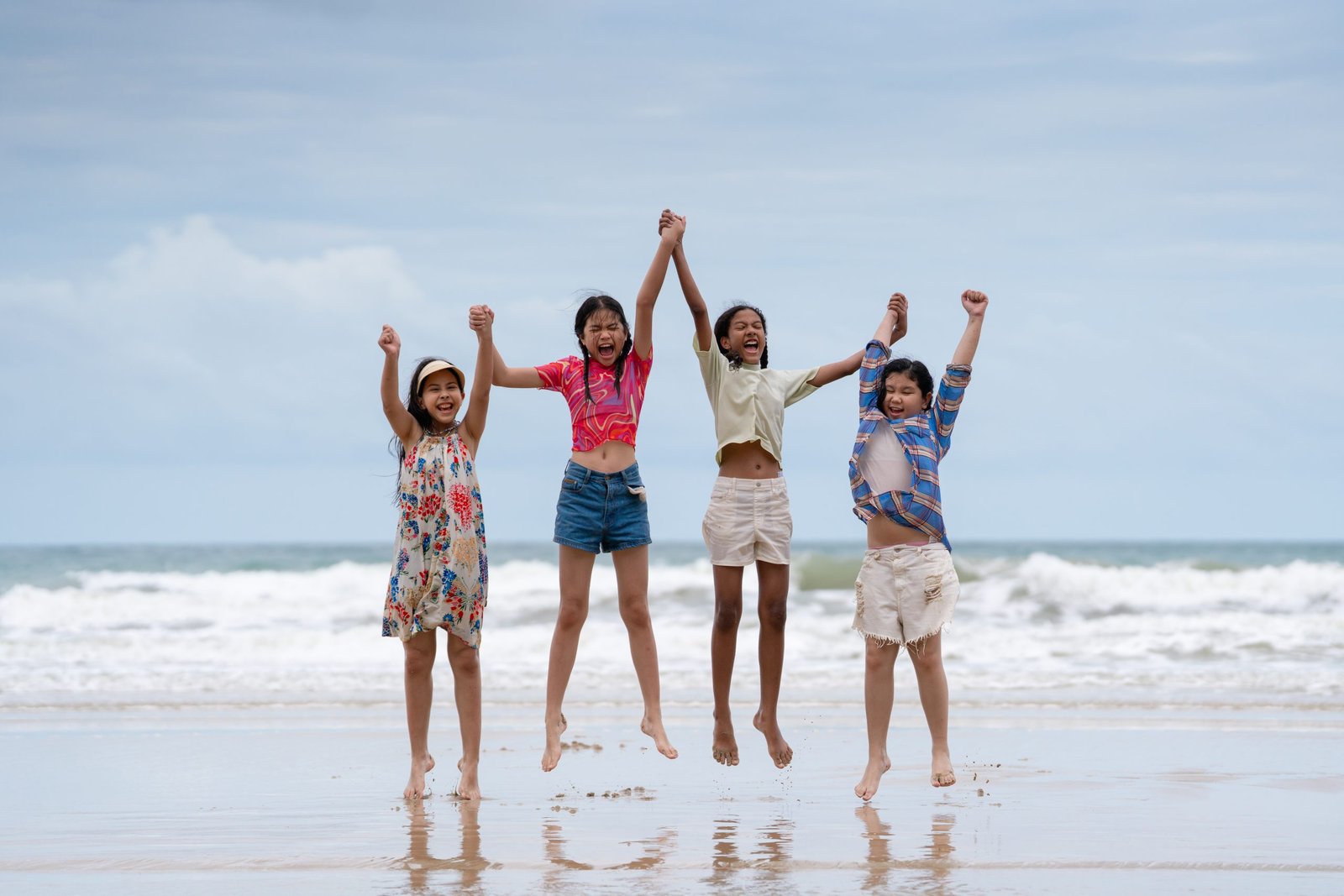
Beach Safety in your Language
This page offers a variety of beach safety resources in multiple languages, including basic beach safety information and tips, safety factsheets, and quizzes. Enjoy learning about beach safety in your language!
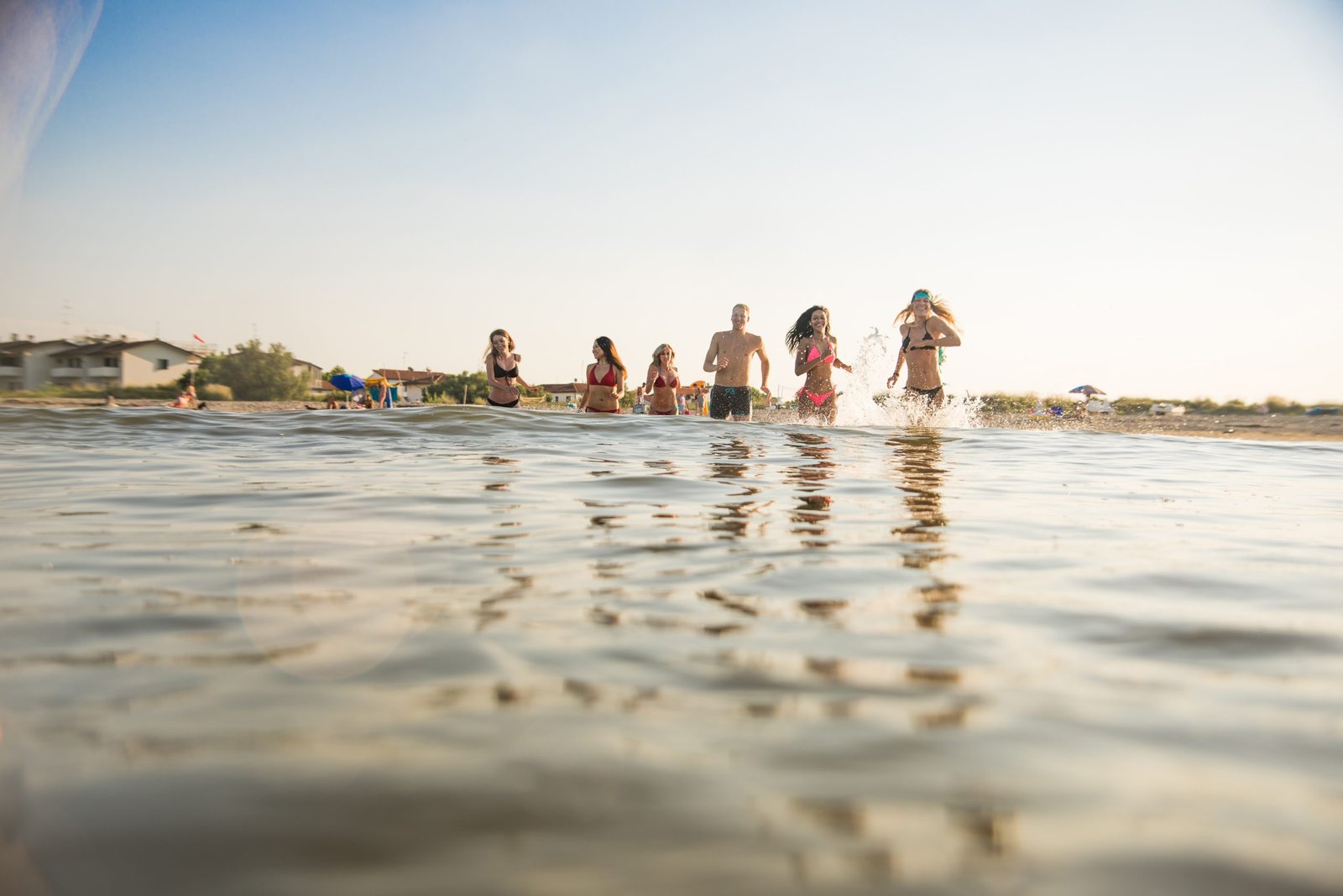
Victoria Bush Nippers Education Program
Bush Nippers is a regional and rural inland adaptation to coastal nipper education programs and our successful lifesaving education program, which aims to build lifesaving and water safety knowledge and skills of children aged 5 to 14 years in open water environments.