
SEA LIFE Sydney Aquarium x Seabin Learning Pack
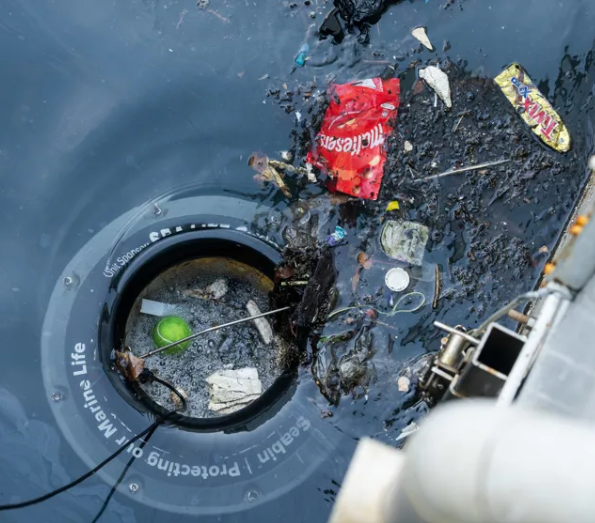
Each student pack utilises real data from the SEA LIFE Sydney Aquarium x Seabin partnership to develop age-appropriate skills in scientific investigation, data interpretation, geographical thinking, and sustainability problem-solving. Activities range from creative poster design and graphing tasks to evidence-based reports and policy-style proposals.
Habitat restoration: Communicating, Design and Production, Mathematics
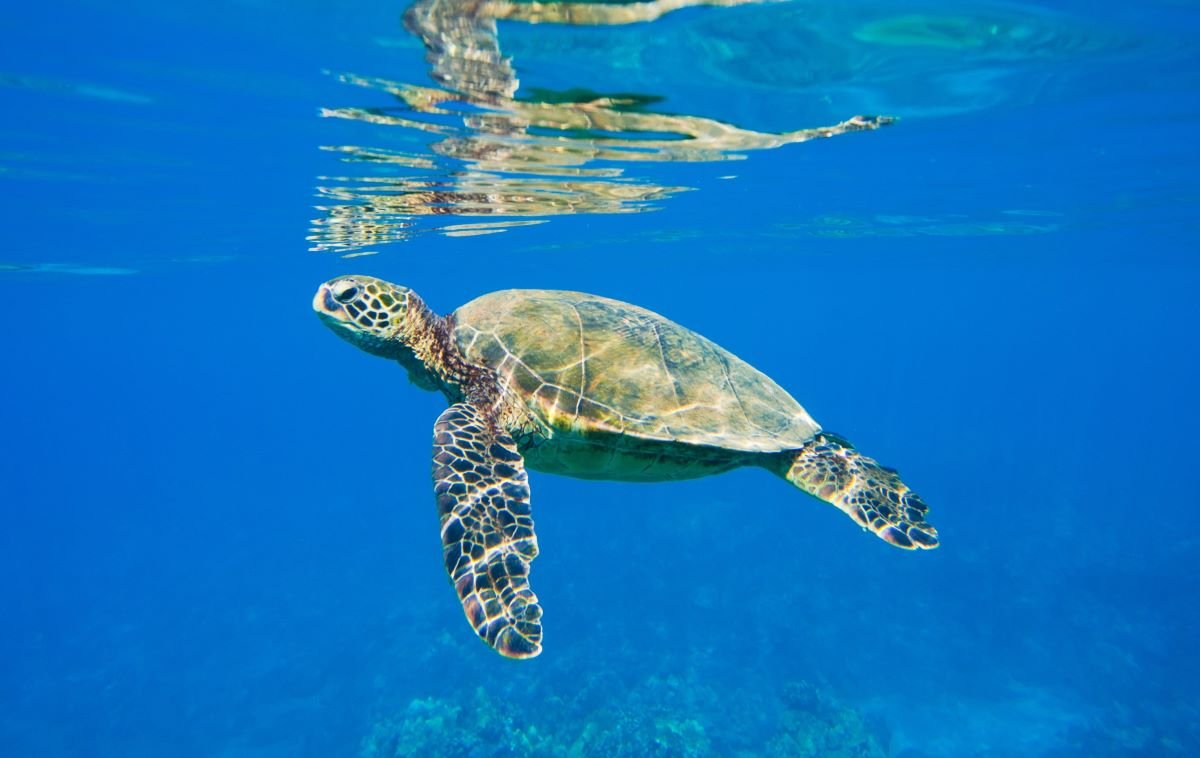
This resource uses engaging videos to explore marine conservation, animal classification and sustainable consumer choices, helping students connect real-world conservation with science concepts. It includes inquiry-based classroom activities that support critical thinking and align with Australian Curriculum outcomes in Science and Sustainability.
Seagrass-Watch Junior Activity Book
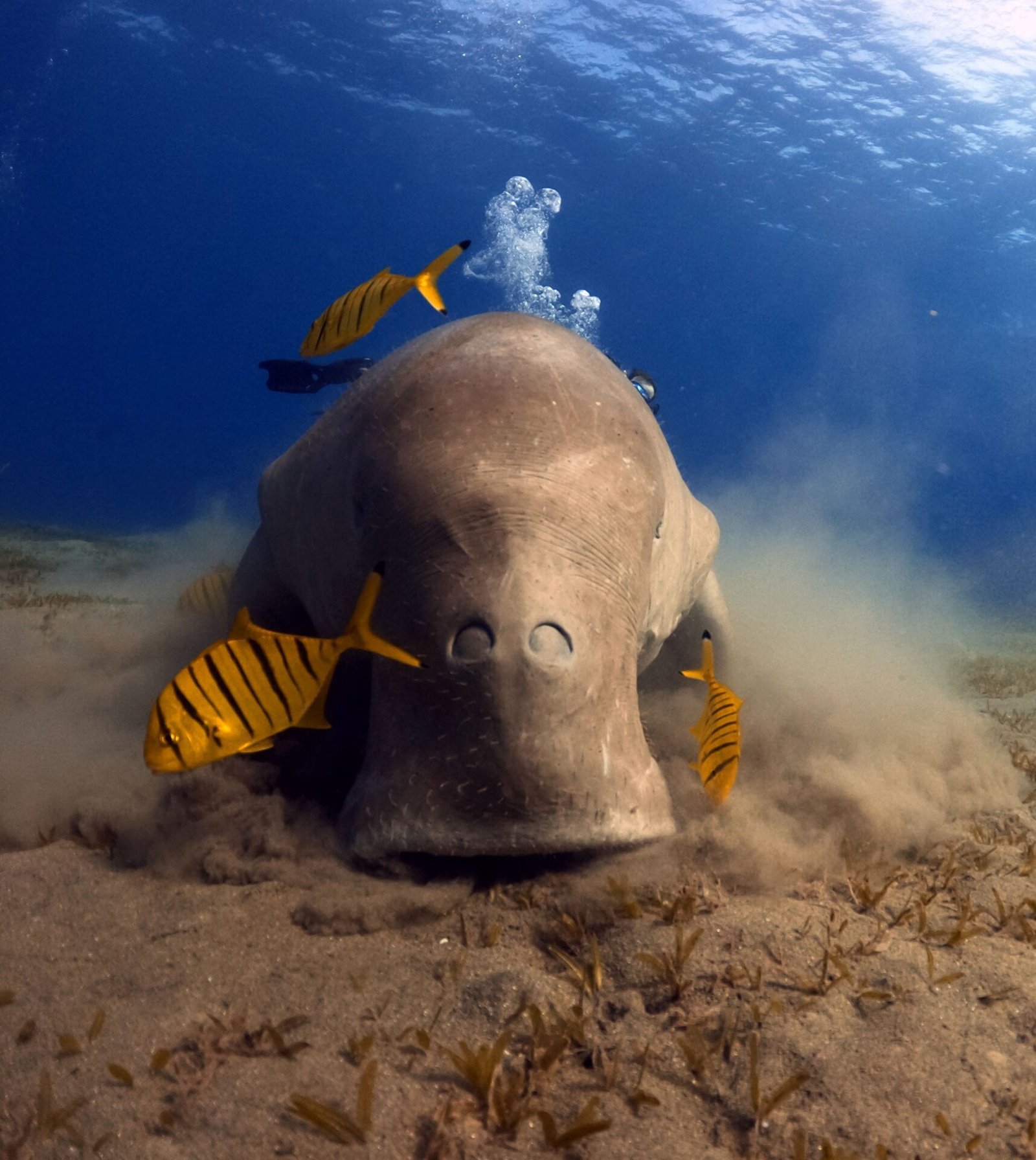
This activity book is a student-friendly resource that uses simple activities and games to teach younger learners about seagrass ecosystems, the animals that live in them, and why these habitats need to be protected.
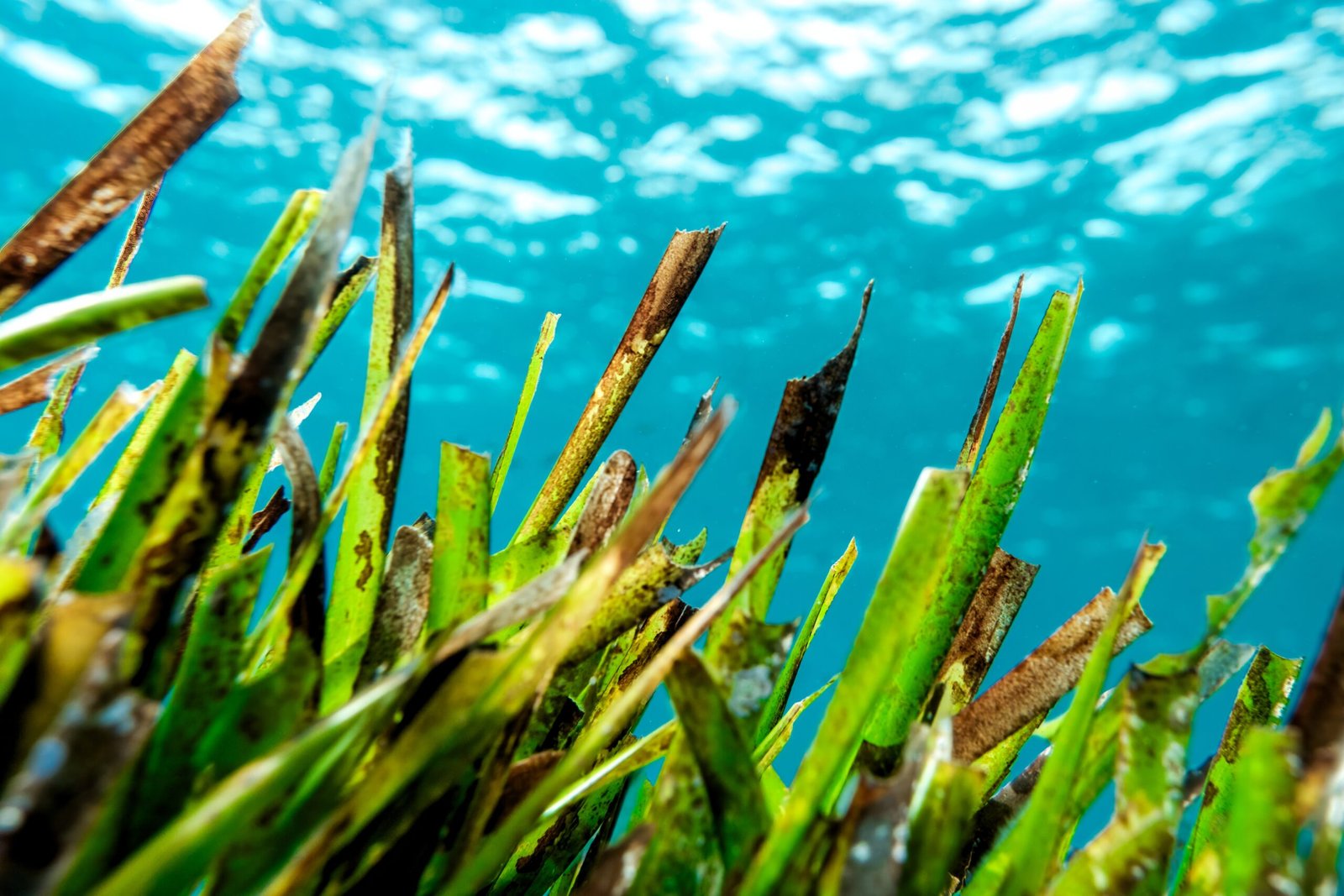
Seagrass-Watch Activity Book
This resource is designed to engage students in learning about seagrass ecosystems through hands-on activities, games, and field-based investigations. It helps learners understand the importance of seagrass habitats, the species that depend on them, and how citizen science can be used to monitor and protect coastal environments.
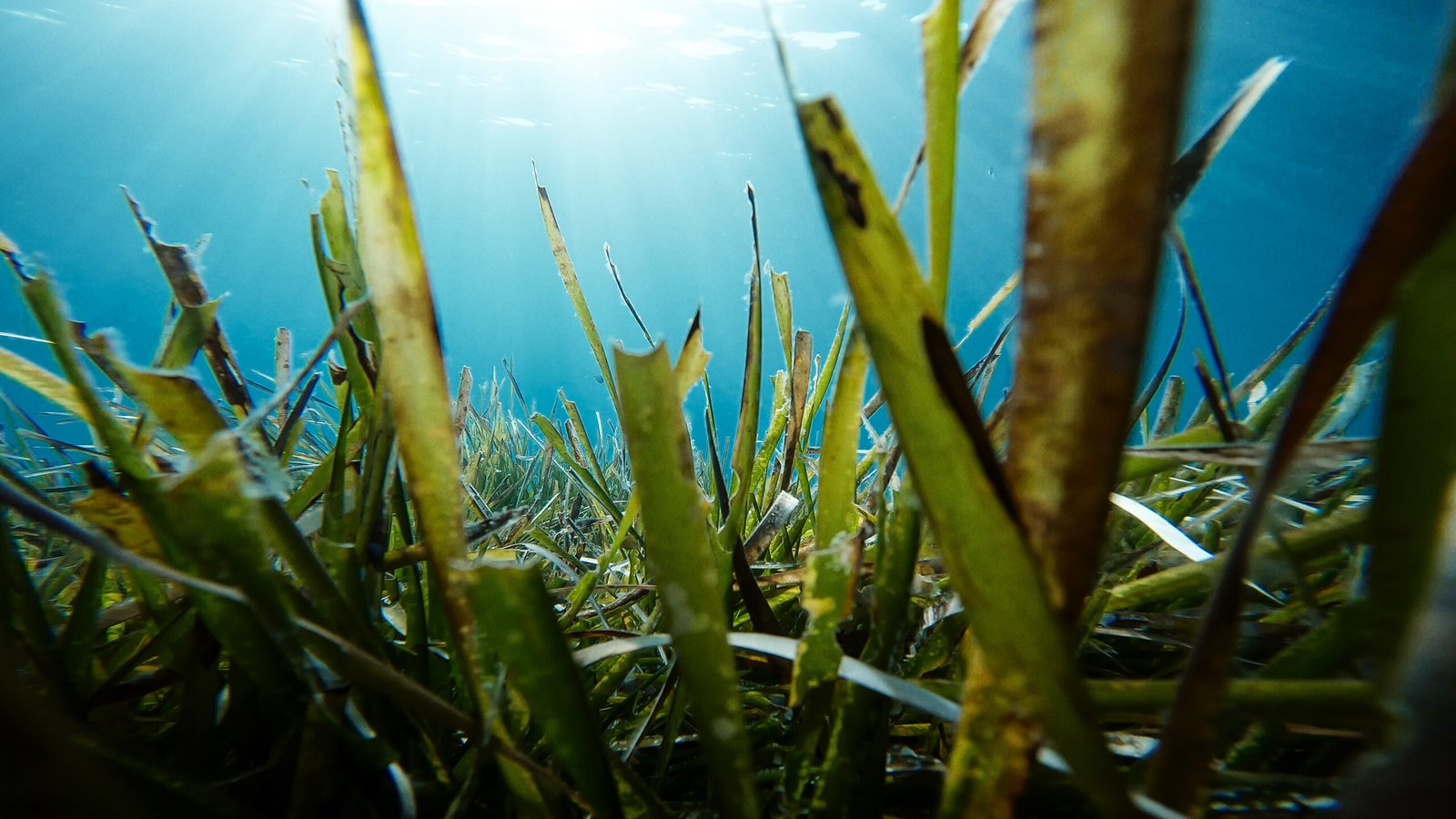
Seagrass-Watch
This website is a teaching and learning resource that helps students and teachers understand seagrass ecosystems and why they are important. It provides educational materials such as videos, activity books, posters, and teacher guides that explain seagrass biology, its role in supporting marine life, and the threats it faces from human impacts and climate change.
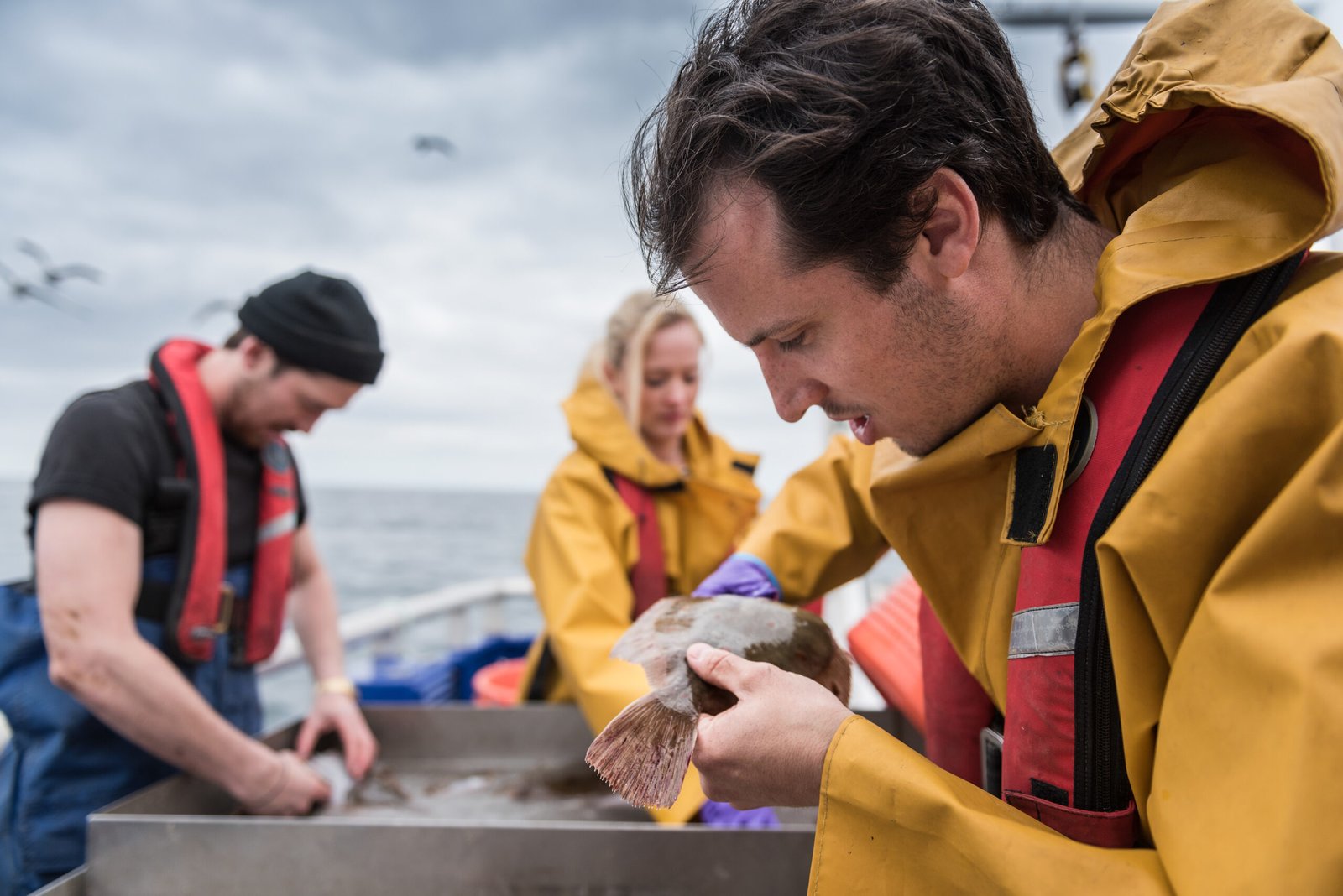
The Future Workforce of SEA LIFE
Explore marine careers, analysing roles, skills and knowledge to understand conservation, career pathways and management of marine environments.
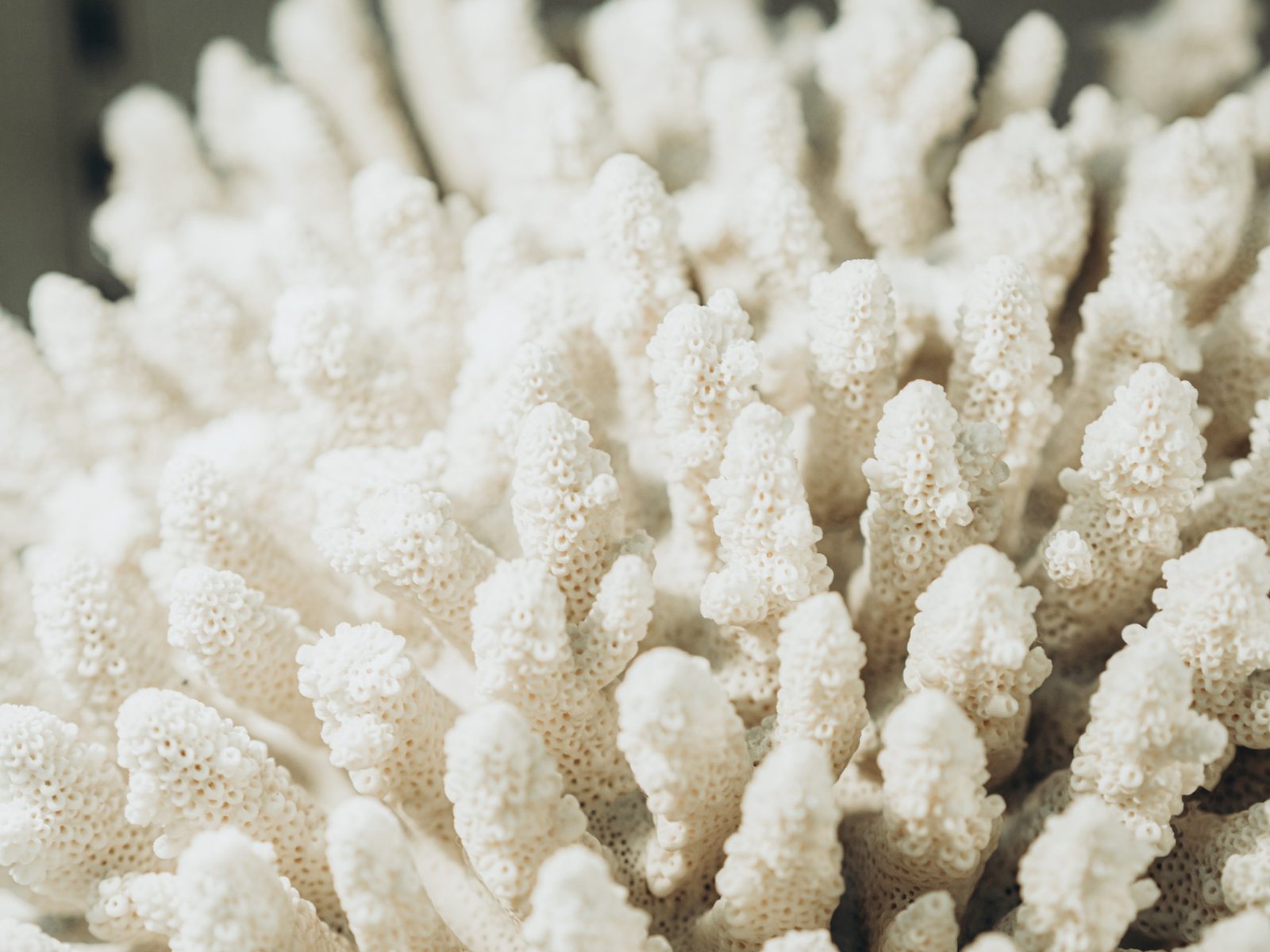
Critical Conservation: Coral Bleaching
Investigate coral bleaching and human impacts, analysing causes and solutions to explain ecosystem change.
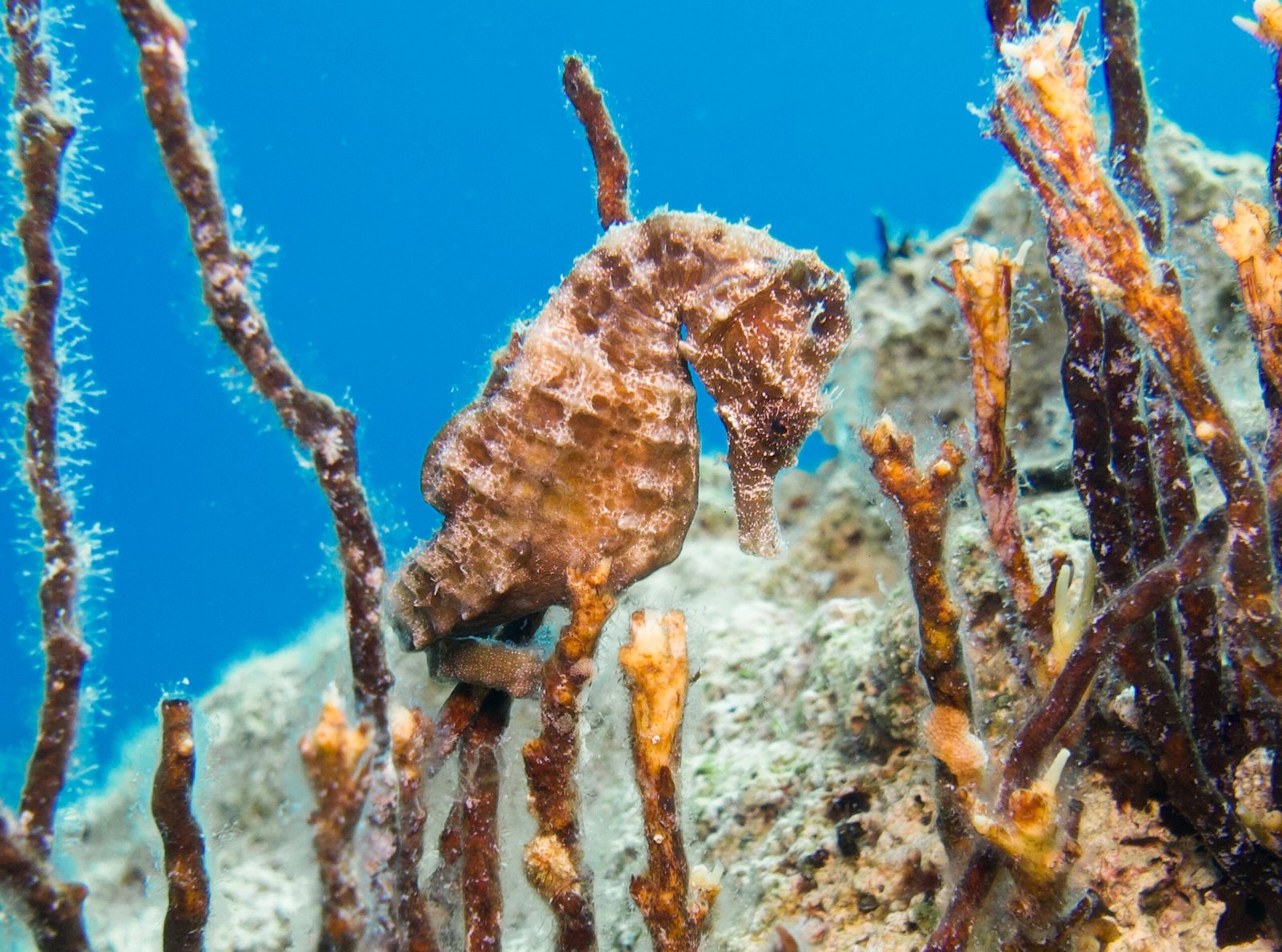
Explore the Ecosystem: Seahorses
Analyse a seahorse food web, exploring predator-prey relationships and human impacts to explain ecosystem balance and environmental change.
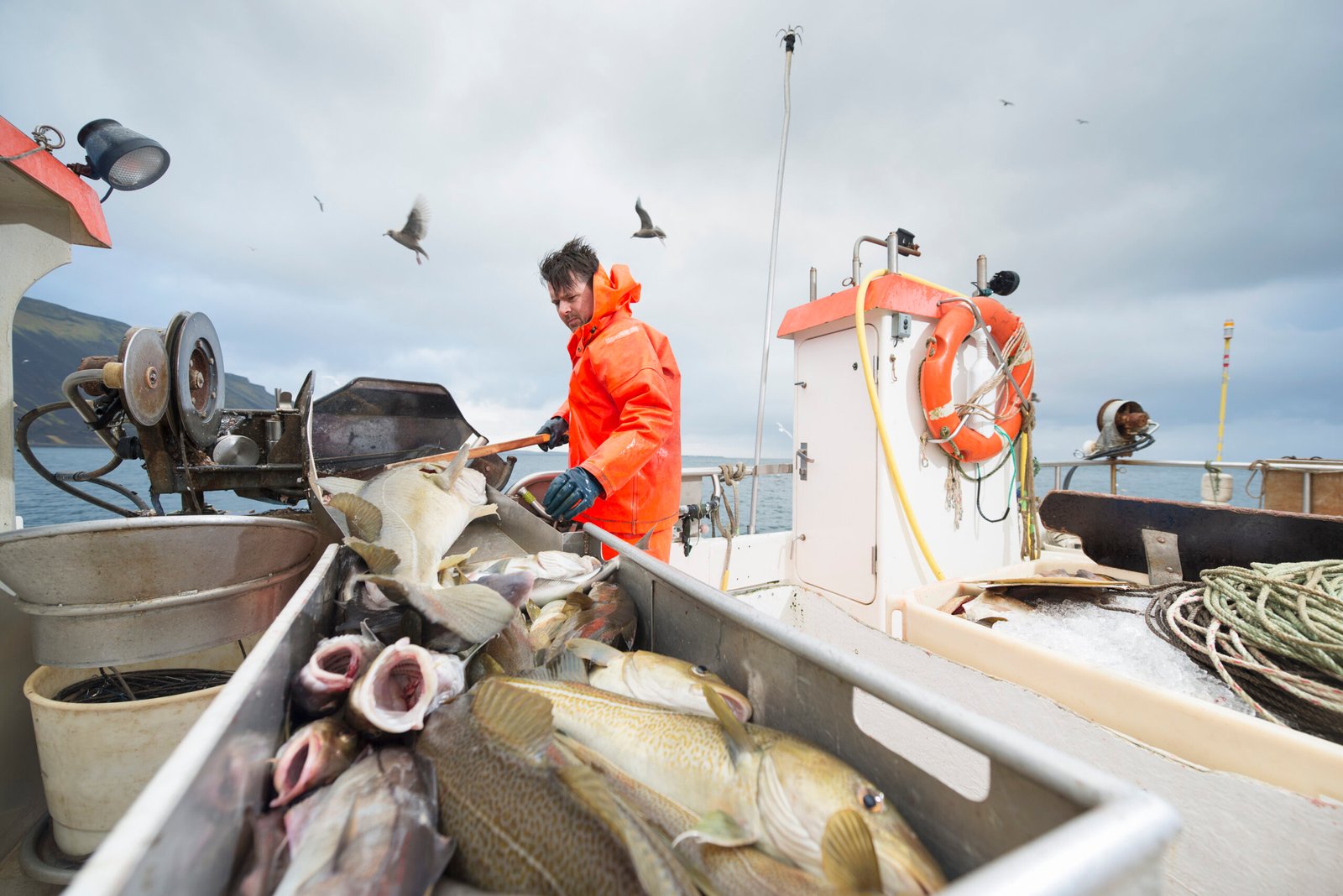
Animals in Danger: Overfishing
Explore ecosystems, human impact and sustainability, analysing data and perspectives to explain environmental change.
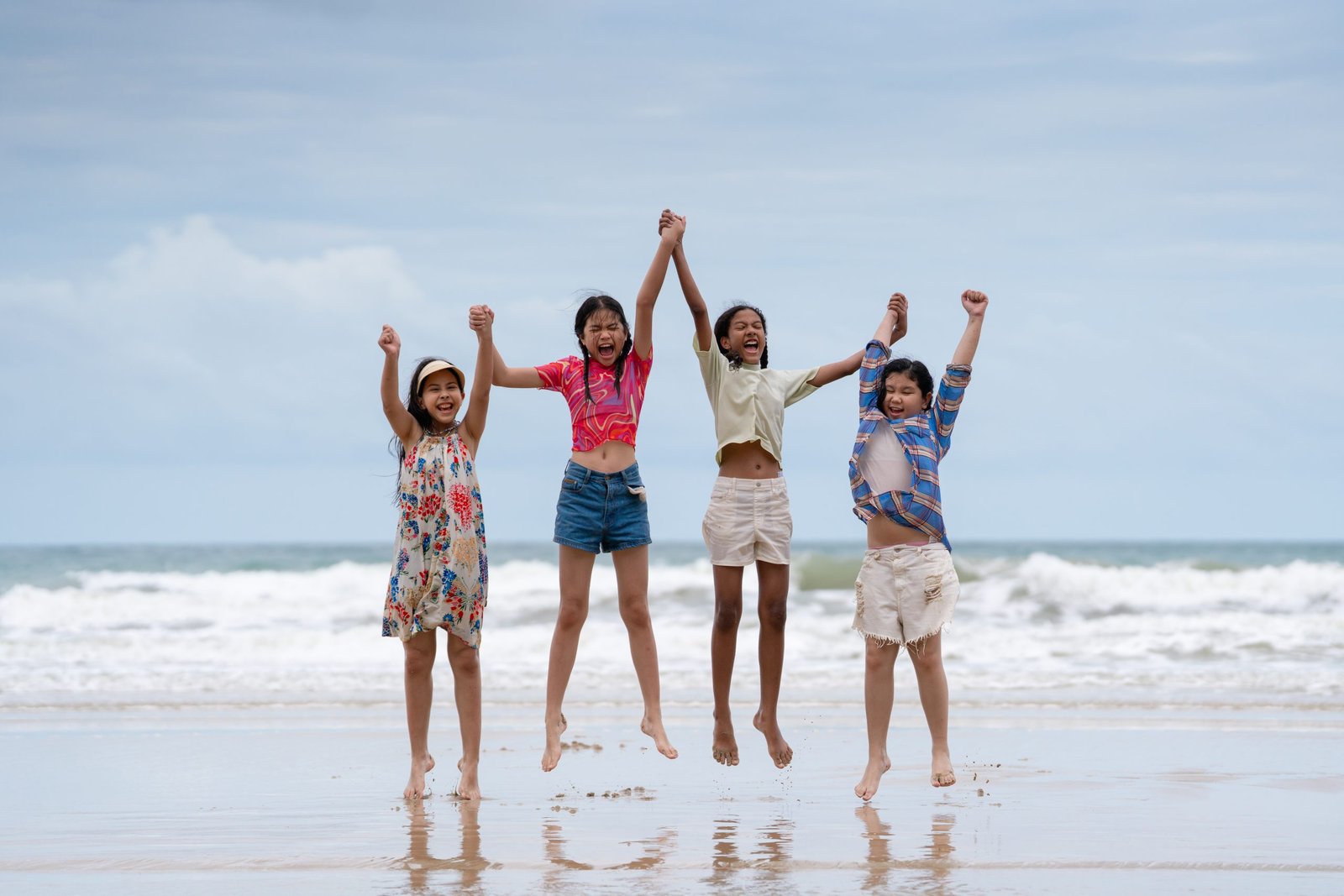
Save Our Seas: The Rangers Challenge
Students are challenged to become ultimate ocean conservation champions with a free activity pack.