
Oceans at Risk
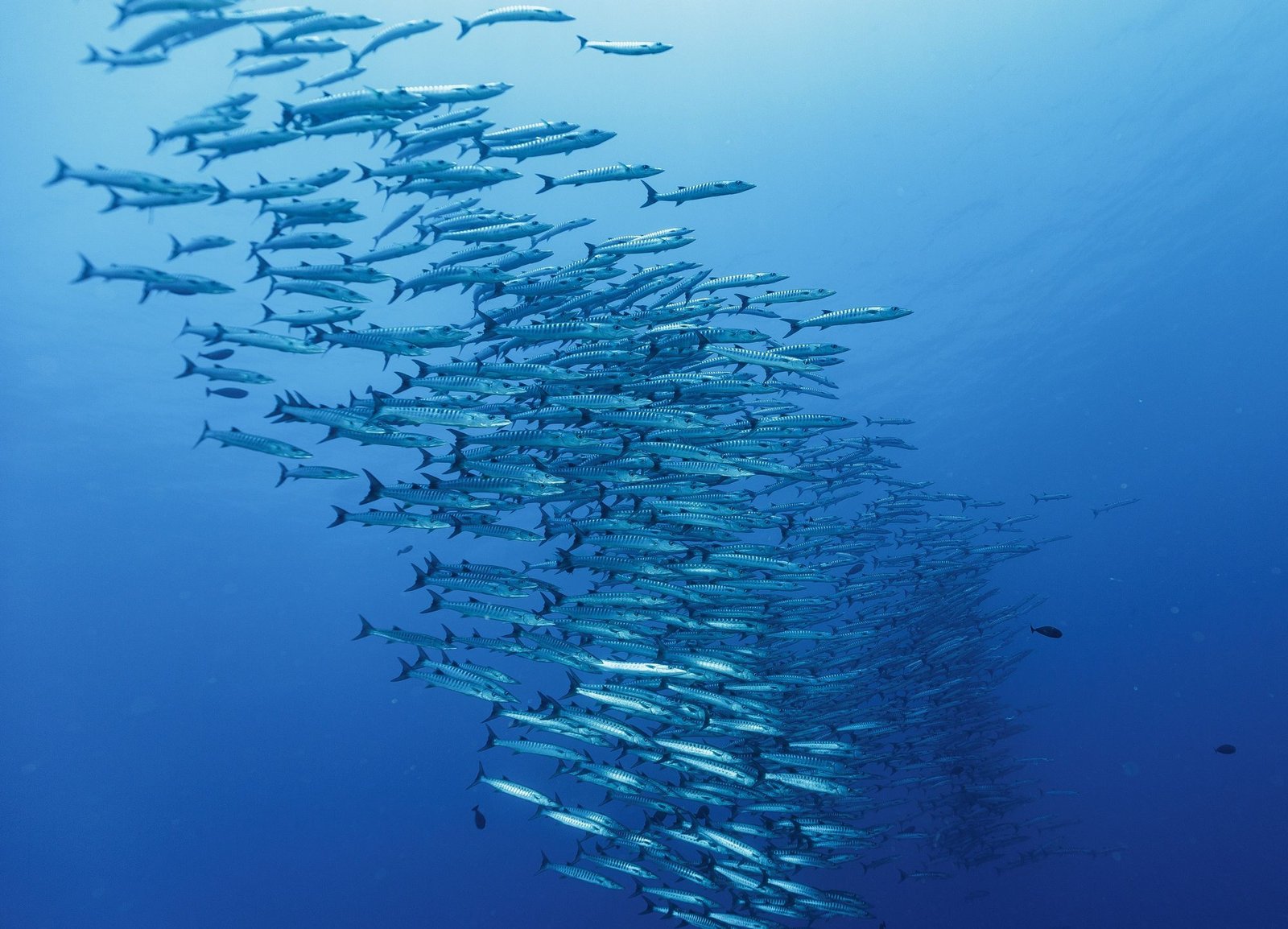
This Maths lesson enables students to consider how the ocean is essential for life on earth. Learners discover how the oceans are at risk from overfishing, and discuss what they can do about it.
Oceans at Risk
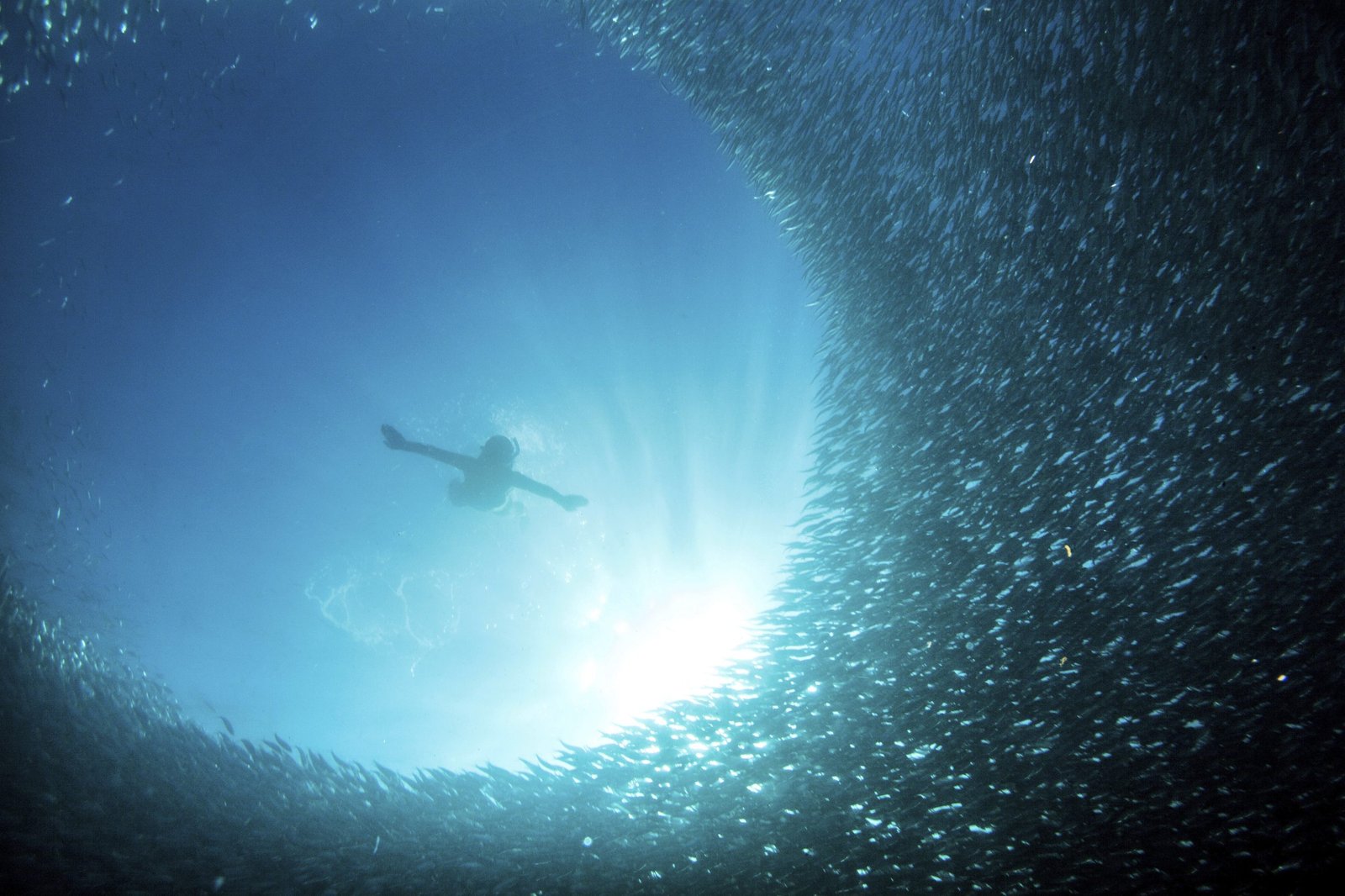
This HASS lesson asks students to consider how the ocean is essential for life on earth. Learners discover how the oceans are at risk from overfishing, and discuss what they can do about it.
The Blue Fish Tick
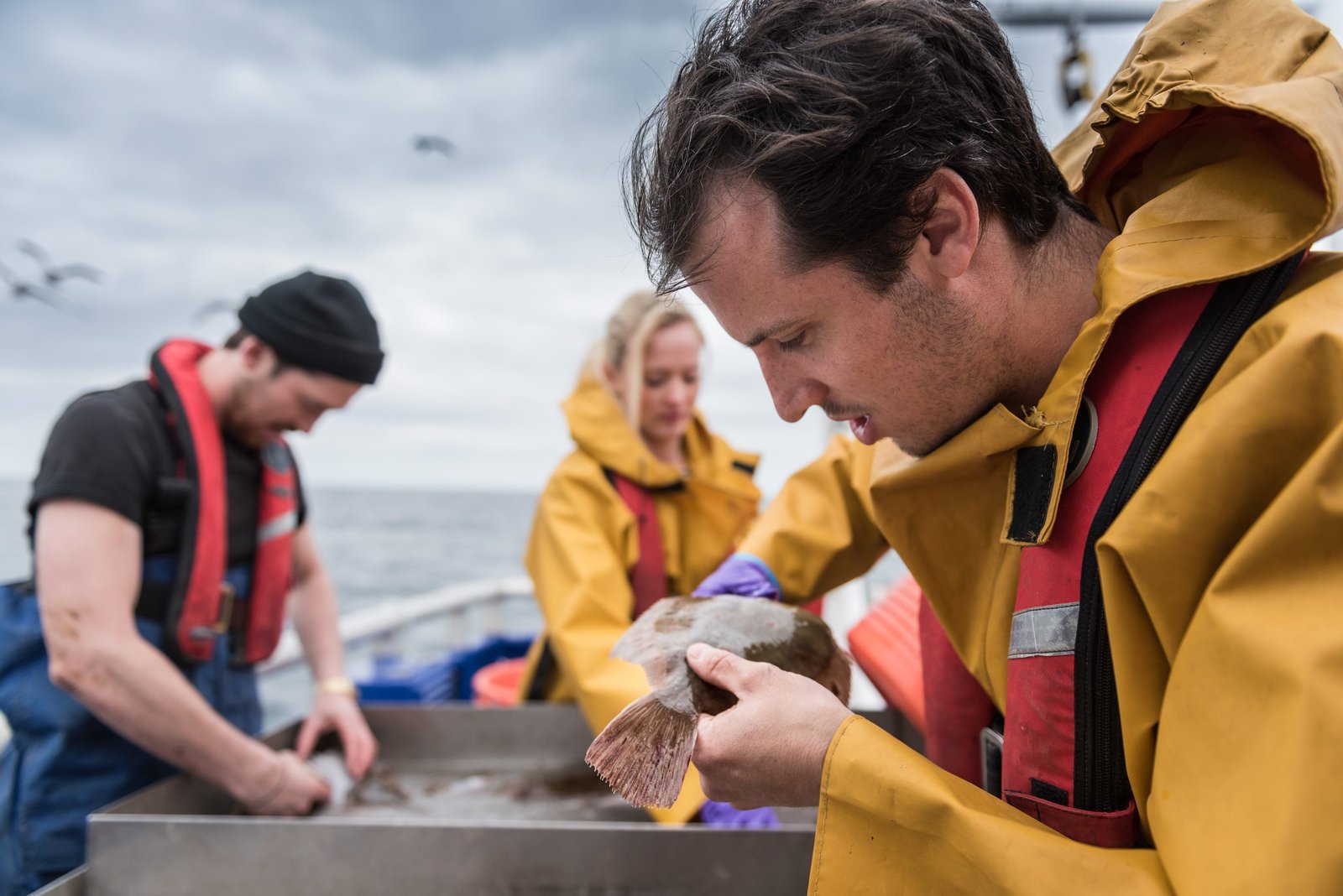
The Marine Stewardship Council (MSC) is on a mission to end overfishing. This 40-60 minute lesson for years 5 and 6, will introduce learners to the MSC Standard for sustainable fishing.
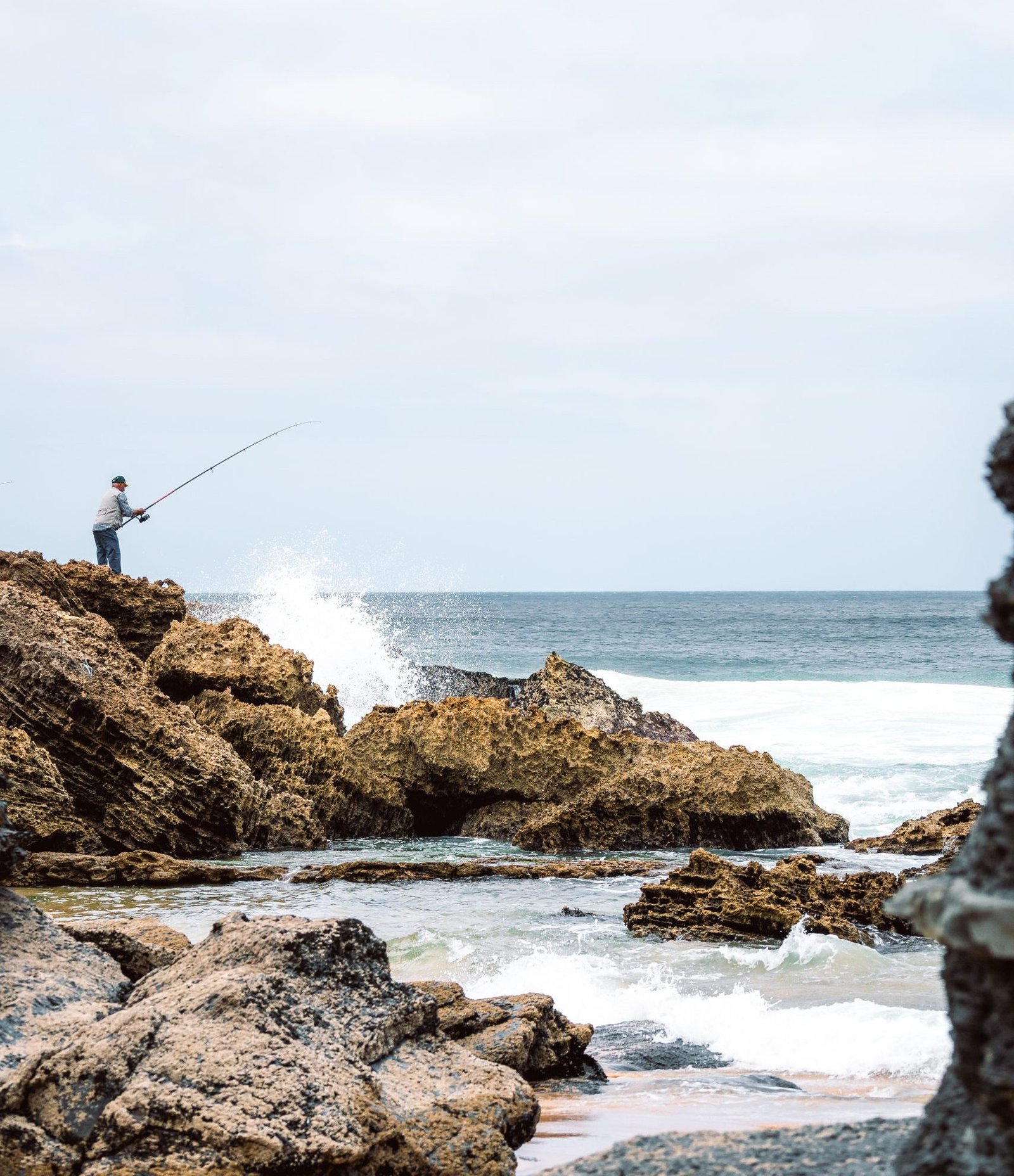
Using the Oceans Resources Responsibly
This geography lesson uses the film My Dad the Fisherman as a starting point, as learners consider how people use, modify and change the ocean ecosystem to obtain food. Learners will examine some of the ways in which fishers try to look after the oceans and what sustainability means for the future of our oceans.
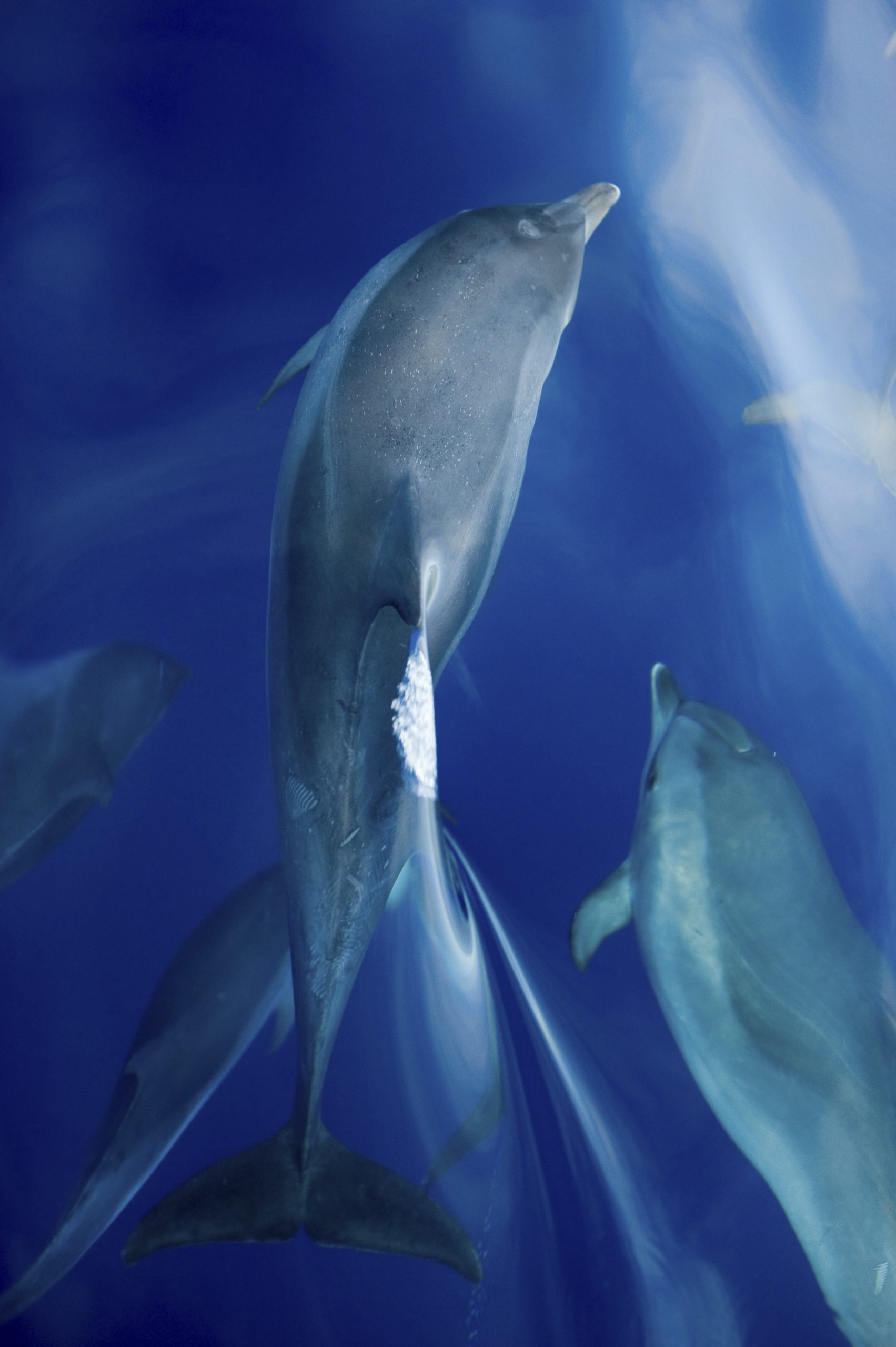
Why do we need the ocean?
In this Geography lesson for years 9-10, learners will explore why we need the ocean, what global fishing activities look like around the world and some of the pressures on it from overfishing.
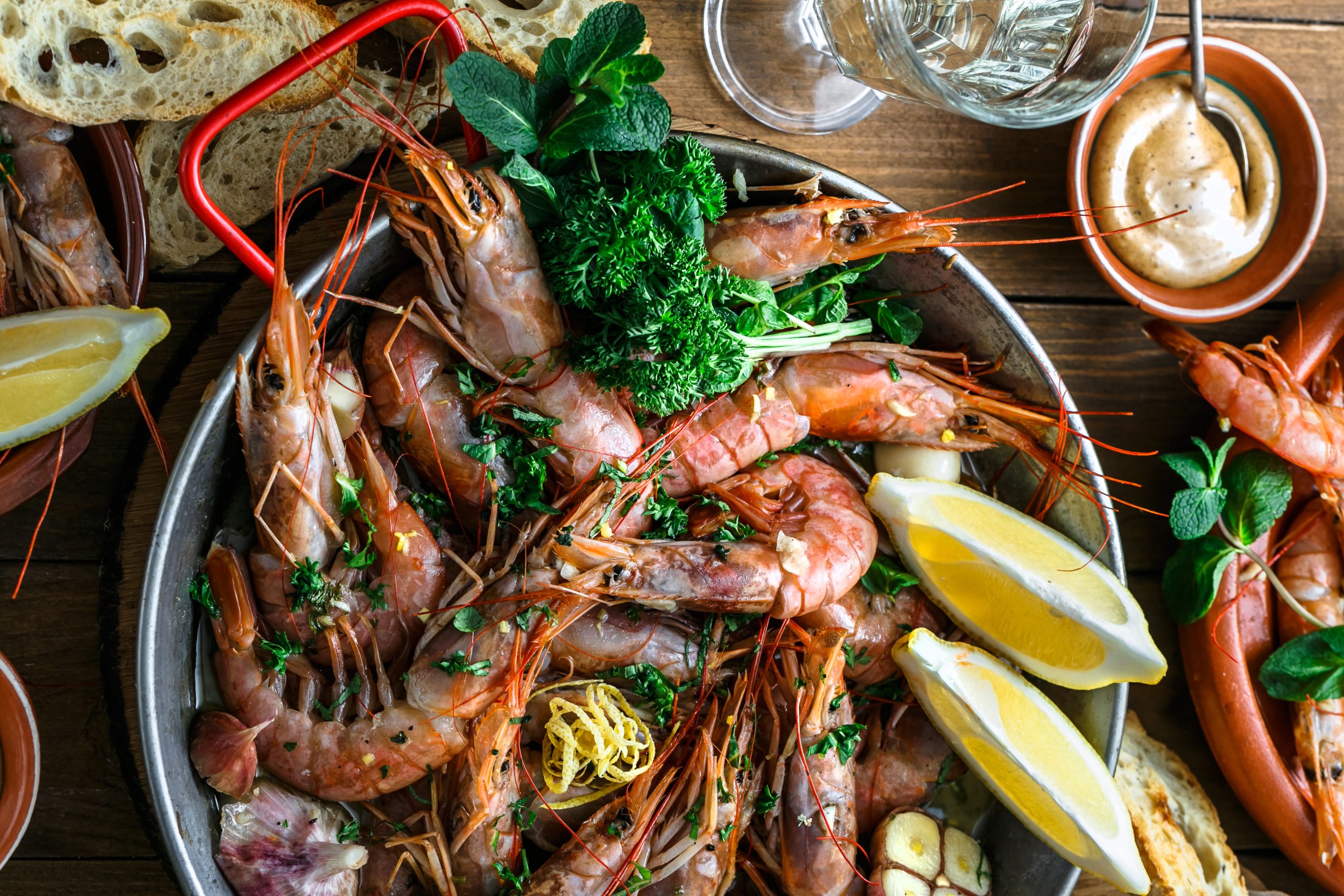
Food: Different by Design
This 40-60 minute lesson for ages 12+ will introduce learners to some of the ways that seafood production can be designed for a more sustainable future. Learners will discover some of the innovations being made in aquaculture and wild fishing to help reduce pollution and entanglements with marine wildlife.
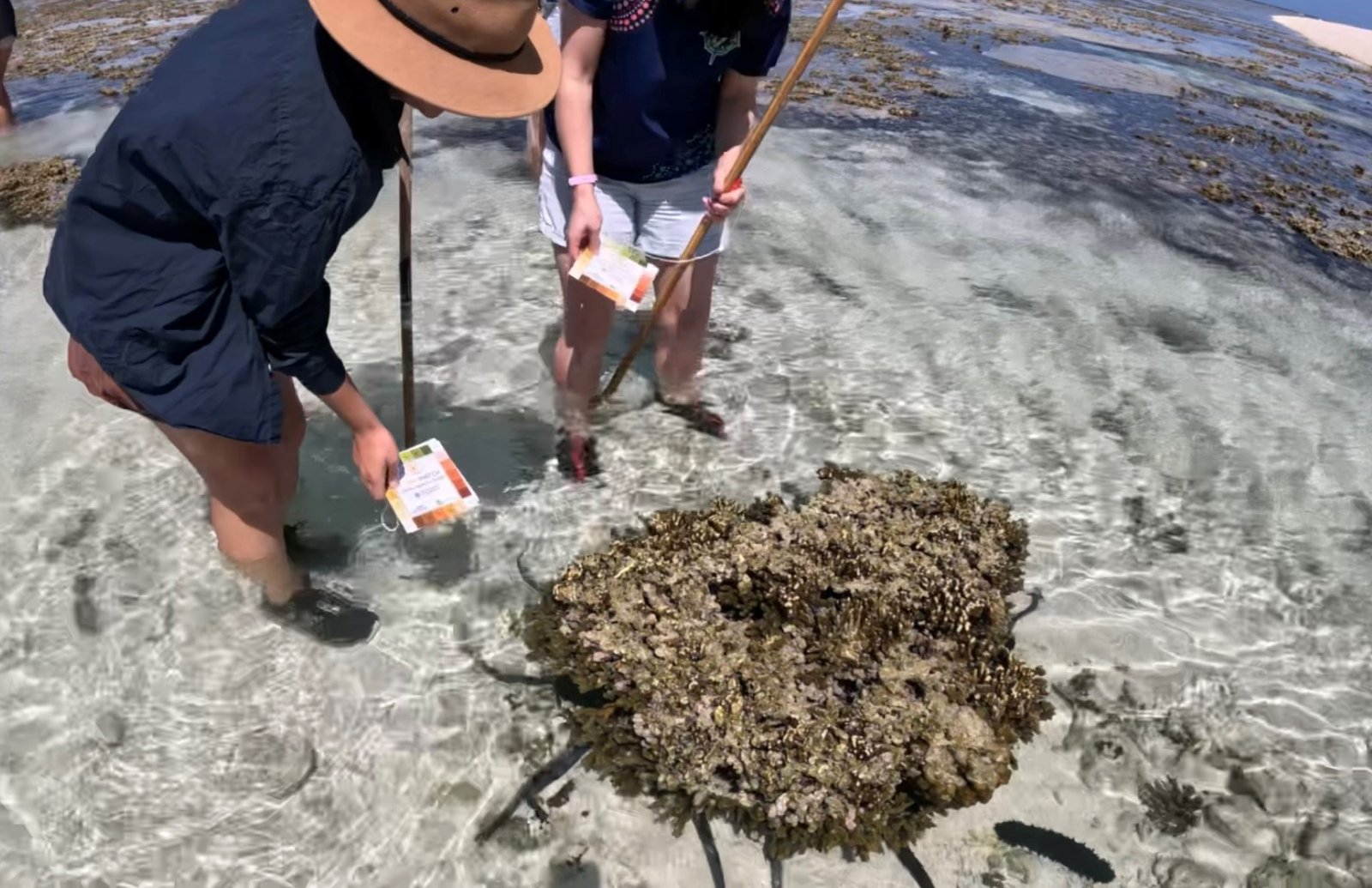
Coral reefs and climate change
The individual, classroom, lab and field activities are designed for high school and early tertiary level students, and anyone interested in exploring coral reefs, climate change and sustainable living in more detail. Some activities make use of the Coral Health Chart. Additional virtual tools provide an opportunity to learn more about coral bleaching and active monitoring. Virtual tools can be used to prepare for a field trip or as a valuable alternative to a field trip. Away from the reef
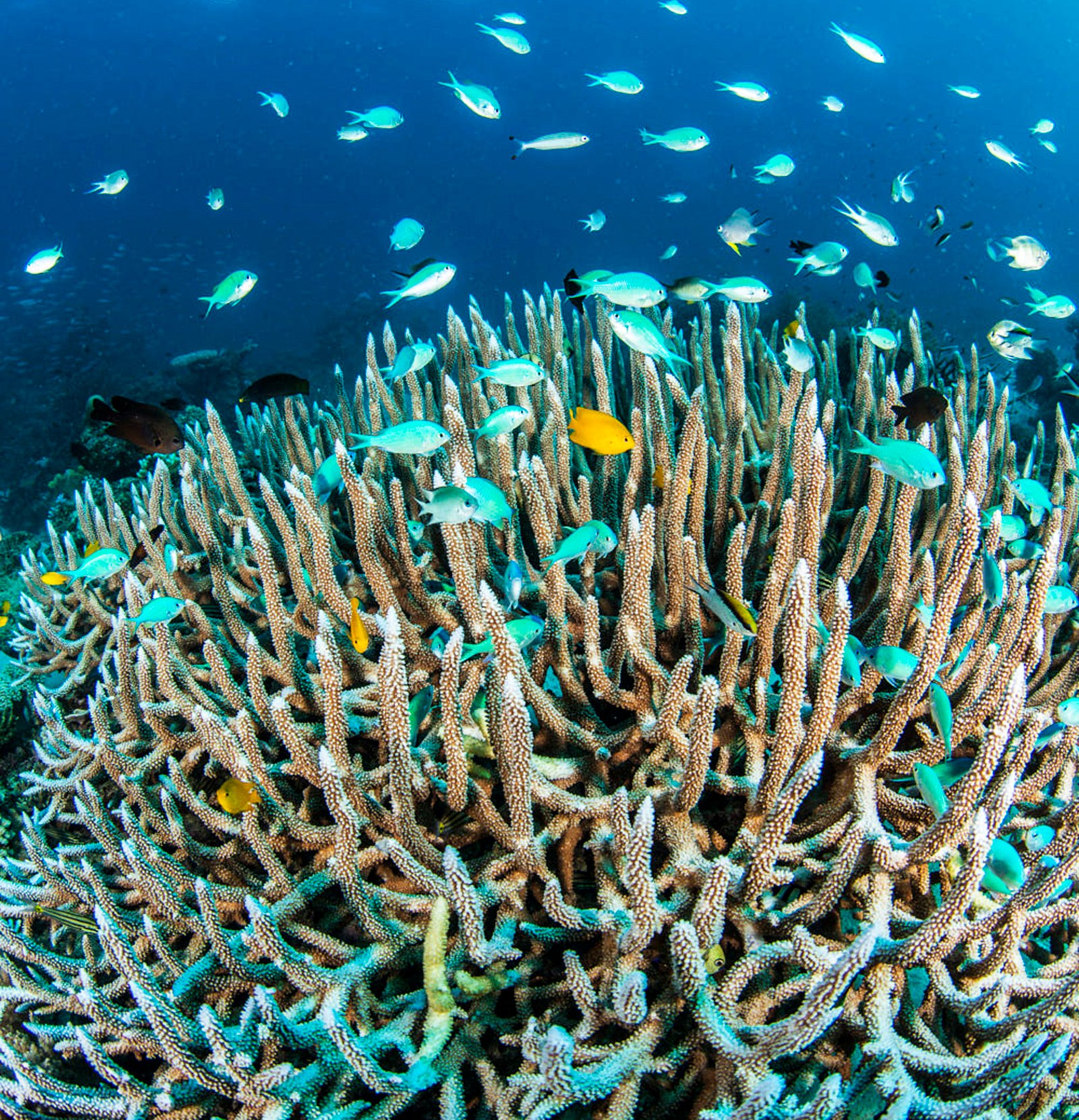
Marine Systems – connections and change
CoralWatch has developed various lessons for Unit 3, Marine Science (2019), General Senior Syllabus. This comprehensive collection of lessons and supporting materials focused on understanding coral reef ecosystems, threats to coral health, and techniques for monitoring reef condition. It includes classroom and field-based activities as well as data interpretation worksheets that help students practise real scientific methods. The resource is intended to help build both scientific literacy and environmental stewardship, showing young learners how reefs are studied and what actions
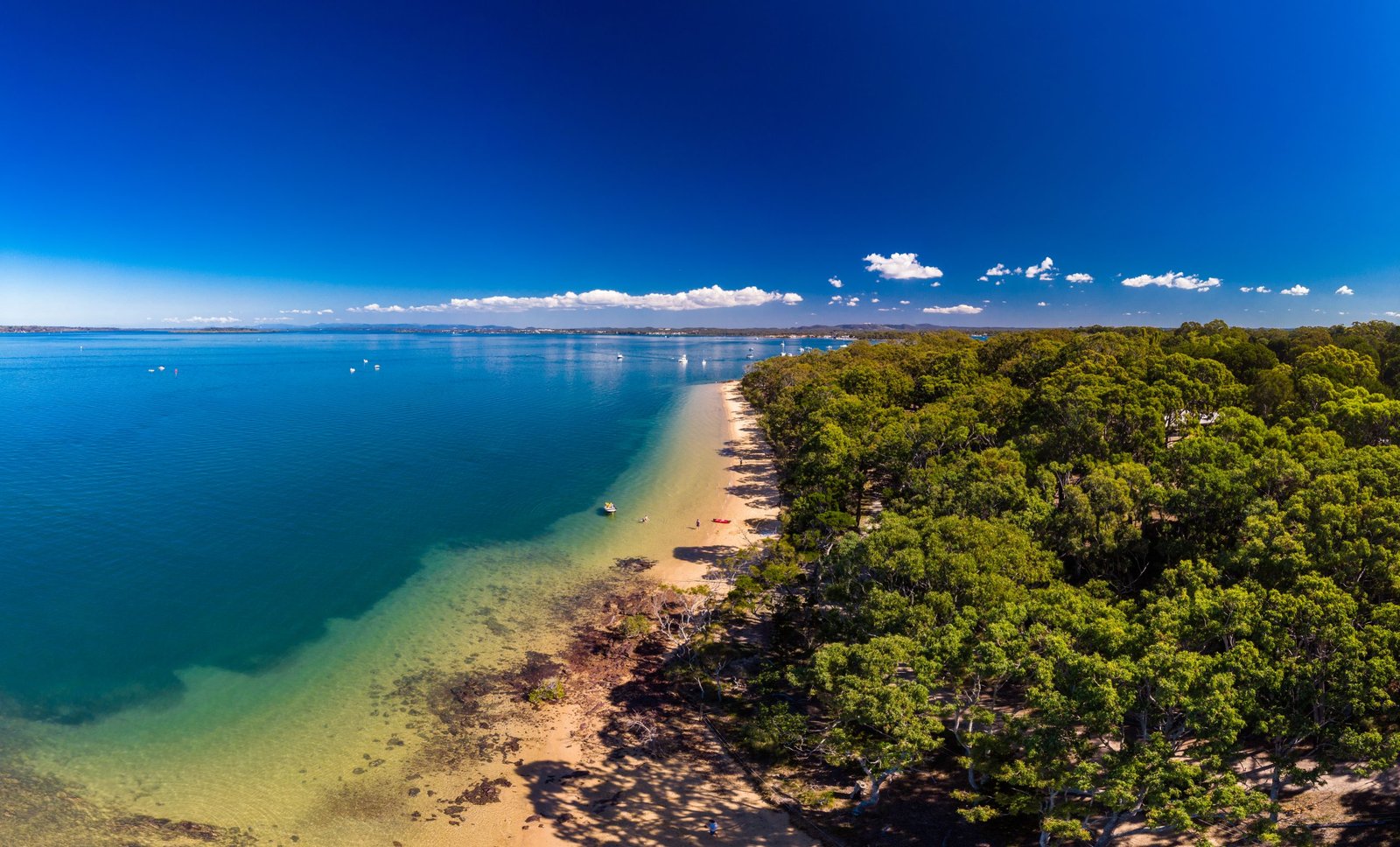
Corals at Your Doorstep (Moreton Bay, QLD)
The lessons and resources of this 'Corals at Your Doorstep' booklet are developed for high schools in the Moreton Bay area and is part of the CoralWatch 'Moreton Bay Education Package'. The lessons and activities in the booklet are aimed at year 7 Science.
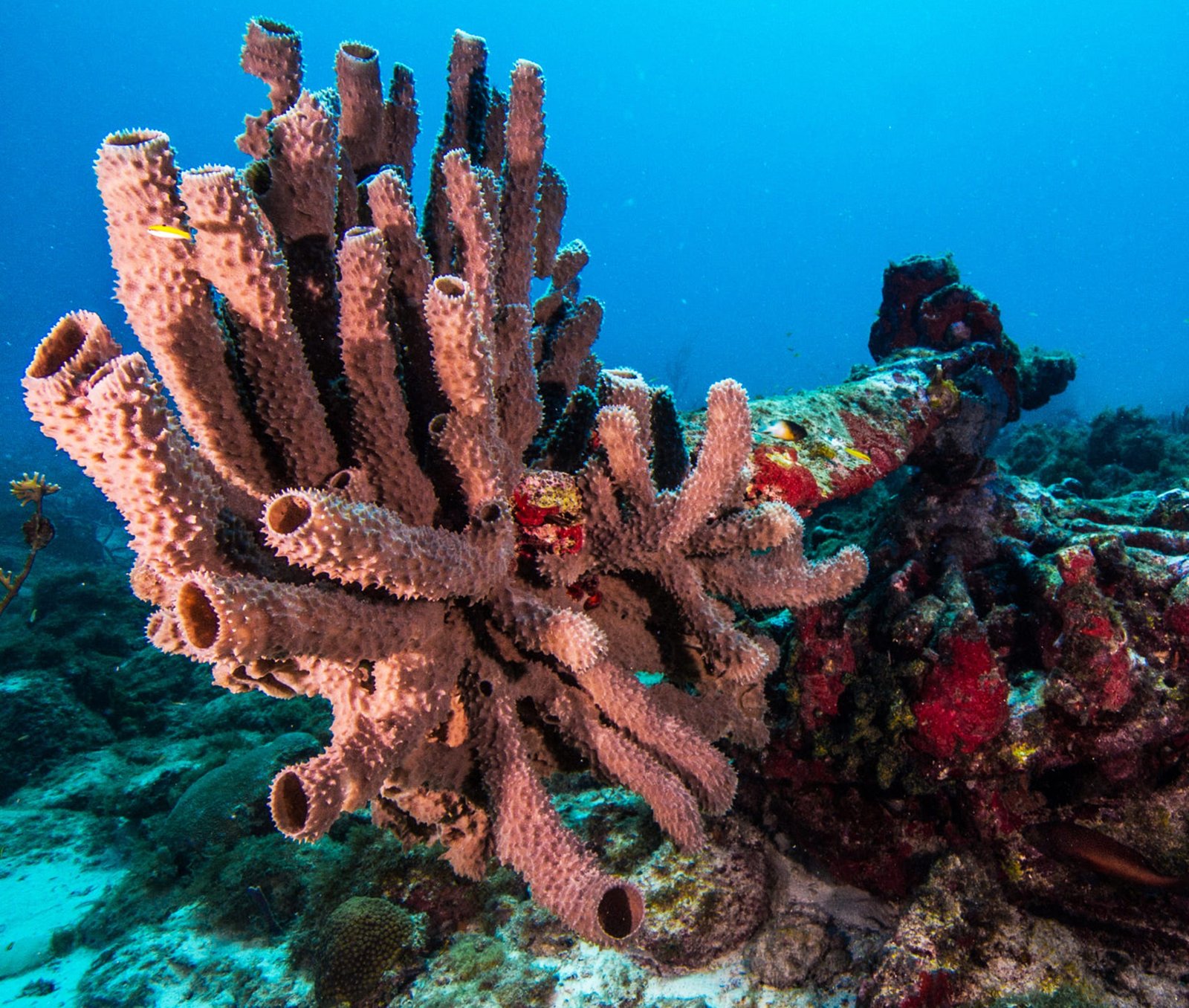
Marine Ecosystems
This resource is a curriculum-linked guide for Year 7 Science students that provides lessons, activities and virtual tools to help learners understand coral biology, reef health, threats like bleaching, and how to monitor coral using the Coral Health Chart. It also includes worksheets and field-oriented tasks that allow students to collect, interpret and analyse real or virtual data about reefs. Finally, it emphasises sustainable practices and community involvement, offering students ways to take action locally to protect reef ecosystems.