
Marine Food Webs
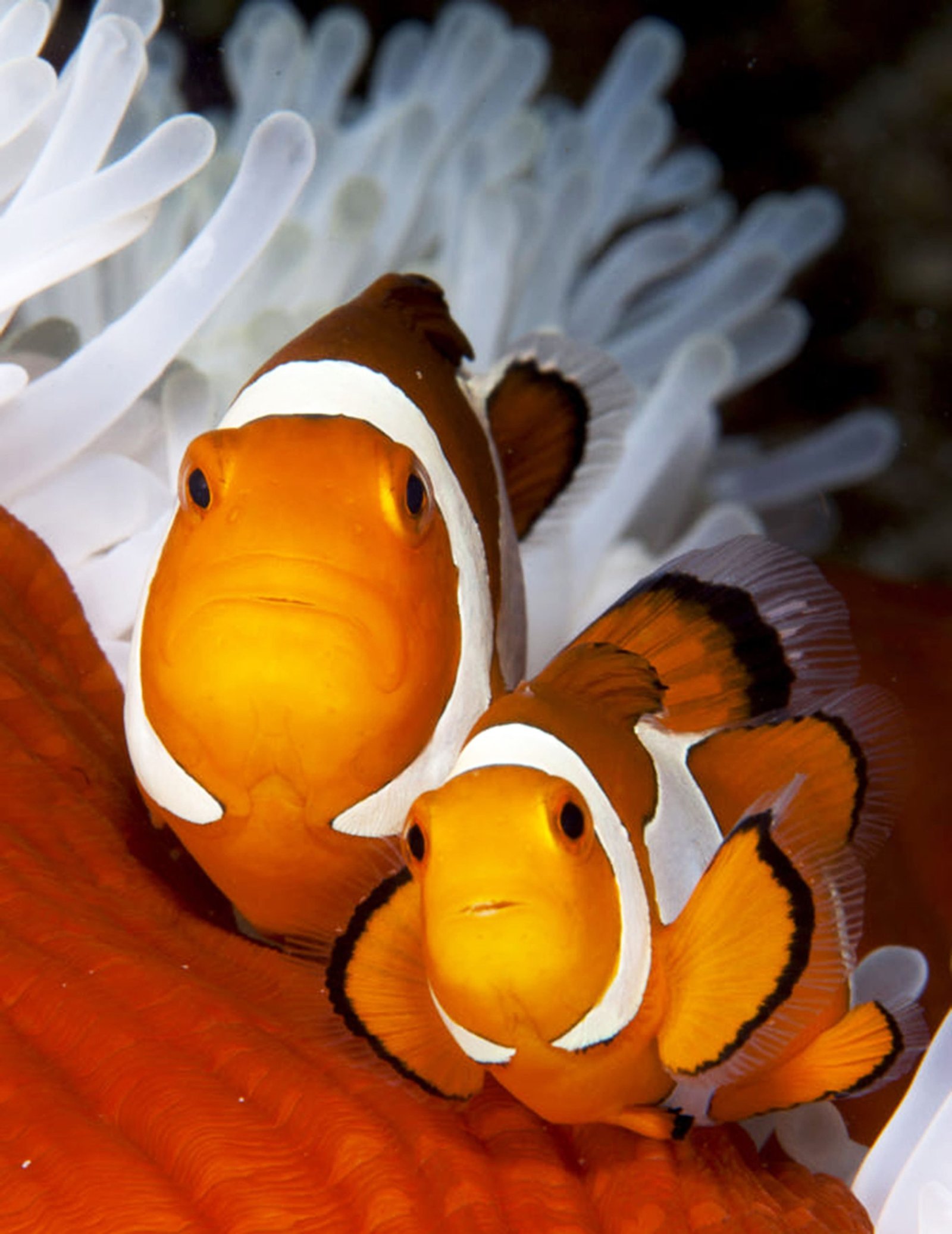
This program introduces students to marine food webs and the interconnected relationships between ocean species. Students explore energy flow, predator-prey relationships and the importance of healthy marine ecosystems.
Ocean Food Chains and Pollution Solutions excursion
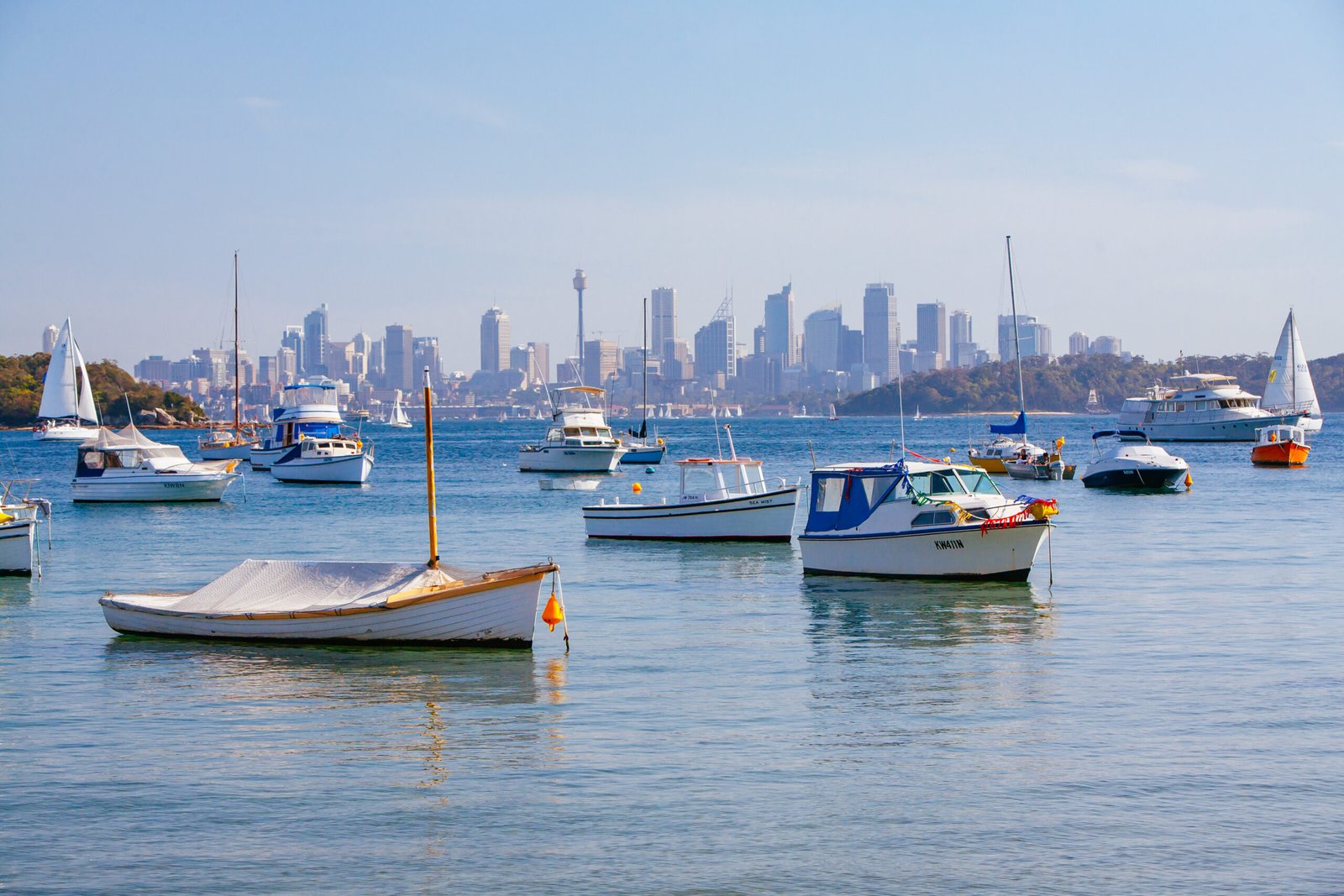
This Sydney-based excursion enables students to investigate ocean food chains and the impacts of pollution, while exploring practical solutions for protecting marine ecosystems through interactive, curriculum-linked activities.
Explore the Ecosystem: Seahorses
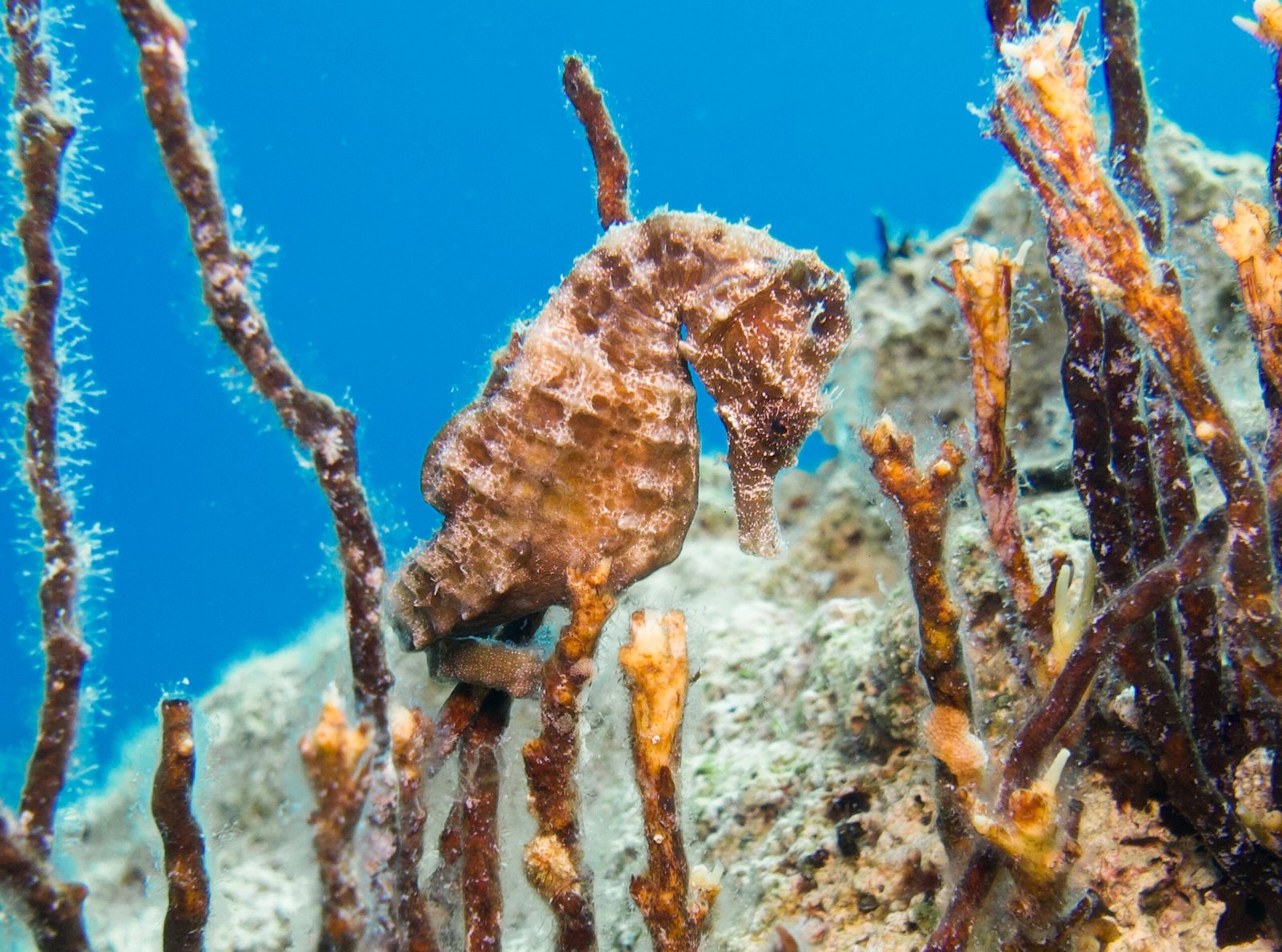
Analyse a seahorse food web, exploring predator-prey relationships and human impacts to explain ecosystem balance and environmental change.
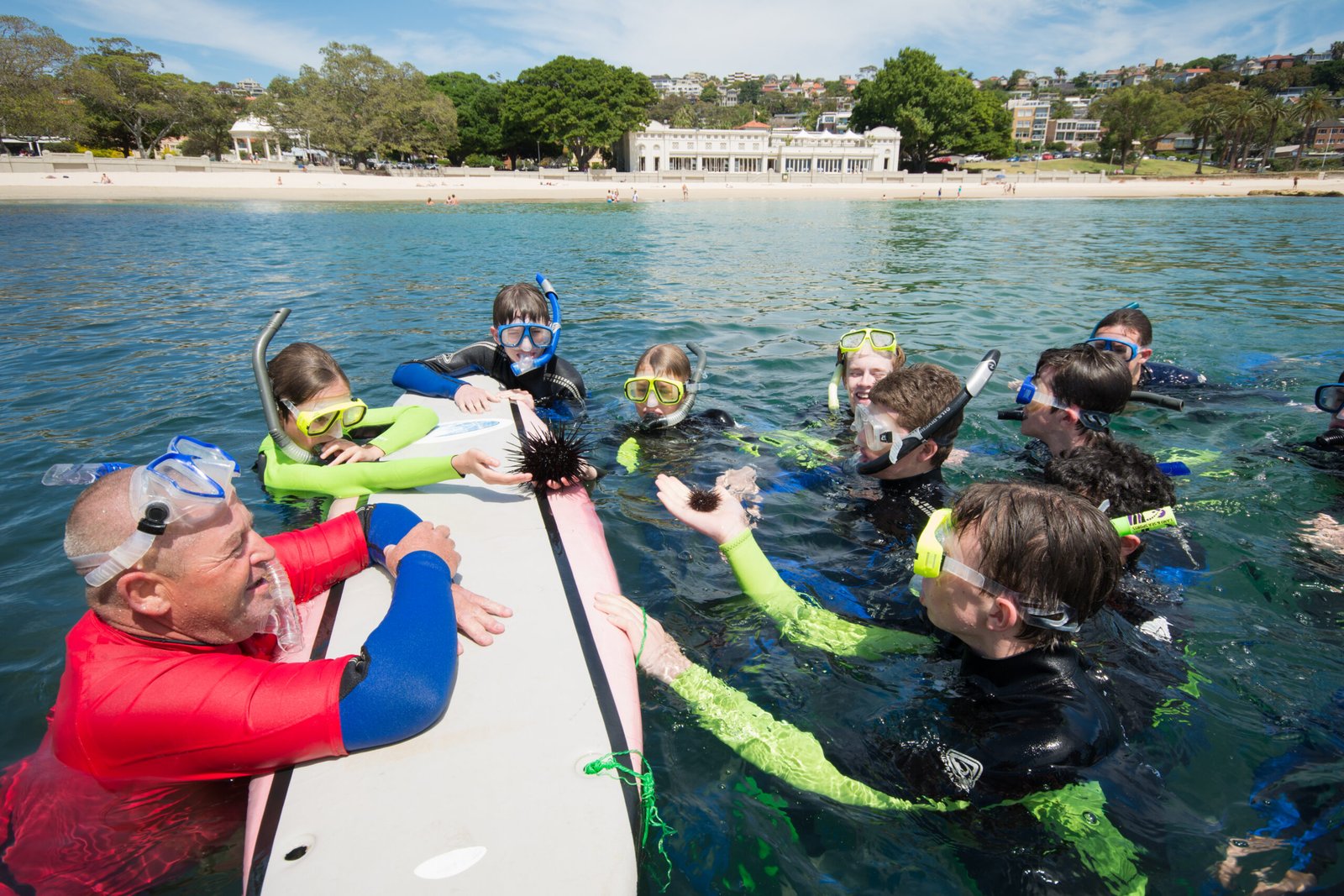
Land’s Edge Saltwater School
Land’s Edge Saltwater School offers experiential, curriculum-aligned field studies in Chowder Bay, Mosman, where students explore marine environments through direct observation, scientific investigation, and outdoor learning. Support your teaching with authentic ocean literacy experiences.
Southern Cross University SEA Program
Using a state-of-the-art marine research facility and the ecologically unique Solitary Islands as a backdrop, the National Marine Science Centre offers innovative field- and laboratory-based science activities for Primary and Secondary students. Working alongside enthusiastic scientists, students develop their scientific skills through hands-on, interactive, curriculum-based STEM activities. The SEA program is developed by our education staff to assist teachers in meeting the New South Wales Board of Studies/National Curriculum Key Learning Area outcomes.
The Harbour School Sydney
The Harbour School Sydney provides a range of quality, curriculum-linked educational experiences and resources based on themes of marine, coastal and estuarine environments, climate change and urban harbours. We deliver a range of excursions and incursions, facilitate environmental projects including experiences for Living Seawalls, and deliver professional learning for teachers and pre-service teachers.
Bloom or Doom: Understanding Algal Blooms
Join Porci and Annika in this exciting episode of Porci’s Ocean Patrol as they investigate algal blooms. This resource also features 32 information and inspiration cards that support playful thinking and hands-on learning.
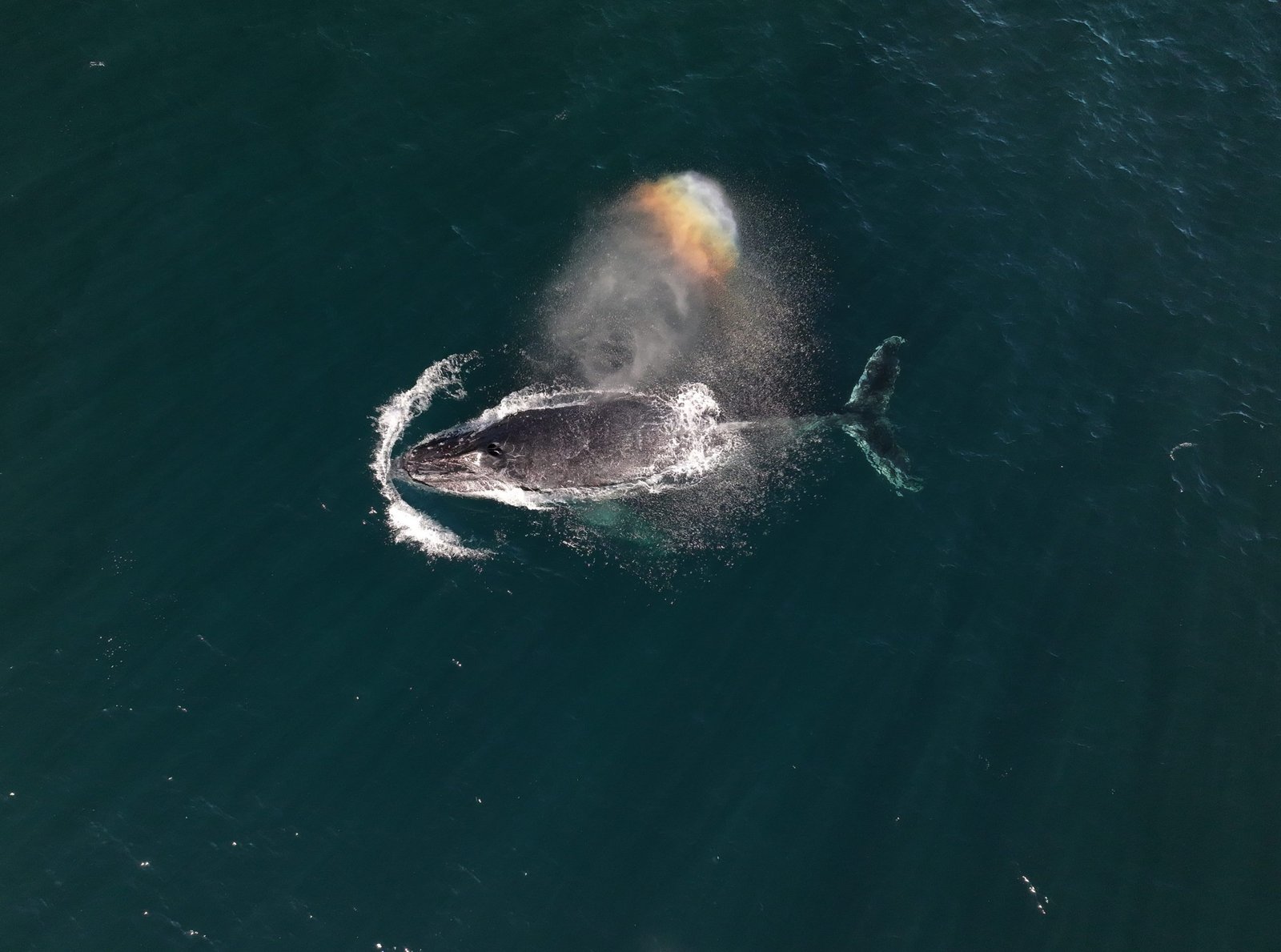
Baleen & Toothed Whales
What is the difference between a baleen whale and a toothed whale? What do they eat? Learn about the classification of whales and food chains in this school activity.
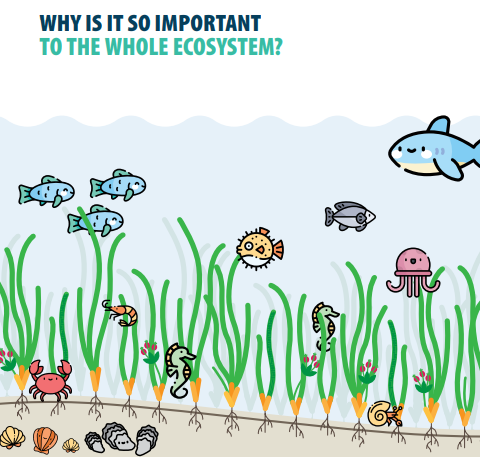
A threatened species of seagrass: Posidonia australis
The booklet considers the ecosystem as a whole to highlight the ways Posidonia australis benefits a range of other plants, animals and the wider environment. It also examines the ways Posidonia australis benefits humans, and what people can do to help protect this species.
NSW Marine Estate
This webpage includes activity books, lesson plans, teacher guides, marine estate fact sheets and information on marine-related career options to support primary school teaching about the NSW marine environment.