
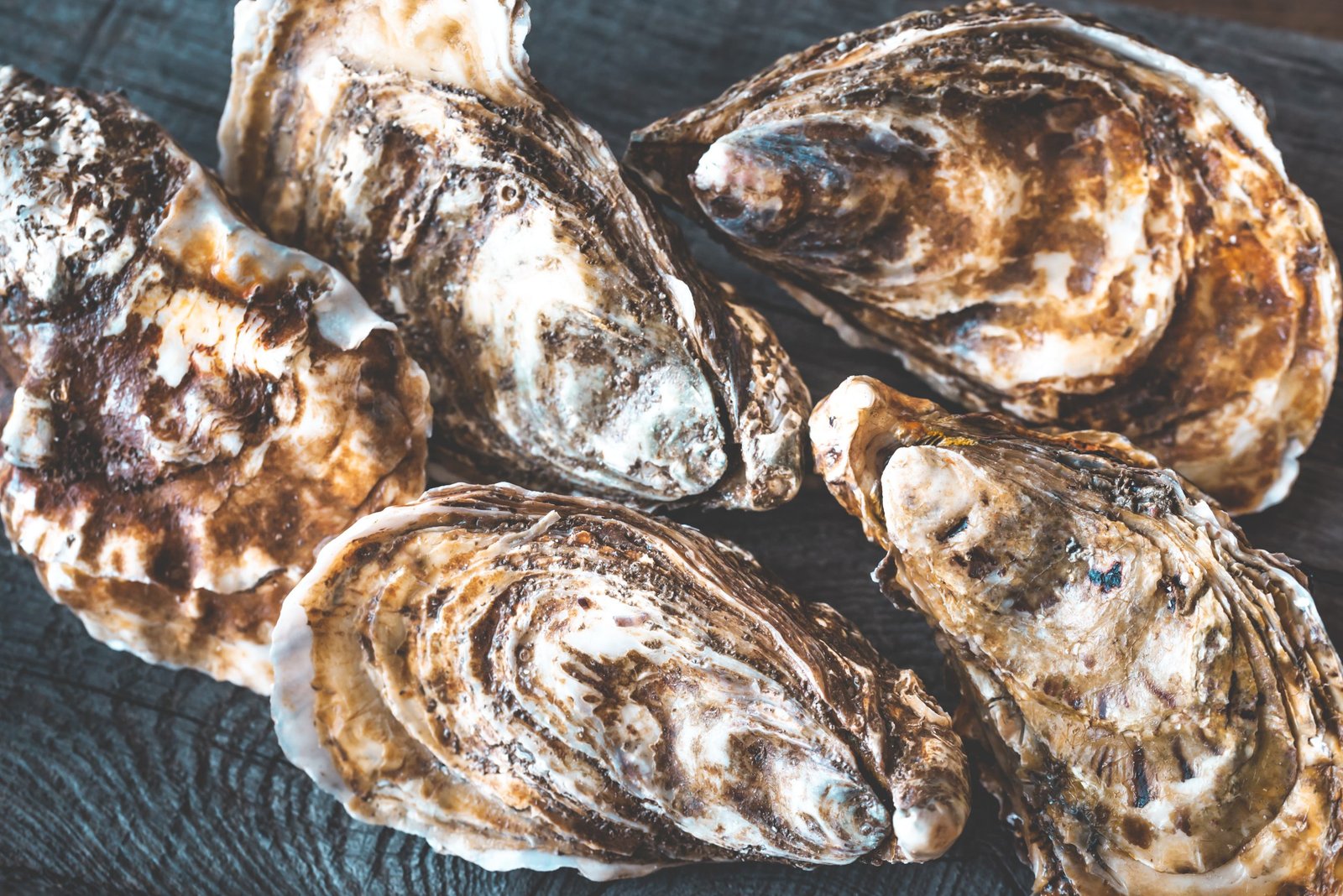
The Forgotten Reefs – Shellfish Reefs in NSW (Year 3-6)
This learning package provides teachers with curriculum‑linked lessons, activities and teaching guides that help upper primary students explore the ecology, importance, threats and restoration of shellfish reefs in New South Wales through hands‑on and inquiry‑based learning.
Marine Estate Agents Activity Book 2
This activity book engages middle primary students with activities about marine estate areas, species, environmental threats, climate change, safety and sustainable actions, helping them become informed young Marine Estate Agents.
Marine Estate Agents Program (Year 3-4)
The Marine Estate Agents Program is an education program for HSIE and Science subjects under the NSW syllabus. Many activities are also aligned with the cross-curriculum priorities of Sustainability and Aboriginal and Torres Strait Islander Cultures and Histories.
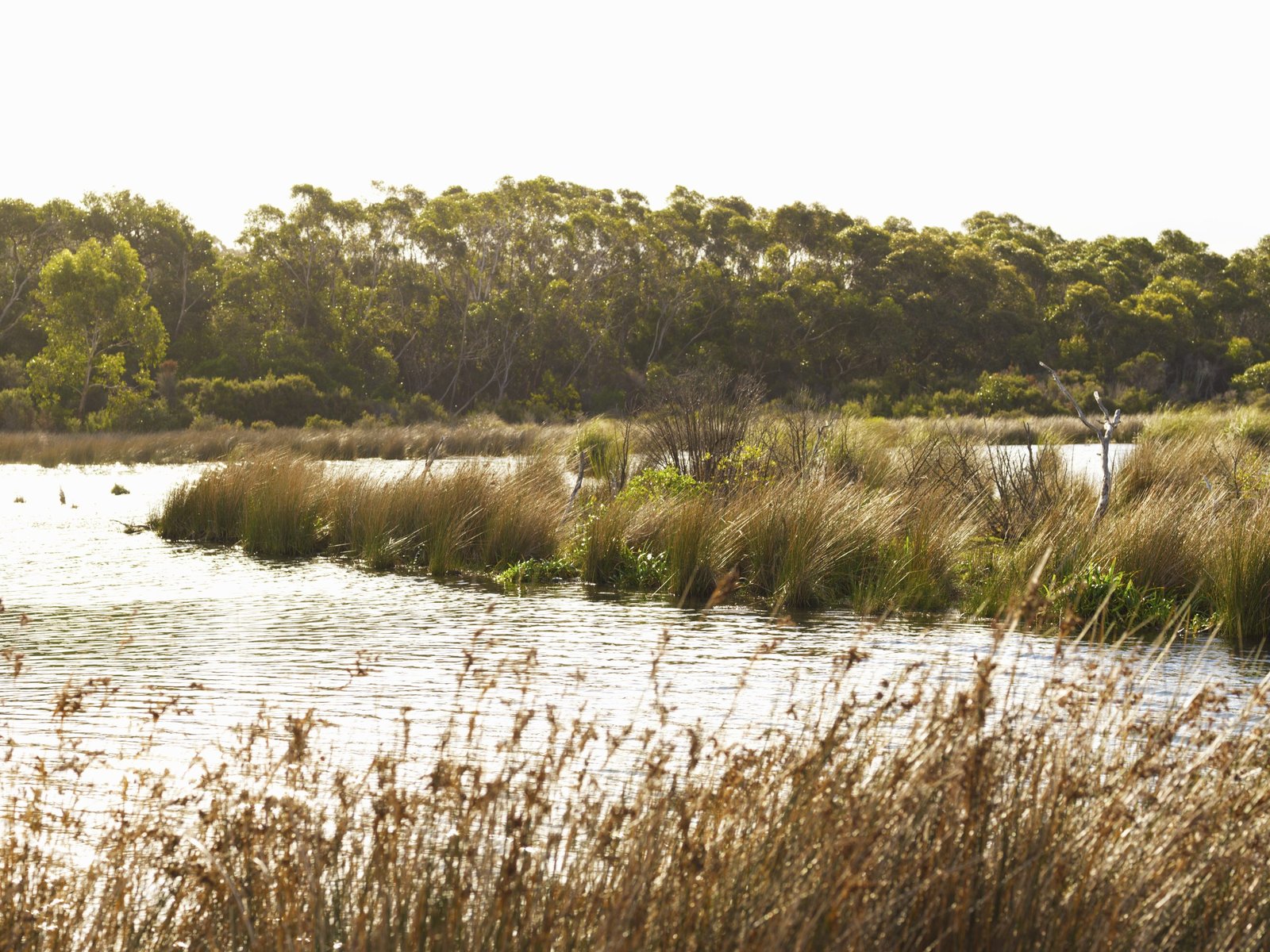
Wetlands and food webs
This resource explores the importance and interconnected environments of wetlands. It covers life-cycles and food webs, and introduces the importance of macroinvertebrates in wetland food webs.
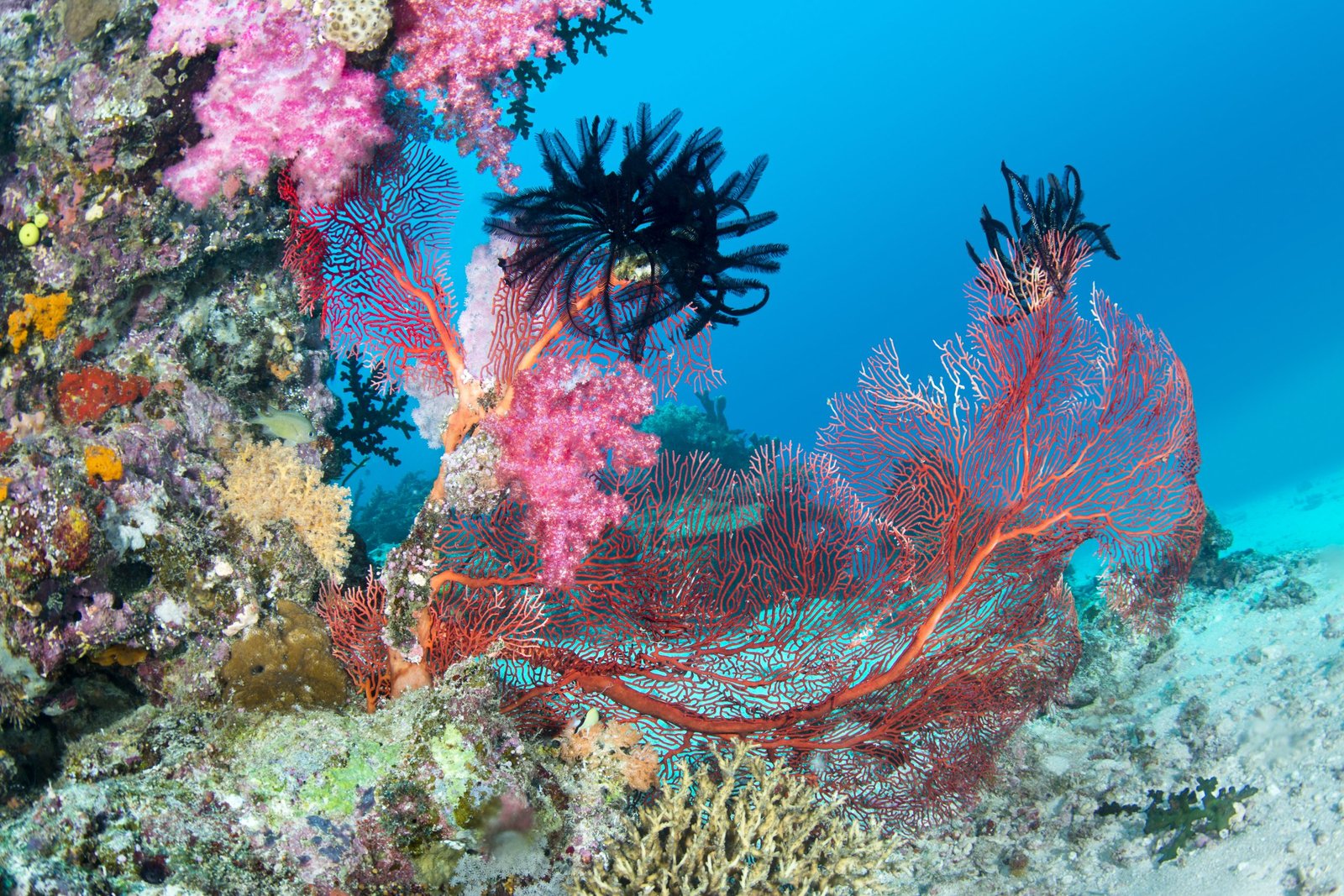
Corals are Cool and Crucial
Students will explore the importance of the Great Barrier Reef and local reefs, investigating the coral lifecycle and the ways ocean life depends on interconnected relationships for survival. They will examine the threats posed by climate change and other human impacts, and discover how citizen scientists contribute valuable data on coral health. Through hands-on practice with virtual tools, students will monitor, collect, and analyse coral data. Finally, they will identify sustainable actions they can take in their daily lives and
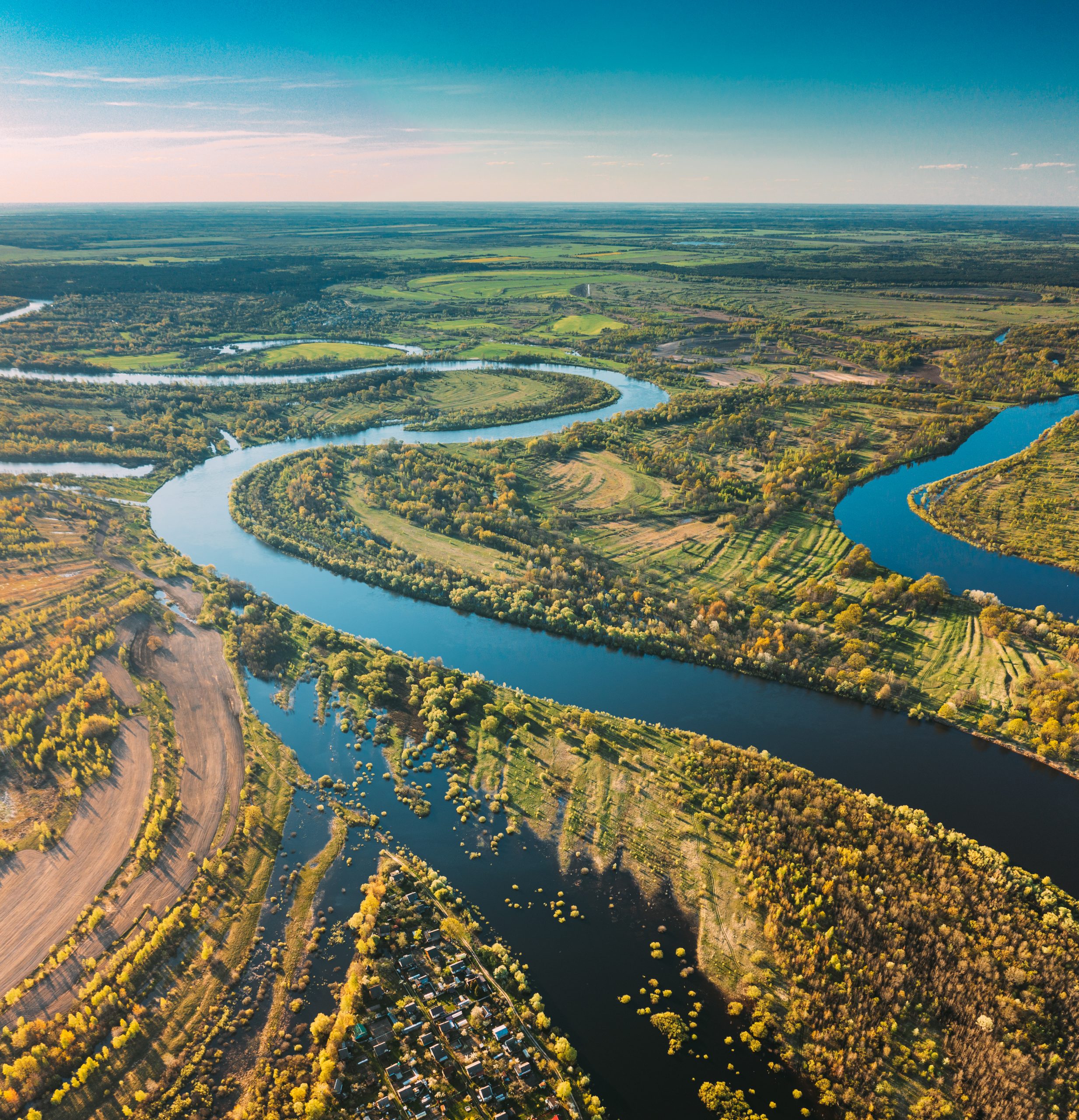
How my water travels
This lesson plan teaches students about the journey of water, exploring how it moves through the landscape as groundwater and surface water, and follows its path from catchment areas to the tap, using hands-on models and activities to understand these processes.
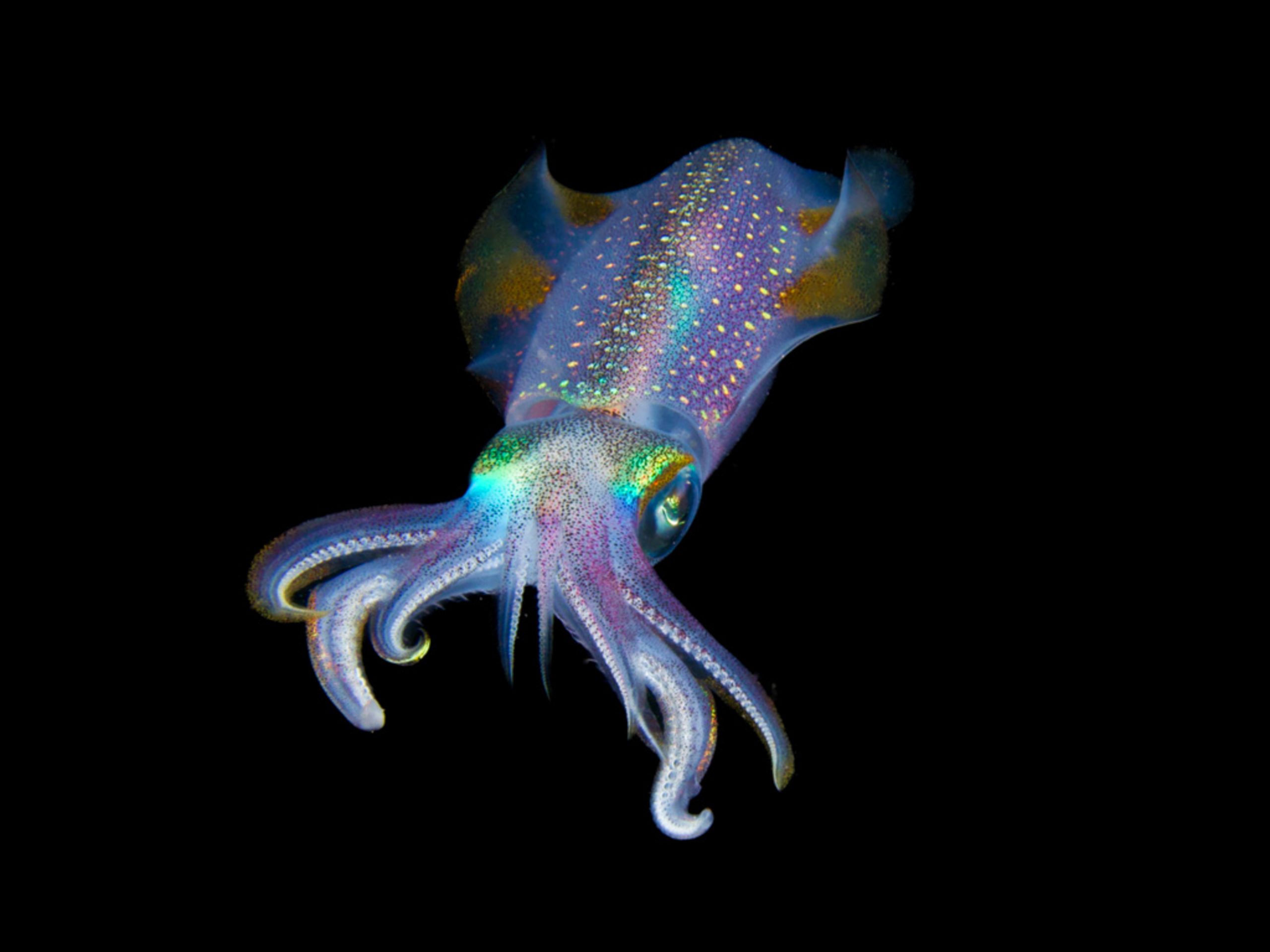
For the Juniors: Exploring under the sea
This video takes you on an underwater journey to discover some of the ocean’s strangest and most fascinating creatures. Learn the incredible way starfish eat and explore the mysterious depths of the ocean, where extreme water pressure makes survival impossible for humans. Witness the extraordinary life that thrives in the darkest, deepest parts of the sea.
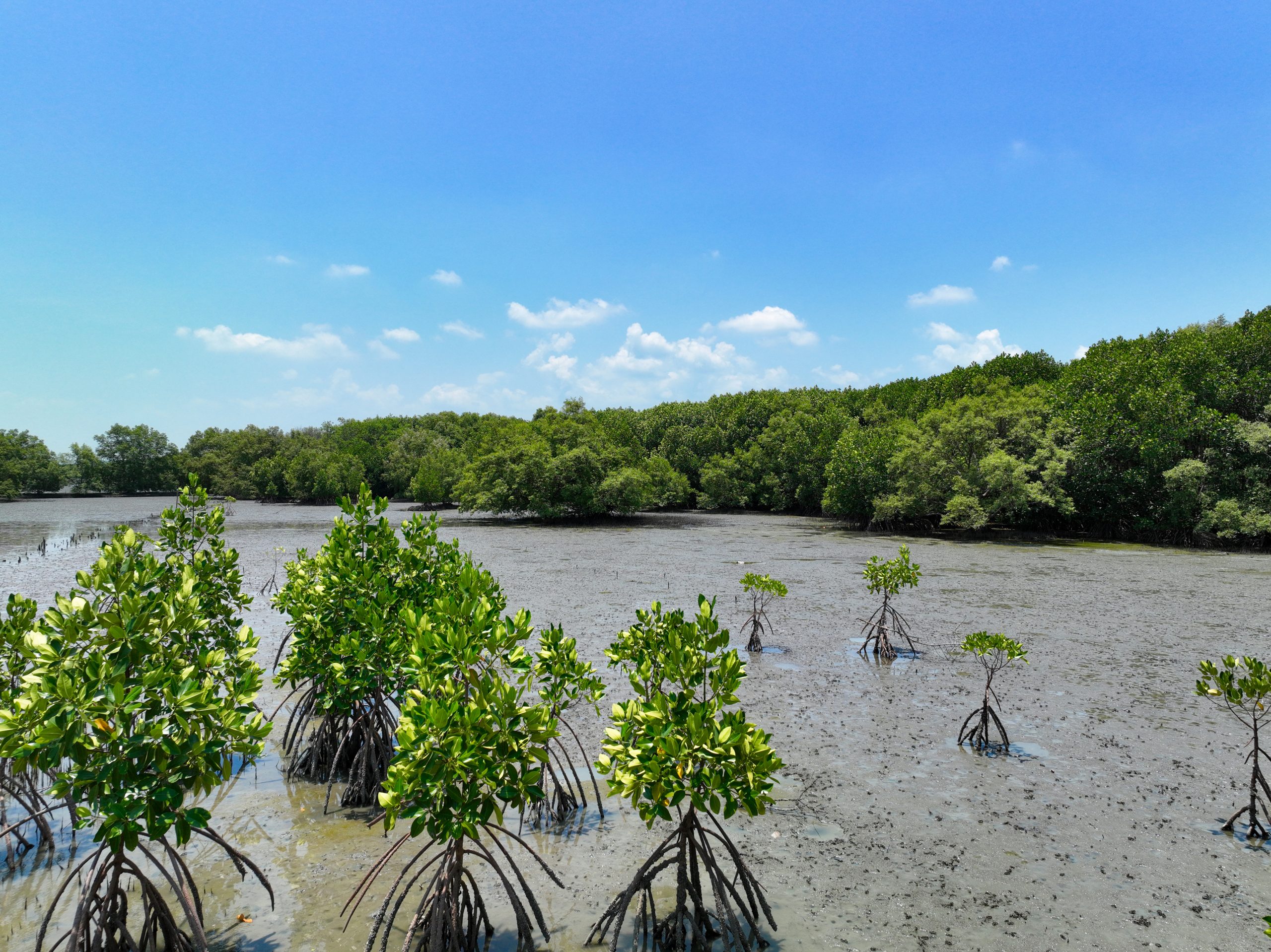
For the Juniors: How do mangrove trees survive?
A video that takes students on a journey to discover how mangroves thrive in extreme conditions where most plants cannot survive. From salt filtration to aerial roots, explore the remarkable adaptations that make mangroves unique and essential to coastal ecosystems.
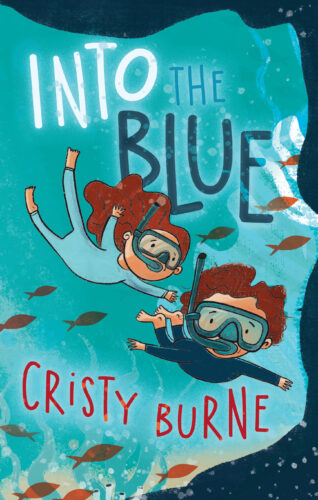
Into the Blue
Teacher resource linked to Into the Blue by Cristy Burne. A fun snorkelling trip turns serious when Blair loses his brother’s camera, facing guilt and fear until heartfelt talks with family help him navigate his mistake, making this story ideal for creative writing, science, art, and humanities discussions.
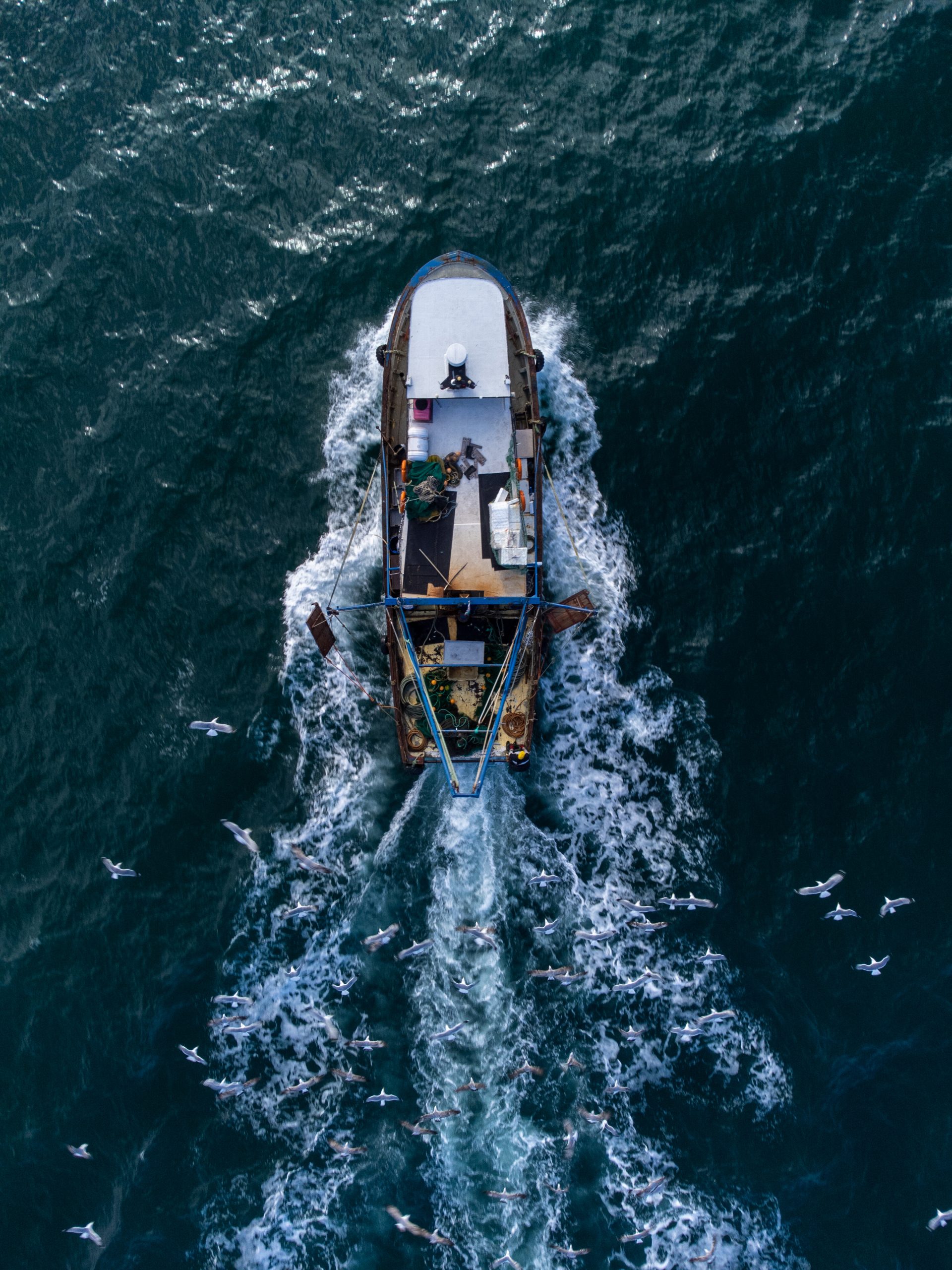
Thank you, Fishers
Learn about fisheries in Australia that are working to safeguard future generations of both people and fish. A set of slides is provided, and an accompanying Kahoot! quiz.