
Marine Discovery Centre Hastings Point
Education programs combine interactive presentations with hands-on field studies in local coastal ecosystems, including rocky shores, mangroves, dunes and wetlands. Programs are tailored from early learning through to senior secondary, inspiring students to develop a deeper understanding of marine environments and ocean conservation.
Port Macquarie Marine Discovery Centre
Students have hands-on opportunities to explore marine ecosystems, biodiversity, aquaculture and coastal conservation through interactive activities and live displays. Programs are available for learners from early childhood through to senior secondary and can be tailored to support a range of science and environmental learning outcomes.
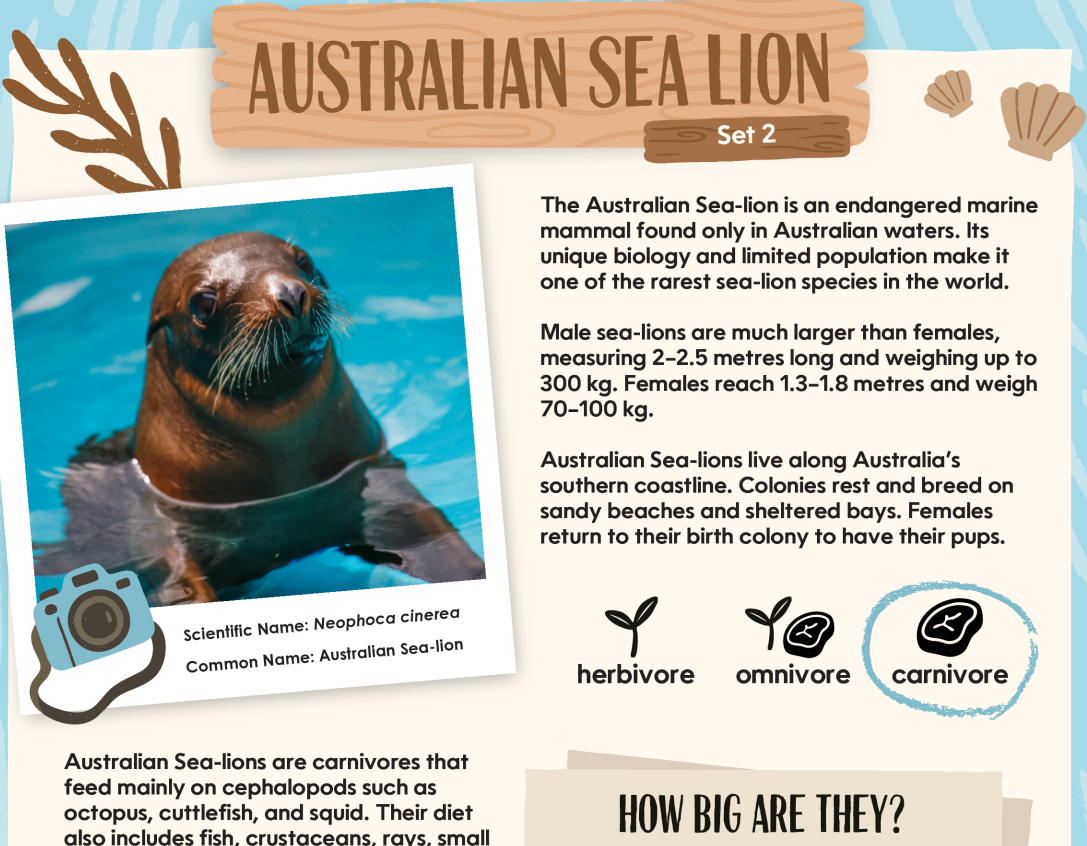
Australian Sea Lion Poster
This printable Australian Sea Lion fact file serves as an informative classroom poster, introducing students to the species' biology, habitat, adaptations and conservation status through engaging facts and photographs. An excellent visual learning resource or used to support lessons on marine ecosystems, species adaptations and wildlife conservation.
Learning about the Water Industry in NSW
This website provides a range of curriculum-linked resources, activities, virtual learning experiences, and excursion opportunities that help students learn about water cycles, catchments, dams, waterways, and sustainable water management in Australia.
Seagrass Educators Handbook
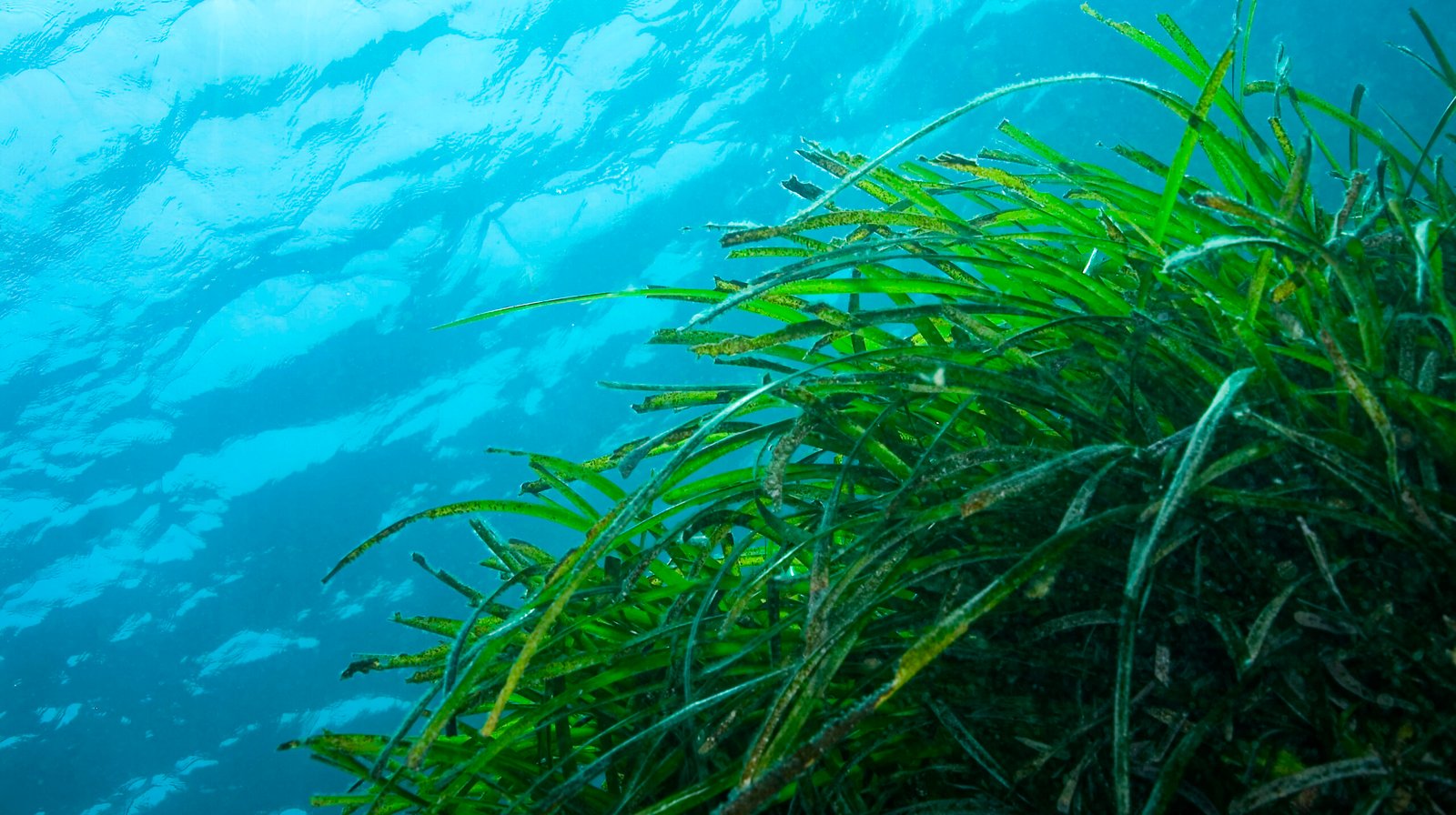
The teaching guide provides educators with background information, lesson ideas, and practical activities to help students learn about seagrass ecosystems, their ecological importance, and the methods used to monitor and protect them through citizen science.
Seagrass-Watch Junior Activity Book
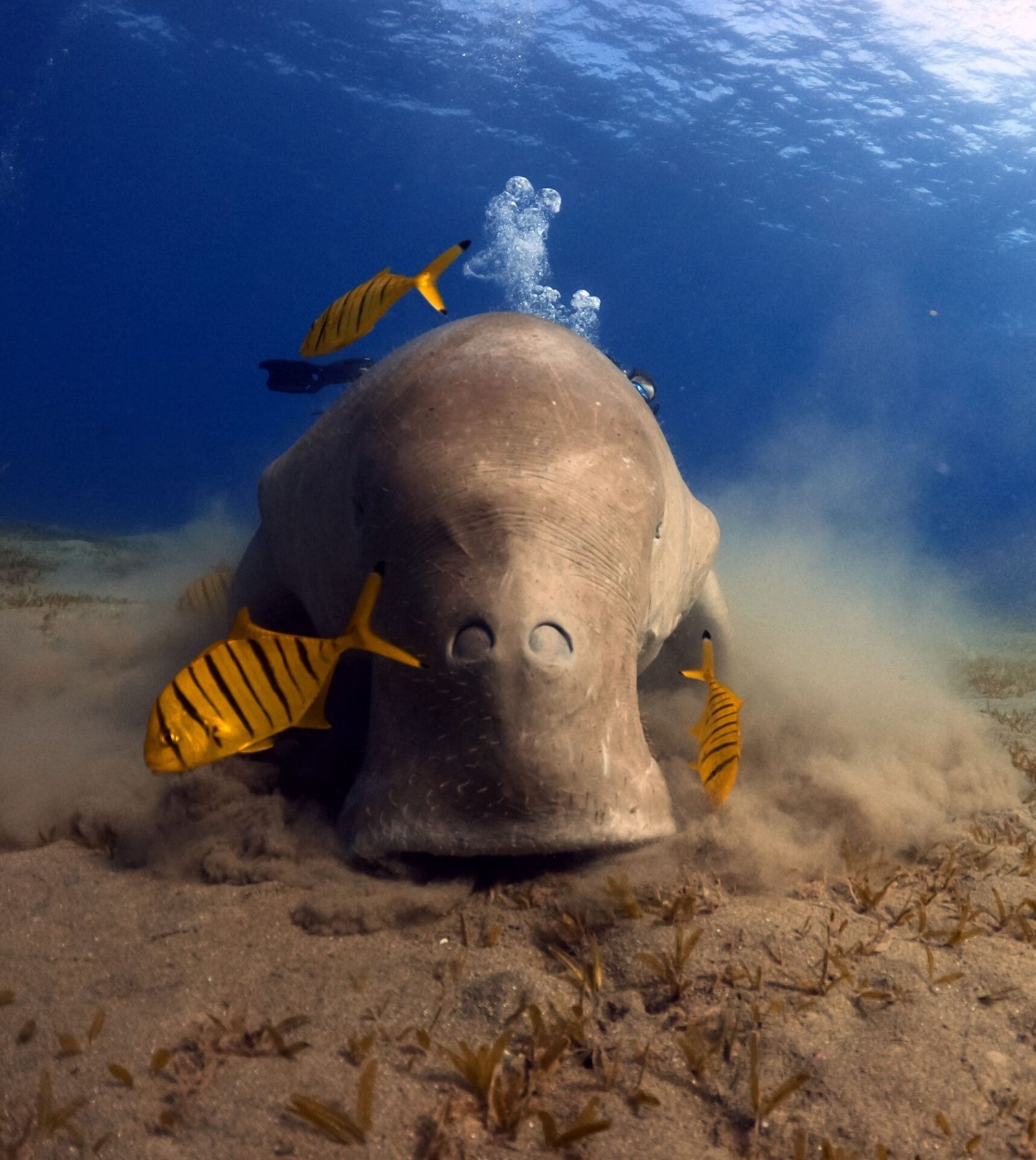
This activity book is a student-friendly resource that uses simple activities and games to teach younger learners about seagrass ecosystems, the animals that live in them, and why these habitats need to be protected.
Seagrass-Watch
This website is a teaching and learning resource that helps students and teachers understand seagrass ecosystems and why they are important. It provides educational materials such as videos, activity books, posters, and teacher guides that explain seagrass biology, its role in supporting marine life, and the threats it faces from human impacts and climate change.
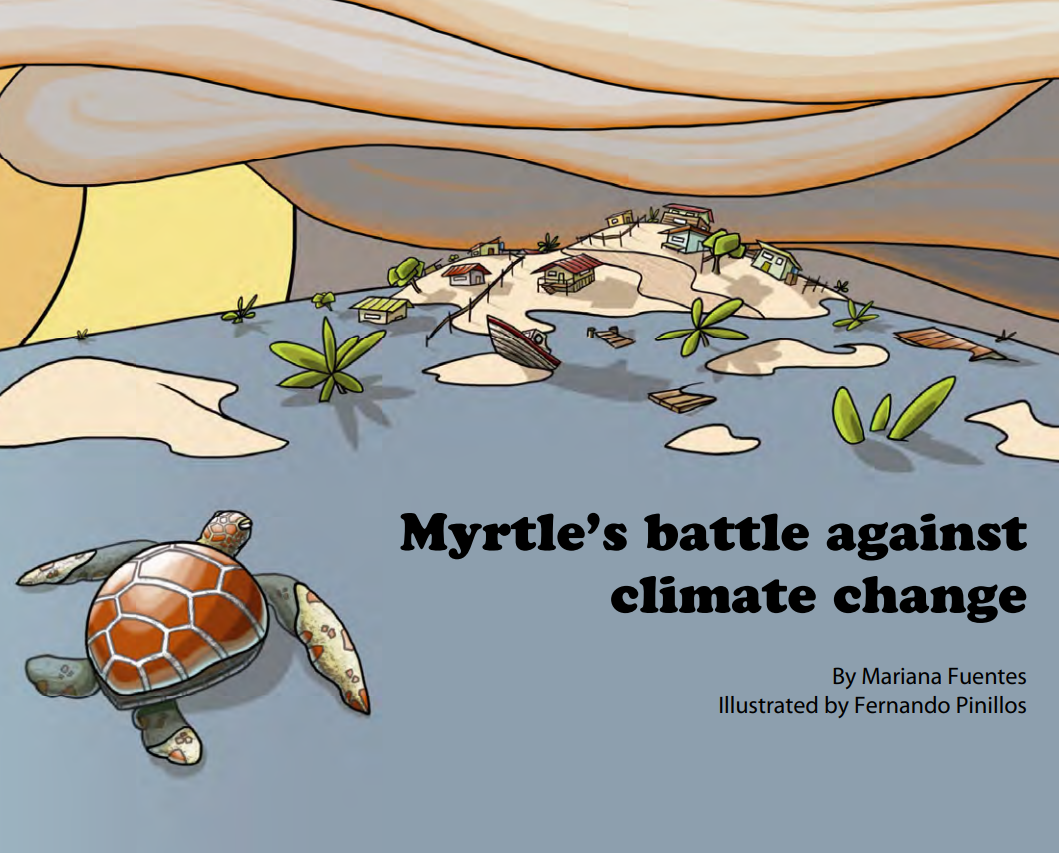
Myrtle’s battle against climate change
This educational story based on real research about sea turtles and the impacts of climate change in the northern Great Barrier Reef. It follows a satellite-tagged turtle named Myrtle to show how changing ocean conditions, especially warming seas and habitat loss, affect turtle survival and highlight the importance of protecting marine ecosystems.
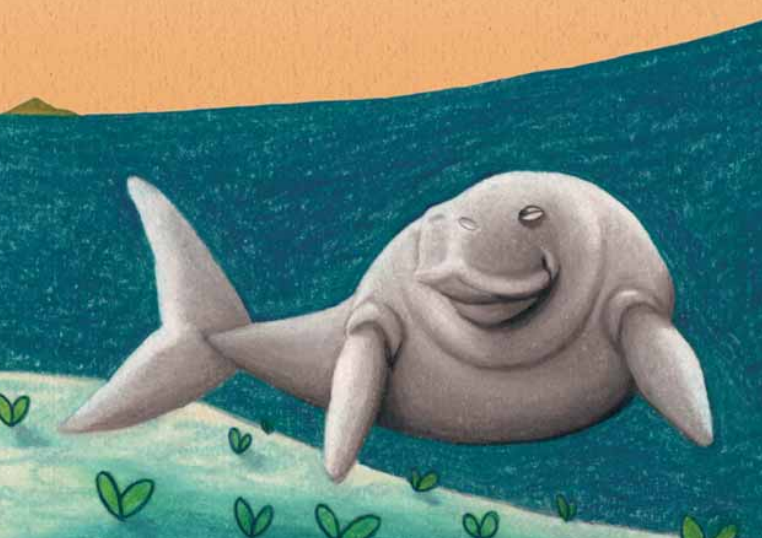
Dhyum the Dugong
This educational story about a real dugong named Dhyum that was satellite-tagged in the Torres Strait. It follows Dhyum’s journey to teach readers about dugongs, their dependence on seagrass habitats, and the importance of protecting marine environments.
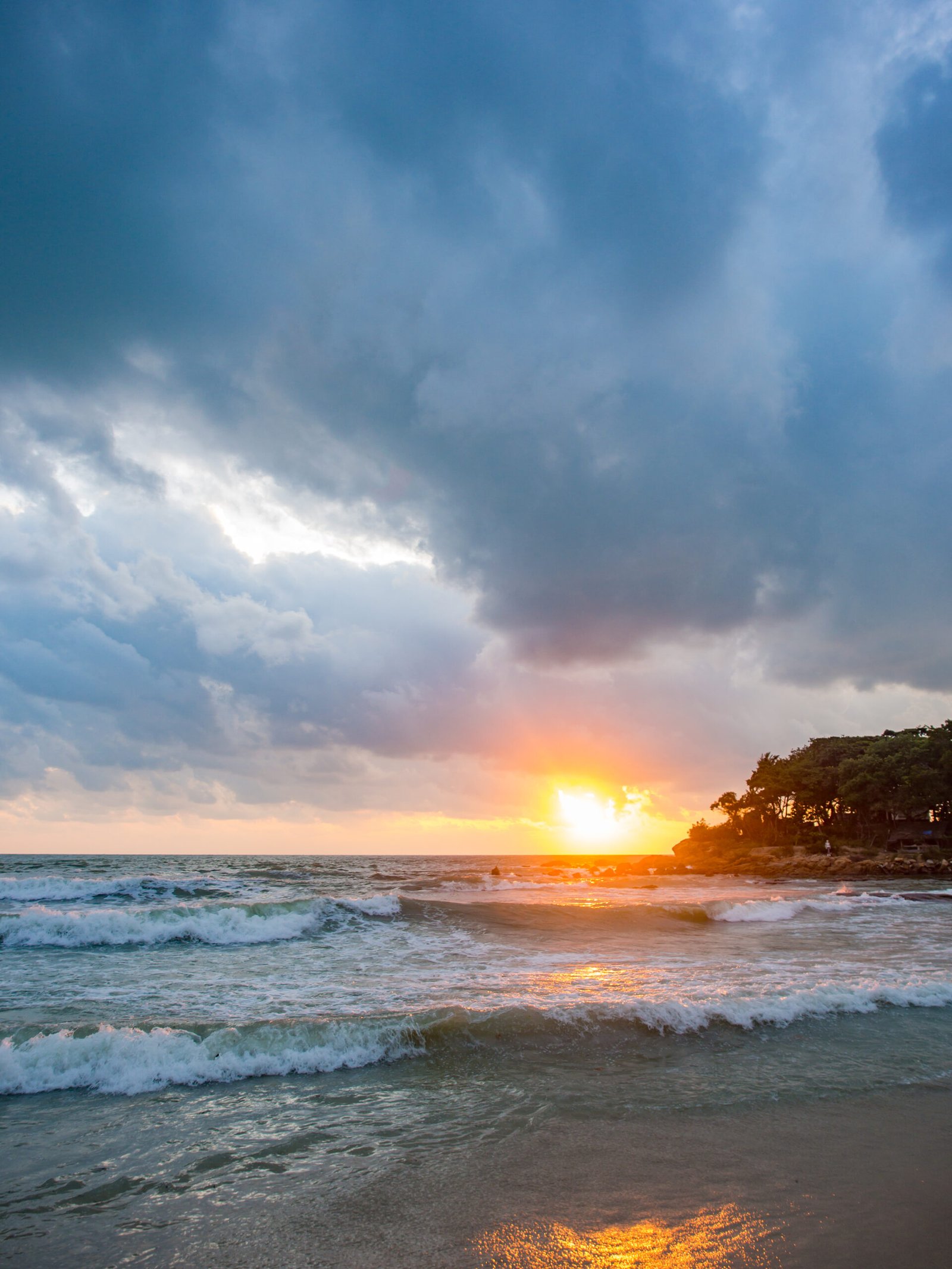
Indigenous weather knowledge
This resource explains how Aboriginal and Torres Strait Islander peoples use Indigenous seasonal calendars and environmental knowledge based on long term observation of plants, animals, and weather patterns to understand and interpret Australia’s climate and seasonal change.