
Fish – aquaculture
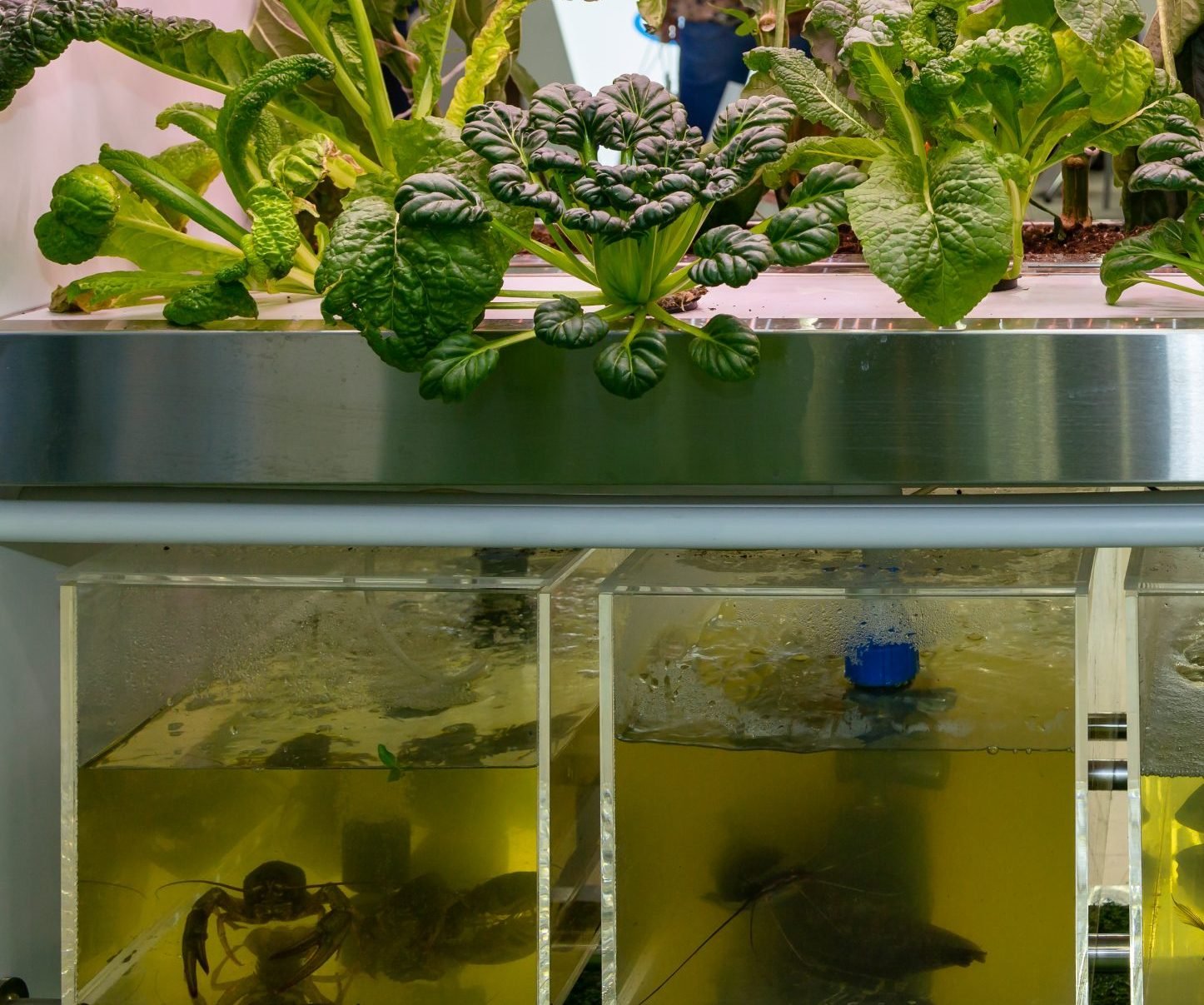
This page provides guidance for NSW schools on the management, care and welfare of aquaculture fish, including animal welfare standards, required approvals and practical considerations for keeping and using fish for teaching.
Primary and Secondary School Resources Audit
This resources covers a range of topics including, marine and freshwater habitats and environments, recreational fishing indigenous fishing, aquaculture, fisheries management and sustainability, general fish and seafood species, seafood handling, filleting and processing, industry careers and business, health, nutrition and cooking.
NSW Fisheries Kit
In this unit, students investigate the history and future of New South Wales’ fishing industry, explore human connections to the marine environment, learn about commonly caught species and the ocean-to-plate process, and examine the importance of sustainable fishing and Australia’s leadership in fisheries management.
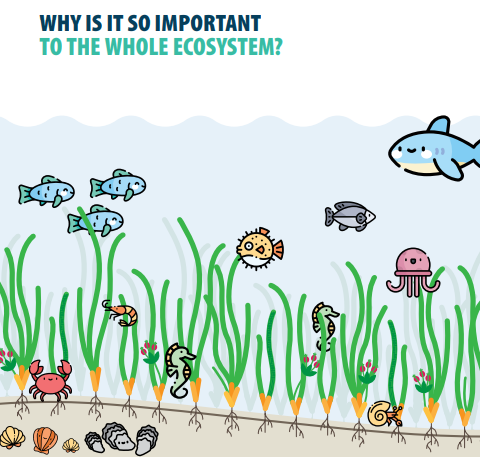
A threatened species of seagrass: Posidonia australis
The booklet considers the ecosystem as a whole to highlight the ways Posidonia australis benefits a range of other plants, animals and the wider environment. It also examines the ways Posidonia australis benefits humans, and what people can do to help protect this species.
Batemans Marine Park Education Kit
The Batemans Marine Park Education Kit covers the topics: marine parks and conservation; rocky shores; estuaries; and cultural heritage. These comprehensive modules are designed to fit the NSW Department of Education and Communities primary school curriculum, and with its fact sheets, identification guides, risk assessments and activity plans, the kit can be used to complement teaching programs.
Get Hooked… It’s Fun to Fish
Teaching resource where students learn practical fishing skills, water safety and sustainable practices through six curriculum-aligned modules, teacher resource kits, staff and Fishcare support, optional incursions, and opportunities to participate in online competitions.
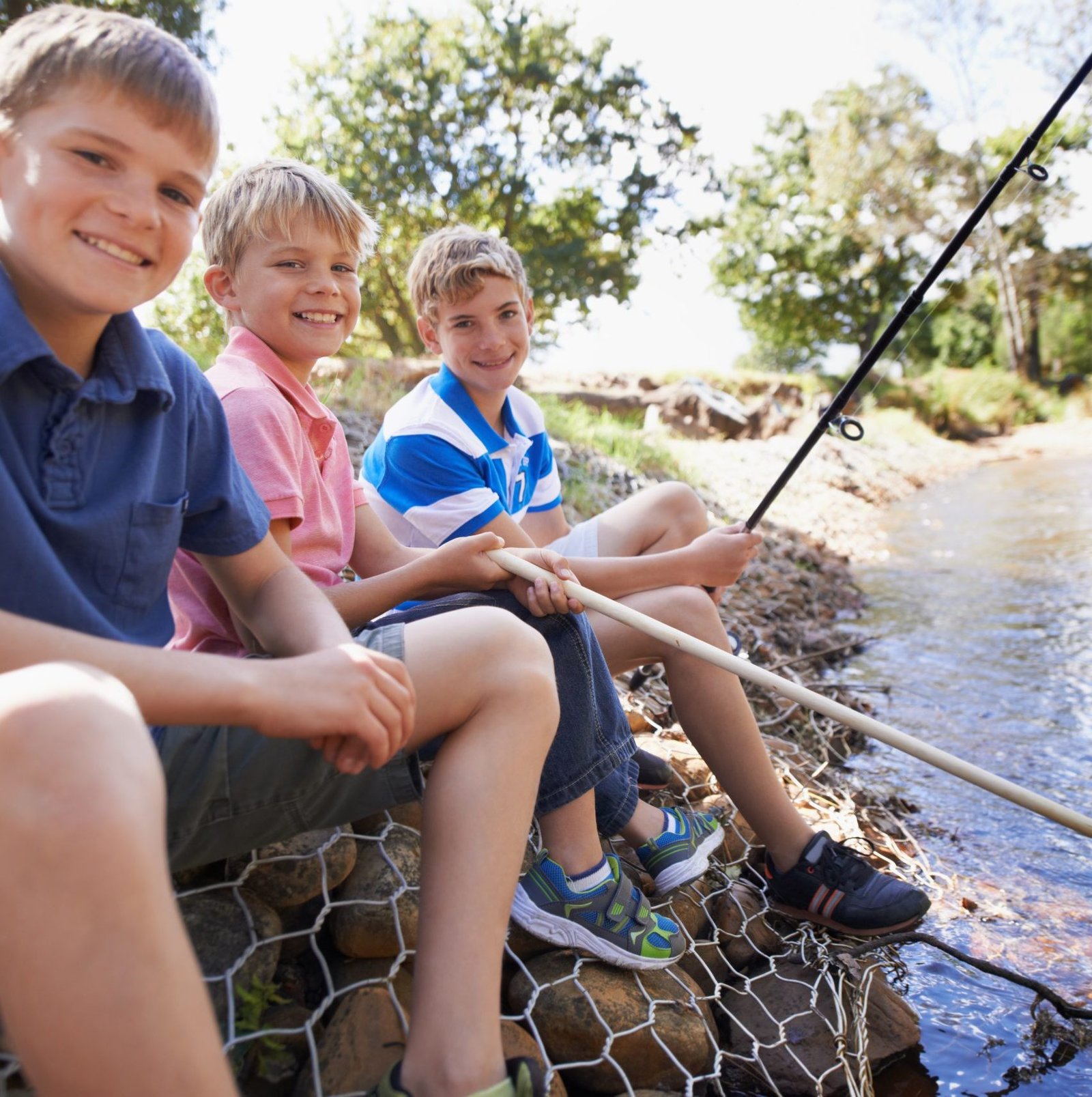
High Schools – Get Hooked
Get Hooked… Fish for Life, a versatile teaching resource designed for high schools across New South Wales. This program supports interdisciplinary learning in Geography, Science, and Marine and Aquaculture Technology. Teachers can choose from a range of topics across four dedicated units, allowing for tailored lessons that cater to diverse classroom needs and interests.
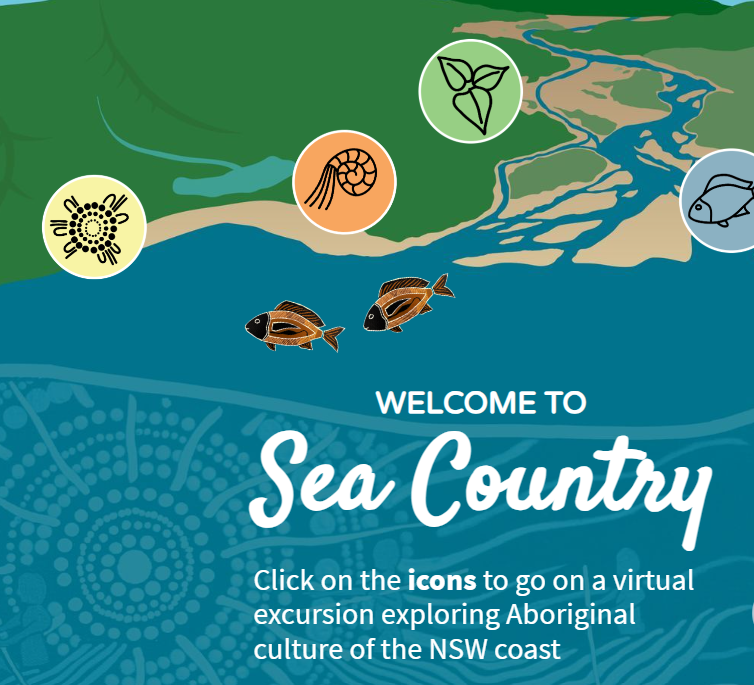
South Coast Sea Country in NSW
The “South Coast Sea Country Excursions” resource from NSW Department of Primary Industries is an educational guide for upper primary students that teaches about the cultural and environmental values of Sea Country around Batemans Bay and Jervis Bay, including Aboriginal connections, marine parks and suggested excursion activities linked to the curriculum
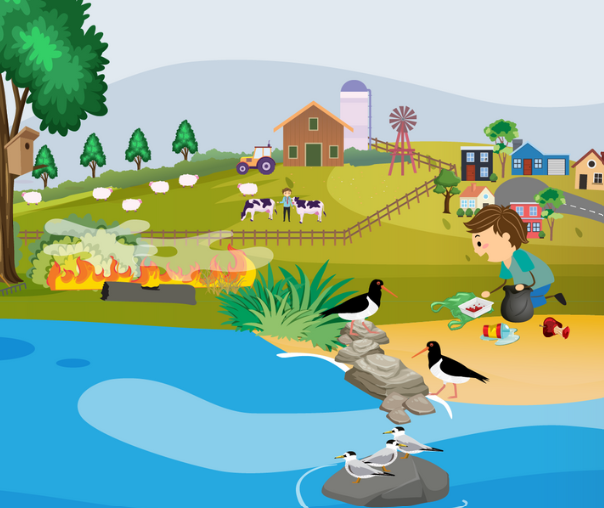
Catchment Crusader Game
The Catchment Crusader game on that page is an interactive educational activity where you explore different regions of the Hunter River catchment, learn about looking after the environment, answer questions and complete tasks to collect codes and earn a certificate as a “Catchment Crusader.”
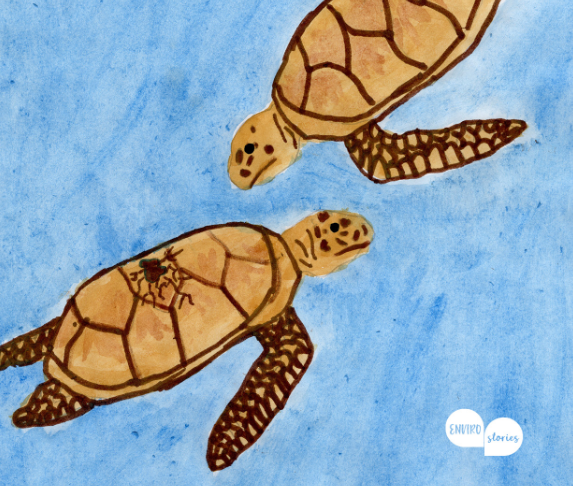
EcoGroms Rescue Timmy Turtle
EcoGroms kids find Timmy Turtle washed up on the beach and call Dolphin Marine Rescue. Learn about the rehabilitation and release of Timmy Turtle.