
Food: Different by Design
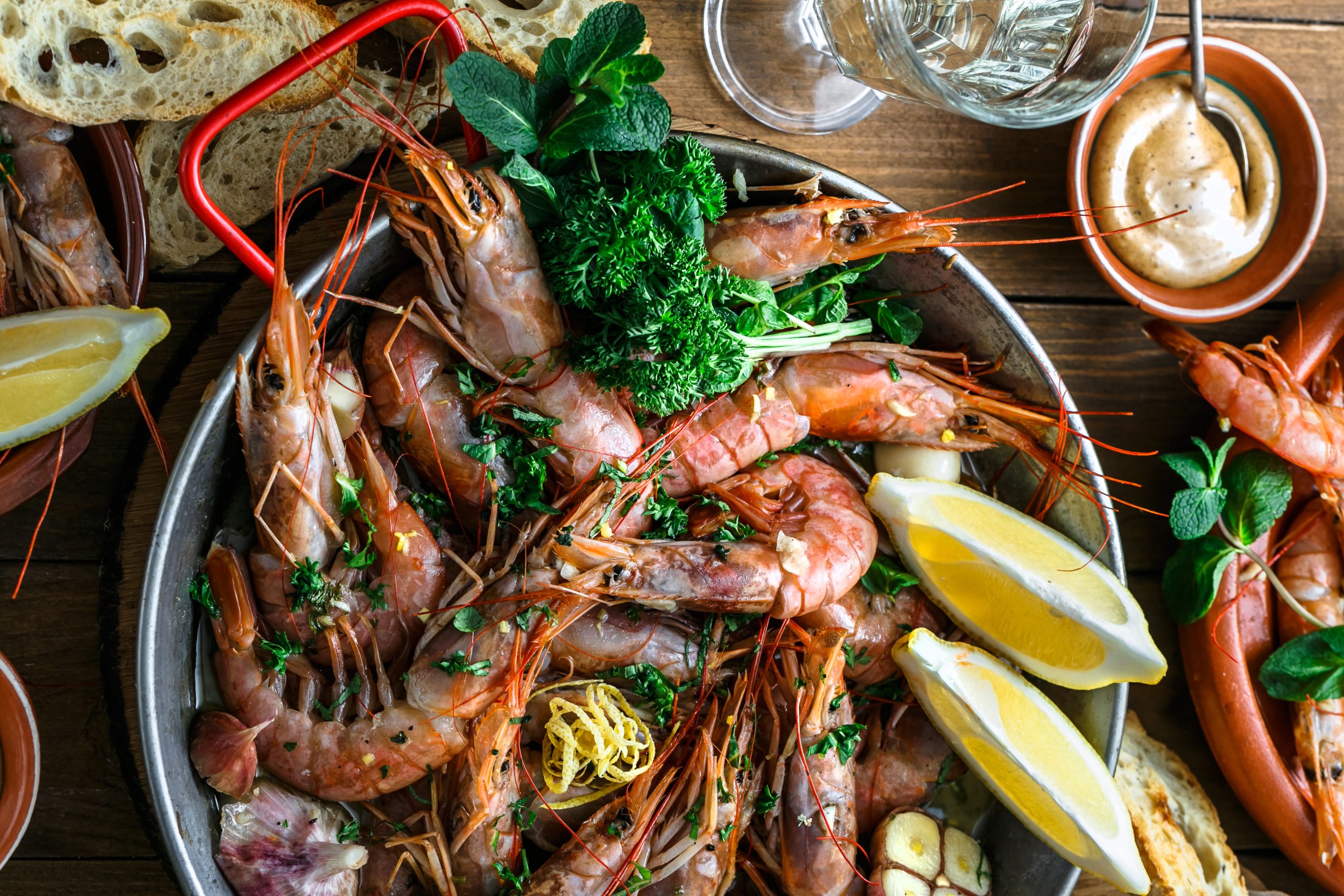
This 40-60 minute lesson for ages 12+ will introduce learners to some of the ways that seafood production can be designed for a more sustainable future. Learners will discover some of the innovations being made in aquaculture and wild fishing to help reduce pollution and entanglements with marine wildlife.
Discover Port Phillip: Water & Wildlife Stories
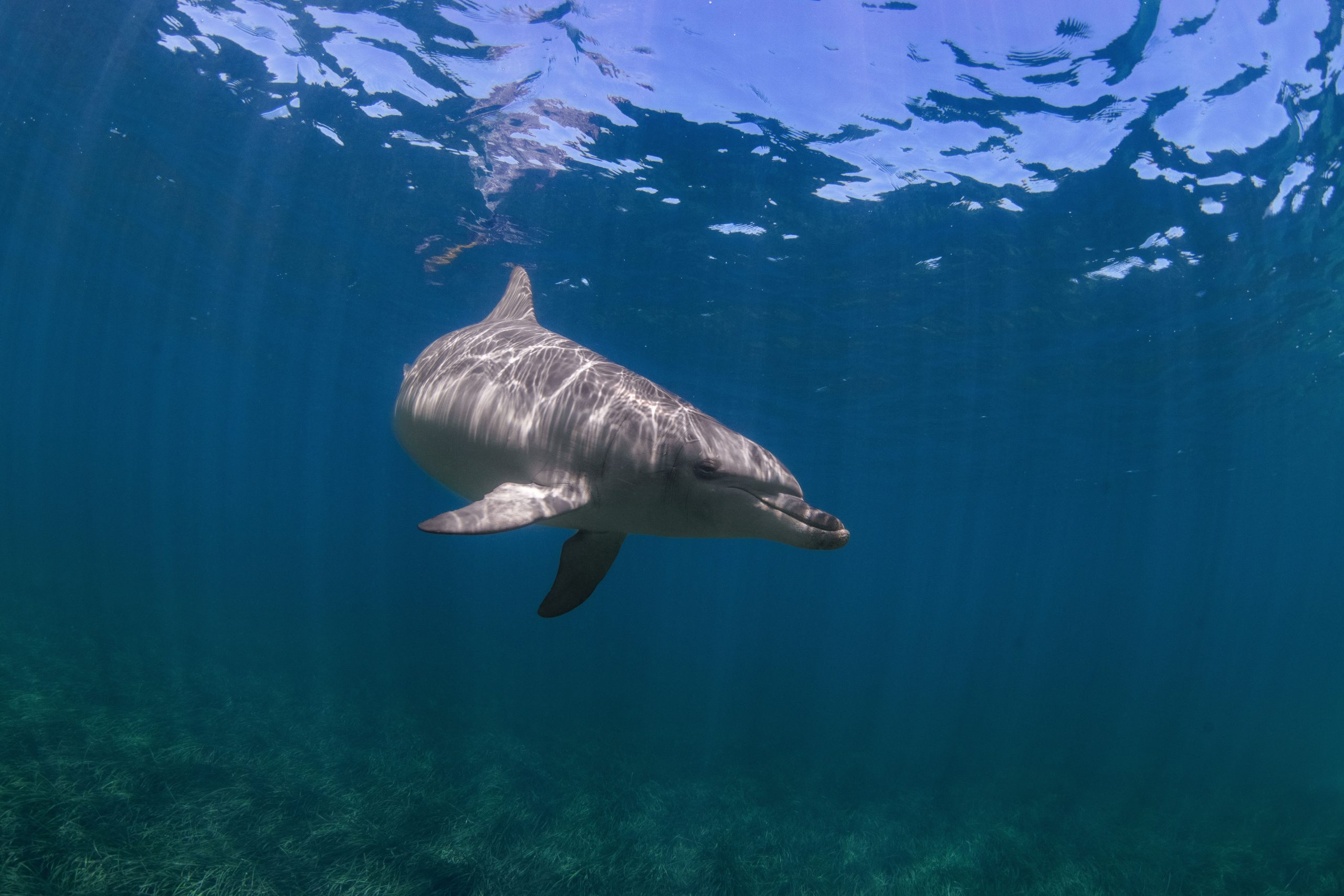
Discover Port Phillip: Water & Wildlife Stories is a five-part ebook series created by the Dolphin Research Institute with support from the Port Phillip Bay Fund. These free, story-driven ebooks highlight the incredible marine life and environments of Port Phillip, aiming to connect the community with what lives in our own backyard.
Coral reefs and climate change
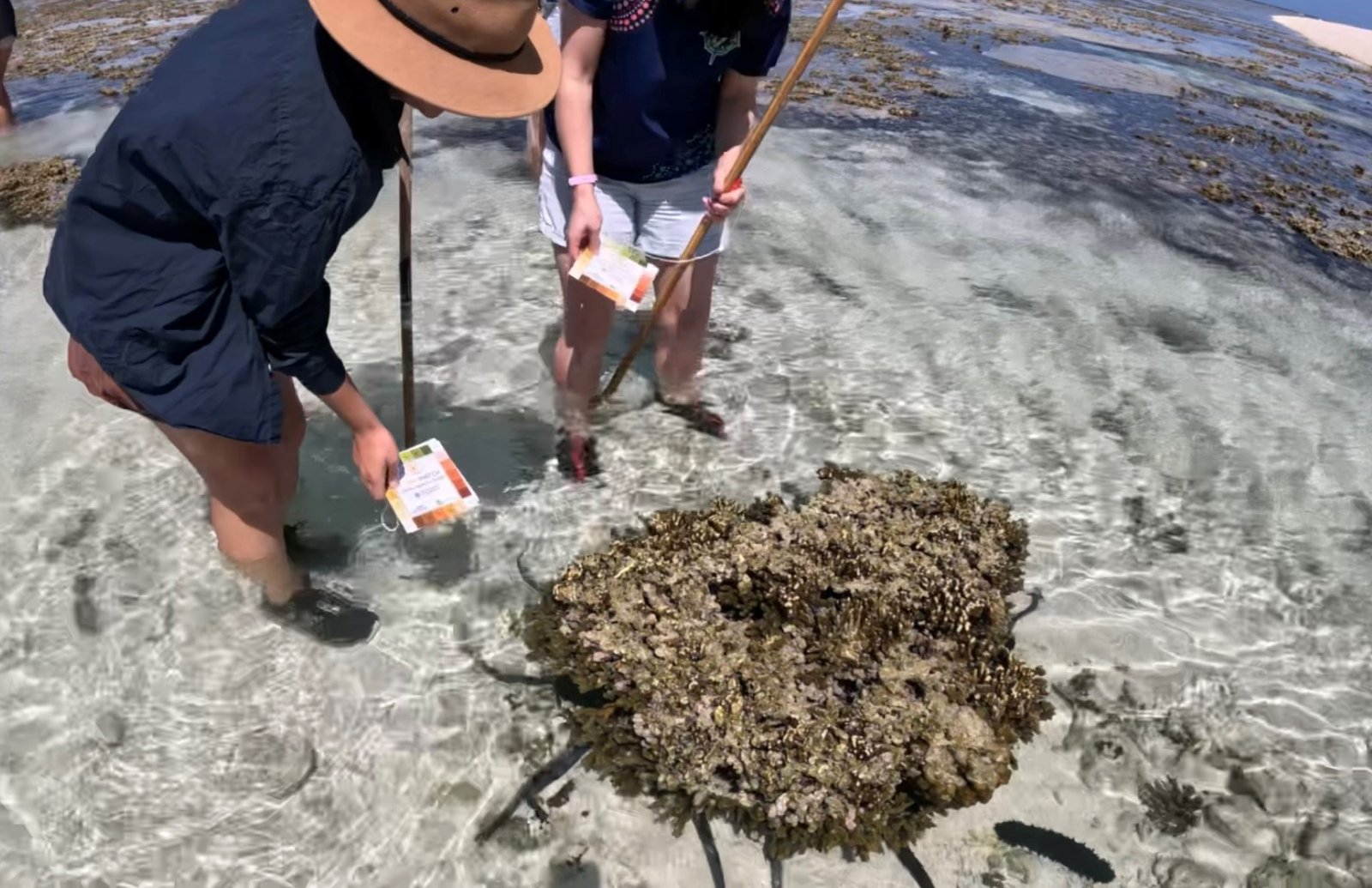
The individual, classroom, lab and field activities are designed for high school and early tertiary level students, and anyone interested in exploring coral reefs, climate change and sustainable living in more detail. Some activities make use of the Coral Health Chart. Additional virtual tools provide an opportunity to learn more about coral bleaching and active monitoring. Virtual tools can be used to prepare for a field trip or as a valuable alternative to a field trip. Away from the reef
Coral reefs and climate change
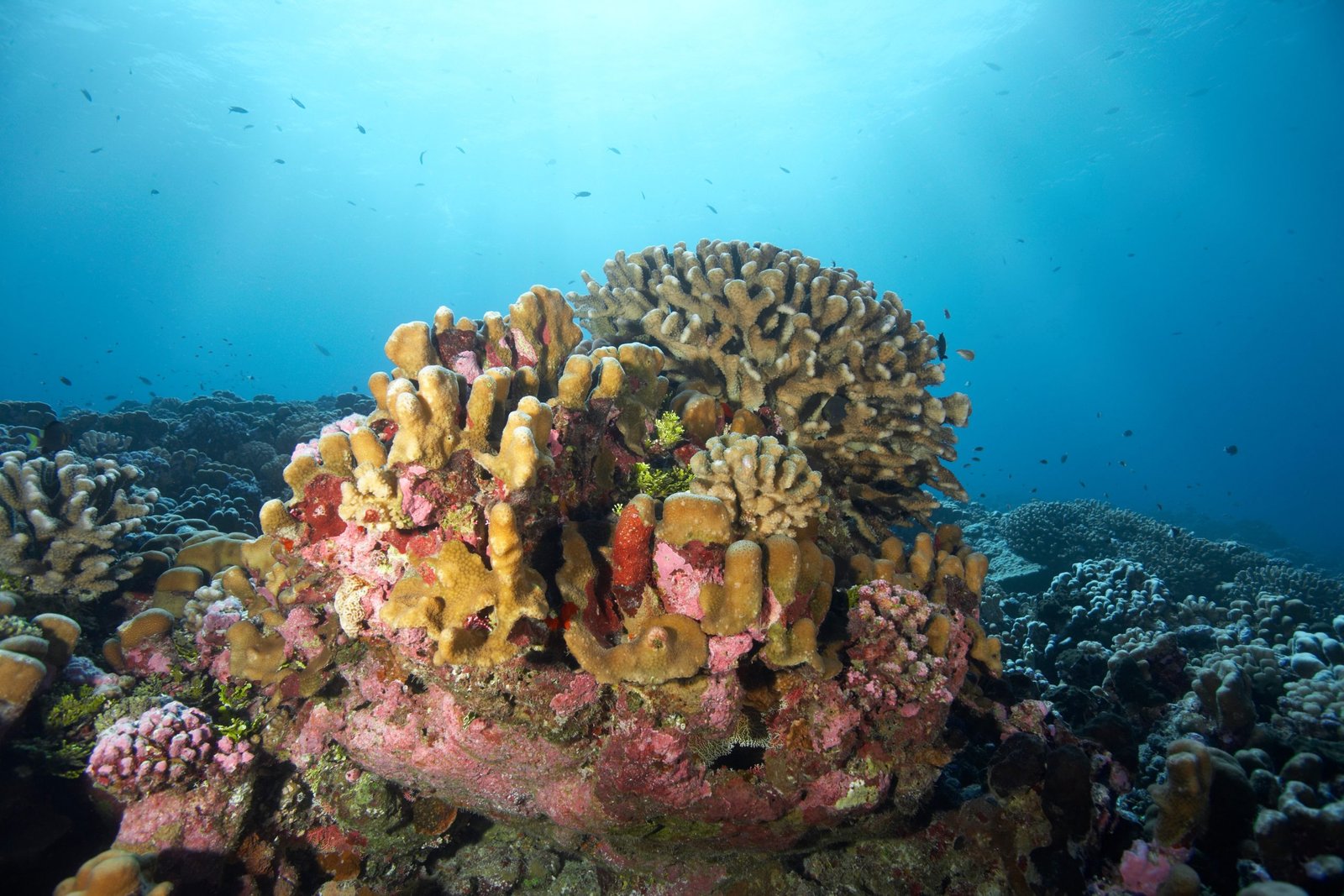
Illustrated through animated diagrams and photos, interviews with scientists, clear language, and footage from around the globe, this series brings concepts from the book to life. Each of these 22 videos (3-8 min each) explores a key topic in oceanography, coral reef ecology, climate change science, and reef conservation. Suited to use in a variety of settings, this series may be used independently or in conjunction with other CoralWatch education materials.
Corals at Your Doorstep (Moreton Bay, QLD)
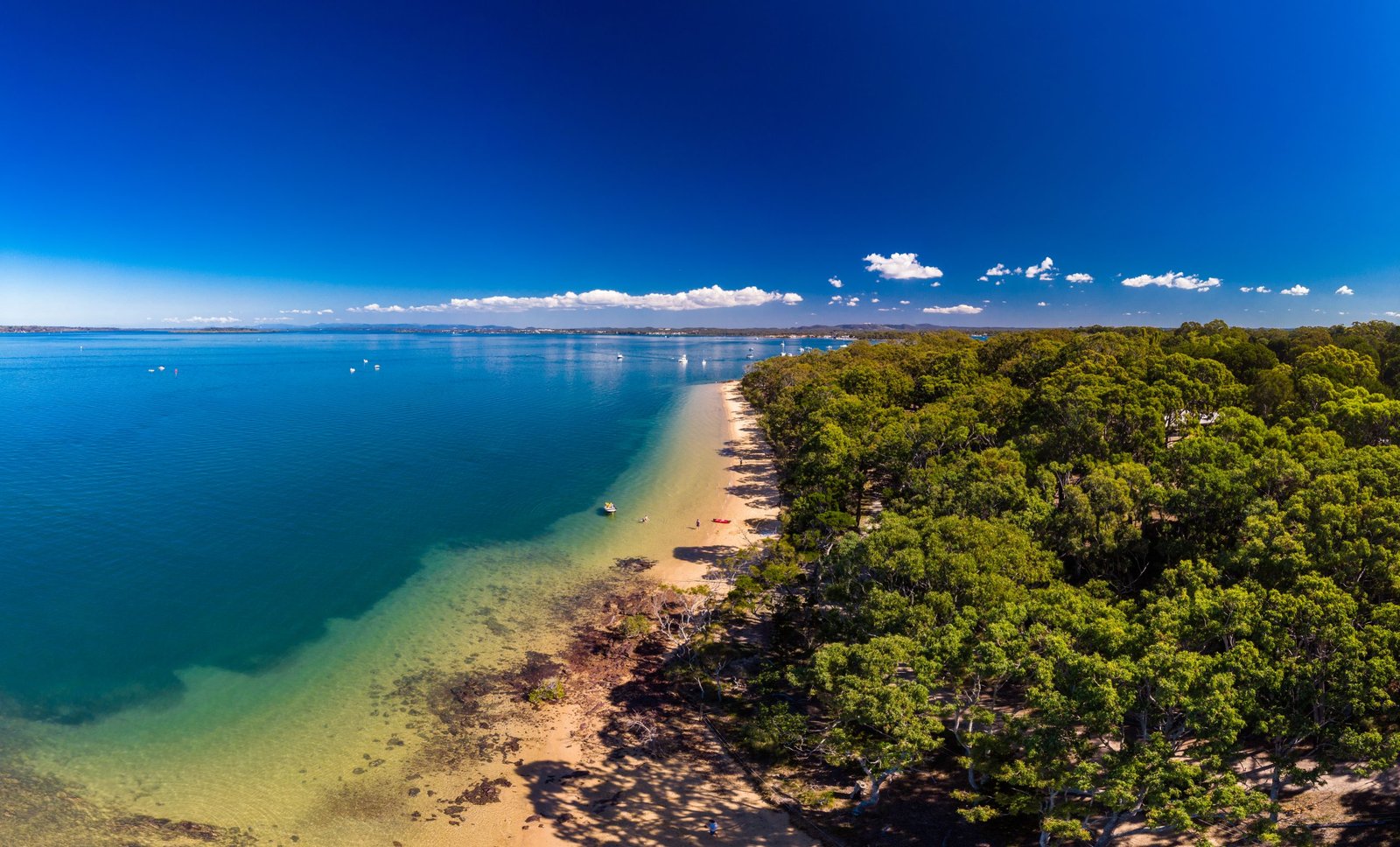
The lessons and resources of this 'Corals at Your Doorstep' booklet are developed for high schools in the Moreton Bay area and is part of the CoralWatch 'Moreton Bay Education Package'. The lessons and activities in the booklet are aimed at year 7 Science.
Marine Ecosystems
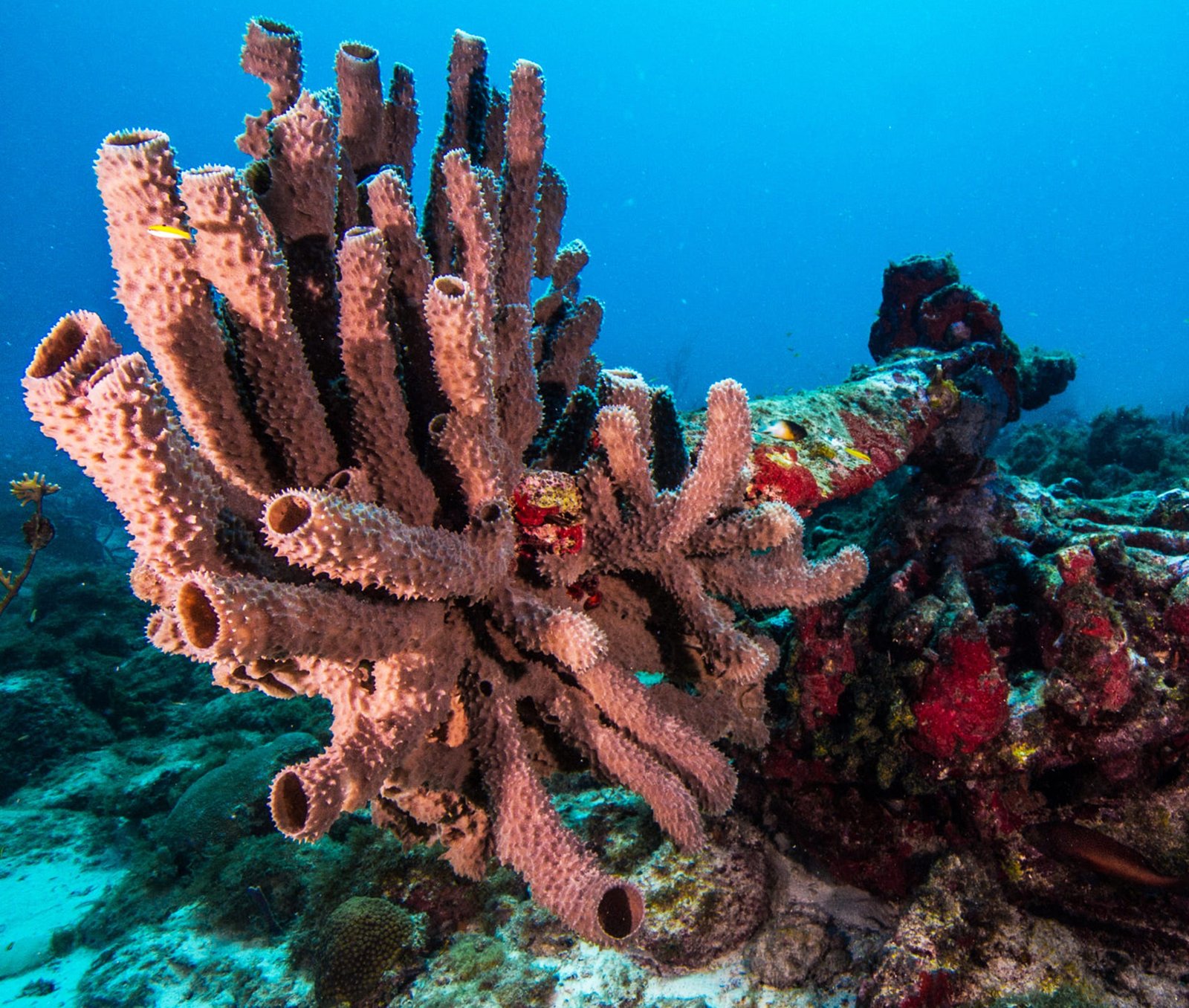
This resource is a curriculum-linked guide for Year 7 Science students that provides lessons, activities and virtual tools to help learners understand coral biology, reef health, threats like bleaching, and how to monitor coral using the Coral Health Chart. It also includes worksheets and field-oriented tasks that allow students to collect, interpret and analyse real or virtual data about reefs. Finally, it emphasises sustainable practices and community involvement, offering students ways to take action locally to protect reef ecosystems.
Corals are Cool and Crucial
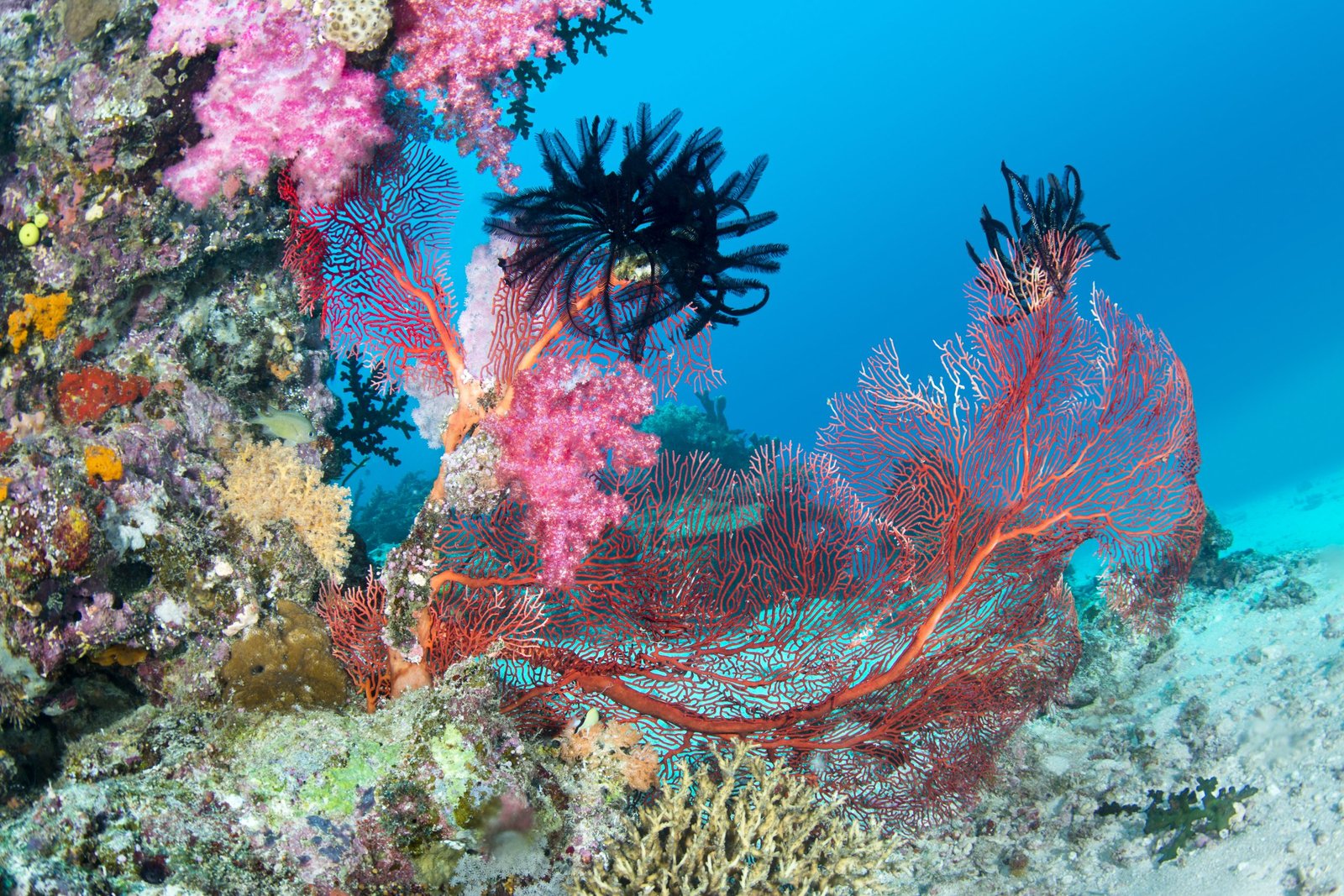
Students will explore the importance of the Great Barrier Reef and local reefs, investigating the coral lifecycle and the ways ocean life depends on interconnected relationships for survival. They will examine the threats posed by climate change and other human impacts, and discover how citizen scientists contribute valuable data on coral health. Through hands-on practice with virtual tools, students will monitor, collect, and analyse coral data. Finally, they will identify sustainable actions they can take in their daily lives and
Colours on the Reef
This lesson plan focuses on learning about the importance of coral reefs and how colour can act as an indicator of reef health. Students develop an understanding of living things (coral) that can grow in different shapes and their needs within the habitat (coral reefs). Severe changes in water temperature can cause corals to change colour from brown/green to white (coral bleaching).
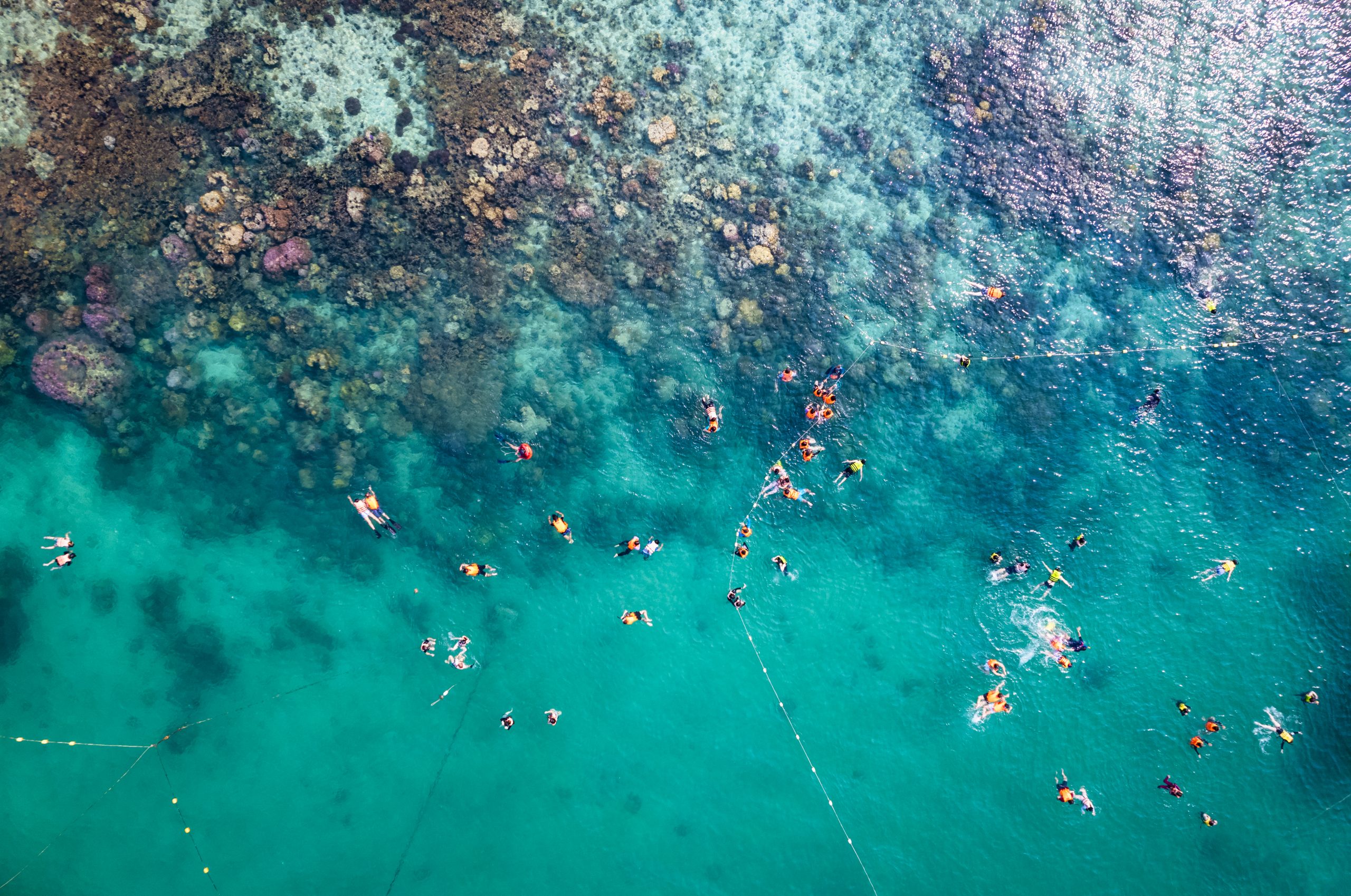
Coral Spawning
Behind the News explores a remarkable annual event on the Great Barrier Reef, where coral across the region simultaneously reproduce. This year, however, experts are watching more closely than usual
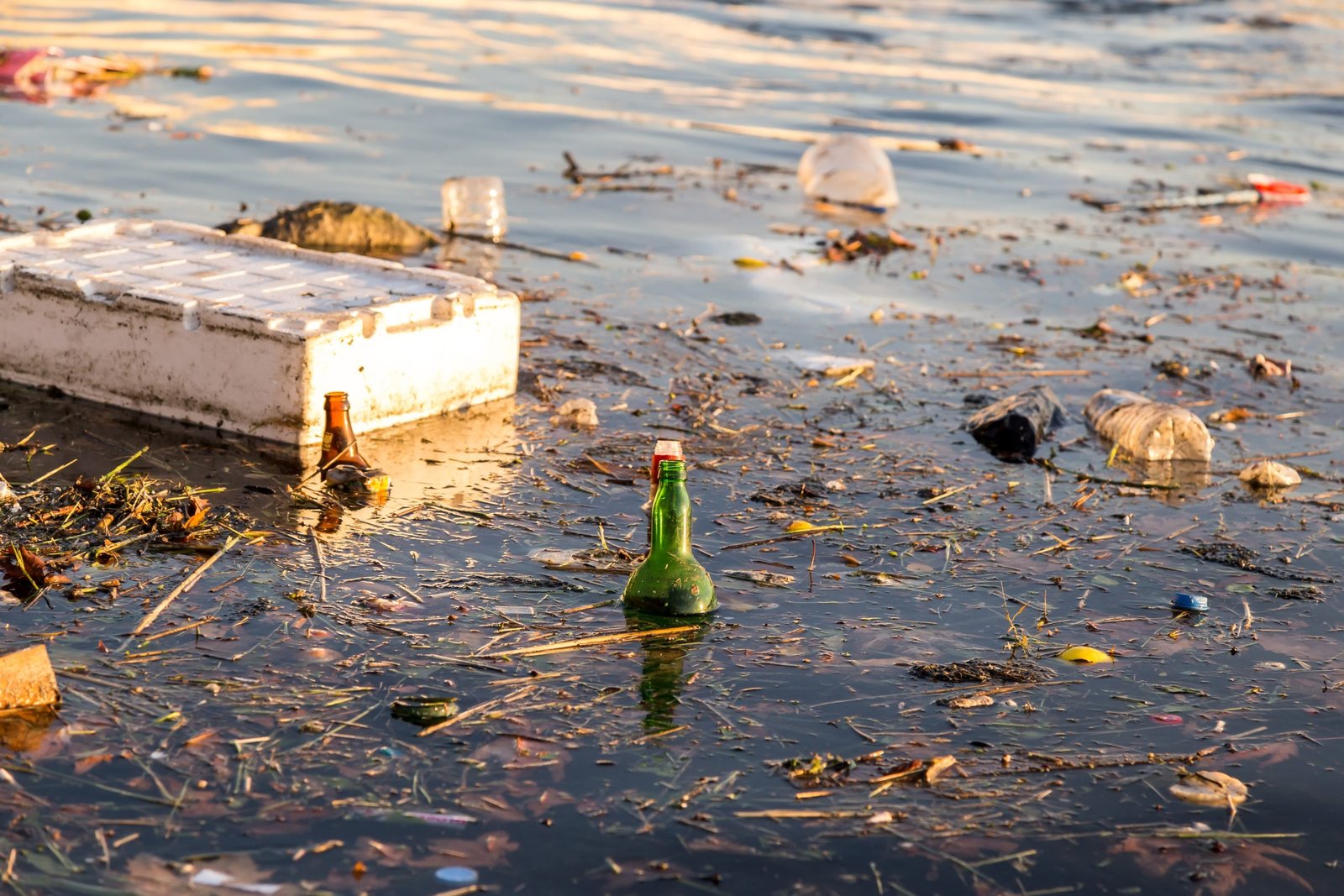
Ocean Rubbish Clean-Up
Behind the News looks into a massive project that is underway to start cleaning up the Pacific Ocean. A giant tube is being towed out to a giant patch of garbage where around 1.8 trillion pieces of plastic have gathered together.