
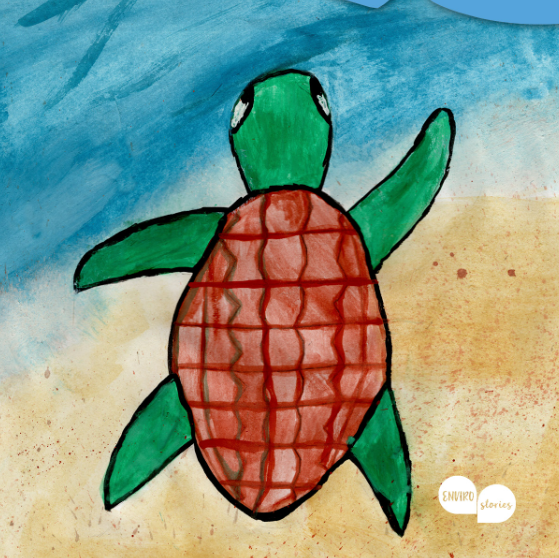
Timmy Turtle gets into trouble
Follow the journey of Timmy the green sea turtle from the time he hatches, survives many dangers and gets sick after a storm.
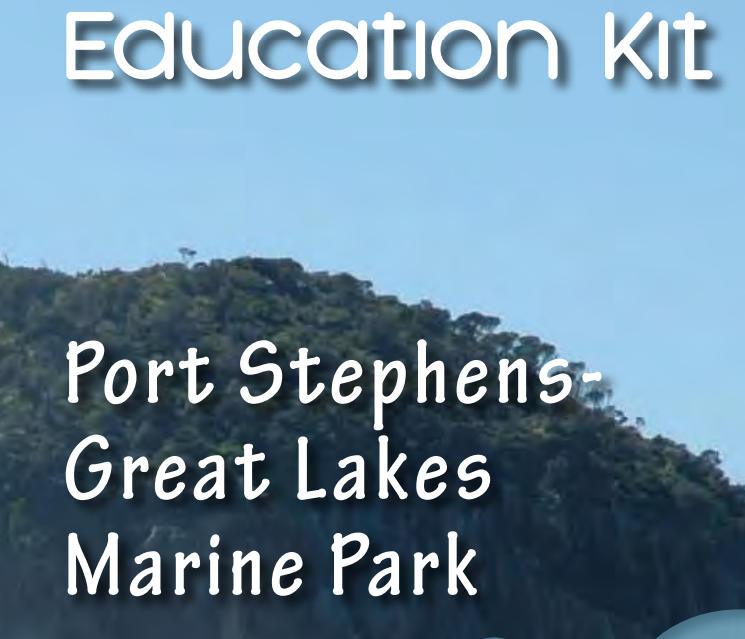
Port Stephens – Great Lakes Marine Parks Education Kit
This education kit covers the topics: marine parks and conservation; rocky shores; estuaries; and cultural heritage. These comprehensive modules are designed to fit the NSW Department of Education and Communities primary school curriculum, and with its fact sheets, identification guides, risk assessments and activity plans, the kit can be used to complement teaching programs.
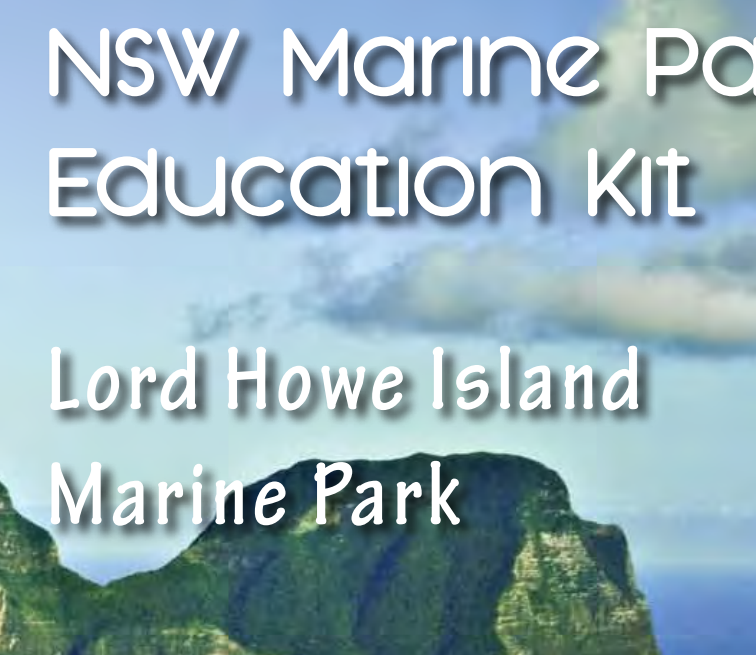
Lorde Howe Island Marine Park Education Kit
The Lord Howe Island Marine Parks Education Kit covers the topics: marine parks and conservation; rocky shores; estuaries; and cultural heritage. These comprehensive modules are designed to fit the NSW Department of Education and Communities primary school curriculum, and with its fact sheets, identification guides, risk assessments and activity plans, the kit can be used to complement teaching programs.
Jervis Bay Marine Park Education Kit
The NSW Marine Parks Education Kit contains four modules that cover the topics of marine parks and conservation, rocky shores, estuaries and cultural heritage. These modules have been designed to fit the NSW Department of Education and Training’s primary school curriculum, and can be used to complement current teaching programs.
Cape Byron Marine Park Education Kit
The NSW Marine Parks Education Kit contains four modules that cover the topics of marine parks and conservation, rocky shores, estuaries and cultural heritage. These modules have been designed to fit the NSW Department of Education and Training’s primary school curriculum, and can be used to complement current teaching programs
The Solitary Islands Marine Park Education Kit
The primary aim of this kit is to provide a structured, curriculum-based education resource for primary school students that teaches them about the marine environment, marine protected areas, conservation values and management, the importance of near-shore habitats, and the sustainable use of these habitats and marine resources by traditional Aboriginal custodians through four modules.
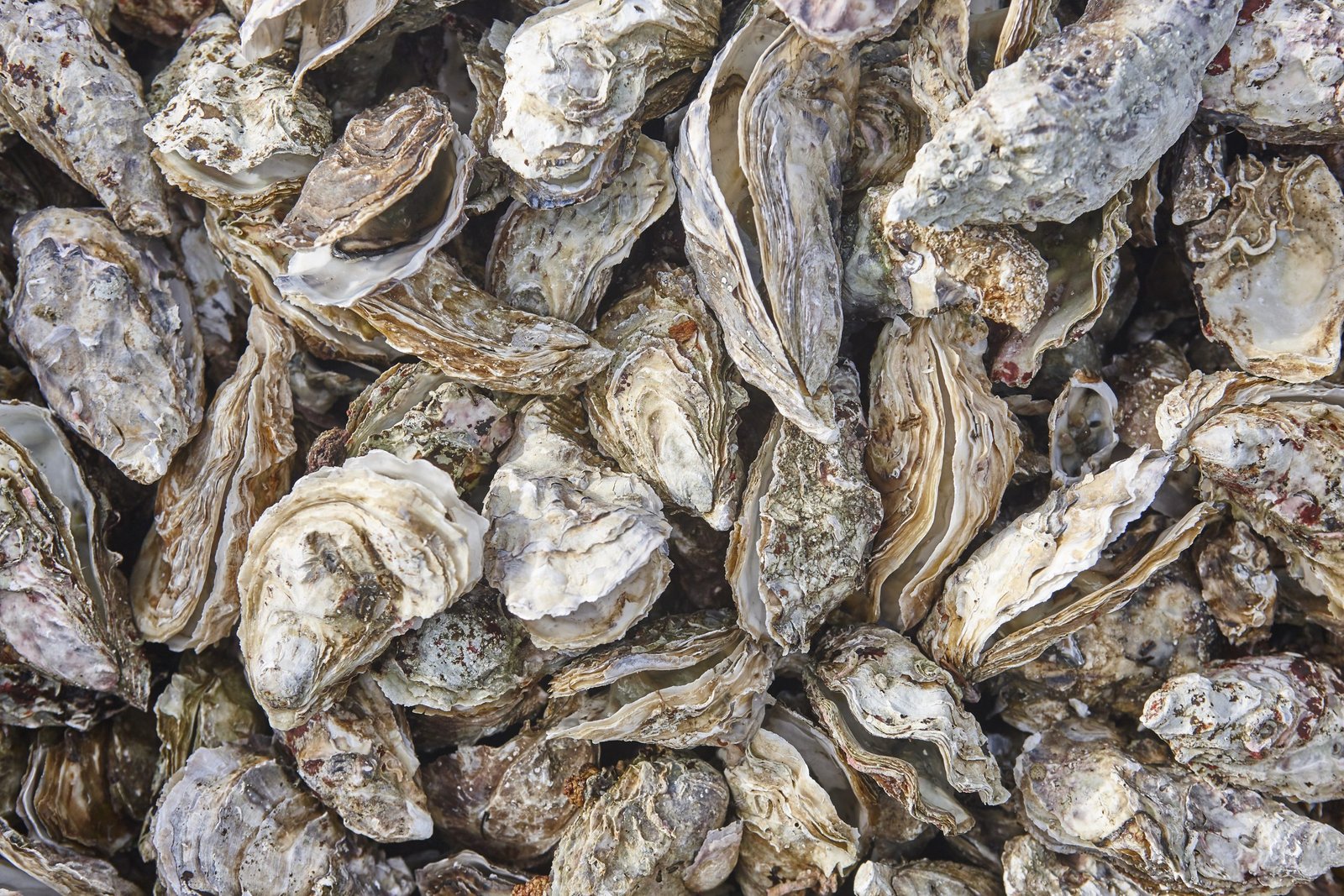
The Forgotten Reefs – Shellfish Reefs in NSW (Year 7-10)
This learning package offers teachers curriculum‑linked lessons, activities and background information to help middle and upper secondary students investigate the ecology, cultural significance, threats and restoration of shellfish reefs in New South Wales.
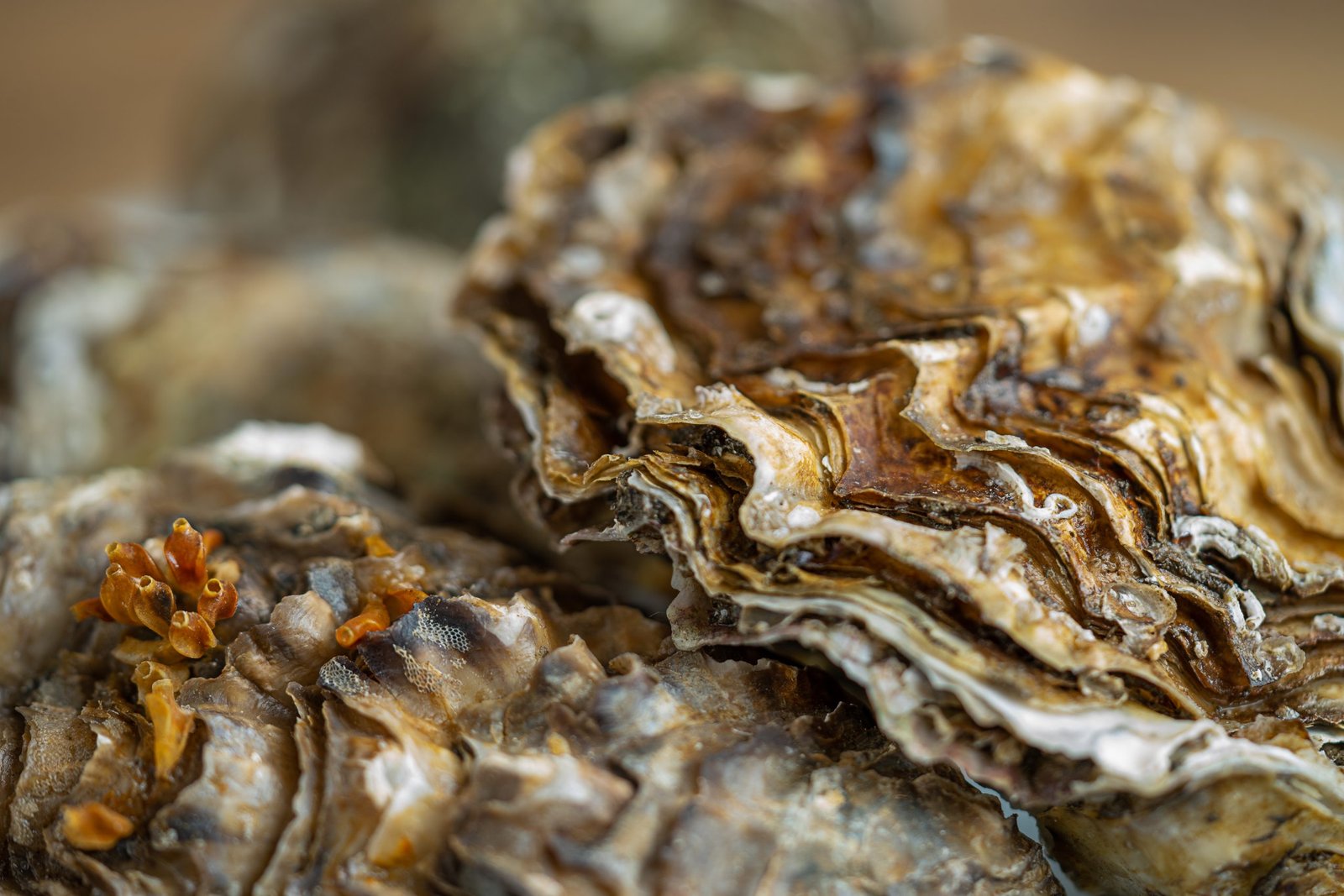
The Forgotten Reefs – Shellfish Reefs in NSW (Preschool – Year 2)
This learning package introduces Preschool to Year 2 students to the importance of shellfish reefs in NSW, helping them understand these “forgotten reefs,” their ecology, threats and ways to protect them through age-appropriate activities and teacher support.
NSW Marine Estate
This webpage includes activity books, lesson plans, teacher guides, marine estate fact sheets and information on marine-related career options to support primary school teaching about the NSW marine environment.
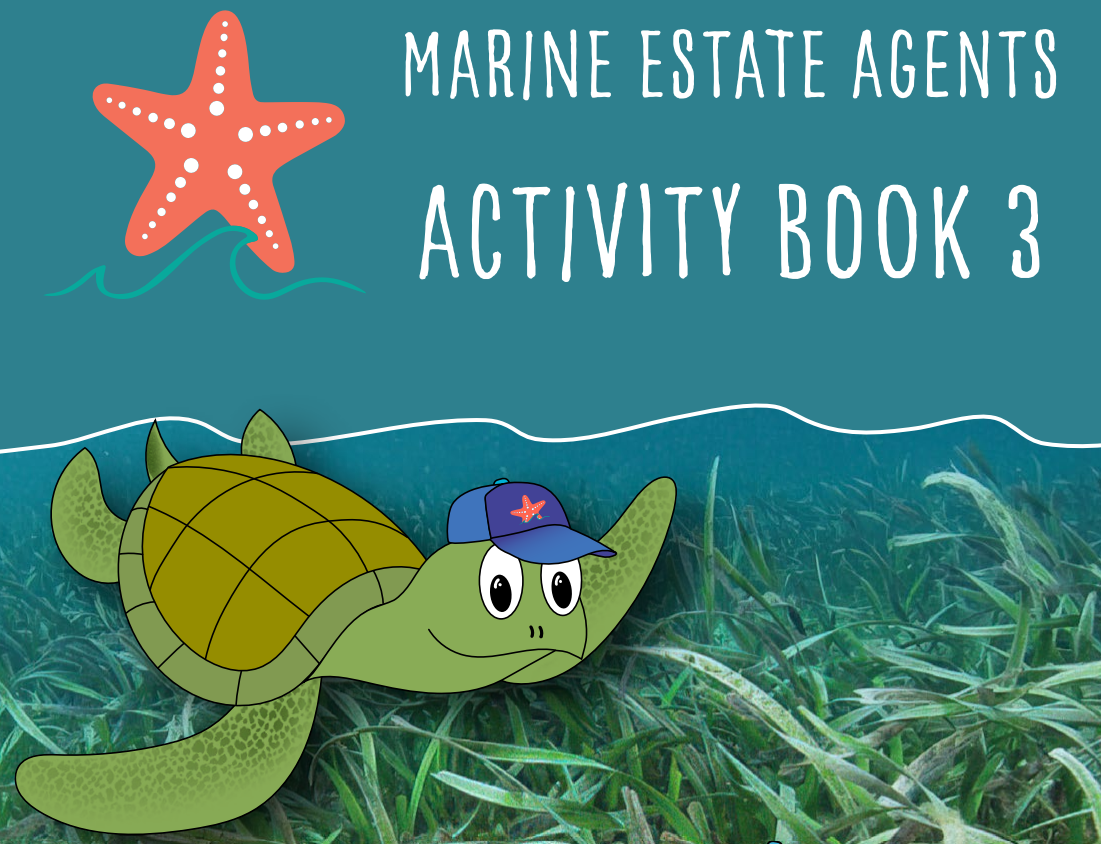
Marine Estate Agents Activity Book 3
This activity book supports upper primary students to learn about marine ecosystems, human-environment interactions (bushfires and climate change), and actions they can take to care for the NSW marine estate through fun, curriculum-linked activities.