
Marine Estate Agents Activity Book 2
This activity book engages middle primary students with activities about marine estate areas, species, environmental threats, climate change, safety and sustainable actions, helping them become informed young Marine Estate Agents.
Marine Estate Agents Program (Year 5-6)
The Marine Estate Agents Program is an education program for HSIE and Science subjects under the NSW syllabus. Many activities are also aligned with the cross-curriculum priorities of Sustainability and Aboriginal and Torres Strait Islander Cultures and Histories.
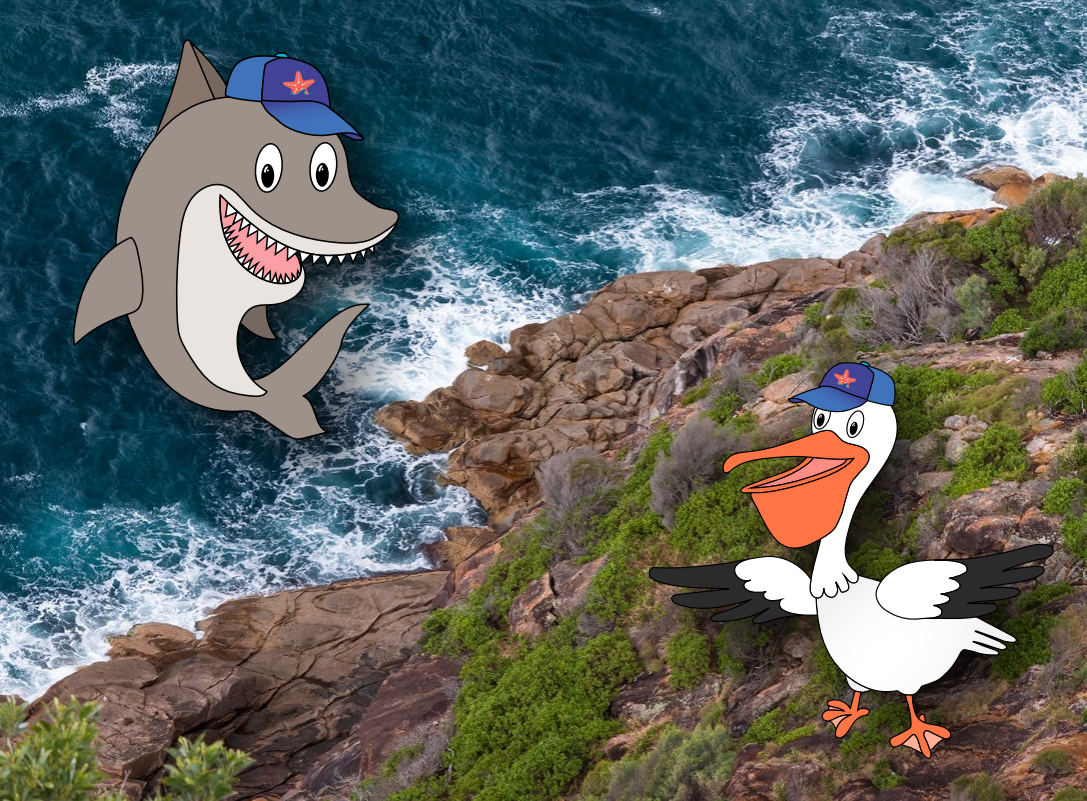
Marine Estate Agents Program (Year 3-4)
The Marine Estate Agents Program is an education program for HSIE and Science subjects under the NSW syllabus. Many activities are also aligned with the cross-curriculum priorities of Sustainability and Aboriginal and Torres Strait Islander Cultures and Histories.
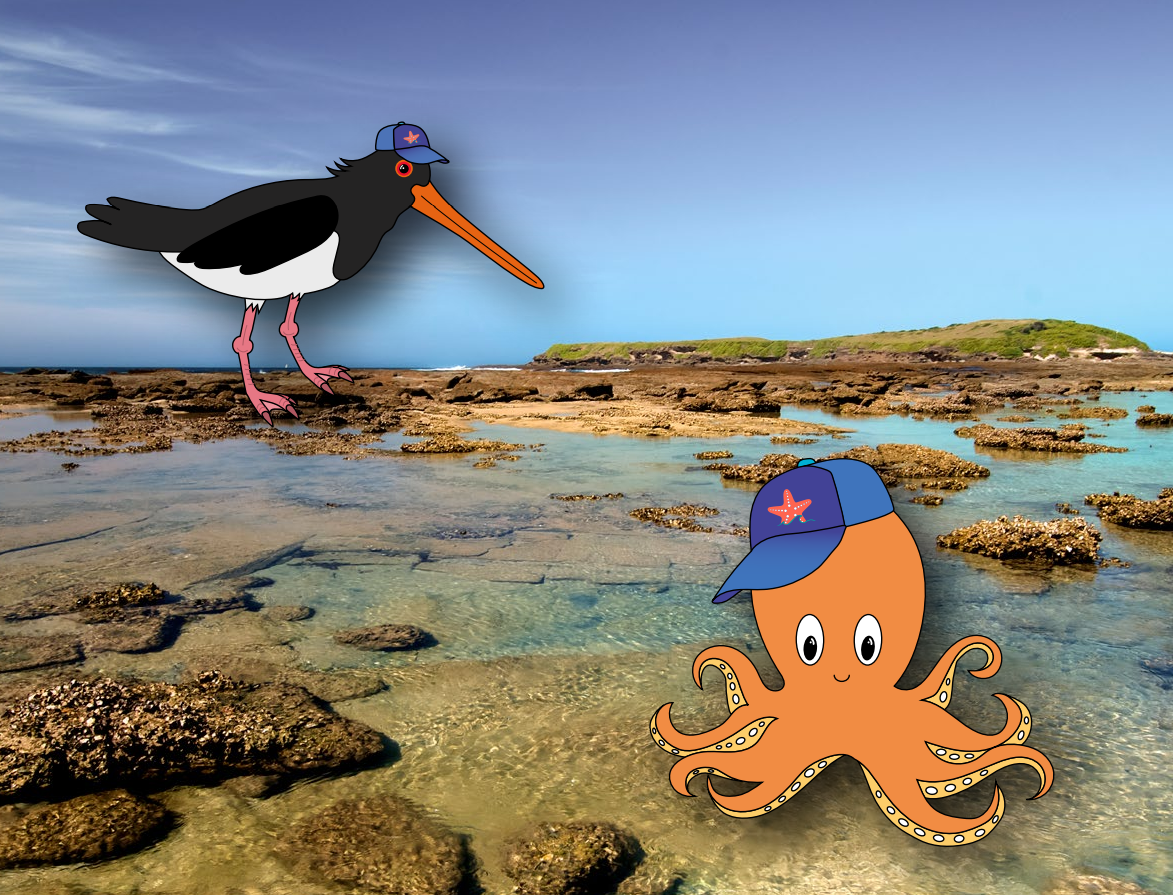
Marine Estate Agents Program (Year 1-2)
The Marine Estate Agents Program is an education program for HSIE and Science subjects under the NSW syllabus. Many activities are also aligned with the cross-curriculum priorities of Sustainability and Aboriginal and Torres Strait Islander Cultures and Histories.
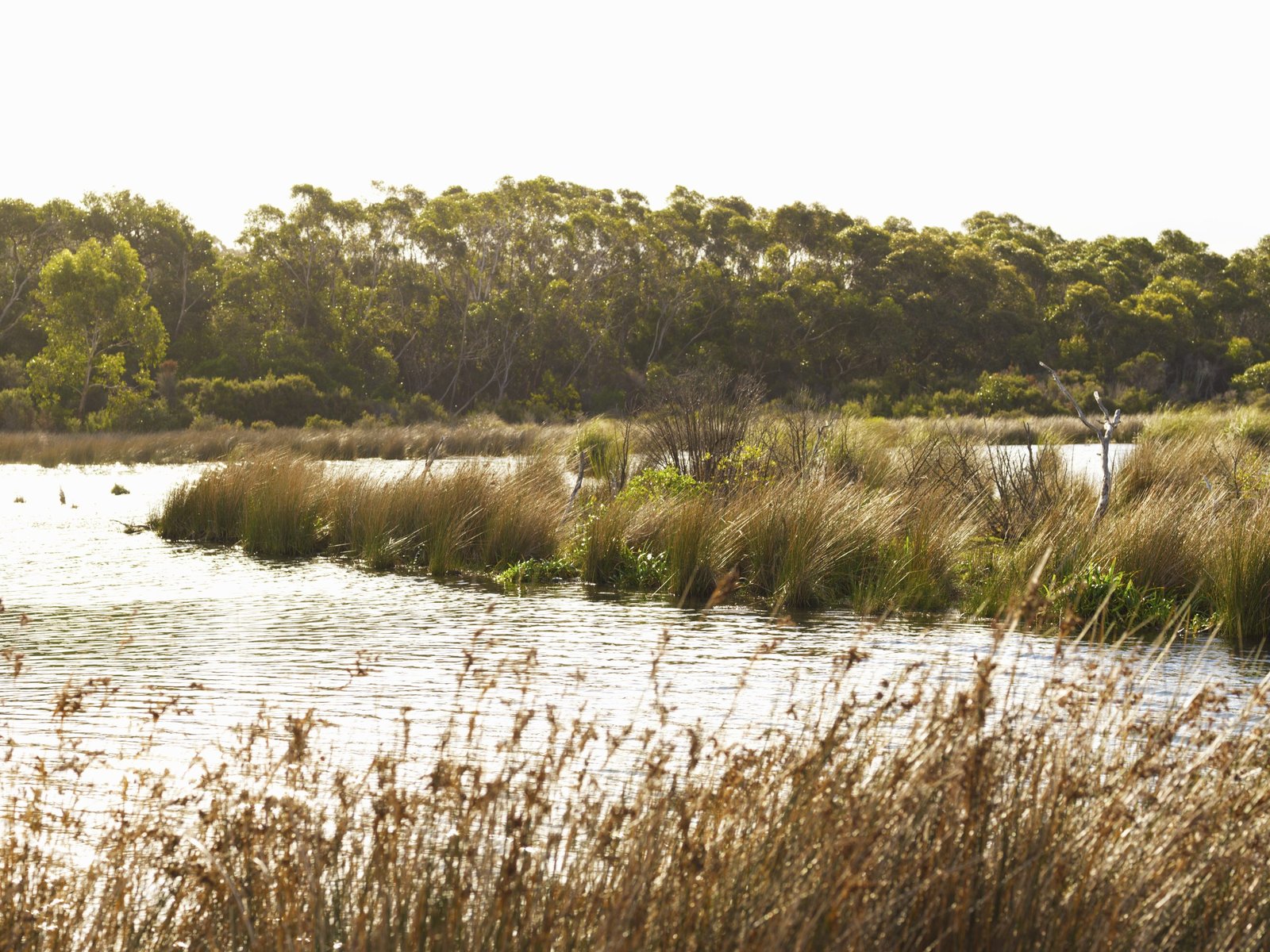
Wetlands and food webs
This resource explores the importance and interconnected environments of wetlands. It covers life-cycles and food webs, and introduces the importance of macroinvertebrates in wetland food webs.

Water quality
This resources looks at what the qualities of 'healthy water' are and how maintaining the quality of water is crucial for a healthy environment, agriculture, and communities.
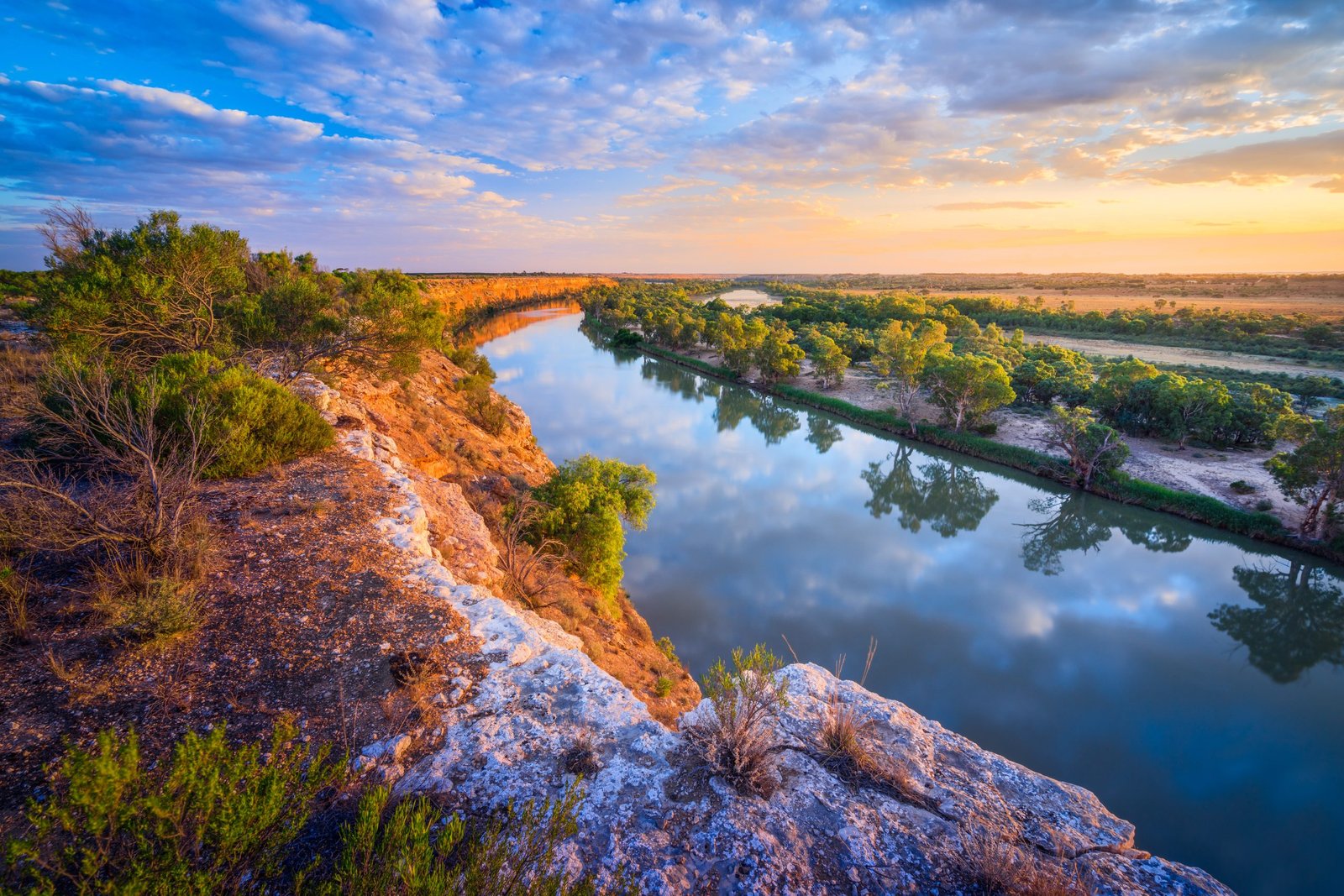
Water availability in Australia
This activity asks students to explore what factors influence water availability in Australia and what are the effects of limited water and what are some of the management options available to us?

Influences on the water cycle
This lesson incorporates a range of practical activities that allow students to explore how the water cycle operates at different scales and across diverse environments, and how it is shaped by factors such as location, temperature, and topography.
Sea Country Stories: Ngarrindjeri Ruwi
In this short film Ngarrindjeri elder Major 'Moogy' Sumner yarns about what story and Sea Country mean to him, including stories about making the kaiki (reed spears), fishing with the pelicans, spearing flounder at night, and how to find a stingray in the stars!